+86 13638632902
 Jason@cleanroomequips.com


 MENU
MENUX
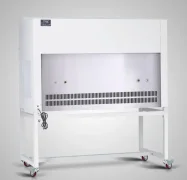
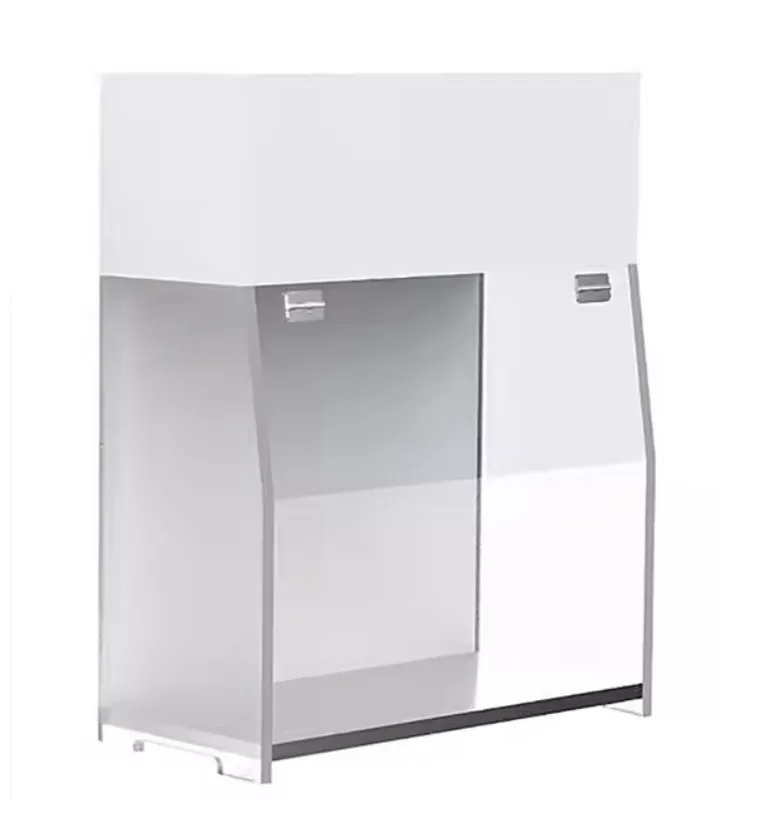
A Desktop Clean Bench is a compact, portable workstation designed to create a localized, contamination-free environment for various sensitive laboratory tasks. It uses efficient filtration and laminar airflow to ensure a sterile workspace.
Type: Horizontal or Vertical Laminar Flow
Filter: HEPA (99.99% efficiency at 0.3 microns) or ULPA (99.999% efficiency at 0.12 microns)
Airflow Velocity: 0.45 m/s (90 fpm)
Dimensions: Typically 24" x 18" x 24" (W x D x H)
Material: Stainless steel or powder-coated steel
Lighting: Integrated LED
Noise Level: < 60 dB
Power Supply: 110-240V AC, 50/60 Hz
Weight: Approximately 30 kg (66 lbs)
Min. Order:1 Set
Catalog:Desktop Vertical Flow Clean Workbench
Min. Order:1 Set
Catalog:Desktop Vertical Flow Clean Workbench
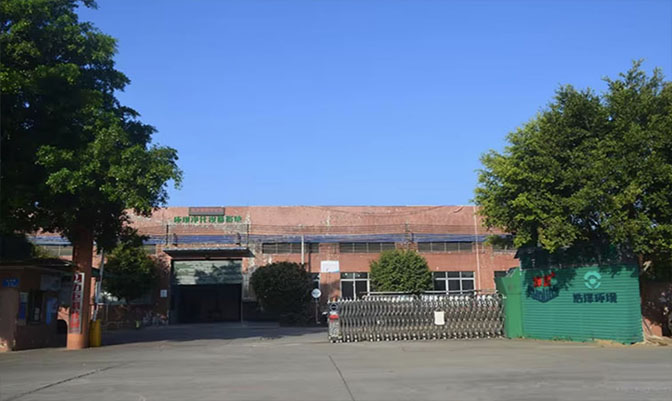
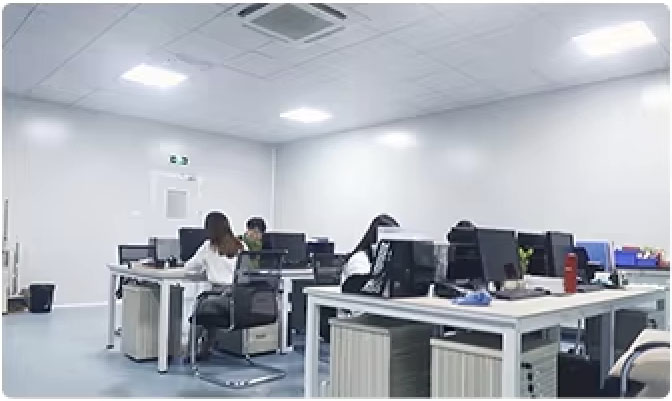
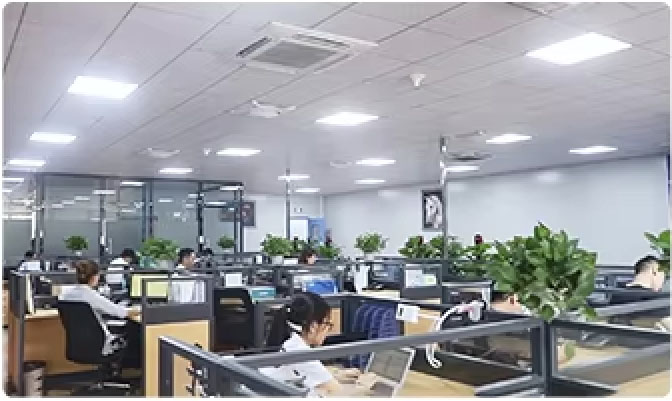
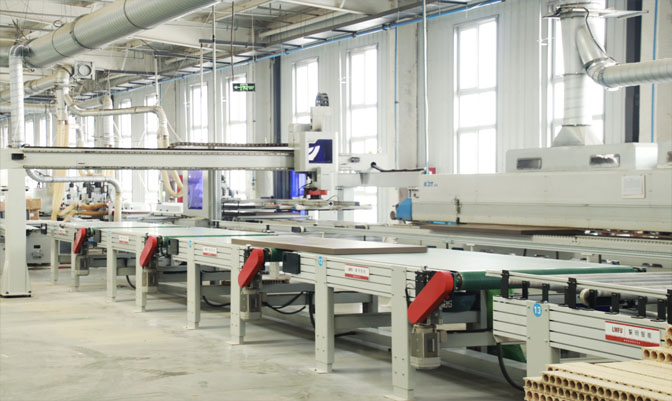
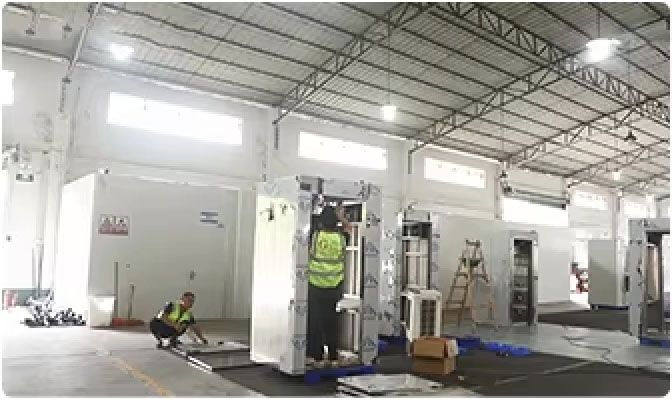
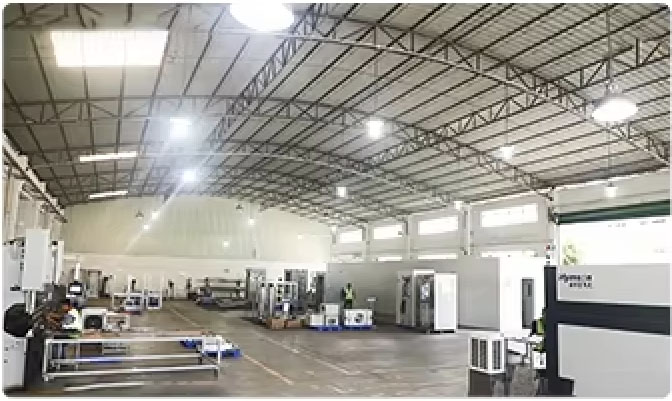
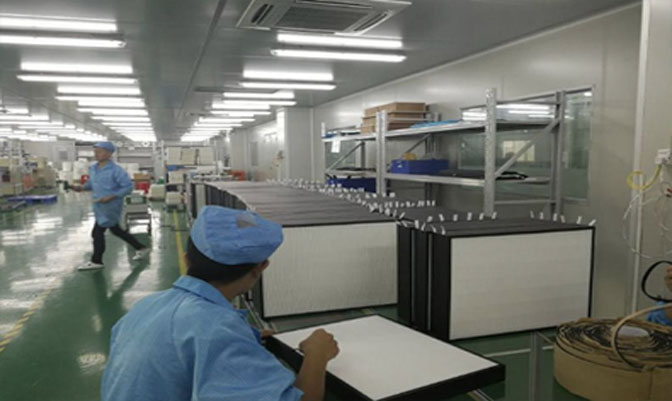
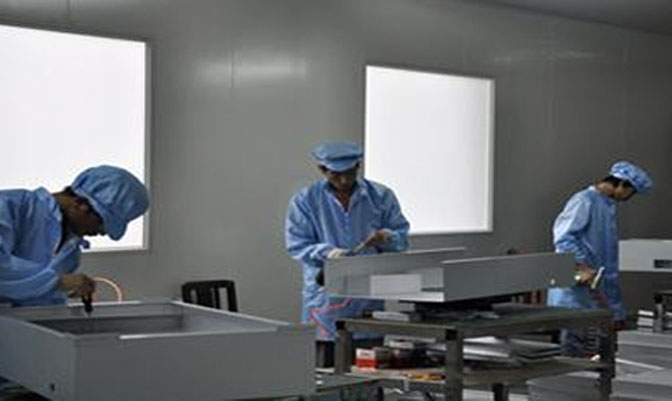
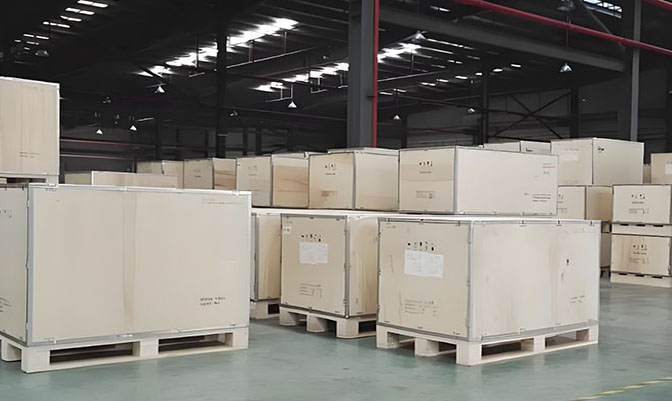
Deiiang is a trusted manufacturer specializing in high-quality Desktop Clean Benches, designed to provide a contamination-free environment for sensitive laboratory and industrial applications. Our products feature advanced HEPA or ULPA filtration systems, ensuring optimal air purity and protection for your critical processes.
With a commitment to innovation and excellence, Deiiang offers durable, user-friendly clean benches tailored to meet the stringent demands of various industries, including pharmaceuticals, biotechnology, electronics, and research laboratories. Trust Deiiang for reliable performance and superior quality in maintaining your sterile workspace.

A desktop clean bench is a compact workstation that creates a localized, contamination-free environment for laboratory processes. It uses laminar airflow and HEPA filters to create a workspace suitable for sterile processes.
A desktop laminar flow hood creates a sterile workspace by drawing in ambient air, which is then filtered, and the cleaned air is directed horizontally or vertically across the workspace.
Desktop clean benches are used in pharmaceuticals, biotechnology, electronics, and research laboratories. They are used in any industry where processes require a contamination-free environment.
Pharmaceuticals
Biotechnology
Electronics
Research Laboratories
The primary difference between a vertical and horizontal laminar flow hood is the direction of airflow. In a vertical laminar flow hood, air flows down, and in a horizontal laminar flow hood, air flows from back to front.
HEPA filters in a desktop clean bench should be replaced every 12-18 months. The filter performance should be assessed regularly to determine if a replacement is needed.
Yes, a desktop clean bench can be used for microbiology. It creates a sterile environment to keep cultures of microbes and other sensitive biological samples from getting contaminated.
Prevents contamination
Suitable for microbial cultures
Ensures sample integrity
A desktop laminar flow hood creates a contamination-free environment for samples, ensures accuracy of experiments, and protects sensitive samples. It also provides safety by confining threatening substances.
You have to clean the work surface of a desktop clean bench with disinfectant on a regular basis. If the HEPA filters get clogged, you have to replace them. You have to check the airflow system on a regular basis as well. The performance of the desktop clean bench will decay without regular maintenance.
A desktop clean bench has a width and depth of 18 inches and a height of 24 inches. The compact size allows it to be placed on most laboratory desks and workbenches.
A desktop laminar flow hood can cost between $1,000 and $5,000, depending on the brand, features, and specifications.
The airflow velocity in a desktop clean bench is about 0.45 meters per second (90 feet per minute). This constant airflow helps to clear contaminants from the work area.
Desktop clean benches can protect against viruses to a certain degree. This is because they create a sterile environment with HEPA filtrations. However, they do not fully contain viral pathogens the way a biosafety cabinet would.
Sterile environment
HEPA filtration
Not a biosafety cabinet replacement
Desktop clean benches are typically made with either stainless steel or powder-coated steel. The choices in materials are durable and easy to clean, and are also corrosion-resistant.
To install a desktop laminar flow hood, place it on a flat surface, make the electrical connections, and check the airflow. For best results, follow the instructions provided by the manufacturer.
The power range for a desktop clean bench is 110 to 240 volts AC, 50/60 Hz. This matches the power range for the electrical outlets found in most laboratories.
Disinfect the work surface and the inside of the flow hood with a suitable disinfectant to clean a desktop laminar flow hood. Contamination is likely to occur if a flow hood is not regularly cleaned.
The operation of a desktop clean bench is less than 60 decibels. A noise level of less than 60 decibels creates a working condition that is comfortable and does not distract because of auditory distraction.
The desktop laminar flow hood HEPA filters capture 99.99% of particles that are 0.3 microns or larger, providing a sterile workspace by capturing airborne contaminants.
Yes, a desktop clean bench can be used for electronics assembly. It provides a clean environment for assembly of electronics.
The lifespan of a desktop clean bench depends on the usage and maintenance. With regular maintenance, a desktop clean bench can last for 5 to 10 years.