+86 13638632902
 Jason@cleanroomequips.com


 MENU
MENUClass 1000 Cleanroom
A Class 1000 cleanroom, also known as an ISO Class 6 cleanroom under the ISO 14644-1 standard, is a controlled environment designed to maintain very low levels of airborne particles. Specifically, it allows no more than 1,000 particles per cubic foot of air for particles ≥0.5 microns, which translates to no more than 35,200 particles per cubic meter.
Particle Concentration Limits
Particles ≥ 0.5 microns: 1,000 particles per cubic foot (35,200 particles per cubic meter)
Particles ≥ 5.0 microns: 293 particles per cubic meter
Airflow and Filtration
HEPA Filters (High-Efficiency Particulate Air filters): These filters must remove at least 99.97% of airborne particles 0.3 microns in diameter.
Laminar Flow: Often utilized to ensure that air flows in a single direction, reducing turbulence and the potential for particle contamination.
High Air Change Rates: Typically around 150-240 air changes per hour to maintain the required cleanliness.
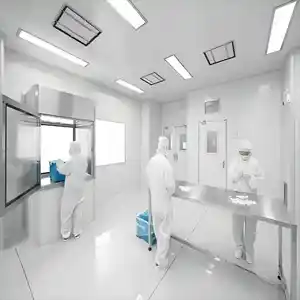
Class 1000 Cleanroom Air Changes Per Hour
| Class 1000 Cleanroom (ISO 6 Cleanroom)
|
Clean room grade table
| ||||||||||||||||||||||||||||||||||||||||||||||||||||||||||||||||||||||||||||||||||||||||||||||
| ||||||||||||||||
| ||||||||||||||||||||||||||||||||||||||||||||||||||||||||||||||||||||||||||||||||||||||||||||||||||
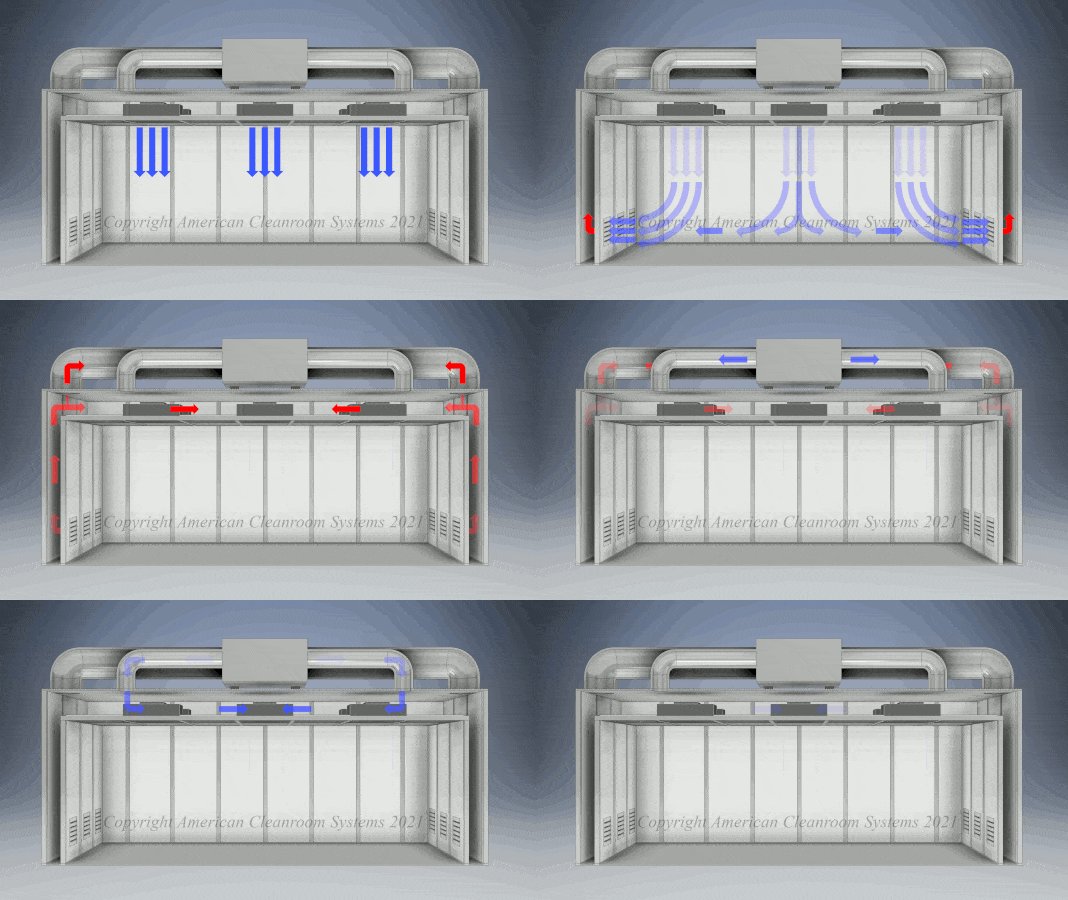
Class 1000 Clean Room Airflow
|
|
|
|

Class 1000 Clean Room wall
|
|
|
|
|
|
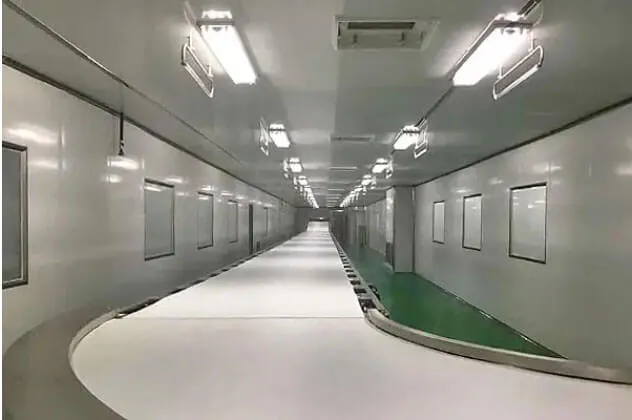
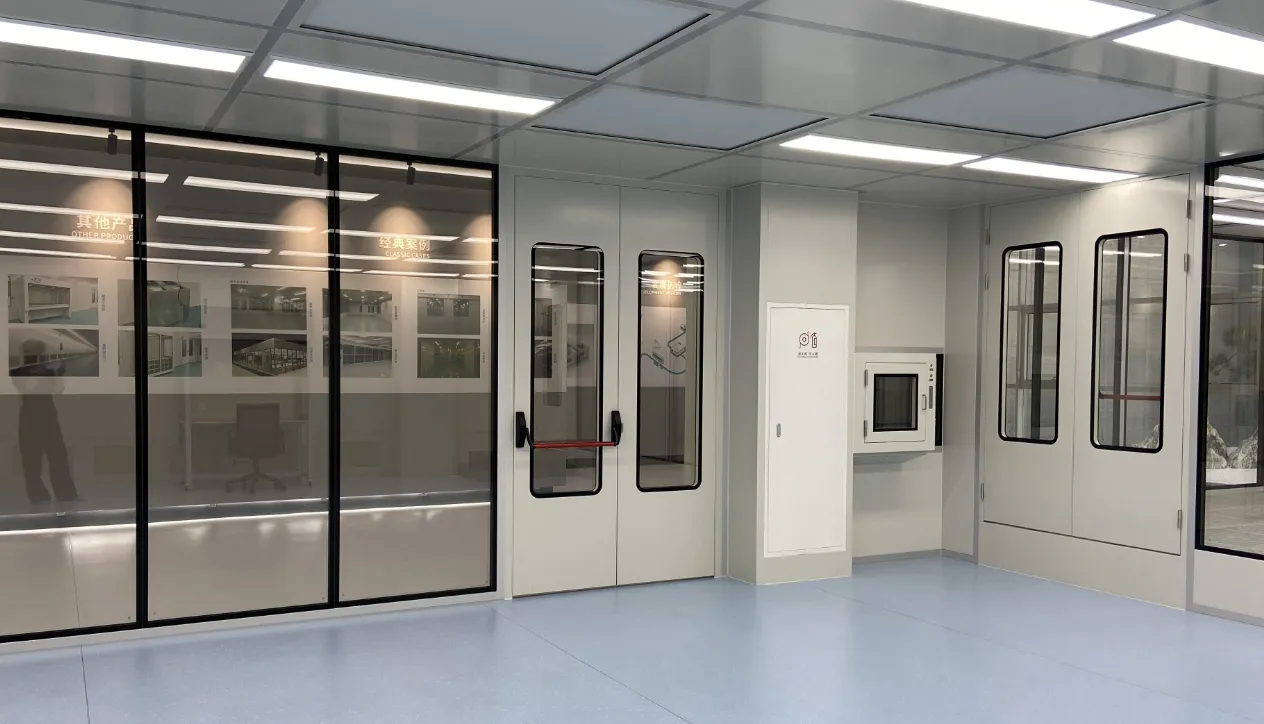
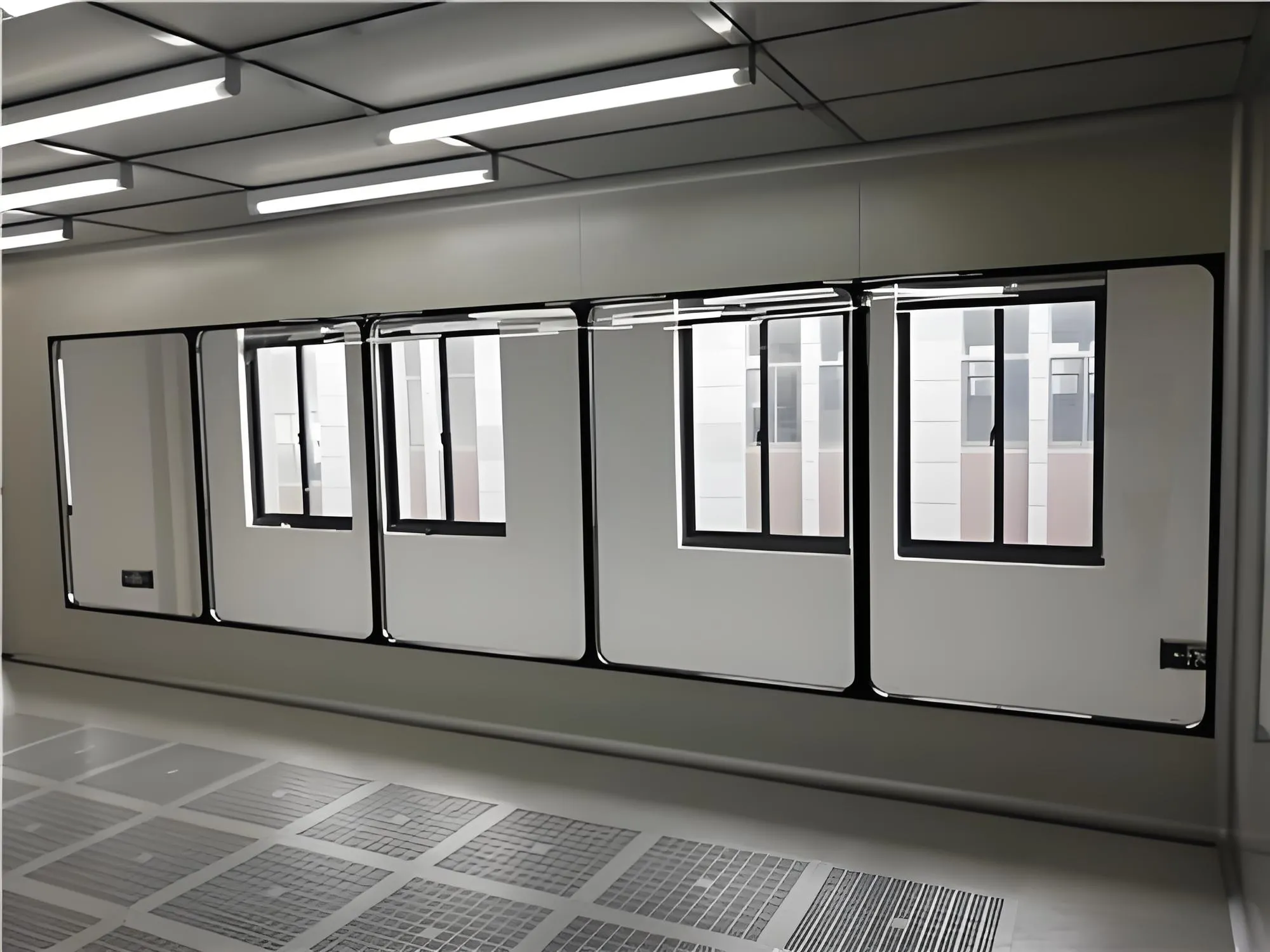
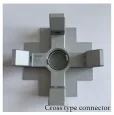
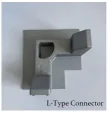
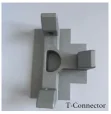
Class 1000 Clean Room Celling
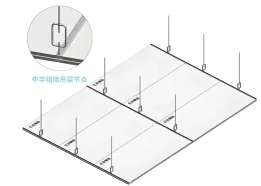 |  |  |  |
|
| ||
 |  |  |  |
|
| ||
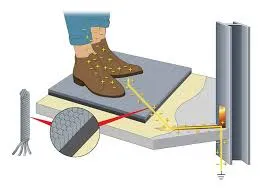
Class 1000 Clean Room Floor
| ||
 |  |  |
| ||
FAQ
A Class 1000 cleanroom, or an ISO Class 6, has no more than 1,000 particles per cubic foot of 0.5 micron or larger particles (35,200 particles per cubic meter). To achieve this standard, advanced HEPA filtration and moderate air changes (150-240 changes per hour) are required. The construction of these rooms uses non-shedding materials, and personnel enter the rooms through strict gowning procedures using hair covers, face masks, gloves, and cleanroom suits. Pharmaceutical, biotechnology, and electronic industries require this level of cleanrooms to control contamination.
An ISO Class 7, or class 10,000 cleanroom, has no more than 10,000 particles per cubic foot of 0.5 micron or larger particles (352,000 particles per cubic meter). HEPA filters must be employed, and the air changes must occur between 60 and 120 times per hour. Non-shedding, smooth materials are used for the construction of these cleanrooms, and personnel wear smocks, hair covers, and shoe covers during grooming. These cleanrooms are used in the aerospace and medical device sectors of the pharmaceutical industry, which require a moderately controlled level of contamination.
An ISO Class 8 clean room, or a Class 100,000 clean room, has no more than 100,000 particles of 0.5 microns or larger in a cubic foot of space (3,520,000 particles of 0.5 microns or larger in a cubic meter of space). These clean rooms utilize HEPA filters to filter the air, and require an air change rate of between 10-25 changes of air per hour. The construction of these rooms uses smooth, cleanable materials, and the personnel employ basic grooming procedures, such as wearing lab coats, and shoe and hair covers. Clean rooms of this class are used for processes that have a lower contamination sensitivity, such as basic manufacturing and assembly of electronics.
To prevent contamination, strict gowning procedures are implemented for both personnel and equipment for a Class 1000 (ISO Class 6) clean room. Personnel wear clean room suits made from non-linting materials, which include coveralls, hoods, and boots. Other personal protective equipment may include gloves, face masks, and goggles/safety glasses. Personnel may also wear an anteroom, as well as an air shower to remove particles from their clothing, before donning their personal protective equipment.
ISO Class 6 refers to an classification of cleanrooms within the scope of the ISO 14644-1 standard. Within this classification, the upper limit for the number of airborne particles of 0.5 microns or more is 1,000 particles per cubic meter. Achieving this level of cleanliness requires a sophisticated HEPA filtration system and a high air change rate. The rooms should be constructed with non-particle shedding materials that are easy to clean. strings gowning procedures must be followed by personnel in order to maintain contamination at acceptable levels for the pharmaceutical, biotechnology, and electronics manufacturing industries.
A modular cleanroom is a prefabricated, flexible clean room that can be constructed to achieve various cleanliness standards. Modular clean rooms are constructed with pre-engineered panels and components that can be quickly assembled, reconfigured, or expanded. Like other clean rooms, modular clean rooms utilize HEPA filters to maintain the required level of cleanliness. The pharmaceutical, biotechnology, and electronics industries, in particular, benefit from modular clean rooms because the demand for clean rooms can change over time.
The ISO standard for clean room classification is ISO 14644-1. This standard sets limits on the concentration of airborne particles and classifies clean rooms from ISO Class 1 through ISO Class 9, with Class 1 being the cleanest and Class 9 the least clean. For each class, there is a specification on the maximum allowable number of particles of various sizes in a given volume of air. The standard establishes requirements for the design, construction and use of clean rooms to help various industries including pharmaceuticals, biotechnology, microelectronics and aerospace to achieve the required level of cleanliness for their products.
A class 1000 clean room, or an ISO Class 6, has a limit on airborne particles of 1,000 or fewer per cubic foot for particles 0.5 microns or greater (35,200 particles per cubic meter). These clean rooms utilize HEPA filters and maintain a high rate of air change, 150-240 per hour, to remain clean. The rooms are constructed from materials that do not shed particles and personnel enter the room utilizing full body gowning which includes covering all expediently particle generating body parts. These clean rooms are used in pharmaceuticals, biotechnology and electronics industries where particle control is critical.
The main difference between a Class 100 and a Class 1000 clean room is the allowable number of airborne particles. A Class 100 clean room (ISO Class 5) requires an absolute limit of 100 particles of size 0.5 microns or larger per cubic foot. This requires more advanced air filtration and an increase in the air change rate compared to a Class 1000 clean room. A Class 1000 clean room (ISO Class 6) allows an absolute limit of 1,000 particles of size 0.5 microns or larger per cubic foot and, therefore, less advanced air filtration and air change requirements compared to a Class 100 clean room. As a result, Class 100 clean rooms are used in semiconductor manufacturing where even a single contaminant can ruin an entire batch, while Class 1000 clean rooms are used in pharmaceutical and biotechnology applications.
A Class 100,000 clean room, or ISO Class 8, requires an absolute limit of 100,000 particles of size 0.5 microns or larger per cubic foot (3,520,000 particles per cubic meter). It uses HEPA filters for air filtration and requires moderate air change rates of 10-25 per hour. The clean room should be constructed from smooth, non-shedding materials that are easy to clean. Personnel are required to gown up to a basic level with a lab coat, hair cover, and shoe covers. This class of clean room is suitable for general manufacturing and electronics assembly.
The difference between a Class 10,000 (ISO Class 7) and a Class 1,000 (ISO Class 6) cleanroom has to do with the allowable concentrations of particles and the level of cleanness required. A Class 10,000 cleanroom can have up to 10,000 particles per cubic foot of 0.5 microns or larger (352,000 particles per cubic meter) while a Class 1,000 cleanroom can have up to only 1,000 particles per cubic foot of the same size (35,200 particles per cubic meter). Thus, a Class 1,000 cleanroom would require a more strict filtration and a greater change of air flow as well as a more strict gowning protocol compared to a Class 10,000 cleanroom.
The ISO standard for classification of clean rooms is ISO 14644-1. This standard defines cleanliness levels by the maximum allowable concentrations of airborne particles of various sizes. It categories clean rooms from ISO Class 1 (the cleanest) to ISO Class 9 (the least clean). This standard provides guidelines for the design, construction and operation of clean rooms in order to achieve and maintain the defined cleanliness levels. ISO 14644-1 helps the pharmaceutical, biotechnology, microelectronics and aerospace industries to safeguard the quality and safety of their products by limiting the type of particulate contaminations in controlled environments.