wap_menu MENU
X
Trusted by
companies like
FLIR Logo 1
electrolux Logo 3
abb Logo 4
bmw Logo 5
i-dent Logo 6
SINOPEC Logo 7
CATL Logo 8
INOVANCE Logo 9
EVE Logo 10
HONDA Logo 11
FOXCONN Logo 12

Cleanrooms

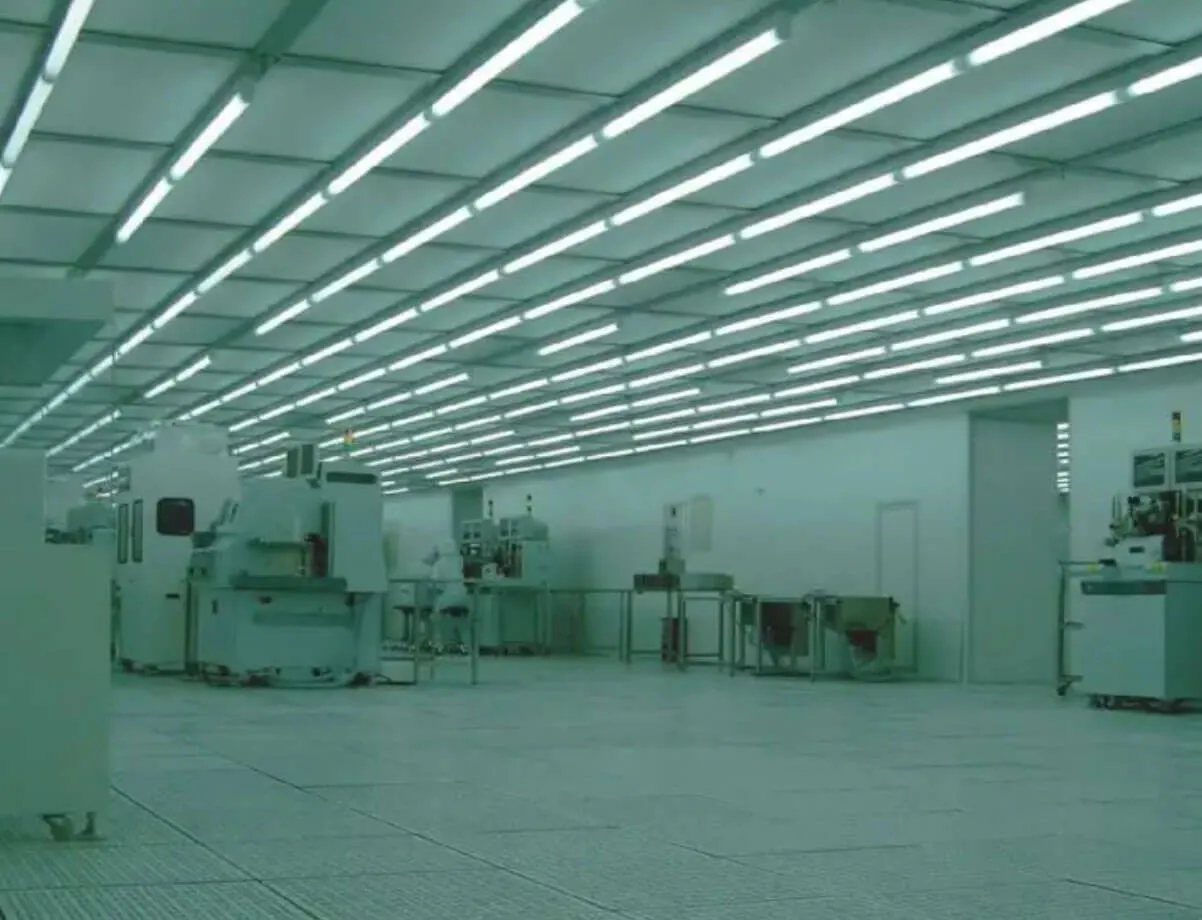
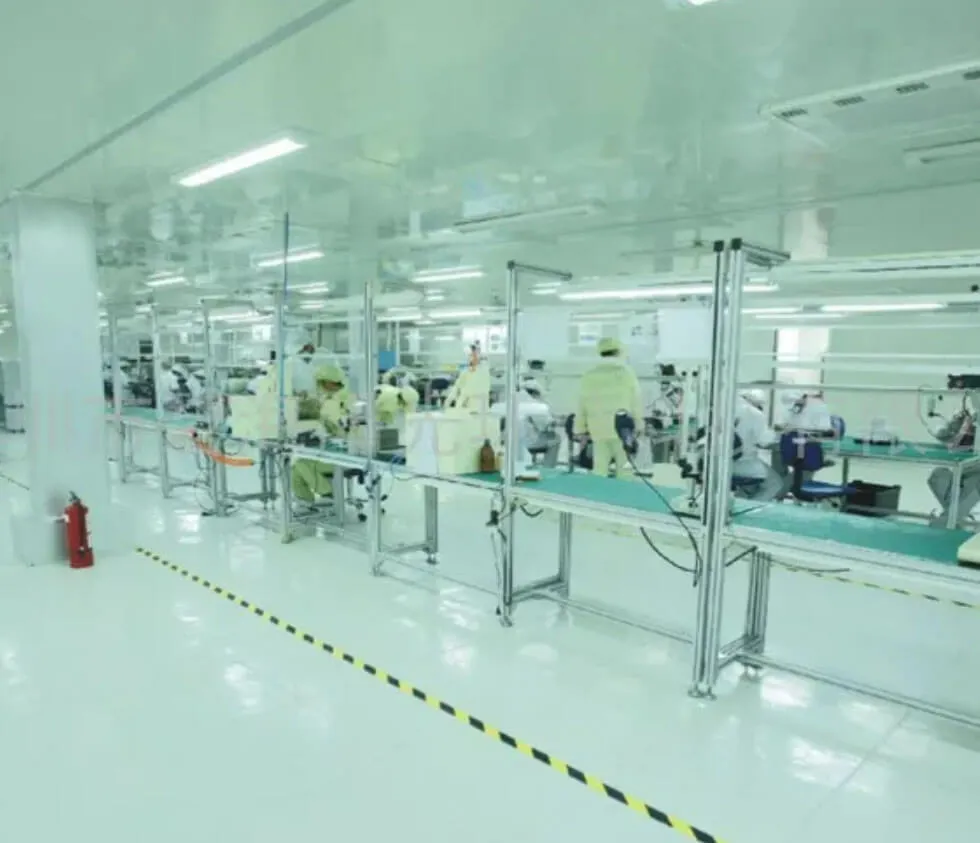
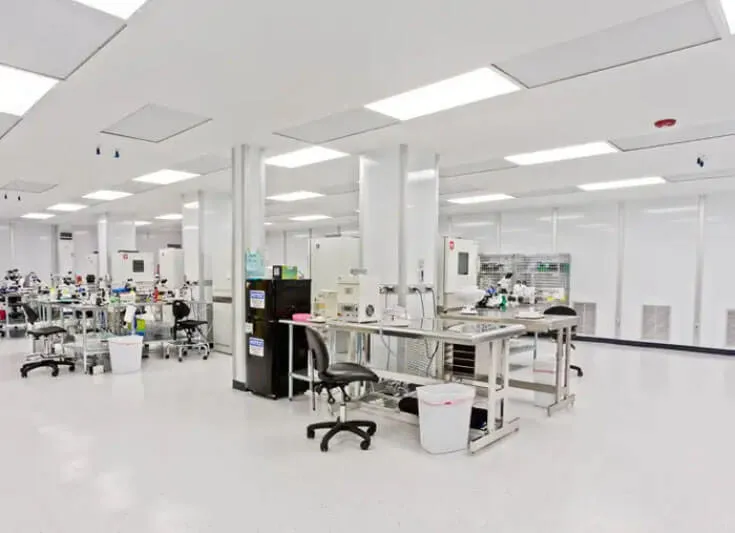
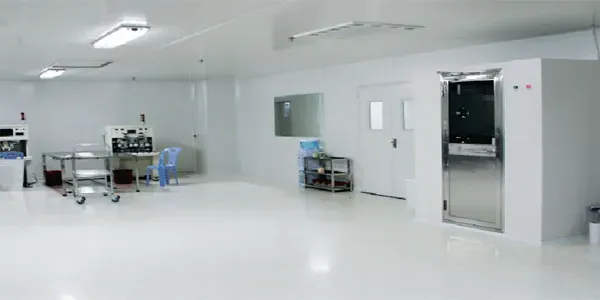
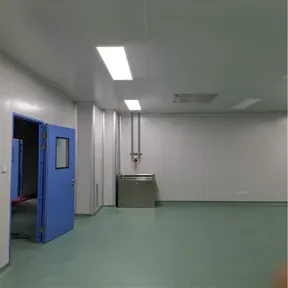
Deiiang™ modular cleanrooms fully comply with ISO 14644 standards, covering cleanliness levels from ISO 5 to 8. They are widely used in electronics, optics, food, pharmaceuticals, semiconductors, and related fields.

Utilizing a splicing and screw-fixed assembly method, the entire system significantly reduces installation costs and greatly accelerates construction speed. Furthermore, the structure supports easy disassembly, reassembly, and relocation, and is reusable, avoiding unnecessary waste.

/uploads/allimg/20260709/1-260F9111G5592.webp

Need a Modular Cleanroom overall Solution?

Our professional team provides one-stop, customized modular cleanroom solutions to meet your specific needs.

Modular Cleanroom Product Collection

High cleanliness, intelligent control, modular assembly, customizable, and fast logistics.
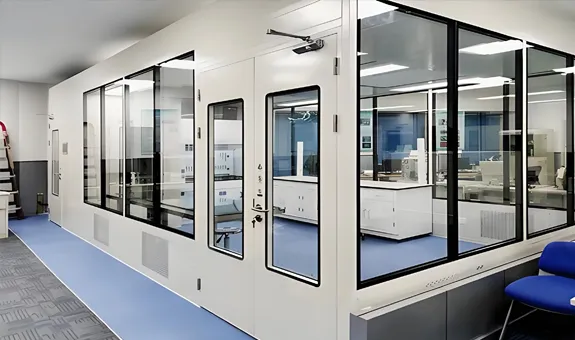
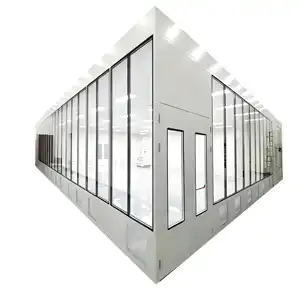
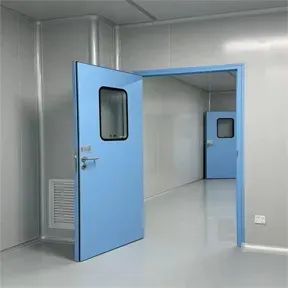
Unlike soft-wall cleanrooms that use flexible walls, hard-wall cleanrooms are built with rigid materials such as PC boards, acrylic boards, glass, or metal to provide a more durable and stable environment.
Check the details
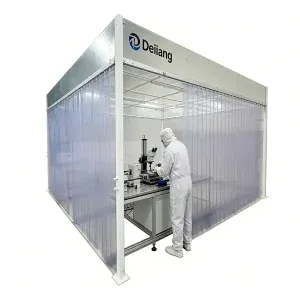
Deiiang provides professional modular softwall cleanrooms certified to ISO 5-8 standards. Featuring H14 HEPA filtration, anti-static PVC curtains, and rapid 2-day installation. Trusted by BMW, CATL, and ABB for precision electronics & pharma R&D. Download our ISO 14644 compliance guides and get a custom DFM quote today!
Check the details
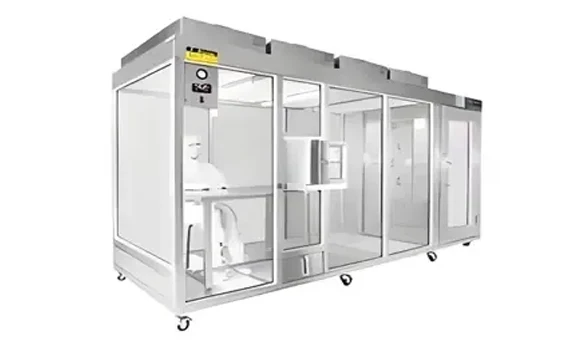
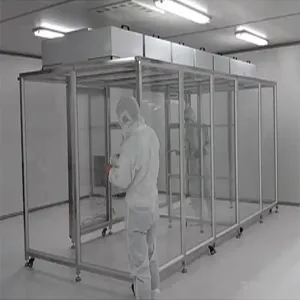
Deiiang Clean Booth rigid wall cleanrooms feature a modular design, easy assembly, and reusability. Experienced cleanroom engineers provide guidance to help you design and implement compliant, high-performance cleanroom environments.
Check the details
what is a iso class 5 cleanroom?An ISO Class 5 Clean Room is a highly controlled environment designed to maintain extremely low levels of airborne particles. This classification is part of the ISO 14644-1 standard, which defines cleanrooms based on the concentration of airborne particles per unit of air.
Check the details
what is a iso class 6 clean room?An ISO Class 5 Clean Room is a type of controlled environment that ensures extremely low levels of airborne particles. The cleanroom classification is defined by the ISO 14644-1 standard, which categorizes cleanrooms based on the number of particles (0.5 microns or larger) allowed per cubic meter of air.
Check the details
what is a iso class 7 clean room,An ISO Class 7 Clean Room is a controlled environment with specific air cleanliness requirements, commonly used in industries such as pharmaceuticals, biotechnology, semiconductors, and electronics. The classification is defined by the ISO 14644-1 standard, which specifies the number of airborne particles permitted in a given volume of air.
Check the details
what is an ISO Class 8 Clean room,An ISO Class 8 Clean Room is a controlled environment that is designed to meet specific cleanliness standards, defined by the ISO 14644-1 standard, which classifies cleanrooms based on the concentration of airborne particles. such as pharmaceutical production, electronics assembly, and certain biotechnology or medical device manufacturing.
Check the details
what is a Class 100 Clean room? A Class 100 Clean Room is a term commonly used in the United States to describe an environment that meets the ISO Class 5 standard under the ISO 14644-1 classification. This means that the room allows no more than 100 particles (0.5 microns or larger) per cubic foot of air.
Check the details
what is a Class 1000 Clean room?A Class 1000 Clean Room is a controlled environment that falls under the ISO 14644-1 standard and is typically referred to as ISO Class 6 in the international classification system. The term "Class 1000" is commonly used in the U.S. cleanroom industry, while the ISO standard refers to it as Class 6.
Check the details
what is a A Class 10000 Clean Room? refers to a cleanroom environment that meets the ISO 14644-1 standard and is typically equivalent to ISO Class 7 in the international classification system. The term "Class 10000" is commonly used in the U.S., while the ISO standard uses Class 7 for the same level of cleanliness.
Check the details
what is A Class 100000 Clean Room?corresponds to ISO Class 8 under the ISO 14644-1 standard. This type of cleanroom is designed for environments where cleanliness is important, but the contamination levels allowed are higher than in more stringent classes (such as Class 100, Class 1000, or Class 10000).
Check the details

Product Feature

Deiiang is a professional manufacturer of modular cleanrooms with significant product advantages.

Modular, Scalable Design

These modular cleanroom units allow you to expand or rearrange the space at any time to meet changing production needs. You are no longer bound by fixed cleanrooms, avoiding long construction periods and waste of initial investment.

Fast Deployment & Minimal Downtime

All wall panels come pre-made, plus plug-and-play utility setups. Installation is completed much faster than traditional builds, so your production lines won’t sit idle and you can launch products sooner.

High-Efficiency Contamination Control

Finely regulated airflow, HEPA/ULPA filters, and fully sealed joints ensure that the cleanliness level consistently meets relevant ISO classes, reducing contamination risks in critical processes.

Energy-Saving Operation

Double-layer glass magnesium oxide rock wool sandwich panels, intelligent fan speed control, and an optimized HVAC layout significantly reduce energy consumption. Operating costs are far lower than a standard permanent cleanroom.

Flexible Compliance & Validation Support

Every modular cleanroom design and its documentation is aligned with GMP, ISO, and FDA requirements. On-site qualification, third-party testing, and audit checks become far less troublesome and more predictable.

Easy Equipment Replacement & Layout Adjustment

Every material and equipment component is secured using screws and accessories. When replacing HEPA filters, there is no need to dismantle the cleanroom ceiling—simply push the FFU upwards and remove the HEPA filter directly.

Customized Layout Design

Our modular cleanrooms are designed around your specific industry and production process. Layout and materials are customized according to the required cleanliness level, ensuring your key process needs are solved in one integrated solution.

Overall Cost Advantage

Our modular cleanroom solutions ensure core cleanliness parameters meet standards, while delivering strong cost control. With our own production facilities and a complete supply chain, we provide a more competitive total cost than traditional cleanroom builds.

ABOUT

Learn More About Deiiang Cleanrooms

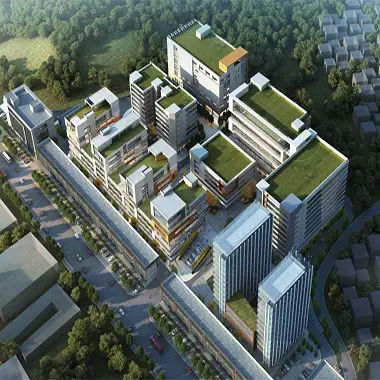
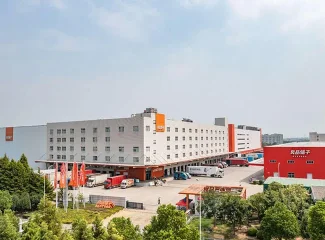
Aerial view of Deiiang Company
2wNdqiYX8Og Cleanbooth installation video

Cleanbooth installation video

AdXvm-M2f-Y Modular cleanroom installation video

Modular cleanroom installation video

b07aIOjRktw Softwall cleanroom installation video

Softwall cleanroom installation video

vNFCj8Z9CPQ Modular Cleanroom panels

Modular Cleanroom panels

XT0qy1ZSptk ISO 6 Modular Cleanroom

ISO 6 Modular Cleanroom

nTe5dGLGU8E ISO 14644 standards

ISO 14644 standards

Ventilation Times (ACH)

ISO ClassACH (Air Changes Per Hour)
ISO 3360 - 540
ISO 4300 - 540
ISO 5240 - 480
ISO 650 - 60
ISO 730 - 40
ISO 815 - 25

Comparison Table: GMP / ISO / FED

GradeChina GMP / Europe GMPISO 14644-1FED STD 209E
StaticDynamic
≥0.5μm≥5μm≥0.5μm≥5μmStaticDynamicStaticDynamic
A3,520203,52020ISO 5ISO 5100100
B3,52029352,0002,900ISO 5ISO 710010,000
C352,0002,9003,520,00029,000ISO 7ISO 810,000100,000
D3,520,00029,000-ISO 8-100,000-

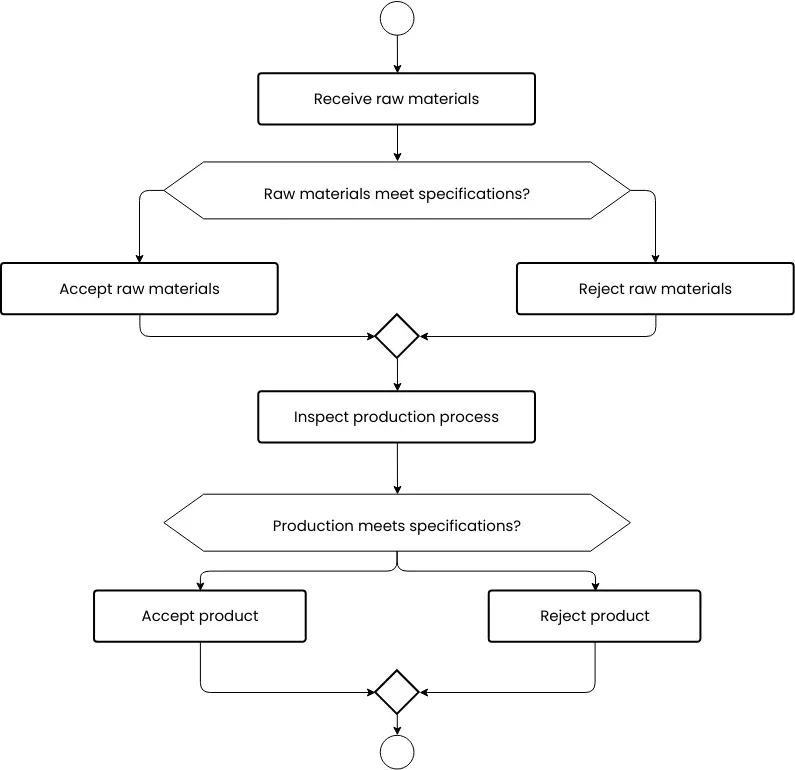
Deiiang Cleanrooms Quality Control Flowchart

traffic-cone-quality-control-flowchart.webp

Response within 24 hours

Technical Resources

Total 0 resources

Cleanroom FFU Quantity Calculator

m
ISO 7
ach/h
Reference range: 15 – 25 ach/h  Default: 20 ach/h
Design Margin 15%
0%10%20%30%
Recommended FFU Qty (with margin)
-- units
Fill in parameters to calculate
Theoretical FFU Qty
-- units
Required Total Airflow
-- m³/h
Room Volume --
Air Change Rate --
Required Airflow --
Single FFU Airflow 1,000 m³/h
Theoretical Qty (rounded up) --
Recommended Qty (with margin) --
💡

The results are theoretical calculations based on the air change rate method. In actual engineering, factors such as FFU coverage, airflow uniformity, and filter resistance degradation must be considered. Please consult a professional cleanroom engineer for detailed design.
ISO Class vs. FED STD 209E Equivalent

ISO ClassMaximum Particles/m³FED STD 209E
Equivalent
≥0.1μm≥0.2μm≥0.3μm≥0.5μm≥1μm≥5μm
ISO 1102
ISO 210024104
ISO 31,000237102358Class 1
ISO 410,0002,3701,02035283Class 10
ISO 5100,00023,70010,2003,52083229Class 100
ISO 61,000,000237,000102,00035,2008,320293Class 1,000
ISO 7352,00083,2002,930Class 10,000
ISO 83,520,000832,00029,300Class 100,000
ISO 935,200,0008,320,000293,000Room Air

Industry Applications

Pharmaceutical Cleanroom Solutions

Deiiang modular cleanrooms for Pharmaceutical / Health Care. Fast installation, easily extendable and robust contamination protection for aseptic filling, weighing and packaging in accordance with GMP.

Send inquiry Now

Medical Device Cleanroom Lines

For the production of implants, catheters and disposables Deiiang offers modular cleanrooms for repeated ISO-class conditions. A clean assembly area and variable design of the cleanroom enable an optimal room concept which can be readjusted quickly in case of changes in the product mix.

Send inquiry Now

Cosmetics & Personal Care Cleanrooms

Deiiang modular cleanrooms help to combat the production of dust and the transfer of microbes and cross contamination in the production of creams and makeup for the Cosmetics & Personal Care industry. By supporting stable quality, clean filling lines and audit readiness our modular cleanrooms are the ideal solution for your needs.

Send inquiry Now

Laboratory & R&D Clean Environments

Deiiang can provide the most cost effective modular cleanroom solutions for ultra‑fine particle control for wafer, IC chip and electronics assembly and other production processes. Deiiang provides easy to use modular cleanroom, scalable bays, fast and easy maintenance, and can design clean air flow to support specific processes, such as lithography, wire bonding, etc.

Send inquiry Now
Semiconductor ESD Clean Booths

Semiconductor & Electronics Cleanrooms

Deiiang ESD‑safe clean booths with HEPA FFUs, grounded frames and pass boxes add local ISO control for lithography, inspection and packaging inside existing fabs and workshops.

Send inquiry Now
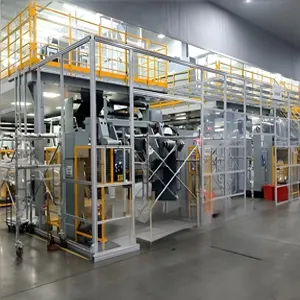
Lithium battery coating machine cleanbooth

New Energy Battery Cleanroom Zones

For coating, stacking and packing of lithium batteries, Deiiang’s modular cleanrooms for production of new energy battery parts provide the required level of moisture and particle control. They also help minimize safety risks. They allow rapid scale up of capacity as needed.

Send inquiry Now

How to Work With Us

Requirements Consultation

Submit Requirements

Provide your site dimensions, required ISO class, and industry-specific needs (GMP, ESD, etc.) to our experts.

Technical Proposal

Custom Technical Proposal

Receive a detailed design proposal within 24 hours, including airflow strategies, material lists, and transparent pricing.

Precision Manufacturing

Modular Production

We manufacture your modular panels, HVAC units, and FFUs with strict QC to ensure full compliance with ISO 14644 standards.

Installation & Validation

Global Shipping & Setup

Fast global logistics followed by onsite installation guidance and performance validation to get you operational quickly.

Comparison of modular cleanrooms and traditional cleanrooms

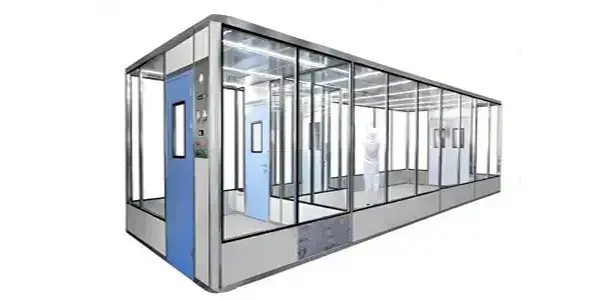
Deiiang modular hardwall cleanroom.webp
Modular cleanrooms
VS

Traditional cleanrooms

Traditional cleanrooms

Modular cleanrooms work almost like plug-and-play clean areas for production. His panel structure is designed for easy installation. The interlocking slots and aluminum profile "中"-shaped connectors fit together perfectly, eliminating the need for screws. It's like assembling building blocks—installation and disassembly are incredibly convenient. If the room needs alteration or expansion, it can be directly assembled.
Traditional cleanrooms are disposable, with installations that are fixed in place and cannot be disassembled at all; installation is also not a simple process.Though sturdy and reliable, they need far more time to design, build and validate. If modifications are needed later, such as changes to wall panels or ceilings, even partial alterations may require the removal and rebuilding of many other areas.Overall, modular cleanrooms bring unmatched speed, scalability and compliance for today’s fast-evolving manufacturing scenarios.

Customer feedback reflects our value—take a look at what our customers say about our products and services.

Deiiang Modular Cleanroom installed in our new packaging area reached an ISO Class 7 rating on the first day of use.

Mark Thompson, Operations Manager, USA

We have opted for the Deiiang Modular Cleanroom for our SMT assembly line. The panels fit together very well and the FFUs are very quiet. The Modular Cleanroom design will also allow future expansion with additional bays for the cleanroom.

Yuki Tanaka, Production Engineer, Japan

Deiiang Modular Cleanrooms were installed at our location for our weighing and dispensing application. The Cleanroom construction with clean seams was easy to wipe down. The stable pressure throughout the Cleanrooms ensured the proper particle count was achieved and met specification.

Marco Bianchi, Validation Specialist, Italy

We have completed the coating area upgrade with Deiiang Modular Cleanrooms. The installation went very quickly and the low leakage of dust to outside areas of the cleanrooms has been noticed by the operators.

Anna Kowalska, Process Supervisor, Poland

The negative-pressure Deiiang Modular Cleanrooms for the potent powders are holding up well for containment and DP throughout the day.

Omar Khalid, EHS Supervisor, UAE

In the Equipment Assembly Area, two Deiiang Modular Cleanrooms were installed. These structures are robust, extremely clean and integrated with the existing conveyor belts. The remote support provided by Deiiang has also been excellent.

Emma Wright, Operations Director, UK

Deiiang hard-walled cleanrooms were the chosen solution for our renovation project instead of having to rebuild the whole cleanroom. Cleanroom structure is solid, easy to clean surfaces on the panels and meets ISO Class 7 target.

Carlos Ramirez, Cleanroom Contractor, Mexico

We recently ordered a small Sampling Cleanroom from Deiiang for our lab. The whole process from placing the order to receiving it at our door step was very efficient. Assembling the Cleanroom was an easy task, as Deiiang had provided a series of installation videos, and we also received remote video guidance from Deiiang's international support team.

Marie Dubois, Laboratory Manager, France
Frequently Asked Questions (FAQ)
Why choose Deiiang's modular cleanroom?

When it comes to controlling environments, a major decision for your business is selecting the right cleanroom. Deiiang Cleanroom Technology provides more than a cleanroom. We provide a solution developed and engineered for your specific industry. Deiiang’s specialists cater to the needs of professionals across the globe for the following reasons:

1. Tailored Material Expertise

Different industries require different strategies for controlling levels of contamination. Because of this, we offer different types of structural options, designed for various applications.

  • Hardwall Modular Cleanrooms are constructed with aluminum profiles and high clarity acrylic panels. These cleanrooms are designed for long-term use and are very rigid.

  • Softwall Modular Cleanrooms are constructed with aluminum profiles and are used with anti-static PVC curtains. These cleanrooms are designed for flexible spot-cleaning or for enclosing machinery.

  • Sandwich Panel Cleanrooms are constructed with premium glass-magnesium rock wool panels. These are designed to provide superior fire resistant and thermal insulation.

2. Engineering Authority & Design

Our professional design team supports your project. We don’t just sell products. We develop workflows. Our team analyzes the space and your requirements to create the most ideal design with an optimal layout. This design allows you to meet the required ISO design specifications without a lot of the guess work.

3. Unbeatable Value & Cost-Efficiency

We provide industry leading value and cost-efficiency for our top-of-the-line products. High standards should not come at a high price.

4. Global Reach with Speed

Time is money in manufacturing. To that end, streamlined supply chain networks are essential when we apply our fast-shipping solutions to services that have a global reach.

5. Simplified User Experience (Plug-and-Play)

Complexity should never be a barrier to your objectives. Our philosophy of "Simple Installation" means using prefabricated modular assemblies that require minimal tools for a quick setup. With Deiiang, your team can maintain its emphasis on productivity and core functions of your business value chain.

Modular and practical design integrates technical know-how and cost optimization for which we are known.

What is our service process?

Our Professional Process from Design to Delivery

Our service flow from the analysis of your requirements to design, production, shipping, installation and user support: Professional Design Team; Efficient Global Shipping; Modular Construction

1. Professional Design Team

Your site plan and process flow will help our design team lay out your plans within reasonable work zone allocations and help promote optimal airflow through the cleanroom.

2. Efficient Global Shipping

We have streamlined our logistics system by using express shipping services from major global ports using our efficient packing techniques. We optimize packing to minimize the freight cost.

Compared to traditional construction, modular construction is significantly faster, offers greater control over the quality and cost of a project, and has fewer unexpected interruptions. This is partially due to construction occurring in a controlled factory environment as opposed to open-air construction. Efficient use of construction materials is maximized since modules are prefabricated. Weather delays become minimized, construction standards are more uniform, and construction is less disruptive.

Modular construction can be far more flexible and scalable than construction methods that employ traditional building methods. Buildings can be reconfigured and transported with far less construction disruption making modular construction an ideal building solution for projects that prioritize construction speed, flexibility, and long-term cost savings.

How to build a Deiiang™ modular cleanroom?

Construction of Deiiang’s cleanrooms is worry free. Packaged modules are prefabricated and profiled in the factory. On site assembly is simply a matter of bolt connections and electrical systems interface. With Deiiang cleanrooms, there is no need to hire an expensive cleanroom construction build team, even the most complex assemblies can be done by skilled workers in a very short time, minimizing hidden construction costs.

If you run into difficulty during construction, we can provide step by step video instructions via WhatsApp. For larger projects with extensive equipment and greater complexity, we can arrange to have a technical staff member provide on site assistance after obtaining a business visa.

What is a modular clean room and how do they work?

A modular clean room offers a complex engineering solution to create a precise environment for controlling contamination and providing desired levels of cleanliness. This is done through the integration of engineering, air movement, and awareness of operational procedures.

Air Filters

A modular clean room is defined by its air filter system. A systems built modular clean room will use HEPA filters for removing particulate from the air, while a modular clean room that uses ULPA filters will recognize that the air has been filtered to an even lower level of penetration to meet challenging needs. Either way, air is circulated within the room to provide a continuously maintained sterile environment.

Controlled Positive Pressure

Because of the nature of a modular clean room, positive pressure is almost always preferred and is easy to control. This is due to the fact that external pollutants will never be able to enter the clean room because the pressure is greater on the outside of the room than it is on the inside of the room. It is simple to control the airflow so as to maintain the desired pressure differential.

HVAC

Clean rooms maintain various temperatures and humidity levels depending on the process and the product requirements. Modular clean rooms incorporate HVAC systems maintaining the desired conditions for the protection of the processes and products of the highest value.

What advantages does a modular clean room offer?

Ease of Configuring and Customizing

The greatest advantage offered by a modular clean room is ease of configuring and customizing. The high degree of flexibility allows for expansion and contraction in response to changes in the need for production as well as technology. They serve multiple functions within multiple environments.

Quick Installation and Cost-Effectiveness

Ventura’s modular clean rooms are designed for rapid installation, reducing construction time when compared to traditional clean rooms. Swift installation also minimizes the time lost during a business’s operation, allowing a business to quickly adapt to the constantly changing market.

Cost-Effectiveness

Constructing modular clean rooms usually costs less than traditional construction methods. Lower construction time, less labor, and the option to relocate or expand the facility result in better returns on investment for the business.

Cost Factors for Clean Rooms

The typical cost for clean rooms ranging from $100 to $200 per square foot, will vary depending on the classification of the ISO. Increasing ISO class from 8 to 7 will increase the HVAC load by 30% (or more).

What industries benefit from modular clean rooms?

1) Pharmaceuticals

The pharmaceutical industry requires clean rooms for the manufacturing of sterile products which include injectable drugs, vaccines, and biologics.

2) Biotechnology

Biotechnology industries use clean rooms for production of biologics and gene therapies and cell cultures during both the research and development processes.

3) Semiconductors

Manufacturing of microelectronic devices and integrated circuits requires clean rooms.

4) Medical Devices

Design and manufacture of medical devices such as implants, diagnostics, and surgical equipment also require clean rooms.

5) Aerospace

Clean rooms are used in the aerospace industry for manufacturing, assembly, and testing of sensitive equipment, including avionics and propulsion systems.

6) Research Laboratories

Modular clean rooms are used in academic and industrial research laboratories for experimental work involving control of the environment in fields like materials science, microbiology, and nanotechnology.

7) Optics

Precision and Performance, Optics require clean rooms in their manufacture of lenses, mirrors, and other components.

How do you design modular clean rooms?

1. Frame Structure Design

Modular clean rooms are designed using interlocking panels of aluminum or stainless steel. The frame of the clean room must allow easy panel removal for maintenance along with sealing for airflow. The frame must be robust enough to house doors and windows and flexible enough to house flexible fresh air units (FFUs).

2. Purification System Design

The purification system consists of FFUs equipped with HEPA/ULPA filters as part of the system to filter and maintain clean and constant flow of air and designed to maintain unidirectional flow (laminar flow) for particle containment. Air handling units (AHUs) supply conditioned air, and positive pressure is maintained to prevent contamination. The air exchanges per hour (ACH) are designed based on the class of the cleanroom.

3. Cleanliness, Temperature, and Humidity Control

Control of cleanliness is achieved using HEPA/ULPA filters, and cleanroom air conditioning systems to control temperature and humidity and maintain the conditions required for production or research within the clean room.

Precision HVAC Solutions for Modular Cleanrooms

We use Direct Expansion (DX) AHUs for precise humidity control, and EC Fan Filter Units (FFUs) to reduce energy consumption by 40%.

What are modular clean room panels?

Clean room construction requires use of modular clean room panels. These panels serve as walls. They can be made from a variety of materials including aluminum, stainless steel, or even composites. The panels are also easy to work with. They will not retain contaminants, are easily cleaned, and will not deteriorate. The panels can be easily reconfigured to create a required size and shape of the clean room.

There are positive pressure seals to maintain a clean room atmosphere. Panels can be made with windows, doors, and even custom air filtration systems. They can also be finished to meet specific classifications of clean rooms (ISO 5, ISO 7, etc.) Modular clean room panels represent a cost effective, efficient way to provide a controlled atmosphere for industries where environmental control is a premium concern (e.g. pharmaceuticals, biotechnology, and electronics manufacturing).

How do you monitor the environment in a modular clean room?

A real time data monitoring system ensures compliance with all cleanroom standards. These systems also monitor efficiency of HEPA/ULPA filters, ACH, and direction of airflow.

Contemporary monitoring systems may utilize physical sensors along with automated alarms to record data. Data is critical to maintaining regulatory compliance and product quality. Systems that can remotely monitor and automatically control the environment offer superior efficiency and enable operators to adjust systems quickly to control and maintain environmental conditions.

What are the classifications of clean areas in modular clean rooms?

According to ISO 14644-1, cleanroom classifications are defined by the maximum concentration of particles allowed in a given room. Classes range from ISO 1 to ISO 9, with ISO 1 being the most stringent and ISO 9 being the least. Each class permits a given number of particles for a given size (usually 0.5 microns) of particle per cubic meter. ISO stands for International Organization for Standardization. The higher the ISO class, the greater the concentration of particles permitted. For example, an ISO 7 cleanroom allows greater concentration of particles than an ISO 5 cleanroom, making the latter ideal for use in more contamination sensitive applications.

What are 5 important features of modular cleanrooms?

Hard wall, soft wall and sandwich panel modular cleanrooms.

  • Flexibility and customization: modular cleanrooms have a large amount of flexibility due to their modular construction. Each cleanroom is composed of many segments that can be reconfigured, resized, added to, or reduced to meet various demands.

  • Portability: Due to their standardized design and construction, modular clean rooms take very little time to compile since the segments are prefabricated.

  • Filtration: modular cleanrooms have very effective air filtration systems that are composed of ULPA or HEPA filters to meet given cleanliness standards.

  • Easy maintenance and upkeep: With smooth, non-porous surfaces (such as stainless steel or aluminum alloy) making cleaning an easy process, and easy access to air filters and lighting components, there is little hassle to the upkeep of modular clean rooms.

  • Design according to specifications and standards: Having cross-industry design flexibility, modular clean rooms can be designed to achieve certification according to cleanliness levels in line with international design standards such as ISO 14644 and are employed in the electronics, semiconductor, and pharmaceutical industries.

These features give modular clean rooms a great deal of flexibility in a variety of situations.

Modular cleanrooms Group control system

The distributed control system is used in large clean rooms to easily implement unified and decentralized control. This control system can adjust the FFU fans to the required speed and control the starting and stopping of the fans. The control system uses partition control technology to solve the problem of limited 485 drives, and can control thousands of fans at one time.

The system is a highly automated product for purification plants containing thousands of levels of filtering equipment.

The purification plant’s FFU group control system exhibits the following features:

  • It can easily control start and stop functions of multiple groups of FFUs and control of FFUs within groups;

  • It can control the current of each FFU and determine if the current FFU is in a no-load or overload condition;

  • It can set the number of FFUs in a defined region (a region can have up to a maximum of 60 control units);

  • It can determine the status of a single FFU located in the clean room;

  • Over current protection function: over current condition results in an alarm being sent.

  • When the computer is in a standby state, the FFU host can control the operation of the system.

How to choose Cleanrooms?

Before purchasing a modular cleanroom, you must clarify:
1.Determine the purpose of the modular cleanroom (e.g., production, R&D, or other applications).
2.Determine specifications such as the installation location, floor area, and ceiling height based on your requirements.
3.Determine the ISO classification, temperature, humidity, and pressure requirements based on the intended use and relevant industry standards (such as ISO 14644 and GMP) as well as local government regulations.
4.Select a suitable supplier — specifically, a professional provider of modular cleanroom solutions.
5.Arrange for the assembly and testing of the cleanroom.
Reference: ISO 14644 · GMP                    Modular Cleanroom · Turnkey Solutions

Home

PHONE

Email

Inquiry