+86 13638632902
 Jason@cleanroomequips.com


 MENU
MENUISO 5 Cleanrooms
The ISO 14644-1 standard defines particle count requirements for cleanrooms based on their classification. An ISO Class 5 cleanroom is among the most stringent classifications, allowing a very limited number of particles to remain in the air.
Maximum Particle Counts:
≤ 3,520 particles/m³ for 0.5 µm and larger
≤ 29 particles/m³ for 5.0 µm and larger
Air Changes per Hour (ACH): 240-480 ACH
Airflow Type: Unidirectional (laminar) airflow
Filtration: HEPA or ULPA filters with ≥99.97% efficiency for 0.3 µm particles
Pressure: Positive pressure relative to surrounding areas
Temperature and Humidity: Typically 18°C-22°C and 40%-60% relative humidity (may vary depending on the application)
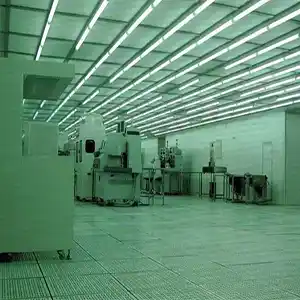
ISO Class vs. FED STD 209E Equivalent
| ISO Class | Maximum Particles/m³ | FED STD 209E Equivalent | |||||
|---|---|---|---|---|---|---|---|
| ≥0.1μm | ≥0.2μm | ≥0.3μm | ≥0.5μm | ≥1μm | ≥5μm | ||
| ISO 1 | 10 | 2 | |||||
| ISO 2 | 100 | 24 | 10 | 4 | |||
| ISO 3 | 1,000 | 237 | 102 | 35 | 8 | Class 1 | |
| ISO 4 | 10,000 | 2,370 | 1,020 | 352 | 83 | Class 10 | |
| ISO 5 | 100,000 | 23,700 | 10,200 | 3,520 | 832 | 29 | Class 100 |
| ISO 6 | 1,000,000 | 237,000 | 102,000 | 35,200 | 8,320 | 293 | Class 1,000 |
| ISO 7 | 352,000 | 83,200 | 2,930 | Class 10,000 | |||
| ISO 8 | 3,520,000 | 832,000 | 29,300 | Class 100,000 | |||
| ISO 9 | 35,200,000 | 8,320,000 | 293,000 | Room Air | |||
Comparison Table: GMP / ISO / FED
| Grade | China GMP / Europe GMP | ISO 14644-1 | FED STD 209E | |||||
|---|---|---|---|---|---|---|---|---|
| Static | Dynamic | |||||||
| ≥0.5μm | ≥5μm | ≥0.5μm | ≥5μm | Static | Dynamic | Static | Dynamic | |
| A | 3,520 | 20 | 3,520 | 20 | ISO 5 | ISO 5 | 100 | 100 |
| B | 3,520 | 29 | 352,000 | 2,900 | ISO 5 | ISO 7 | 100 | 10,000 |
| C | 352,000 | 2,900 | 3,520,000 | 29,000 | ISO 7 | ISO 8 | 10,000 | 100,000 |
| D | 3,520,000 | 29,000 | - | ISO 8 | - | 100,000 | - | |
Ventilation Times (ACH)
| ISO Class | ACH (Air Changes Per Hour) |
|---|---|
| ISO 3 | 360 - 540 |
| ISO 4 | 300 - 540 |
| ISO 5 | 240 - 480 |
| ISO 6 | 50 - 60 |
| ISO 7 | 30 - 40 |
| ISO 8 | 15 - 25 |
ISO Class 5 Clean Room Airflow
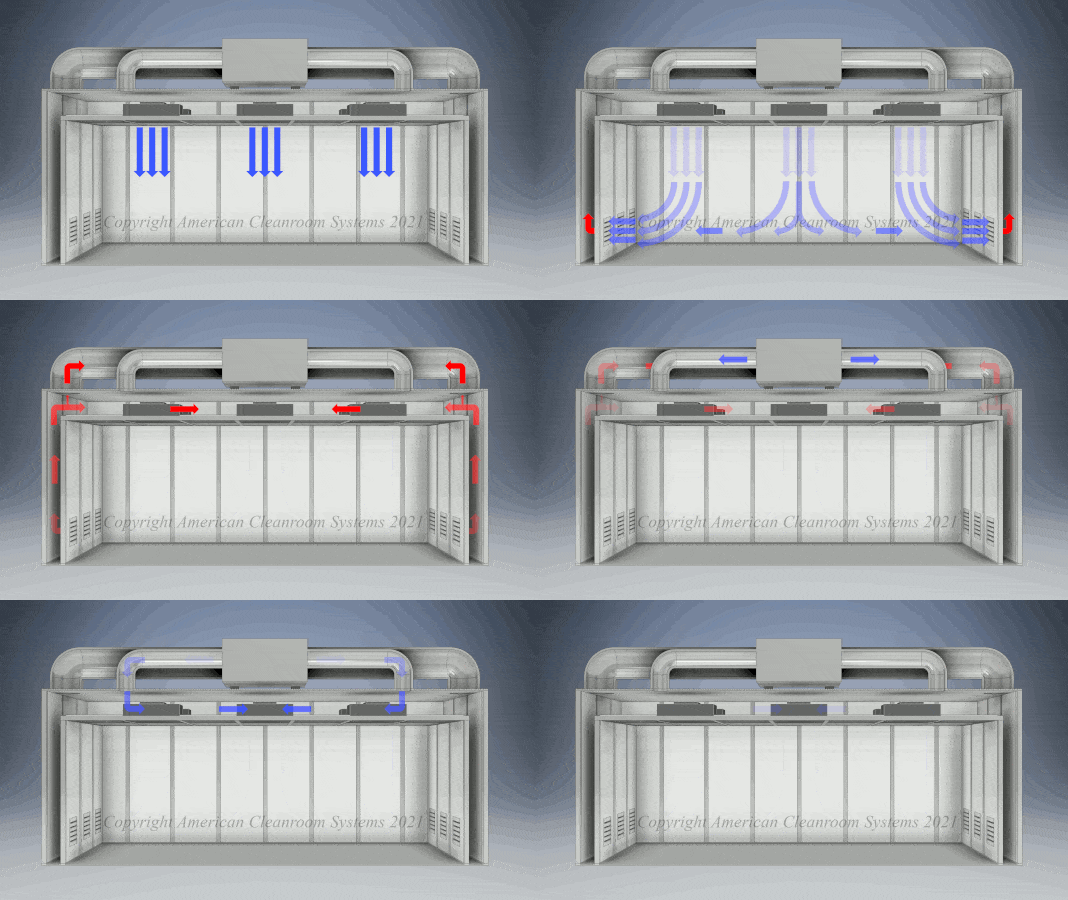
ISO Class 5 cleanrooms typically require 240 to 480 air changes per hour.

Air Velocity:
FFU vertical unidirectional (laminar) airflow.
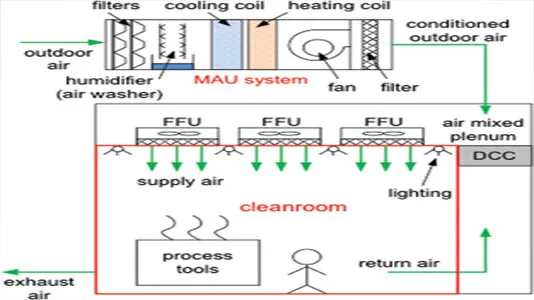
Temperature and Humidity Control:
Typical ranges are 20-24°C for temperature and 30-60% for relative humidity.
Clean Room Wall
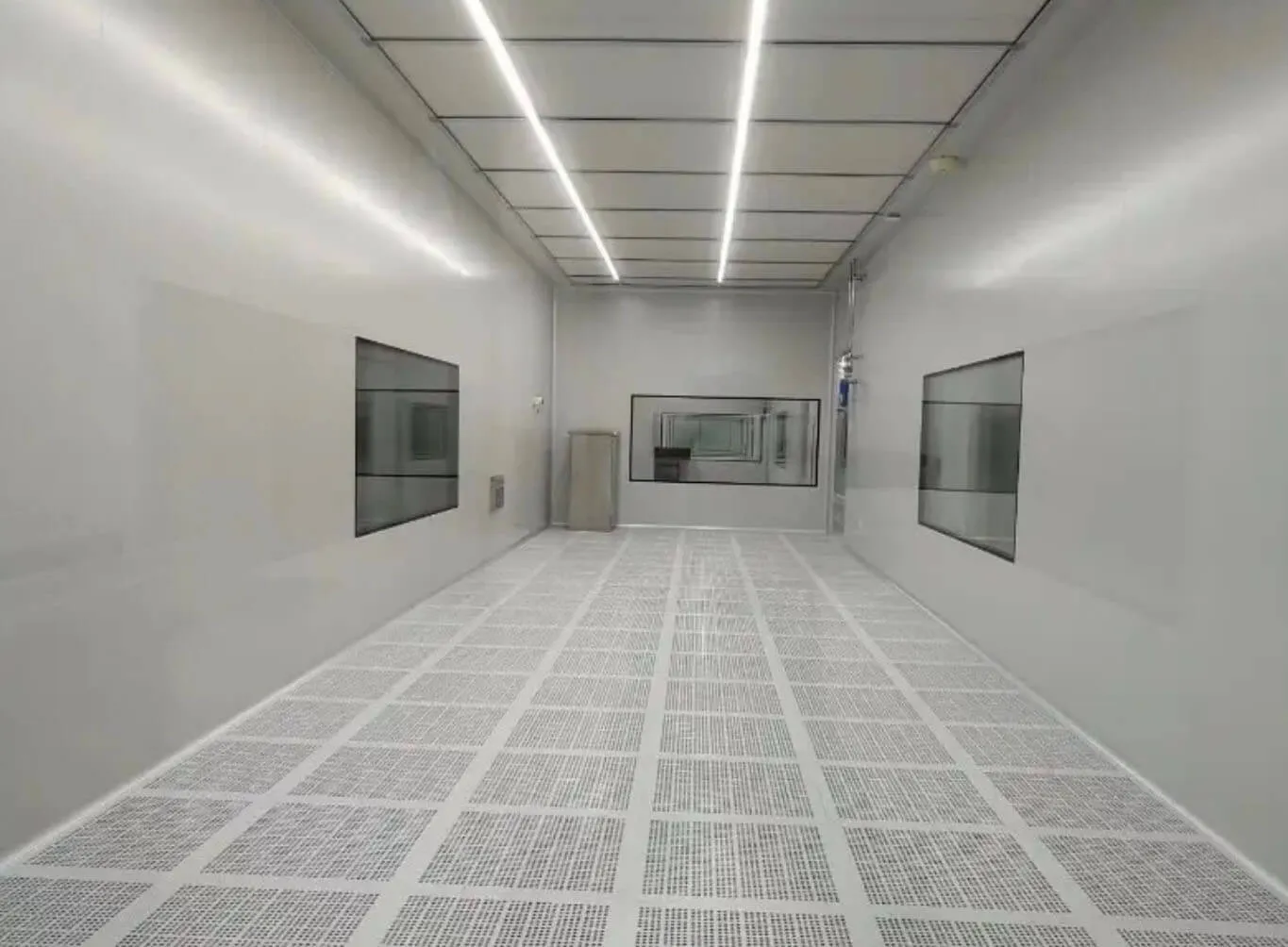
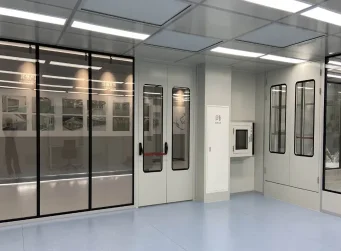
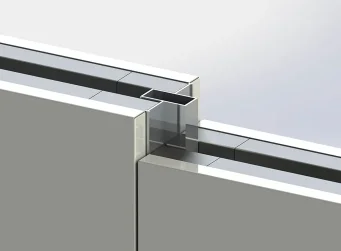
◇ Size and appearance: Ensure that the size and shape meet requirements, no obvious defects.
◇ Physical properties: Compression, tension, impact resistance tests.
◇ Surface treatment: Smooth surface, uniform coating, no bubbles/peeling.
◇ Test report: Fire and corrosion resistance test.
ISO Class 5 Clean Room Ceiling
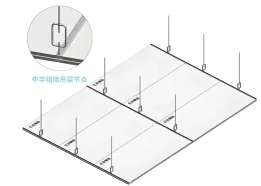
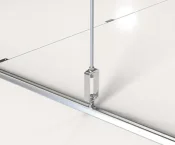
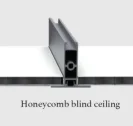
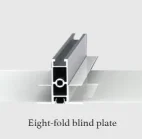
Specifications: Thickness 980, 1180
Panel material: 50mm, 75mm, 100mm
Core material: color-coated steel, stainless steel, rock wool, etc.
Application: food, medicine
Keel: 0.8 thick galvanized steel
Hanging beam: Patented heavy-duty system
Cost: Partial replacement possible
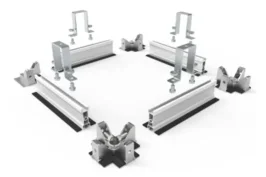
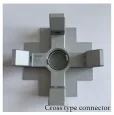
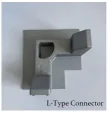
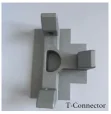
Easy installation: FFU keels designed for cleanrooms
Prefabrication: Modular design
Flexible matching: Double or single layer
System strength: Walkable keel
Fire fighting: Compatible with sprinklers/detectors
Lighting: Teardrop lighting compatible
ISO Class 5 Clean Room Floor

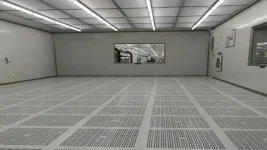
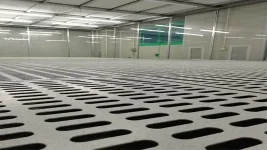
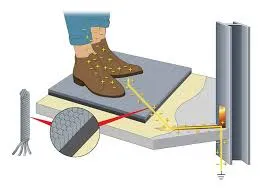
Antistatic: Prevent damage to electronics.
Maintainability: Easy under-floor access.
Flexibility: Adjustable height.
Breathability: Airflow management.
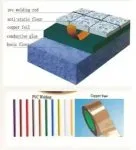

PVC Flooring: Flexibility & impact resistance.
Anti-slip: Safety for personnel.
Easy Install: Rolls or tiles.
Diversity: Various colors/textures.
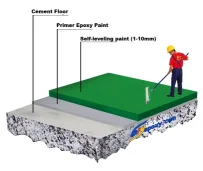


Seamless: No dust accumulation.
Chemical Resistance: Withstand cleaning agents.
Easy to Clean: Smooth surface.
FAQ
ISO Class 5 PEC denotes an Ultra-clean, controlled environment Primary Engineering Control (PEC) designed to accommodate critical processes requiring ISO Class 5 cleanliness levels. ISO Class 5 cleanliness is one of the highest classifications of cleanrooms and corresponds to 3,520 particles per cubic meter (particles ≥ 0.5 microns) as defined in ISO 14644-1. PEC is primarily found in pharmaceutical, biotechnology and medical device manufacturing where control of process contamination is essential.
The ISO 14644-1 standard defines an ISO Class 5 softwall cleanroom by specifying the maximum allowable concentration of airborne particles in a given volume of air. For an ISO Class 5 cleanroom, the maximum particle count for particles ≥ 0.5 microns is: 3,520 particles per cubic meter (or 100 particles per cubic foot).
These two clean room grade standards are the same in terms of the number of clean dust particles, but they are different standard series. ISO 5 is the internationally used clean room grade standard, and Class A is the clean room grade standard for the GMP pharmaceutical industry.
Filter coverage of an ISO Class 5 cleanroom indicates the extent that the cleanroom is covered by air filtration systems (HEPA or ULPA filters) to achieve the requisite cleanliness level. Air filtration systems in cleanrooms help in controlling the level of airborne particle contamination and help in achieving the requisite ISO Class 5 standard, which states that the number of particles ≥ 0.5 microns should be less than or equal to 3,520 particles per cubic meter (or 100 particles per cubic foot).
An ISO softwall 5 cleanroom is a tightly regulated environment defined by the ISO 14644-1 standard. They are designed to control extremely low levels of airborne particulate contamination. Cleanrooms classified as ISO Class 5 help prevent defects, failures, and safety concerns in industry where even minimal contamination can lead to safety concerns.
In the context of cleanrooms, ISO is the International Organization for Standardization (ISO). It is the organisation that establishes and publishes standards for various systems and processes globally. ISO 14644-1 is the standard that determines the classification of cleanrooms and controlled environments with respect to airborne particulate contamination.
Constructing an ISO Class 5 cleanroom is a process consisting of many steps aimed at achieving the ISO 14644-1 standard for Cleanroom Design and composition of the following: Airflow and Filtration System, Construction Materials, Air Handling and HVAC System, Personnel Flow and Gowning Procedures, Environmental Monitoring and Control, and Testing and Validation. Prior to use, a qualification and validation process is done to ensure the cleanroom conforms to the ISO Class 5 standard.
An ISO 5 cleanroom is essential for the following industries and processes:
Pharmaceutical manufacturing
Semiconductor and Electronics Manufacturing
Biotechnology and Cell Culture
Medical Device Manufacturing
Precision Engineering and Aerospace Manufacturing
Food and Beverage Processing (Special)
R&D Laboratories
Cleanroom classifications are described in ISO 14644-1 based on the maximum permitted number of airborne particles of a specific size, ranging from ISO Class 1 (the cleanest class with a maximum of 1 particle per cubic meter) to ISO Class 9 (the least clean class with a maximum of 35 million particles per cubic meter).
ISO Class 5 Cleanrooms and FED-STD 209E Class 100 describe environments with stringent requirements on particle contamination and are based on different standards. The standard ISO 14644-1 defines an ISO 5 cleanroom as having no more than 3,520 particles of 0.5 microns or larger per cubic meter. FED-STD-209E Class 100 (now replaced by ISO standards in 2001) specified a limit of 100 particles of 0.5 microns or larger per cubic foot (approximately 3,520 particles per cubic meter). In regard to particle count limits, ISO Class 5 and Class 100 are the same, but ISO 14644-1 has become the main standard, while FED-STD-209E was withdrawn.
ISO 8, ISO 7, ISO 6, and ISO 5 cleanrooms are classifications defined by ISO 14644-1 based on the allowable concentration of airborne particles of a specific size (≥0.5 microns).
ISO 8 is the least clean and allows up to 3.5 million particles of 0.5 microns or larger per cubic meter, and is used for less critical applications.
ISO 7 allows up to 352,000 particles of 0.5 microns or larger per cubic meter and is used for the manufacturing of some pharmaceuticals and medical devices.
ISO 6 allows up to 35,200 particles of 0.5 microns or larger per cubic meter and is used for the manufacturing of integrated circuits and other similar devices.
ISO 5 has the cleanest standard of the four, allowing for a particle count of 3,520 particles per cubic meter.
This standard is crucial for aseptic pharmaceutical production and microelectronics assembly where contamination can not be afforded at any level.