+86 13638632902
 Jason@cleanroomequips.com


 MENU
MENUClass 100000 Cleanroom
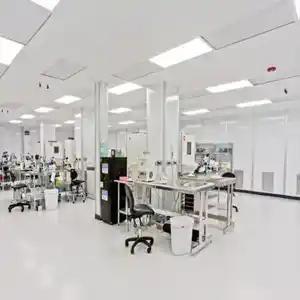
A Class 100,000 cleanroom, also known as an ISO Class 8 cleanroom, is a controlled environment where the concentration of airborne particles is maintained within specified limits. Specifically, it allows no more than 100,000 particles of 0.5 microns or larger per cubic foot of air. This level of cleanliness is suitable for less stringent manufacturing processes compared to higher-class cleanrooms.
Particle Concentration Limits
Particles ≥ 0.5 microns: 100,000 particles per cubic foot (3,520,000 particles per cubic meter)
Particles ≥ 5.0 microns: 29,300 particles per cubic meter
Airflow and Filtration
HEPA Filters: These filters are used to remove at least 99.97% of particles 0.3 microns in diameter.
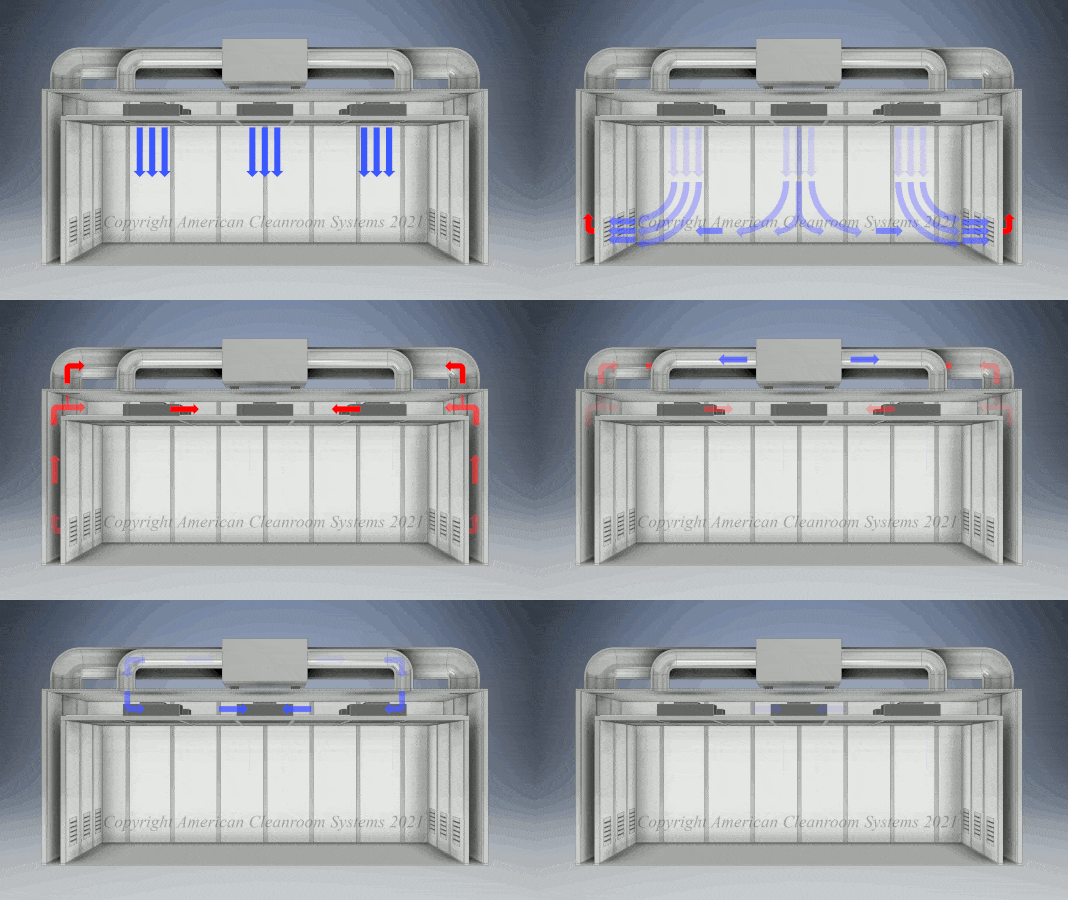
Air Change Rates: Typically around 20 air changes per hour to maintain cleanliness levels.
Turbulent Airflow: Often used to ensure the mixing of air and removal of contaminants.
Clean room grade table
| ISO Class FED STD 209E Equivalent | |||||||
| ISO Class | Maximum Particles/m | FED STD 209E equivalent | |||||
| ≥0.1μm | ≥0.2um | ≥0.3um | ≥0.5um | ≥11m | ≥5um | ||
| ISO1 | 10 | 2 | |||||
| ISO2 | 100 | 24 | 10 | 4 | |||
| ISO3 | 1,000 | 237 | 102 | 35 | 8 | Class1 | |
| ISO4 | 10,000 | 2,370 | 1,020 | 352 | 83 | 3 | Class10 |
| ISO5 | 100,000 | 23,700 | 10,200 | 3,520 | 832 | 29 | Class100 |
| ISO6 | 1,000,000 | 237,000 | 102,000 | 35,200 | 8,320 | 293 | Class 1,000 |
| ISO7 | 352,000 | 83,200 | 2,930 | Class10,000 | |||
| ISO8 | 3,520,000 | 832,000 | 29,300 | Class 100,000 | |||
| ISO9 | 35,200,000 | 8,320,000 | 293,000 | Room Air | |||
| Comparison Table GMP/USP/ISO/FED209E | ||||||||||||
| project | China GMP/Europe GMP | ISO | FED STD 209E | |||||||||
| Suspended particles P/m3 | level | Static | dynamic | level | Static | level | dynamic | |||||
| ≥0.5um | ≥5μm | ≥0.5μm | ≥5μm | ≥0.5um | ≥5μm | ≥0.5um | ≥5μm | |||||
| A | 3520 | 20 | 3520 | 20 | M3.5 | 3530 | 100 | 5 | 2220 | 20 | 100 | |
| B | 3520 | 29 | 352000 | 2900 | - | - | 6 | 3520 | 29 | 1000 | ||
| C | 352000 | 2900 | 3520000 | 29000 | M5.5 | 353000 | 10000 | 7 | 352000 | 2930 | 10000 | |
| 8. | 3520000 | 29300 | 100000 | |||||||||
| D | 3520000 | 29000 | No regulations | No regulations | M6.5 | 3530000 | 100000 | 9 | 3520000 | 29300 | 100000 | |
Comparison table of ISO grade standards and ventilation times | |
| ISO Class | ACH(AIRCHANGE PER HOUR) |
| ISO 3 | 360-540 |
| ISO 4 | 300-540 |
| ISO 5 | 240-480 |
| ISO 6 | 50-60 |
| ISO 7 | 30-40 |
| ISO 8 | 15-25 |
Class 100000 Clean Room Airflow
|
|
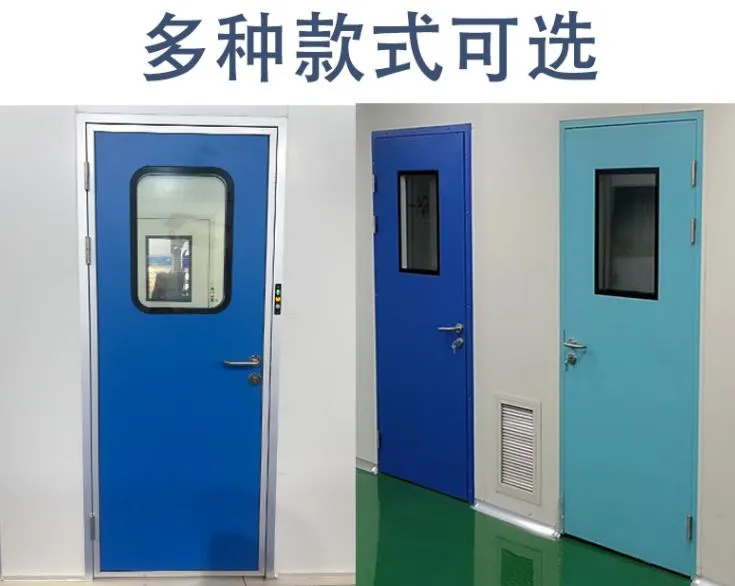
Class 100000 Clean Room wall
|
|
|
|
|
|
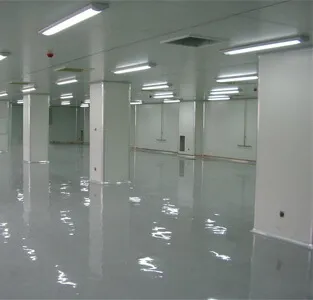
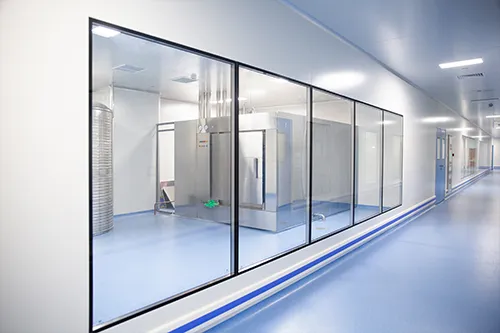
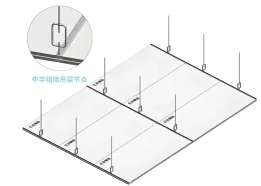
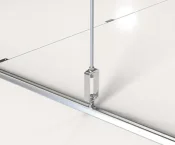
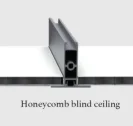
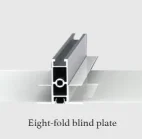
Class 100000 Clean Room Celling
 |  |  |  |
|
| ||
FAQ
A Class 100,000 clean room, or ISO Class 8, is an environment where the concentration of airborne particles is intentionally controlled. This allows for up to 100,000 particles of 0.5 microns or larger per cubic foot of air. This class of clean room is suited for less strict manufacturing processes.
The allowable concentration of particles is the main differentiator. A Class 10,000 clean room (ISO Class 7) has a concentration of 10,000 particles of 0.5 microns per cubic foot, where a Class 100,000 clean room (ISO Class 8) has a concentration of 100,000 particles. The less stringent control measures for a Class 100,000 clean room allow for more particles.
The highest clean room level is ISO Class 1. This class allows for a concentration of no more than 10 particles of 0.1 microns or larger per cubic meter of air. This class of clean room is used for semiconductor manufacturing.
Clean room classifications range from ISO Class 1 to ISO Class 9. Each class specifies the maximum allowable particle concentrations per cubic meter of air for particles ranging in size from 0.1 microns to 5 microns.
A Class 100,000 clean room (ISO Class 8) allows for 100,000 particles of 0.5 microns or larger per cubic foot of air. This class of clean room is used for manufacturing processes that require moderate contamination control.
Clean rooms are classified by ISO standards from ISO Class 1 (most stringent) to ISO Class 9 (least stringent) based on the maximum allowable number of airborne particles per cubic meter of air.
The cost of a class 100,000 cleanroom is generally between $50-150 per square foot, though it can vary depending on the specific situation and design complexity.
A class 10,000 cleanroom typically costs between $100-200 per square foot, though the price can vary based on the requirements of the industry, the size of the cleanroom, and the complexity of the design.
The cost of a cleanroom can be as low as $50 per square foot, or as high as $1,000 per square foot, depending on the specific classification and the requirements of the situation. The total cost of constructing a cleanroom can range from the tens of thousands to the millions of dollars.
A class 100,000 clean area (ISO Class 8) is defined as an environment in which the total number of particles of 0.5 microns or larger is less than or equal to 100,000 per cubic foot, and is suitable for less critical processes.
A Class 100,000 clean room (ISO Class 8) is an environment that allows up to 100,000 particles of 0.5 microns or larger in a cubic foot of air and is used for less stringent contamination control.
The cost of a Class 100 clean room (ISO Class 5) can range from $200 to $500 per square foot, with the total cost of a large facility running into the millions of dollars, depending on the design and specific industry needs.
Requirements for a Class 100,000 clean room (ISO Class 8) include controlling the particle count to less than 100,000 particles of 0.5 microns or larger in a cubic foot of air, using HEPA filters, and strict adherence to airflow and cleaning procedures.
A Class 10,000 clean room (ISO Class 7) is an environment with a particle concentration of no more than 10,000 particles of 0.5 microns or larger in a cubic foot of air and is used for more sensitive manufacturing processes.
ISO 14644 provides the guideline for the design of clean rooms and specifies the classification of cleanliness based on the concentration of airborne particles. It also provides guidelines for the construction and operation of clean rooms to ensure the required cleanliness level is maintained.
A Class 100 clean room, or an ISO Class 5 clean room, allows a maximum of 100 particles of 0.5 microns, or larger, per cubic foot of air. This standard ensures a clean room environment for more sophisticated and sensitive processes.