+86 13638632902
 Jason@cleanroomequips.com


 MENU
MENUGrade C CleanRoom
A GMP Class C Cleanroom is a controlled environment commonly used in the pharmaceutical, biotechnology, and healthcare industries where certain manufacturing processes require a moderate level of cleanliness. Class C cleanrooms are less stringent than Class A or Class B cleanrooms but still maintain high standards for controlling contamination and ensuring product quality. These cleanrooms are used for processes that are not directly involved in aseptic handling but require a controlled environment to prevent contamination of products, materials, or equipment.
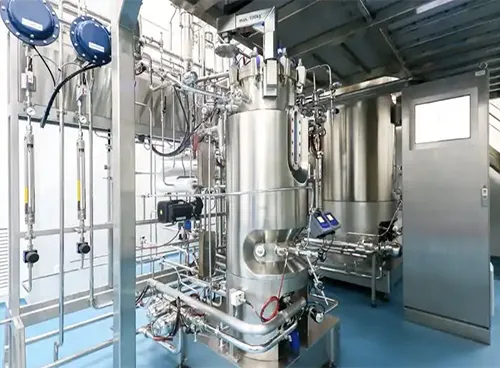
GMP Class C Cleanroom Air Changes Per Hour
| Class C Cleanroom (ISO 7 Cleanroom)
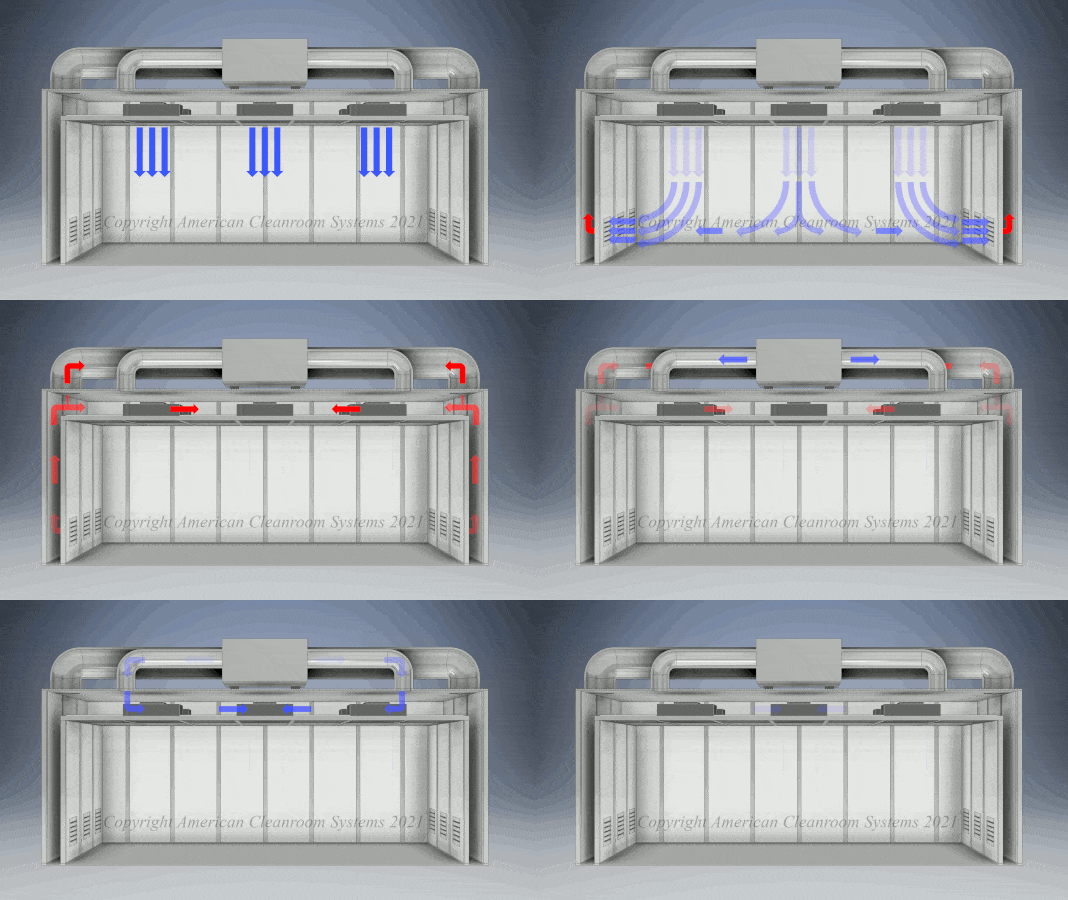
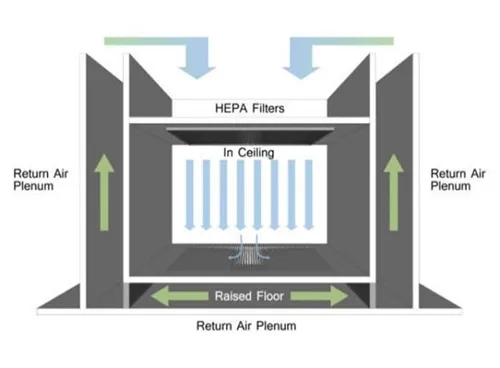
The filtered air sweeps down the room in a unidirectional way, at a velocity generally between 0.3 m/s and 0.5 m/s, and exits through the floor, removing the airborne contamination from the room. Cleanrooms using unidirectional air flow are more expensive than non-unidirectional ones, but can comply with more stringent classifications, such as ISO 5 or lower. |
GMP Class C Clean Room Grade Table
| ||||||||||||||||
| ||||||||||||||||||||||||||||||||||||||||||||||||||||||||||||||||||||||||||||||||||||||||||||||||||
Key Characteristics of Class C Clean Room
|
Class C cleanrooms are typically classified as ISO Class 7 according to the ISO 14644-1 standard, allowing up to 352,000 particles per cubic meter for particles ≥ 0.5 microns. This level of cleanliness is suitable for environments where air cleanliness is important but not critical, such as the preparation or storage of materials that will later undergo sterilization or more critical processing steps. |
|
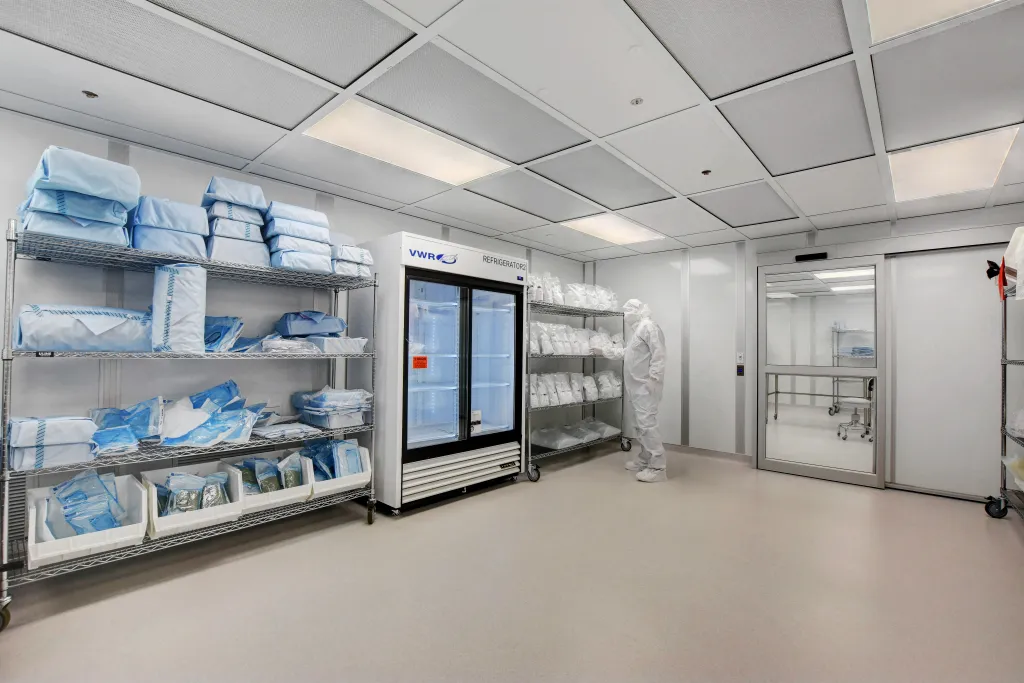
Class C cleanrooms typically have an air change rate of 20-30 air changes per hour (ACH), which ensures the removal of airborne contaminants and helps to maintain a stable environment. The air filtration systems usually include HEPA (High-Efficiency Particulate Air) filters to capture airborne particles and prevent contamination. |
 |
Class C cleanrooms are generally maintained at a positive pressure relative to adjacent, lower-grade environments (e.g., Class D). This ensures that air does not flow from less clean areas into the Class C room, preventing contamination from external sources. |
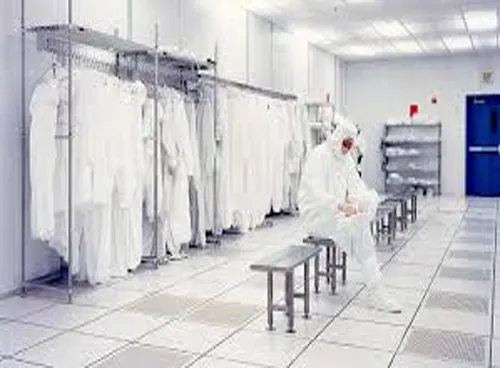 |
While Class C cleanrooms do not require the strict gowning standards of Class A or B environments, personnel are still required to wear protective clothing such as lab coats, gloves, masks, and hair covers to minimize the risk of contaminating the room. Gowning requirements will vary based on the specific processes and the level of contamination control needed. |
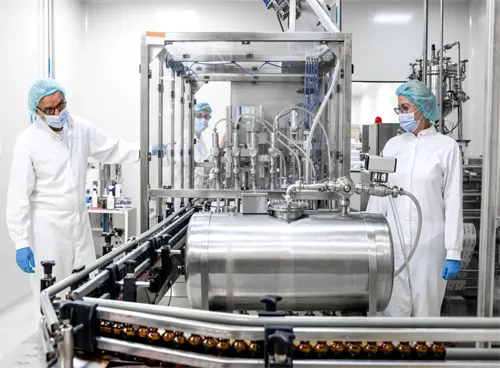 |
Preparation of Non-Sterile Pharmaceutical Products: Class C cleanrooms are commonly used in the preparation, mixing, and blending of raw materials, excipients, and active pharmaceutical ingredients (APIs) that will later undergo sterilization or other critical processing. |
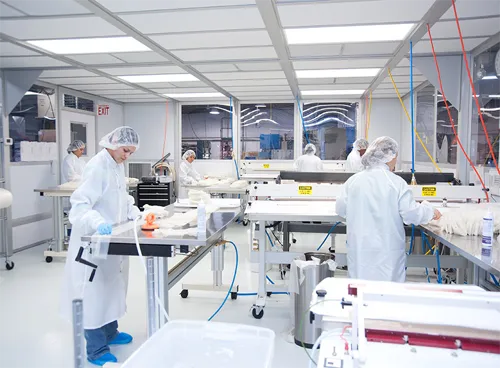 |
Cell Culture and Media Preparation: In biotechnology, Class C cleanrooms are used for the preparation of cell culture media, buffers, and other culture-related materials that do not require a Class A environment but still need to be processed in a clean environment to maintain the integrity of the biological materials. |
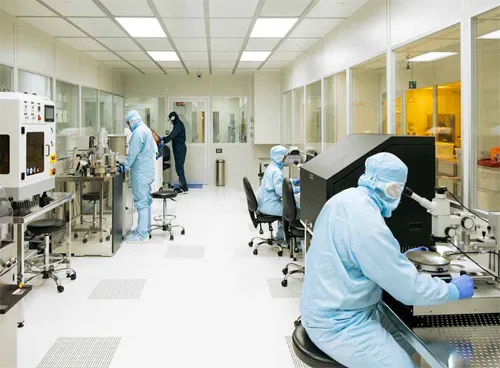 |
Assembly of Non-Sterile Medical Devices: Class C cleanrooms are used for assembling medical devices that do not need to be sterile but still require an environment free from excessive contamination. These can include devices like diagnostic instruments, surgical tools (before sterilization), and other medical equipment where cleanliness standards need to be controlled but are not as critical as in aseptic production. |
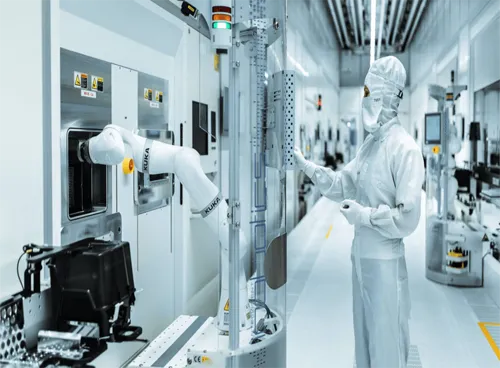 |
Assembly of Sensitive Electronic Components: In industries like electronics and semiconductor manufacturing, Class C cleanrooms are used for the assembly of sensitive components where contamination could negatively impact performance, such as in the production of semiconductors, circuit boards, or optoelectronic devices. These rooms help reduce particulate contamination during assembly processes. |
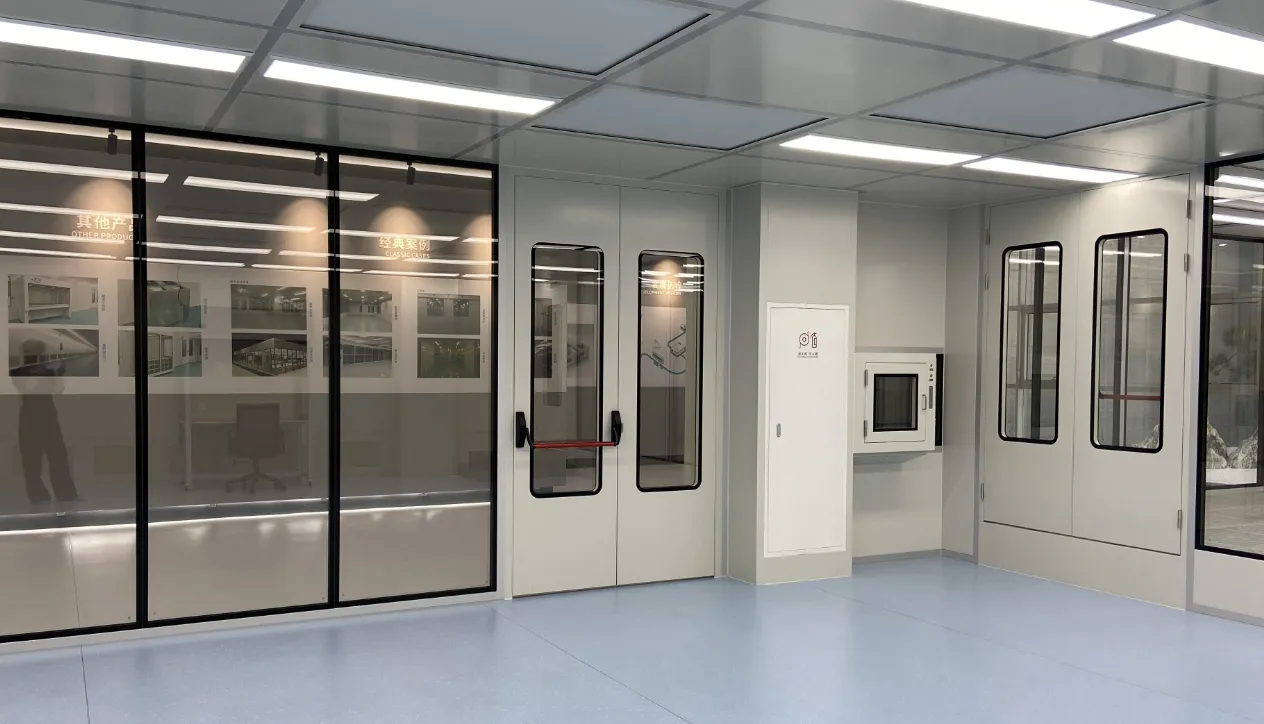
GMP Class C Clean Room Wall
|
|
|
|
|
|
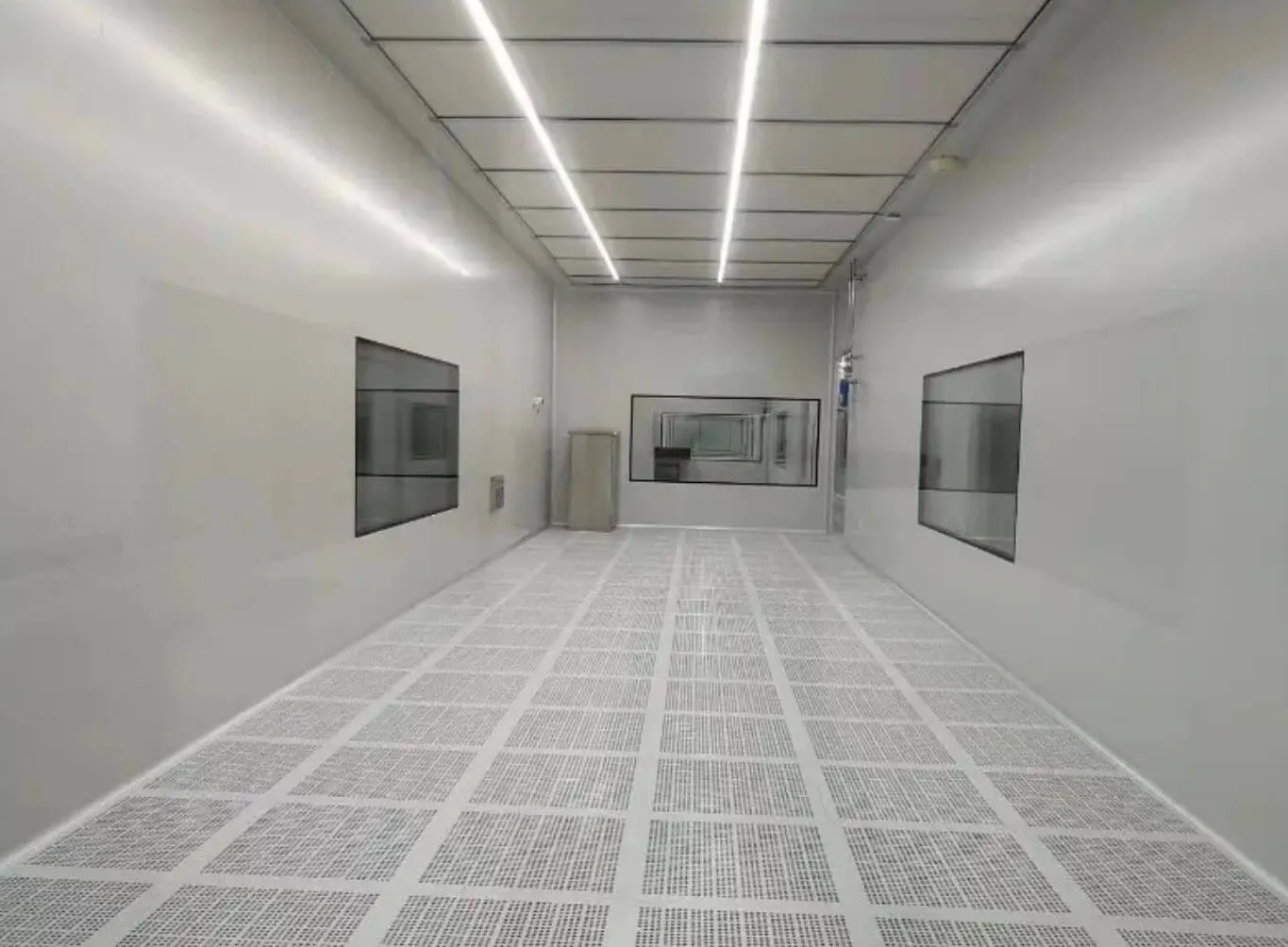
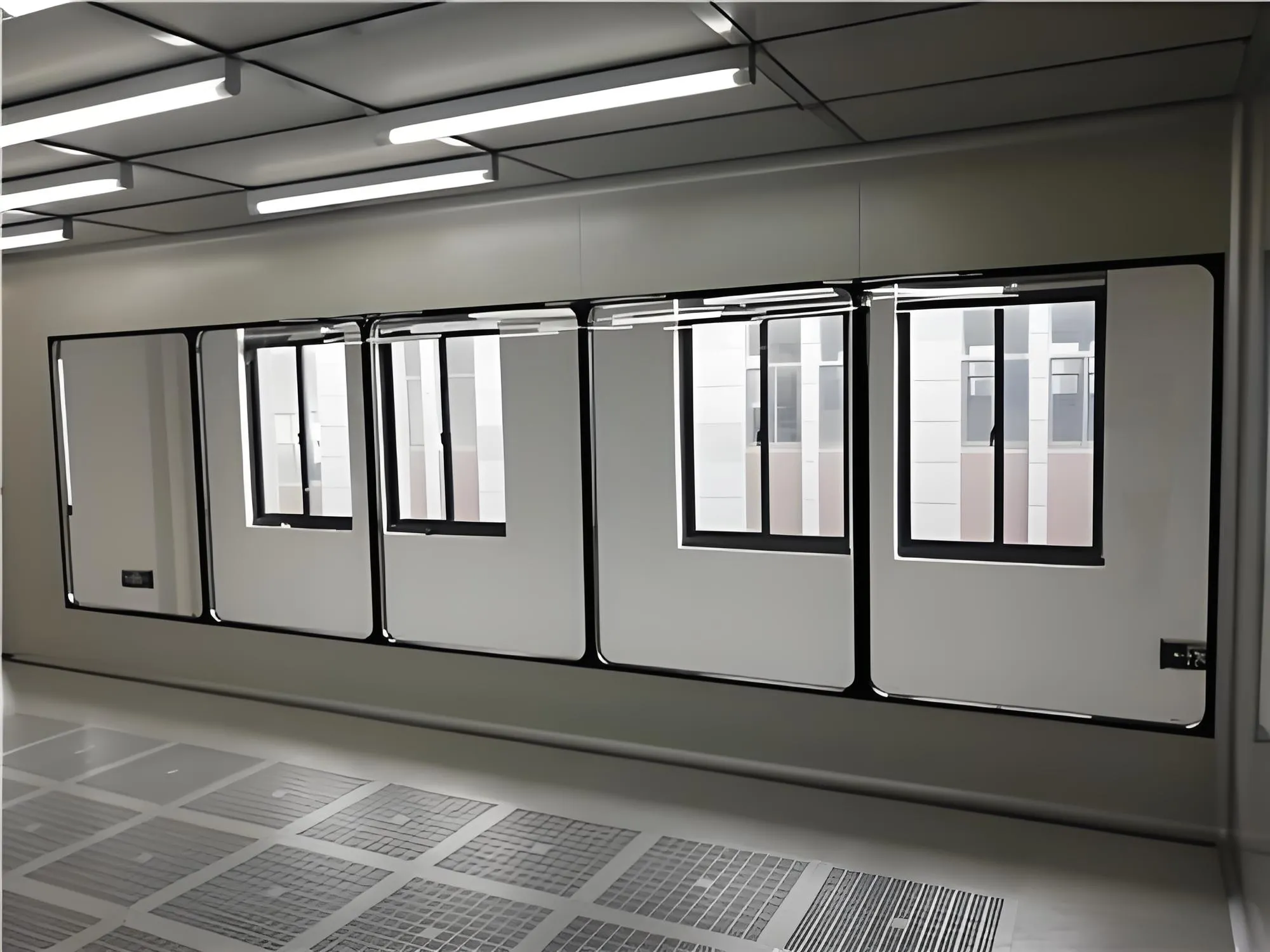
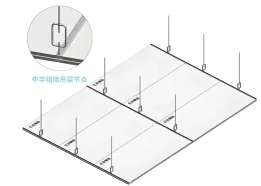
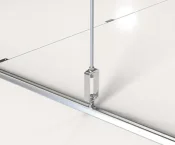
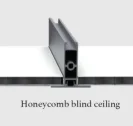
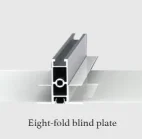
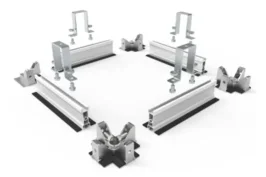
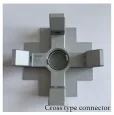
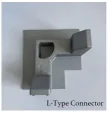
GMP Class C Clean Room Celling
 |  |  |  |
|
| ||
 |  |  |  |
|
| ||
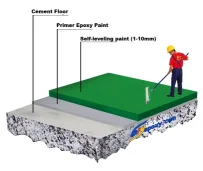
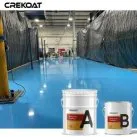
GMP Class C Clean Room Floor
 |  |  |
| ||
 |  |  |
| ||
FAQ
Q: What is GMP Class A and B Cleanrooms?
A: GMP Class A and Class B Cleanrooms are terms used to describe pharma and bio-tech industries controlled environments where prevention of contamination is critical. Class A Cleanrooms are utilized in aseptic processes of which example could be the process of filling sterile products. It is critical to control and maintain the micro-organisms and particles within the environment in order to ensure that the process and end product meets the required integrity and purity. Class B Cleanrooms, on the other hand, are utilized in processes which are less critical and may contain higher levels of contaminants.
Q: What is Class C Cleanrooms?
A: A Class C Cleanroom, as described in GMP, is an environment which is controlled and filtered in order to provide a lesser degree of contamination to the process than that of an unfiltered environment. Class C Cleanrooms are classified and described as an ISO 7 environment (Class ≥ 352,000 particles of ≥0.5 microns size). Class C Cleanrooms are utilized for processes which may impact the purity of non-sterile pharmaceutical products or may not affect the integrity of a product (i.e. process of packaging products).
Q: What do you mean by type C cleaning in pharma?
A: Type C cleaning in pharma is the process of cleaning components, apparatuses, and/or surrounding areas that require cleaning per GMP requirements for Class C cleanrooms. The objective of this type of cleaning is to eliminate all visible forms of contamination and then lower the microbial burden by means of a disinfection process. Type C cleaning in pharma is generally implemented for the production of non-sterile pharmaceutical products and helps in achieving a manufacturing environment of class C cleanliness per requirements of GMP.
Q: What are the GMP grades for cleanrooms?
A: The regulation and evaluation of contamination for cleanrooms in pharmaceutical production is classified into grades A, B, C, and D. Grade A cleanrooms are implemented for the production of pharmaceutical products in a form that requires absolute freedom from contamination and/or for critical phases of a process that requires aseptic techniques. Grade B cleanrooms are used for less critical phases of aseptic processing. Grade C cleanrooms are used for the phases of a process that requires a control on contamination. Grade D cleanrooms are generally used for activities that require less stringent control of contamination (i.e. bulky product packaging).
Q: What standards need to be met for Grade C GMP?
A: Standard requirements for Grade C GMP cleanrooms state that airborne particulate contamination should be controlled to isolation limits of ISO Class 7. This class allows for an average of 352,000 particulate contaminates of 0.5 μm and larger in a given cubic meter of air. To meet these requirements, the air distribution system for the cleanroom should be designed to provide 20 to 30 full air changes per hour. In addition, the system should be designed to maintain positive pressure in the cleanroom to prevent contamination. The cleanroom should also be surrounded by handwashing and locker/toiletry facilities. During production, continued monitoring of the cleanroom environment is critical to ensure that the contamination levels remain acceptable for the product being manufactured.
Q: What defines a Grade B and a Grade C cleanroom?
A: Grade B and C cleanrooms have key differences in the types of processes controlled as well as the level of cleanliness. Grade B cleanrooms are used for aseptic processes and other critical procedures that require isolation limits of ISO Class 5. Other less critical processing stages of a pharmaceutical product can be controlled using Grade C cleanrooms. ISO Class 7 limits for Grade C cleanrooms allow a greater level of particulate contamination as compared to Grade B cleanrooms.
Q: What class is a semiconductor clean room?
A: Clean rooms for semiconductor manufacturing are classified in different ways depending on the processes involved, and may be classified as ISO 1 through ISO 5 classes. The classes describe relative levels of cleanliness of the environment. For semiconductor manufacturing, clean rooms are very strictly regulated, as dust and other types of contaminants may render manufactured products unusable.
Q: What is a Grade C clean room?
A: A Grade C clean room is classified as an ISO 7 clean room, and is mostly used in pharmaceutical manufacturing to make products that are not required to be sterile. ISO 7 clean rooms allow up to 352,000 particles of 0.5 microns or greater per cubic meter, and are typically used for processing aids and product support services such as component and product preparation and product packing. The clean rooms are required to be designed, maintained, and operated to conform to GMP.
Q: What is a class D clean room?
A: A class D clean room is a designation for what is considered an ISO class 8 clean room. These are considered the least stringent clean rooms and are often used for packaging or other support processes for manufacturing, usually of non-sterile products. Compared to other clean rooms, class D clean rooms usually do not have rigid controls for air or particle constraints and are often not as rigid in their filtration controls. Grade A, B, and C clean rooms are typically more stringent compared to class D clean rooms.
Q: What is grade C gowning?
A: Grade C gowning, in regard to GMP clean rooms, requires the personnel to put on a hair net, face mask, lab coat and gloves. In some cases, personnel may also have to gown to include shoe covers or booties. Grade C gowning, like all gowning, is to prevent the personnel from bringing contaminants into the clean room. Compared to Grade A and B gowning, Grade C gowning usually does not require the use of multiple gowning layers to achieve protection and cleanliness.
Q: What is the classification of clean rooms?
A: Clean rooms are classified based on how clean they need to be at different stages of pharmaceutical production. The U.S. FDA has adopted the EU/ISOs Classifications, which range from Class 1 to Class 8, with Class 1 being the cleanest, and Class 8 the least clean. The “Class” description refers to the maximum allowable final airborne particle concentration in the clean room. For example, a Class 100 (ISO 5) clean room is used in the pharmaceutical industry for aseptic processing of sterile injectables, while a Class 100,000 (ISO 8) clean room is used for bulk drug production where product purity is determined by the process controls.
Q: What are type AB and C cleanings?
A: Type AB and C cleanings are terms used to describe cleanings in different areas of a pharmaceutical manufacturing facility. Type AB cleanings are performed on areas where the control of both macro-contamination and micro-contamination is crucial. Type C cleanings are performed on areas of the facility where the control of macro-contamination and micro-contamination is essential, however, the levels of control are less stringent when compared to Type AB control areas.
Q: What are the classifications of pharmaceutical cleanrooms?
A: According to GMP, classifications of pharmaceutical cleanrooms begin from Grade A (ISO Class 5) and ends at Grade D (ISO Class 8). Grade A cleanrooms are mainly used in the manufacturing of pharmaceuticals for aseptic processing. Grade B cleanrooms are used for less critical aseptic processing. Intermediate processing which does not require aseptic processing is done in Grade C cleanrooms. Finally, basic pharmaceutical activities such as packing of non-sterile pharmaceutical products is done in Grade D cleanrooms.
Q: What are GMP class A and B cleanroom environments?
A: Pharmaceutical manufacturing which requires strict control of contamination employs GMP Class A and B cleanrooms. Class A cleanrooms are used in the manufacture of pharmaceutical products which requires aseptic filling. Class B cleanrooms are used in the preparation of sterile pharmaceutical products. Higher control zones of Class B cleanrooms are controlled within the limits of Class A. All zones of Class A and B cleanrooms are to be kept within strict limits for airborne particulates and contamination. This is achieved by a combination of rigorous personnel practices and the use of high efficiency air filters.
Q: What are classifications of cleanrooms in GMP?
A: In GMP, Pharmaceutical production cleanrooms are classified as Grades A, B, C and D. Grade A cleanrooms are employed for Aseptic processing and other operations where the product is to be protected from any kind of contamination. Grade B cleanrooms are employed for Critical but Non-Aseptic operations. Grade C cleanrooms are employed for Intermediate operations and Grade D cleanrooms are employed for Non Critical operations. Cleanliness of air and the methods to control contamination in a cleanroom is determined by the ISO standards. Based on these standards, the equipment in a cleanroom is also evaluated.