+86 13638632902
 Jason@cleanroomequips.com


 MENU
MENUGrade B CleanRoom
A GMP Class B Clean Room is a controlled environment used in pharmaceutical and biotechnology industries, where stringent cleanliness standards are required to ensure the safety, efficacy, and quality of products.
GMP Class B Clean Room Specifications:
Particle Count: Maximum 3,520,000 particles per cubic meter (for 0.5 microns and larger)
Air Filtration: HEPA filters (high-efficiency particulate air) for air purification
Airflow: Minimum of 60 air changes per hour (ACH), with uniform laminar flow for optimal particle removal
Temperature & Humidity: Typically set between 18-22°C (64-72°F) and 30-60% relative humidity
Pressure: Positive pressure relative to adjacent areas to prevent contamination ingress
Lighting: Must provide uniform, shadowless lighting suitable for aseptic tasks
Cleanability: Materials and surfaces used must be non-porous, smooth, and easy to clean
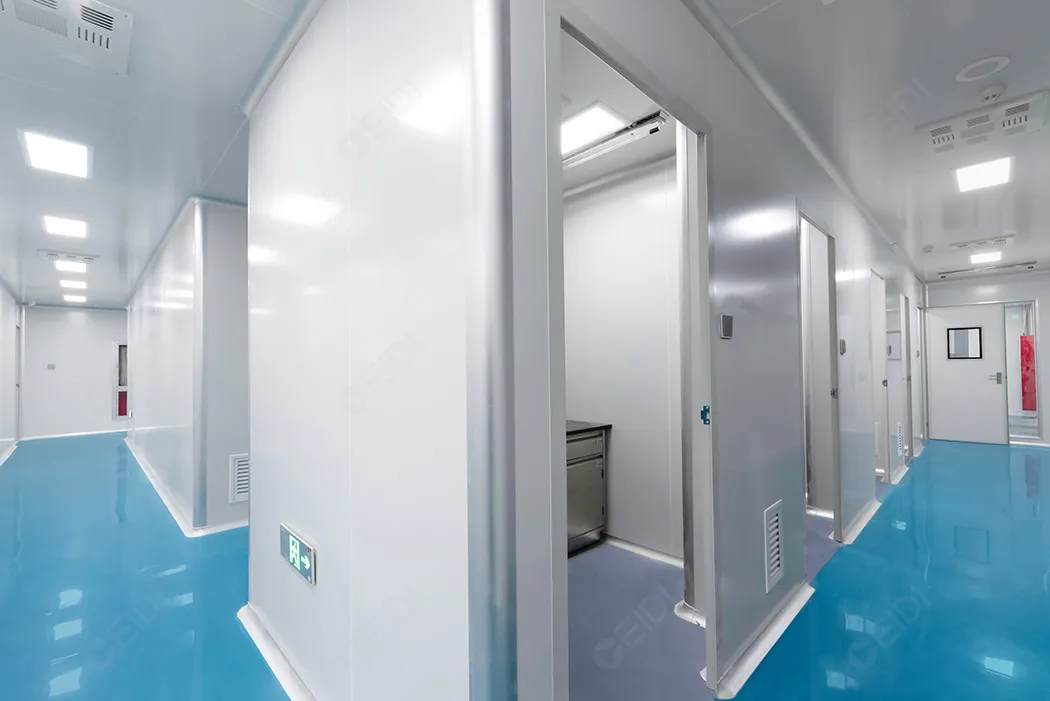
GMP Class B Cleanroom Air Changes Per Hour
| Class B Cleanroom (ISO 6 Cleanroom)
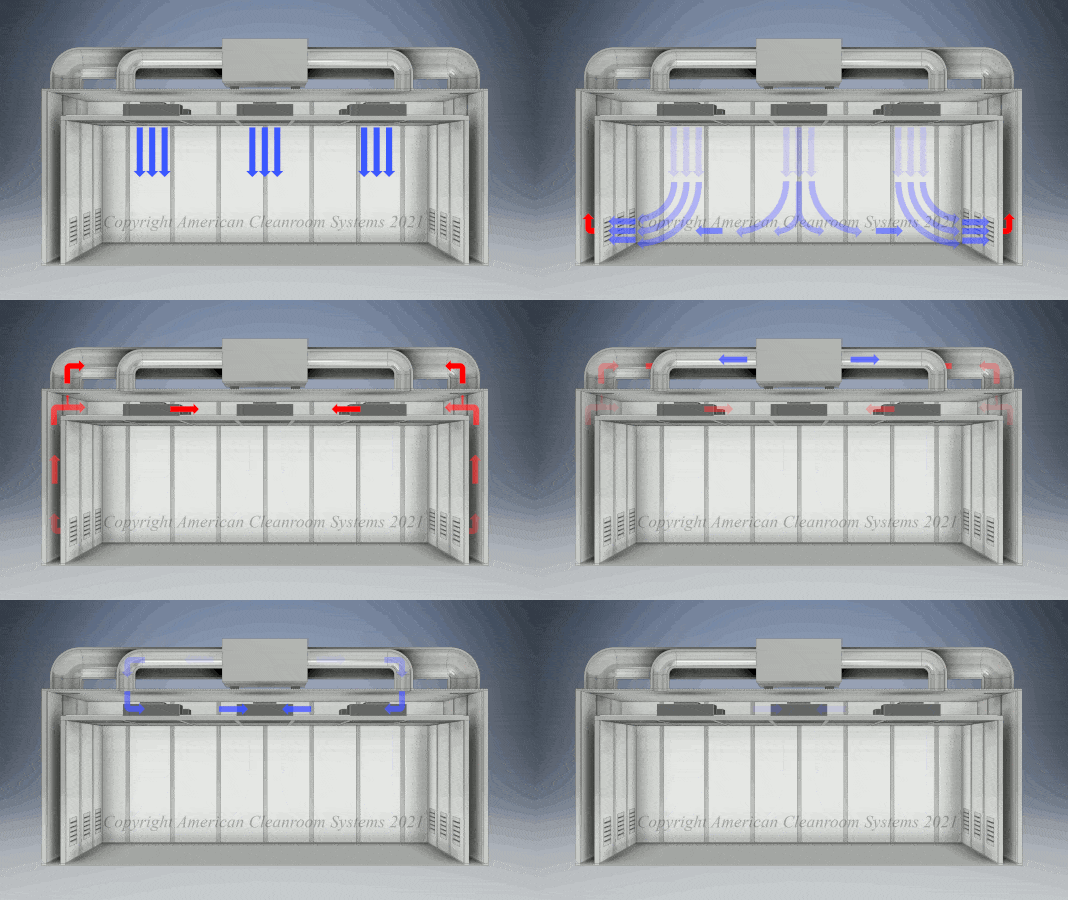
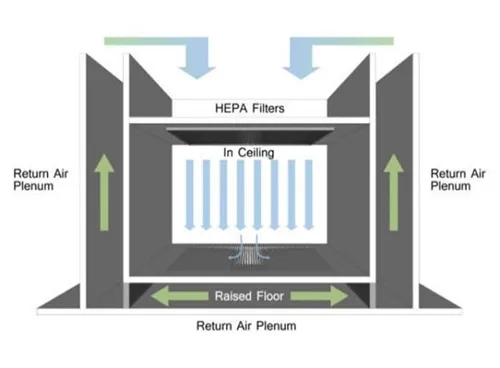
The filtered air sweeps down the room in a unidirectional way, at a velocity generally between 0.3 m/s and 0.5 m/s, and exits through the floor, removing the airborne contamination from the room. Cleanrooms using unidirectional air flow are more expensive than non-unidirectional ones, but can comply with more stringent classifications, such as ISO 5 or lower. |
GMP Class B Clean Room Grade Table
| ||||||||||||||||
| ||||||||||||||||||||||||||||||||||||||||||||||||||||||||||||||||||||||||||||||||||||||||||||||||||
Key Characteristics of Class B Clean Room
|
Class B cleanrooms typically adhere to an acceptable particle count of ≤ 3,520 particles per cubic meter for particles ≥ 0.5 microns. The air quality and cleanliness level are slightly less stringent compared to Class A but still ensure that the environment remains clean enough to prevent contamination during manufacturing processes. |
|
Class B cleanrooms typically have a high air change rate, generally between 30 to 60 air changes per hour (ACH). This ensures the removal of contaminants and helps maintain positive pressure relative to adjacent areas. |
 |
Class B cleanrooms typically have a high air change rate, generally between 30 to 60 air changes per hour (ACH). This ensures the removal of contaminants and helps maintain positive pressure relative to adjacent areas. |
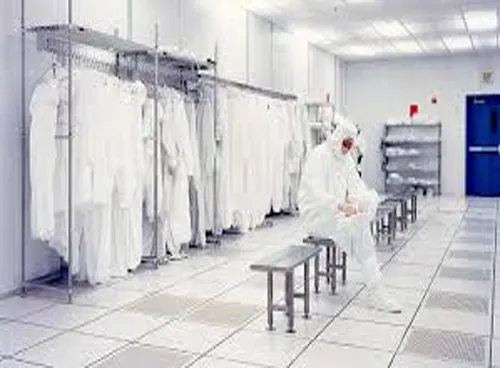 |
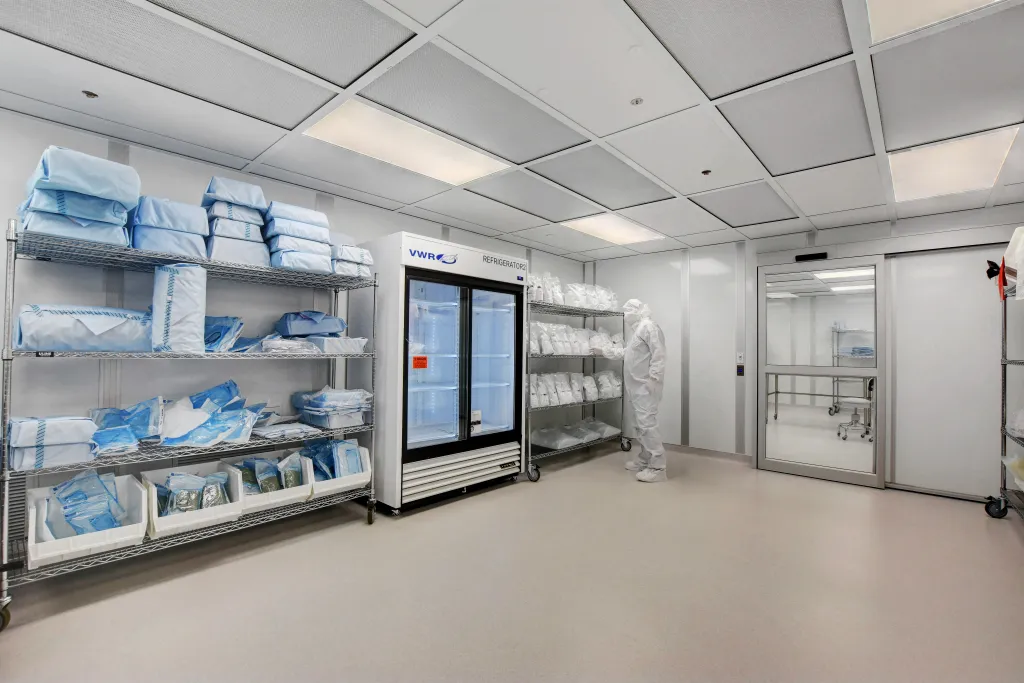
Strict gowning procedures are required to prevent the introduction of contaminants by personnel. This includes wearing appropriate protective clothing such as gowns, gloves, masks, hair covers, and shoe covers. |
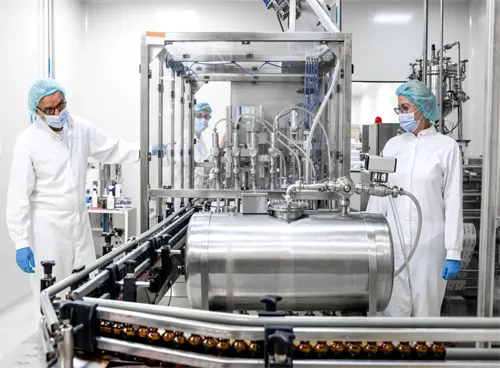 |
Sterile Product Preparation: Class B cleanrooms are commonly used in the preparation of materials and intermediate products for sterile manufacturing processes. Secondary Packaging: Packaging operations for sterile products that require a controlled environment are often carried out in Class B cleanrooms. Sterilization Process: After products are sterilized, Class B environments may be used for the handling and transfer of these products to final packaging, ensuring that no contamination occurs during this intermediate step. |
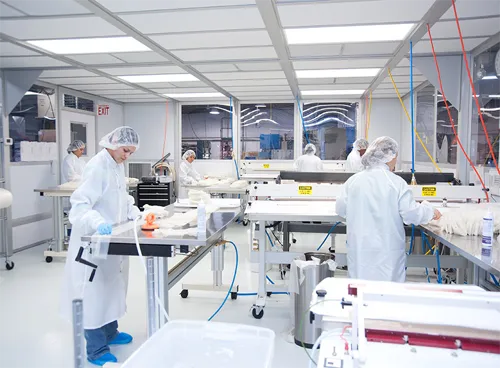 |
Manufacturing of Sterile Medical Devices: Class B cleanrooms are used for processes such as the assembly, inspection, and packaging of sterile medical devices that do not require direct aseptic conditions but must still be handled in a clean environment. This can include devices like surgical instruments, diagnostic tools, and other disposable medical products. |
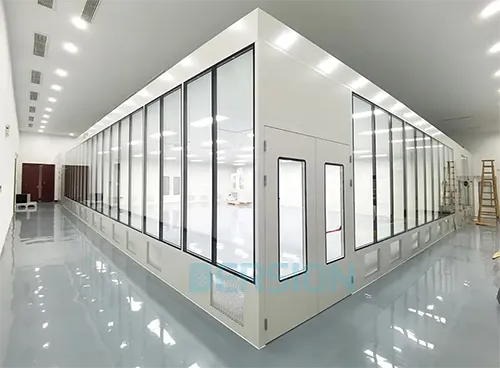 |
Manufacturing of Sterile Medical Devices: Class B cleanrooms are used for processes such as the assembly, inspection, and packaging of sterile medical devices that do not require direct aseptic conditions but must still be handled in a clean environment. This can include devices like surgical instruments, diagnostic tools, and other disposable medical products. |
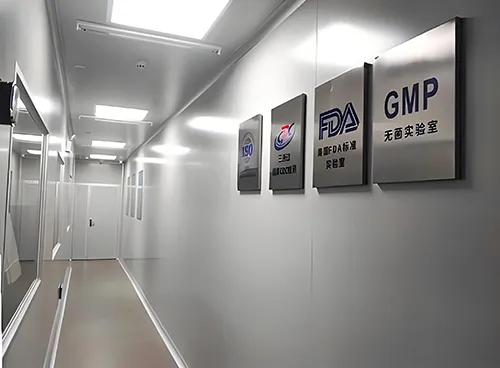 |
Cell Handling and Transfection: In gene therapy or cell therapy, Class B cleanrooms may be used for intermediate steps, such as cell handling, transfection, or viral vector production, where aseptic techniques are important but direct contact with final sterile products is not required. |
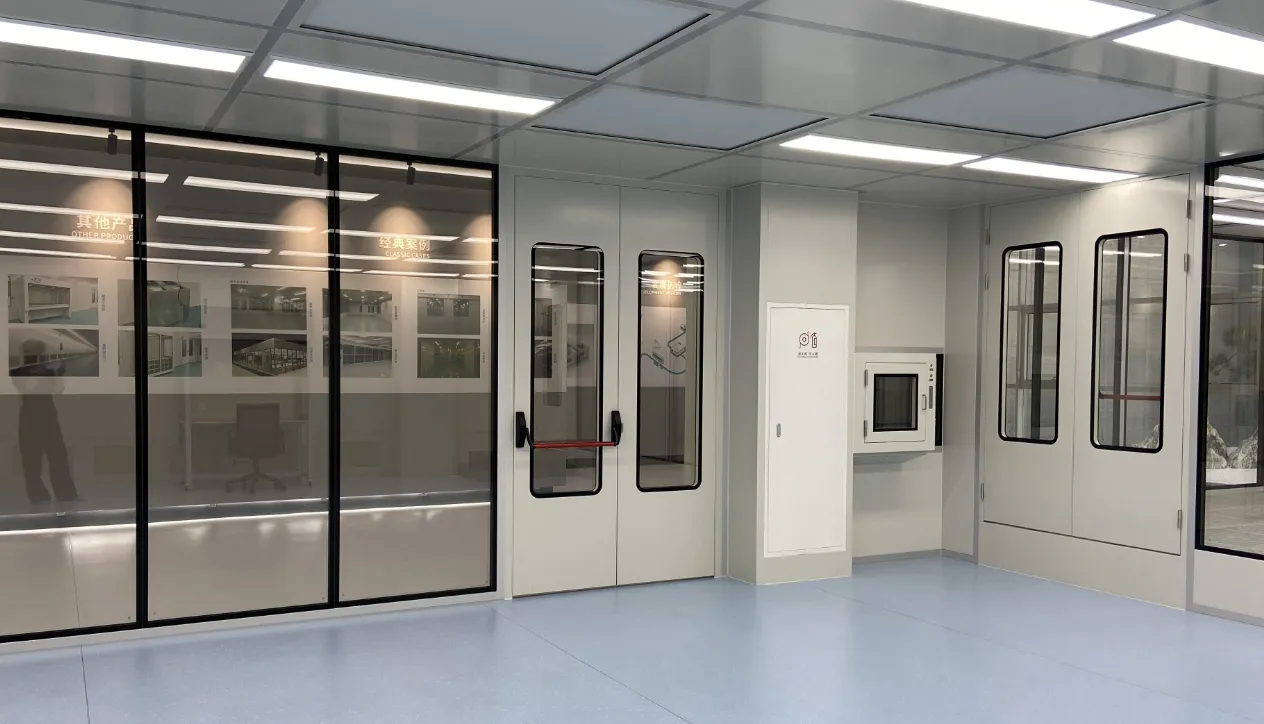
GMP Class B Clean Room Wall
|
|
|
|
|
|
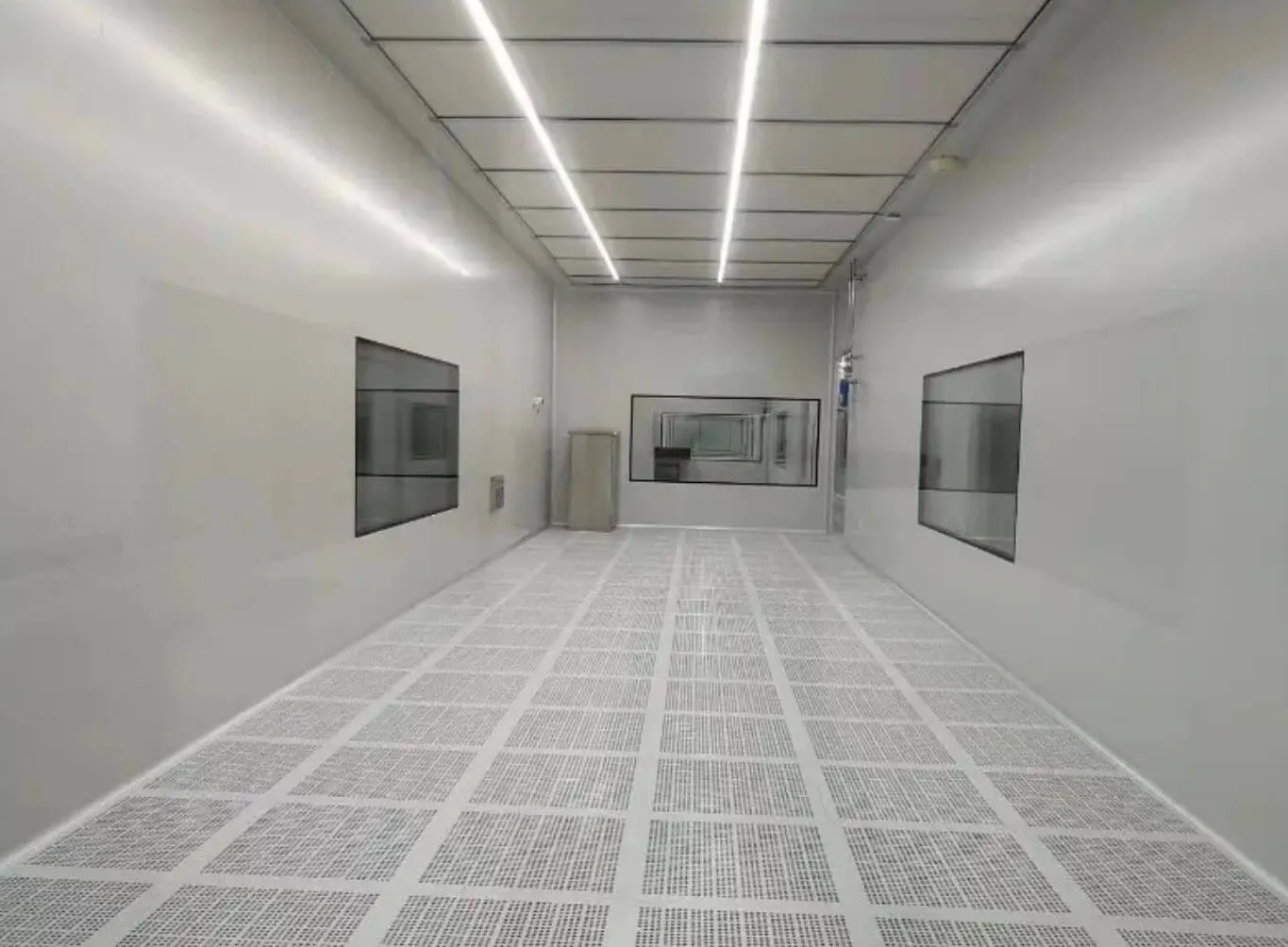
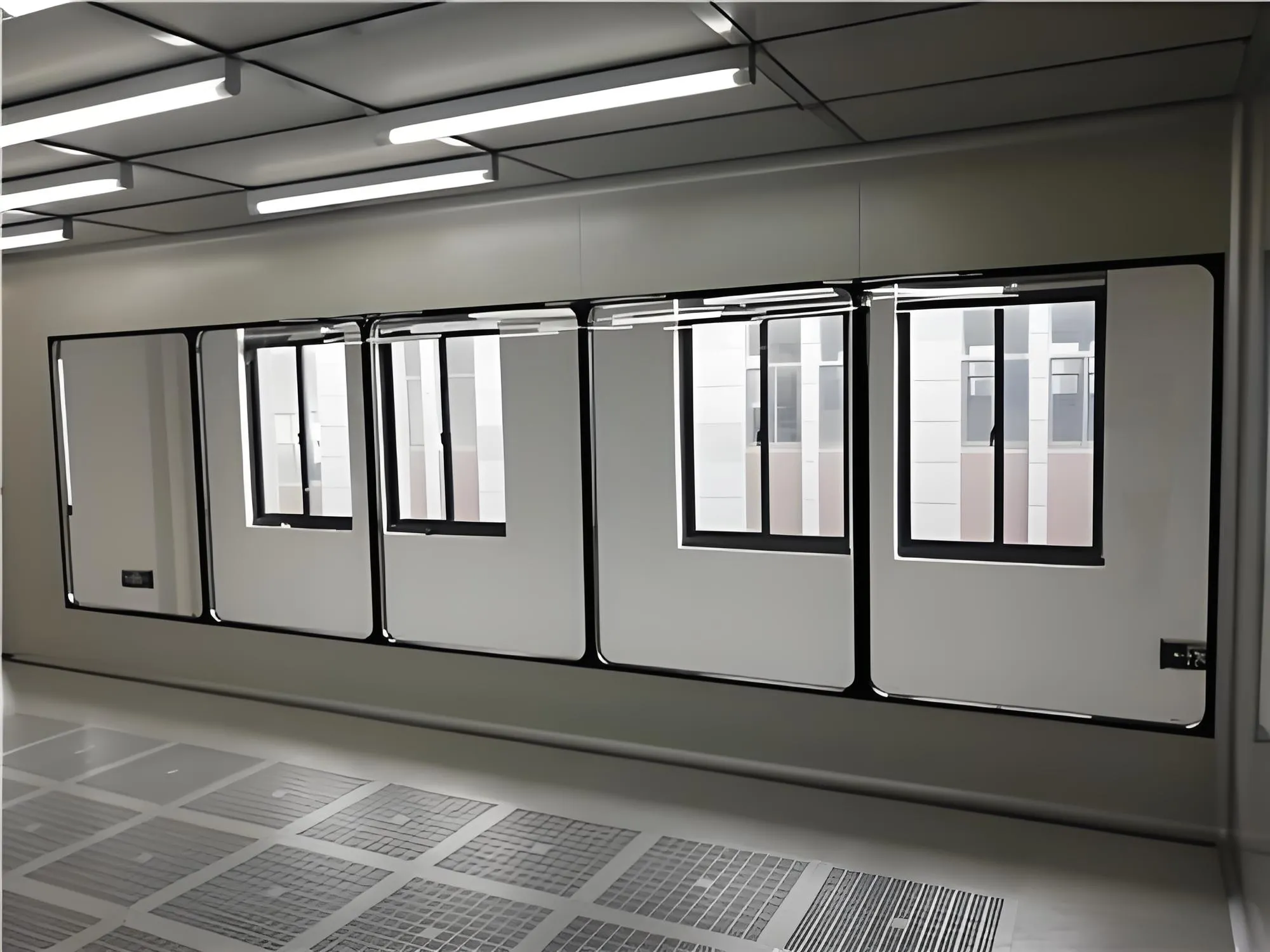
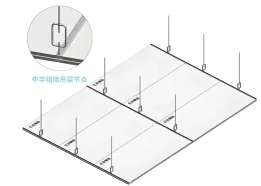
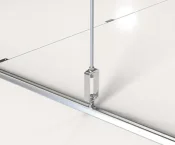
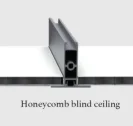
GMP Class B Clean Room Celling
 |  |  |  |
|
| ||
 |  |  |  |
|
| ||
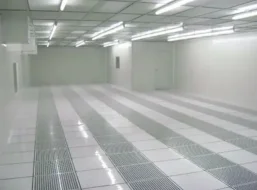
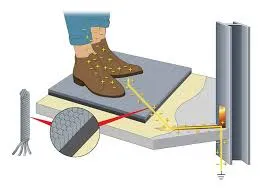
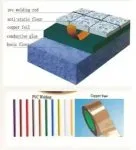
GMP Class B Clean Room Floor
 |  |  |
| ||
 |  |  |
FAQ
Q: What is GMP Class A and B?
A: GMP refers to good manufacturing practices. Class A and Class B refer to the level of cleanliness of a cleanroom. Class A cleanrooms are used for the most critical of all the pharmaceutical and related processes. One major use of Class A cleanrooms is for the process of aseptic filling. Other uses may include the storage and handling of sterile products. Class A cleanrooms allow a high degree of control on air movement and contaminant levels.
Q: What is class B?
A: Class B cleanrooms, as compared to Class A, are less strict. Class B cleanrooms allow for processes such as the packaging of sterile products and/or the sterilization of products and components. Class B cleanrooms allow for higher levels of air contaminants as compared to Class A. Class B cleanrooms allow for a maximum of 3,520 particles per 0.5 microns per cubic foot of air.
Q: What are GMP cleanliness classifications?
A: The GMP cleanliness classifications dictate how clean various areas within a pharmaceutical manufacturing plant must be. These classifications are determined by the maximum allowable load of particulate matter in air. The classes are further broken down to include A, B, C, and D. The cleaner the environment being created, the more stringent the class. For example, pharmaceutical aerosols would require the use of a clean room defined by Class A while Class D might define the allowable cleanliness for a pharmaceutical processing area.
Q: What is GMP in clean room?
A: It is the practice of ensuring that the methods and processes utilized in the manufacturing of pharmaceuticals, medical devices, and other related products are in compliance with the regulations and laws established by the FDA and/or EMA, and other similar agencies. These regulations stipulate the management and control of the various environmental conditions (particulate size and quantity, humidity, temperature) that could influence the purity and/or contamination of a product. They also define the procedures to be followed by personnel (i.e. gowning) and the controls to be implemented for the processing of the product. The purpose of all of the above is to minimize the level of contamination of the product.
Q: What is 'clean room' classification B?
A: Clean room classification B means it is a clean room that is rated in accordance with the ISO 14644-1 standard. Clean room classification B allows a higher level of particle pollution and states that 3,520 particles 0.5 microns or larger are allowed in a 1 cubic foot sample. Classification B clean rooms are used in processes such as the final packaging of already sterilized product or in the sterilization of product. Class B clean rooms provide a better level of control of particle pollution compared to a Class C clean room, and are used in processes that require control of greater pollution compared to a Class A clean room.
Q: What is the ISO classification of a grade B clean room?
A: Grade B clean rooms are rated as ISO Class 5. Similar to grade B clean rooms, the allowable number of particles in a specified sample of 1 cubic foot of ISO Class 5 air is 3,520, and ISO Class 5 is considered a less stringent standard compared to Class 3 (A). Class 3 (A) clean rooms are used in the processing of sterile product where the contamination of the product must be avoided.
Q: What are the classification of clean rooms?
A: The classification of clean rooms is based on the allowable number of particles in a given volume of air. The classes are designated as A, B, C, and D. Class A (ISO 14644-1 Class 3) and Class B (ISO 14644-1 Class 4) clean rooms are the more stringent standards of classification, and are used in the final processing of product to be determined as sterile. The less strict standards of classification, C and D (ISO 14644-1 Class 6 and 7) are used in processes to be determined as unsterile.
Q: What is the difference between Grade A and Grade B Clean Rooms?
A: The difference between a Grade A (Class A) and Grade B (Class B) Clean Room has to do with how rigorous the requirements are. Class A Clean Rooms are the most rigorous and most difficult to achieve. These rooms support aseptic processing and, therefore, require extremely stringent air requirements (ISO Class 3). In contrast, Class B Clean Rooms are used during processes where the product is not directly aseptically handled and, therefore, require less stringent requirements (ISO Class 5).
Q: What is a Grade D Clean Room?
A: In the field of pharmacy and related industries, a Grade D Clean Room is the least rigorous and strict of all the Clean Rooms. An ISO Class 8 room allows for 352,000 (and more) 0.5 micron and larger particles in 1 cubic foot of air. Generally speaking, Grade D Clean Rooms are used for the less rigorous and less critical functions of a pharmaceutical or related industry operation. Examples of functions may include storage of unprocessed pharmaceutical intermediates and finished product packaging.
Q: What is class A clean room?
A: A class A clean room is part of a classification system to determine the quality of clean rooms. Class A clean rooms are the best (i.e. cleanest) of all classifications. They are typically used for aseptic processes. Class A clean rooms are constructed to provide an environment where the concentration of airborne particles of 0.5 microns or larger is no greater than 3520 particles per cubic meter. Class A clean rooms are used for the manufacturing of pharmaceuticals, especially for the filling of vials and syringes.
Q: What is the FDA classification of clean rooms?
A: The FDA uses GMP (good manufacturing practice) to classify clean rooms, and by reference, the ISO 14644-1 classifications. Class A is for pharmaceutical and medical device aseptic processing. Class B is for other lower risk pharmaceutical processing. Class D is for medical device processing and other even lower risk pharmaceutical processing.
Q: What is type A, B and C cleaning in Pharma?
A: Type A cleaning in Pharma is aseptic. It is for the highest level of cleanliness (i.e. Class A clean rooms) and is used for aseptic filling. Type B and Type C cleanings are for Class B and Class C clean rooms respectively.
Q: What are the different types of pharmaceutical cleanrooms?
A: There are four main pharmaceutical cleanroom grades: Grade A (ISO Class 3), Grade B (ISO Class 5), Grade C (ISO Class 7), and Grade D (ISO Class 8). Grade A cleanrooms are used during aseptic processes and the handling of sterile products. Grade B cleanrooms are more relaxed and are used during the process of product packaging and sterilization. Grade C and D cleanrooms are even more relaxed and are used during the product manufacturing process that does not pose a threat to the final product.
Q: What is considered a Grade B cleanroom?
A: An environment considered a Grade B cleanroom is slightly more controlled than a Grade C or D cleanroom and is used during the packaging of sterile products and/or the sterilization of products. A Grade B cleanroom can have up to 3,520 one micron and larger particles in one cubic meter of space. Grade B cleanrooms are less strict than Grade A cleanrooms, which are used for the aseptic processing of products.
Q: What is a Type C cleanroom in pharmaceuticals?
A: A Type C cleanroom is considered an ISO Class 7 (Grade C) cleanroom. Contamination is controlled, and processes are clean, but not as strict as an ISO Class 5 or 3 (Grade B or A) cleanroom. Type C cleanrooms are often used during the production and packaging of non-sterile pharmaceutical products.
Q: What does class D clean room mean?
A: A clean room with class D designation indicates that the room has the least stringent requirements of all the classes, and is equivalent to an ISO Class 8 room. Processes that are classified with a class D designation are considered to have a low potential for contamination, and may include activities such as storage of unpackaged product or office work. Airborne particle concentrations are allowed to increase in class D clean rooms.
Q: What is the air changes per hour for different classifications of clean rooms?
A: To maintain the stringent requirements of a Class A clean room, the total number of air changes per hour (ACH) is generally 300 or more. Less stringent requirements for a Class B clean room allow an increase to a range of 30 to 60 ACH. Class C and D clean rooms are allowed even less stringent requirements, with Class C clean rooms allowing a range of 20 to 30 ACH, and Class D clean rooms allowing a minimum of 20 ACH.
Q: What is the ABCD classification in cleanrooms?
A: In the context of cleanrooms, ABCD refers to the four major classifications, starting from the highest class of cleanliness. These classes are: Class A (or ISO Class 3), Class B (or ISO Class 5), Class C (or ISO Class 7), and Class D (or ISO Class 8). Class A cleanrooms have stricter standards for controlling the number of particles in the air compared to Class D cleanrooms. Class D cleanrooms permit more particles in the air compared to Class C cleanrooms.
Q: What is Grade D air classification?
A: Grade D air classification is equivalent to ISO Class 8. In Grade D cleanrooms, the number of allowed particles in a given volume of air is greater than in other classes. More specifically, in a given volume of air, there can be up to 352,000 particles of one micron or larger. Grade D cleanrooms are used in pharmaceutical processing for less critical processes.