+86 13638632902
 Jason@cleanroomequips.com


 MENU
MENUGrade A CleanRoom
A GMP Class A cleanroom is an ultra-clean environment that meets the specific standards required for manufacturing sterile medicinal products under Good Manufacturing Practice (GMP) guidelines.
Particle Count: Equivalent to ISO Class 5 (3,520 particles per cubic meter for ≥0.5 µm)
Air Changes per Hour (ACH): 240-480 ACH
Airflow: Unidirectional (laminar flow)
Filtration: HEPA or ULPA filters with ≥99.97% efficiency for 0.3 µm particles
Pressure: Positive pressure relative to surrounding areas
Temperature: 18°C to 22°C (64°F to 72°F)
Relative Humidity: 40% to 60% (typical)
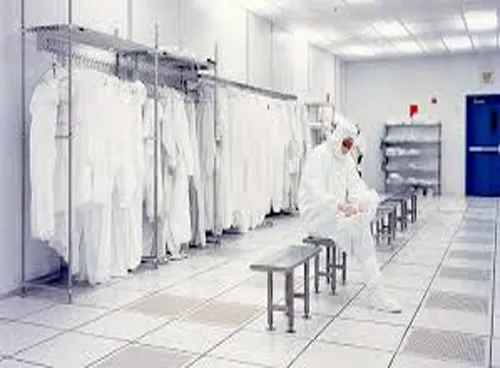
Personnel Gowning: Strict gowning and hygiene procedures
Critical Zones: Aseptic areas with higher cleanliness standards, often within a GMP Class B cleanroom
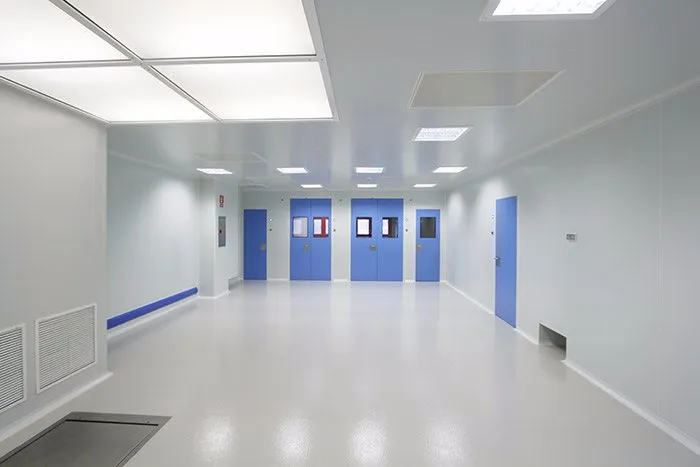
Clean room grade table
| ISO Class FED STD 209E Equivalent | |||||||
| ISO Class | Maximum Particles/m | FED STD 209E equivalent | |||||
| ≥0.1μm | ≥0.2um | ≥0.3um | ≥0.5um | ≥11m | ≥5um | ||
| ISO1 | 10 | 2 | |||||
| ISO2 | 100 | 24 | 10 | 4 | |||
| ISO3 | 1,000 | 237 | 102 | 35 | 8 | Class1 | |
| ISO4 | 10,000 | 2,370 | 1,020 | 352 | 83 | 3 | Class10 |
| ISO5 | 100,000 | 23,700 | 10,200 | 3,520 | 832 | 29 | Class100 |
| ISO6 | 1,000,000 | 237,000 | 102,000 | 35,200 | 8,320 | 293 | Class 1,000 |
| ISO7 | 352,000 | 83,200 | 2,930 | Class10,000 | |||
| ISO8 | 3,520,000 | 832,000 | 29,300 | Class 100,000 | |||
| ISO9 | 35,200,000 | 8,320,000 | 293,000 | Room Air | |||
| Comparison Table GMP/USP/ISO/FED209E | ||||||||||||
| project | China GMP/Europe GMP | ISO | FED STD 209E | |||||||||
| Suspended particles P/m3 | level | Static | dynamic | level | Static | level | dynamic | |||||
| ≥0.5um | ≥5μm | ≥0.5μm | ≥5μm | ≥0.5um | ≥5μm | ≥0.5um | ≥5μm | |||||
| A | 3520 | 20 | 3520 | 20 | M3.5 | 3530 | 100 | 5 | 2220 | 20 | 100 | |
| B | 3520 | 29 | 352000 | 2900 | - | - | 6 | 3520 | 29 | 1000 | ||
| C | 352000 | 2900 | 3520000 | 29000 | M5.5 | 353000 | 10000 | 7 | 352000 | 2930 | 10000 | |
| 8. | 3520000 | 29300 | 100000 | |||||||||
| D | 3520000 | 29000 | No regulations | No regulations | M6.5 | 3530000 | 100000 | 9 | 3520000 | 29300 | 100000 | |
Comparison table of ISO grade standards and ventilation times | |
| ISO Class | ACH(AIRCHANGE PER HOUR) |
| ISO 3 | 360-540 |
| ISO 4 | 300-540 |
| ISO 5(GMP Class A) | 240-480 |
| ISO 6(GMP Class B) | 50-60 |
| ISO 7(GMP Class C) | 30-40 |
| ISO 8(GMP Class D) | 15-25 |
GMP Class A Clean Room Airflow
|
|
|
Air Changes per Hour (ACH): ISO Class 5 cleanrooms typically require 240 to 480 air changes per hour. | Air Velocity: FFU vertical unidirectional (laminar) airflow. | Temperature and Humidity Control: Typical ranges are 20-24°C for temperature and 30-60% for relative humidity, but these may vary based on specific requirements. |
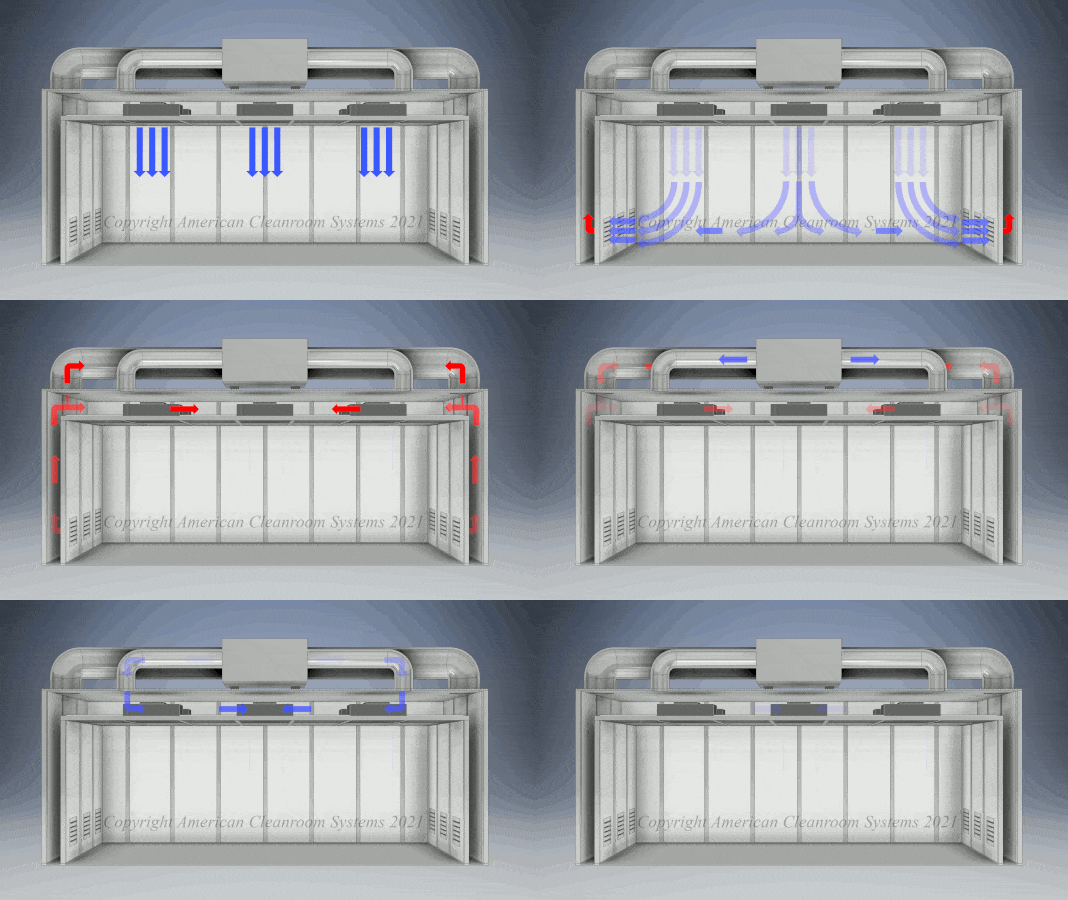

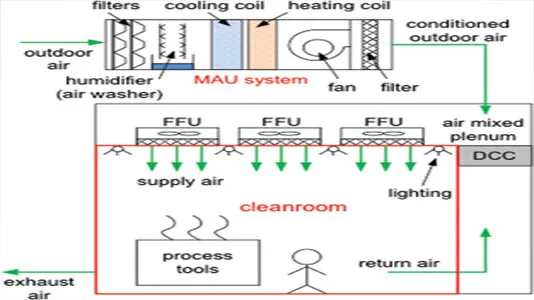
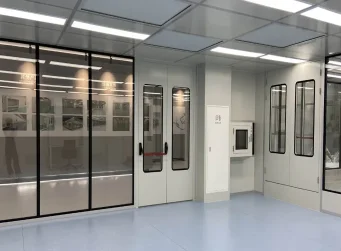
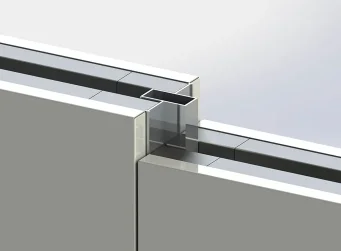
GMP Class A Clean Room wall
|  |
|
| Cleanroom Panel | Cleanroom doors and windows | Handmade rock wool panel |
◇ Size and appearance: Ensure that the size and shape of the product meet the design requirements and have no obvious defects. ◇ Physical properties: Such as compression, tension, impact resistance and other tests to ensure the strength and durability of the material. ◇ Surface treatment: Confirm that the surface is smooth, the coating is uniform, and there are no bubbles, peeling, etc. ◇ Test report: Fire and corrosion resistance test | ||
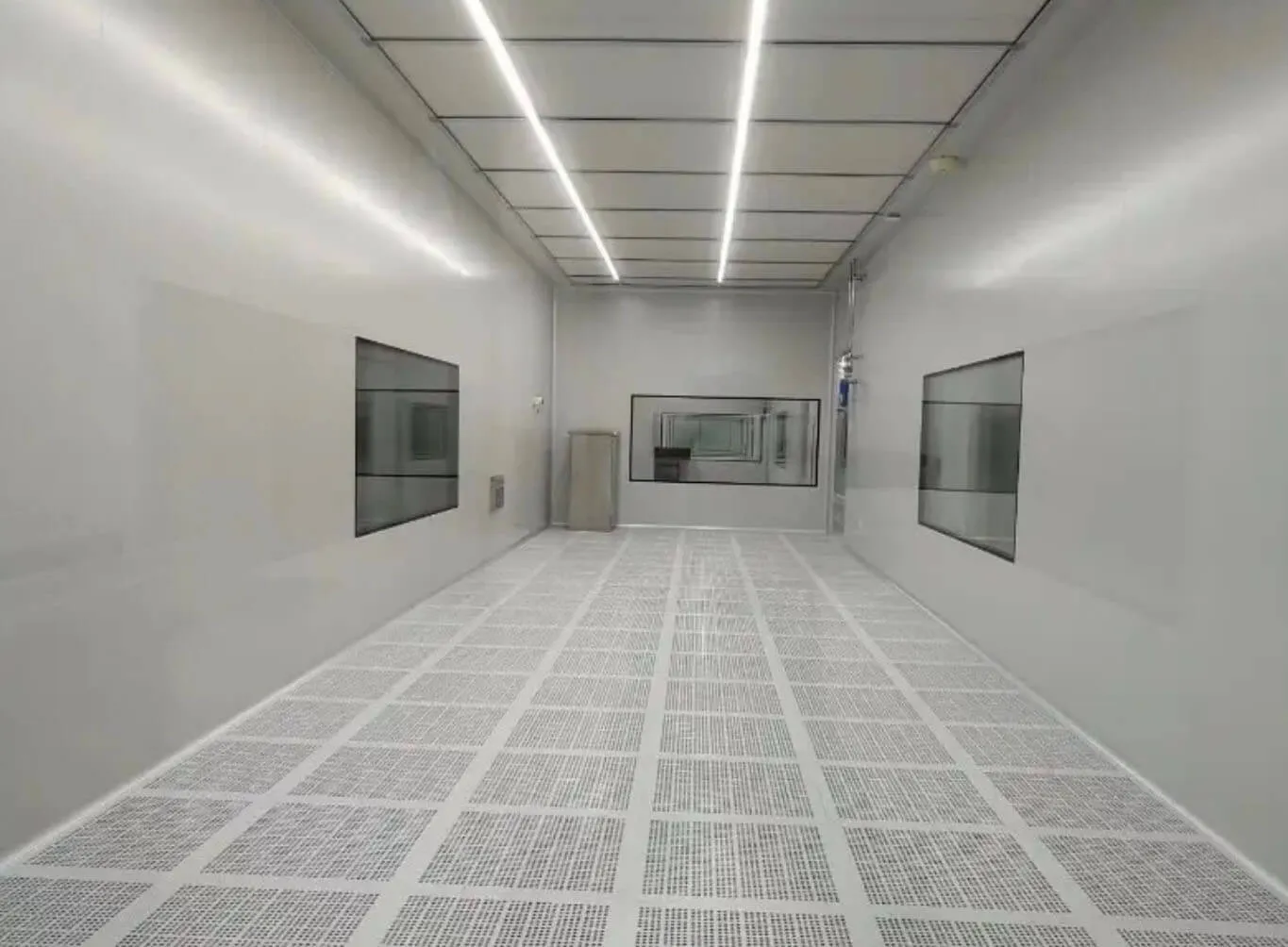
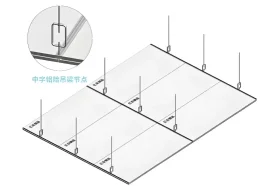
GMP Class A Clean Room Celling
|
|
|
|
|
| ||
|
|
|
|
|
| ||


Industry Applications of Class A Clean Room
|
|
|
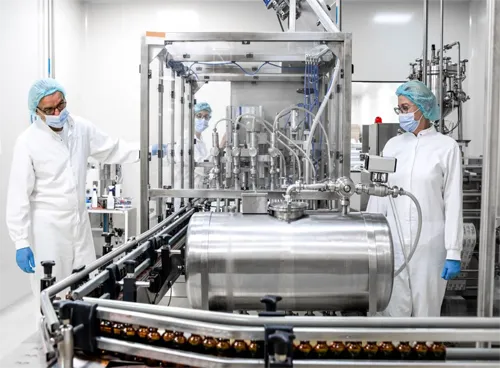
Personnel and Gowning | Pharmaceutical | Biotechnology |

FAQ
Pharmaceutical and biotech industries construct GMP Class A and Class B Cleanrooms to manufacture their products. GMP Class A Cleanrooms are constructed to have the best level of cleanliness. Processes conducted in GMP Class A Cleanrooms limit the number of particles to an extremely low level. GMP Class B Cleanrooms are not as stringent and are constructed to have a higher level of particles compared to GMP Class A Cleanrooms. GMP Class B Cleanrooms are constructed for less critical processes.
Grade A cleanrooms constrain the number of particles and biological contaminants in the room to a very low level. The number of air changes in a Grade A cleanroom is 180 or greater. Continuous monitoring of the number of particles in the air of the cleanroom is required. Strict positive pressure is also maintained to prevent contamination.
As defined in ISO 14644-1, the air in a cleanroom can have a broad level of cleanliness. Class A has the best level of cleanliness and is constructed for the most sensitive processes, such as aseptic processes, and Class D has a lower level of cleanliness.
GMP (Good Manufacturing Practice) for clean rooms is a collection of practices and guidelines for controlling environments and preventing contamination of products. GMP for clean rooms is predominantly relevant to pharmaceuticals and biopharmaceuticals. This is due to the nature of products from these industries, which may elicit an adverse effect on health if contaminated.
According to the GMP and ISO 14644-1 standards, a Class A clean room is an environment in which all surfaces are constantly safe and clean, and free of microorganisms. Class A is the highest classification of a clean room, and is primarily found in facilities specializing in pharmaceuticals and biopharmaceuticals. Class A clean rooms are generally used for products that require an aseptic fill.
Class B clean rooms are used in the production of pharmaceuticals and related industries, for processes and areas where the product contacting surfaces of the environment need to be free of contamination and controlled. Particle limits for Class B clean rooms are less stringent, and the average rate of air changes per hour is less compared to a Class A clean room. Class B clean rooms are generally used for the final fill of a product in a primary package.
Cleanrooms use a technique to control the movement of air to remove particulate contamination. The movement of air is filtered through High Efficiency Particulate Air (HEPA) filters or Ultra low Penetration Air (ULPA) filters. To prevent contamination, the filtered air is circulated and exchanged regularly. Positive pressure is applied to ensure that the cleanroom environment is not compromised by the introduction of contamination from the outside environment. Finally, to ensure the cleanroom is not compromised, a variety of gauges, monitors, and cameras are employed to evaluate and measure contamination.
The main difference between Grade A and Grade B cleanrooms is the requirement of the process and the acceptable concentration of particles. Grade A clean rooms house the most stringent requirement of all clean rooms. The acceptable limit of particles is 3,520 particles of 0.5 µm and greater per m³. These clean rooms are utilized for the most critical process of all clean rooms such as aseptic fills. Grade B clean rooms allow for a greater concentration of particles and are utilized for less stringent processes such as the preparation of components for aseptic fills.
Class C cleanrooms are used in less critical, but still important, areas of both the semiconductor and pharmaceutical industries. Although the definition of ‘less critical’ varies, Class C cleanrooms generally allow for greater levels of particle content (352,000 particles/m³ for 0.5 micron particles and greater) compared to both Class A and Class B cleanrooms. Because of the increased particle concentration, Class C cleanrooms usually require fewer air changes (20-40 changes/hr) when compared when to Class A and Class B cleanrooms.
Grade A areas are found in cleanrooms and provide the environment for the most critical and sensitive processes. These processes generally involve the preparation and/or introduction of sterile products and materials. To achieve the strict requirements of a Sterile Environment, highly controlled and monitored equipment (i.e. laminar flow hoods and/or isolators) are used. To minimize contamination of the area, a positive-pressure relationship with respect to surrounding areas is generally required.
Class A of a cleanroom describes the most stringent classification for cleanroom environments in reference to the International Organization for Standardization (ISO) and Good Manufacturing Practice (GMP) standards. These cleanroom environments generally contain no more than 3,520 particles/m³ of 0.5 micron or larger size. Class A environments usually require controlled access and strict gowning of personnel. Air changes are continuously monitored and filtered to control and reduce particle count. Environmental monitoring is also employed.
The FDA evaluates the classification of clean rooms based on the standards set by Good Manufacturing Practices (GMP) and ISO 14644-1. Like the aforementioned standards, the FDA identifies clean room classification from A to D, with A being the strictest and D being the least strict. Class A clean rooms are used in aseptic processing, while other classes of clean rooms may be used in pharmaceutical processing other than aseptic processing. Generally, Class A, B, C, and D clean rooms are used in controlling the levels of contamination in pharmaceutical manufacturing and medical devices.
Compared to Class A and B clean rooms, Class C clean rooms are less strict, and are used in the processing and support units where the conditions and requirements are not as stringent. Class C clean rooms allow a greater number of particles per a given volume of air and a lower frequency of air changes as compared to Class A and B clean rooms. The upper limit for the number of particles allowed in Class C clean rooms (352,000 particles/m³ for 0.5 microns and larger particles) is higher than Class A (35.2 particles/m³ for 0.5 microns and larger particles), but lower than Class B (3,520,000 particles/m³ for 0.5 microns and larger particles) clean rooms. Class C clean rooms allow a particle size distribution which is not as narrow as Class A and B clean rooms, and usually require 20 to 40 air changes per hour.
The number at the end of “Clean Room” refers to the number of airborne particles (at 0.5 microns or larger) permitted in a given cubic foot of space. For Clean Room 100, the max allowable number of particles is 100. For Clean Room 1000, the max allowable number of particles is 1,000. Thus, a Clean Room 100 environment is generally considered to be cleaner and more controlled than a Clean Room 1000 environment. Clean Room 100 is considered to be a more controlled environment and is typically used for the manufacture of semiconductor devices and other similar electronic devices.
According to the ISO 14644-1 standard, there are multiple classes of cleanrooms. Each class indicates the restrictions on the levels of airborne particles and the conditions of the environment. Generally, the levels of control increase as one moves down the class definition. For example, Class A cleanrooms are considered to be the most stringent and controlled while Class D cleanrooms are considered to be the least controlled. Class A cleanrooms are typically used in the manufacture of pharmaceutical products using aseptic processing. In general, the levels of control required for Class A, Class B, and Class C cleanrooms are increasing while Class D cleanrooms provide the least control and are generally used in non-critical manufacturing processes.
A Class 10000 area represents a cleanroom environment in which the maximum limit on the concentration of airborne particles ≥ 0.5 micron is 10,000 particles/cu.ft. Class 10000 cleanrooms are considered to be one of the lower classifications of cleanrooms and are used in areas such as the semiconductor and related industries, and in certain sections of the pharmaceutical industry where more stringent controls of the manufacturing environment are necessary.
A class D clean room is generally used in pharmaceutical and other related industries for the manufacture of non-critical products. As defined in USP <1111>, class D clean rooms constrain the maximum allowable number of airborne particles of 0.5 micron and larger to 2,920,000 particles/m3. From an operational perspective, class D clean rooms require 20 to 30 air changes per hour.
Cleanrooms used in pharmaceutical and related industries are commonly classified as class D, class C and class B, and class A. Class A cleanrooms are used for the most critical production processes such as aseptic filling, class B for other sterile production processes and class C for non-sterile production processes. Class D cleanrooms are employed for less critical production processes.