wap_menu MENU

X
Trusted by
companies like
FLIR Logo 1
electrolux Logo 3
abb Logo 4
bmw Logo 5
i-dent Logo 6
SINOPEC Logo 7
CATL Logo 8
INOVANCE Logo 9
EVE Logo 10
HONDA Logo 11
FOXCONN Logo 12

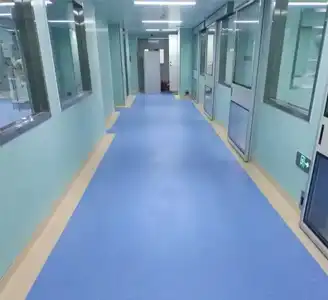
Clean room floor

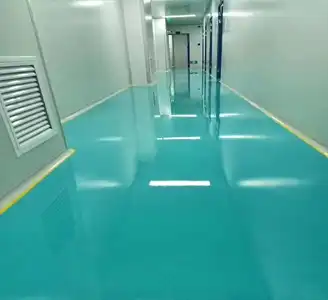
Cleanroom flooring is a crucial component and a key element of cleanroom system engineering. Common types of cleanroom flooring include:

Epoxy flooring: Durable, easy to clean, and resistant to chemical corrosion.

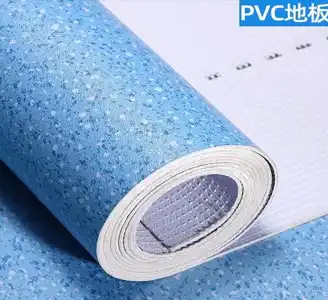
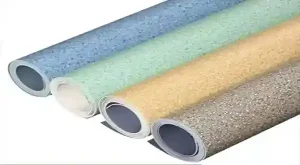
PVC flooring: Offers slip resistance and cushioning properties.

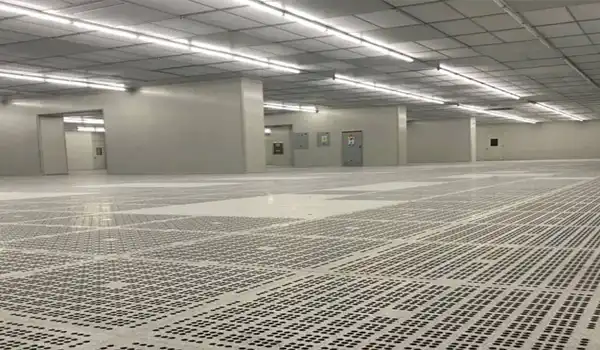
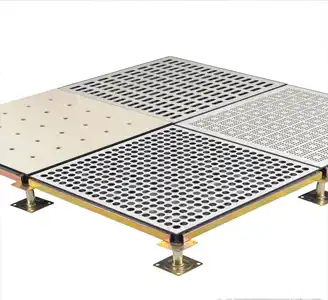
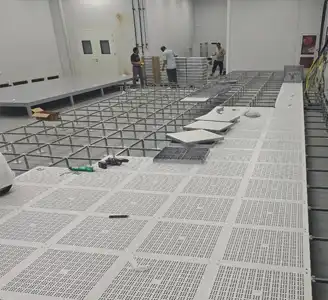
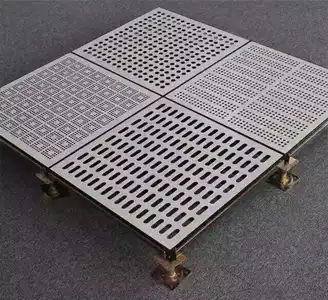
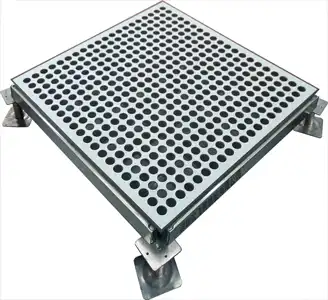
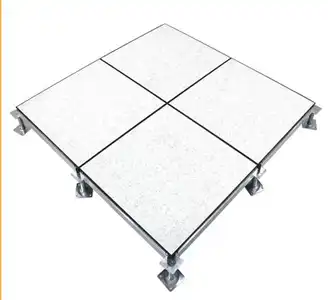
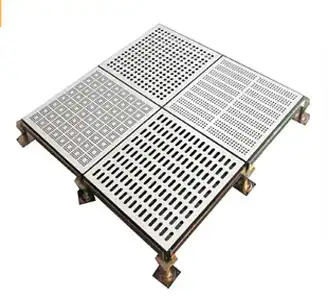
Raised flooring: Facilitates the installation of cables and various utility lines beneath the floor surface.

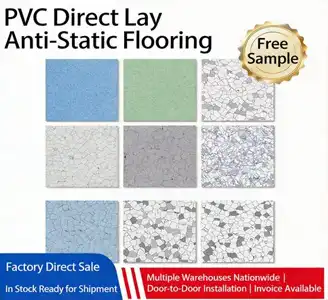
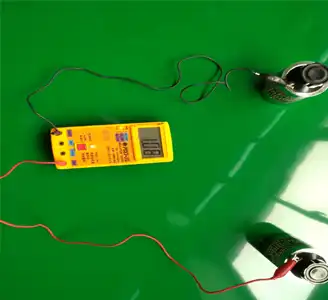
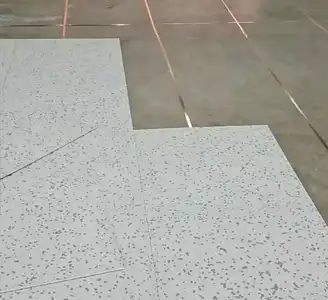
Anti-static flooring: Specifically designed to prevent the buildup of static electricity in sensitive environments.

Clean room floor

Need a cleanroom flooring solution?

Our professional team will provide you with a customized cleanroom flooring solution to meet your specific needs.

Cleanroom Flooring By Features

Deiiang Modular Cleanrooms Flooring By Features provides classified high-performance flooring compliant with ISO 14644 and GMP standards. Anti-static, seamless, stain and chemical resistant, these durable floors ensure excellent hygiene and simple maintenance, perfectly matching modular cleanroom systems for labs, pharmaceutical and electronics facilities.
cleanroom epoxy flooring
Durable flooring for standard cleanroom environments
Send inquiry Now
ESD epoxy flooring
ESD epoxy flooring
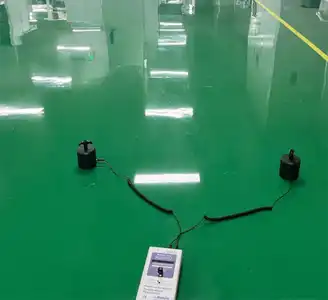
Anti-static epoxy floor for static sensitive areas
Send inquiry Now
chemical resistant epoxy flooring
Resist chemical corrosion for industrial use
Send inquiry Now
ESD flooring
ESD flooring
Professional anti-static floor system
Send inquiry Now
static control flooring.webp
static control flooring
Effective static control for controlled spaces
Send inquiry Now
ESD vinyl flooring
ESD vinyl flooring
Flexible anti-static vinyl floor material
Send inquiry Now
cleanroom PVC flooring
PVC flooring
Practical PVC floor for cleanroom applications
Send inquiry Now
antistatic PVC flooring
Anti-static PVC floor with good durability
Send inquiry Now
raised floor
raised floor
Standard raised cleanroom floor for cable management
Send inquiry Now
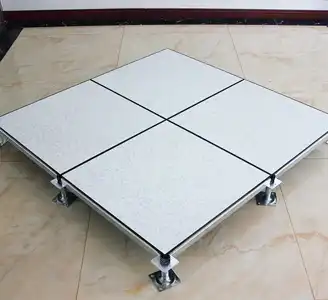
raised access floor.webp
raised access floor
Easy access raised floor system
Send inquiry Now
ESD raised floor
ESD raised floor
Static-proof raised floor for electronics room
Send inquiry Now
steel raised floor
steel raised floor
High strength steel structured raised floor
Send inquiry Now
data center flooring
Special floor designed for data center use
Send inquiry Now
modular raised floor
Flexible modular raised floor system
Send inquiry Now
PU flooring.webp
PU flooring
High performance polyurethane flooring
Send inquiry Now
polyurethane flooring
Wear-resistant polyurethane floor material
Send inquiry Now

Epoxy flooring vs PVC flooring

cleanroom Epoxy flooring
Epoxy Flooring
VS
Cleanroom PVC Flooring
PVC Flooring

Epoxy flooring and PVC flooring are two mainstream floor materials widely used in modular cleanrooms, laboratories, pharmaceutical and electronic manufacturing workshops. Both comply with basic cleanroom hygiene requirements, but differ greatly in material composition, performance and applicable environments. Choosing the right flooring depends on your site load, chemical exposure and long-term usage demands.

Epoxy Flooring

  • Material: Liquid resin material, seamless integral floor
  • Performance: High hardness, wear-resistant, anti-corrosion
  • Feature: Fully seamless, excellent dust-proof effect
  • Application: Heavy-duty workshops, chemical labs, production lines

PVC Flooring

  • Material: Flexible vinyl plastic sheet, spliced installation
  • Performance: Soft texture, anti-slip, good sound insulation
  • Feature: Light weight, easy installation and replacement
  • Application: Laboratories, offices, light-load clean rooms

Industry Applications

Food Cleanroom Flooring

Food Cleanroom Flooring

Food production requires strict hygiene and slip resistance. Our flooring prevents bacterial growth and meets food safety standards for daily production.

Send inquiry Now
Pharmaceuticals Cleanroom Flooring

Pharmaceuticals Cleanroom Flooring

Pharmaceutical workshops demand high-level dust control and corrosion resistance. Deiiang flooring fully complies with GMP requirements for drug manufacturing.

Send inquiry Now
Medical Devices Cleanroom Flooring

Medical Devices Cleanroom Flooring

Medical device production needs contamination-free environments. Our seamless flooring ensures easy cleaning and stable cleanroom performance.

Send inquiry Now
Cosmetics Cleanroom Flooring

Cosmetics Cleanroom Flooring

Cosmetic factories require anti-pollution and chemical tolerance. Our flooring adapts to production environments and maintains long-term hygiene.

Send inquiry Now
Lab Cleanroom Flooring

Lab Cleanroom Flooring

Labs face various reagent corrosion and static risks. Professional lab flooring protects equipment and guarantees a safe testing space.

Send inquiry Now
Semiconductors Cleanroom Flooring

Semiconductors Cleanroom Flooring

Semiconductor workshops are sensitive to static and fine dust. Our ESD flooring eliminates static hazards and supports precision production.

Send inquiry Now
New Energy Cleanroom Flooring

New Energy Cleanroom Flooring

New energy production needs heavy-load and durable flooring. Our solutions withstand frequent walking and mechanical operation for stable use.

Send inquiry Now

How to Work With Us

Upload CAD File

Upload a CAD File

To start, simply select a manufacturing process and upload a 3D CAD file.

Get Quote with DFM

Get Quote with DFM

Within a few hours we'll send you design for manufacturability (DFM) analysis and real-time pricing.

Manufacturing Begins

Manufacturing Begins

Once you review your quote and place your order, we'll start the manufacturing process. We also offer finishing options.

Parts are Shipped

Parts are Shipped!

Our digital manufacturing process allows us to produce parts in as fast as 1 day.

Professional Solutions & Service

We provide high-quality products and one-stop professional solutions for global customers. With rich industry experience and strict quality control, we win trust from clients all over the world.

Send inquiry Now

Customer feedback reflects our value—take a look at what our customers say about our products and services.

We swapped their cleanroom flooring in our pharma workshop, couldn’t be happier. It’s seamless, barely catches dust and wipes down in minutes. The crew even walked us through GMP installation rules. We’ll place another order for our new production line soon.

Hannah Moore, Plant Manager

This anti-static floor saved our microchip production! Way more scratch-resistant than our old epoxy, and their replies are always fast. Great value overall.

Jason Carter, Electronics Factory Owner

We were panicking about our tight lab renovation schedule, but they finished floor laying three days ahead of time. The material fully meets ISO 14644 standards with no tiny gaps for particles to hide in. From site survey to aftersales support, everything ran smoothly.

Sarah Bennett, Biomedical Lab Supervisor

We’ve used their floors across three workshops for two years, quality never slips. Chemical stains wipe off easily, support answers us super quick. Top pick for cleanroom flooring.

Mark Wilson, Manufacturing Operations Director

We chose their antibacterial vinyl floors for our sterile operating rooms. Low VOC, comfy for staff standing all day. Their install team followed strict hospital hygiene rules perfectly during construction.

Dr. Lisa Grant, Hospital Facilities Lead

Custom color zoning works perfectly for our cleanroom! Tough enough for daily trolley and machine traffic, no cracks after nearly a year.

Daniel Kim, Precision Components Workshop Founder

As an overseas buyer, complete test certifications matter most to us. Every shipment comes with full ISO, anti-static and GMP reports ready for factory audits. Our sales rep updates progress weekly without us chasing them.

Olivia Brown, International Procurement Manager

Our R&D lab demands ultra-low particle emission, and this flooring passes all strict air tests easily. Simple weekly mopping is all the upkeep needed, no expensive regular resealing like cheaper options. Their technical team knows cleanroom specs inside out.

Michael Torres, New Material R&D Head
Frequently Asked Questions (FAQ)
What is cleanroom flooring, and how does it differ from standard industrial flooring?

Simply put, cleanroom flooring is a flooring system specifically designed for cleanrooms or dust-free workshops. Its primary objective is not aesthetics, but rather low particle generation, ease of cleaning, chemical resistance, and compatibility with overall cleanliness control.

Unlike standard epoxy or concrete flooring, professional cleanroom flooring minimizes seams and voids to prevent dust and microorganisms from accumulating in crevices.

Additionally, selecting the right cleanroom flooring requires considering factors such as equipment vibration, electrostatic discharge (ESD) properties, and load-bearing requirements.

Cleanroom engineering brands like Deiiang typically recommend specific flooring solutions based on the industry—such as semiconductors, pharmaceuticals, or biological laboratories—offering options like cleanroom epoxy flooring, ESD flooring, or systems integrated with raised floors.

What materials are commonly used for cleanroom flooring, and how do you choose?

Common types of cleanroom flooring include:

Cleanroom epoxy flooring

Advantages: Seamless, dense surface, easy to clean, cost-effective

Applications: Electronics, food processing, pharmaceutical plants, medical device assembly workshops, etc.

ESD flooring (Anti-static / Conductive flooring)

Advantages: Safely dissipates static electricity, protecting precision electronic components

Applications: Semiconductor facilities, chip packaging and testing, electronics assembly, precision instrument workshops

PVC flooring (Cleanroom-grade PVC rolls or tiles)

Advantages: Comfortable underfoot, low noise, wide range of designs; available in specialized cleanroom-grade and conductive PVC versions

Applications: Hospital operating rooms, pharmaceutical clean zones, medical laboratories

Raised floor systems

Advantages: Allows for routing of cables, airflow, and piping underneath; facilitates maintenance and spatial reconfiguration

Applications: Data centers, ISO Class 1–5 cleanrooms, semiconductor cleanrooms, and environments requiring extensive utility routing

When selecting the flooring type, the initial considerations typically include industry standards, cleanliness classification, static control requirements, and the budget; these factors determine whether to choose cleanroom epoxy flooring, ESD flooring, PVC flooring, or a system solution incorporating a raised floor.

What are the standard requirements for cleanroom flooring?

The surface should be smooth, level, easy to clean, and resistant to dust accumulation (refer to the ISO 14644 series and GMP standards regarding the cleanability of construction materials and the prevention of particle generation).

For facilities such as pharmaceutical and food processing plants, both China’s Good Manufacturing Practice (GMP) and WHO GMP emphasize that flooring in clean areas must be corrosion-resistant, easy to clean, and free from particle shedding.

What is the difference between ESD flooring and standard cleanroom flooring? When is ESD flooring required?

The fundamental difference lies in their anti-static capabilities:

Standard cleanroom flooring: Characterized by low particle generation and ease of cleaning, with no specific requirements regarding static electricity.

ESD flooring: While meeting cleanroom performance standards, it incorporates features such as conductive aggregates, conductive copper foil, and grounding systems to safely dissipate static electricity generated by personnel and equipment.

Generally, ESD flooring is recommended—or required—in the following scenarios:

Production lines for semiconductors, chips, LEDs, and LCDs; precision electronics assembly; explosion-proof zones; and facilities processing components susceptible to electrostatic discharge (ESD) damage.

For specific resistance ranges and testing methods, please refer to industry standards such as ANSI/ESD S20.20 and the IEC 61340 series.

When designing ESD cleanroom flooring, Deiiang determines the system resistance range and establishes design specifications and installation plans in accordance with these international and industry standards.

What exactly are Deiiang’s advantages in the field of cleanroom flooring?

Deiiang does not simply provide "flooring"; we deliver comprehensive cleanroom flooring systems designed for total environmental control within the cleanroom.Compared to standard flooring companies, we differ in several key ways:

We possess deep expertise in cleanrooms—not just flooring. When designing our flooring systems, we consider factors such as air cleanliness (referencing ISO 14644, China GMP, and WHO GMP standards), process workflows, pressure differential control, and personnel/material logistics, rather than focusing solely on surface flatness or thickness.

We offer integrated design solutions covering a wide range of options—from cleanroom epoxy and ESD flooring to clean-grade PVC and raised flooring systems—rather than simply pushing a single type of material.

Upon completion of the flooring installation, we coordinate with third-party agencies to conduct tests on flatness, adhesion, and electrostatic performance, providing the necessary data to support subsequent cleanroom validation (such as ISO 14644-1 particle testing).

In short, Deiiang’s advantage lies in providing professional, engineered cleanroom flooring solutions, rather than merely selling coatings or flooring materials.

What is the general installation process for cleanroom epoxy flooring?

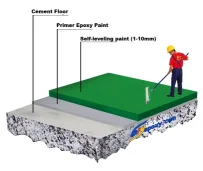
Epoxy Floor Coating Application Process

Answer: The standard process generally consists of six steps, outlined briefly below:

Substrate Preparation

Grinding and vacuuming; repairing hollow spots and cracks to ensure the floor is dry, solid, and level.

Applying Penetrating Primer

Sealing the floor with epoxy primer to enhance adhesion and reduce the risk of dusting or blistering.

Intermediate Leveling Coat

Applying an epoxy intermediate coat mixed with quartz sand or powder; troweling to level the surface and increase strength and thickness.

Fine Leveling / Putty Layer

Using epoxy putty to fill pinholes and minor irregularities, creating a smooth base for the topcoat.

Topcoat Application

Applying the epoxy topcoat via rolling or troweling to achieve the final color and finish; for ESD flooring, the conductive layer and grounding system are installed at this stage.

Curing and Maintenance

Allowing the floor to cure naturally; foot traffic and heavy loads are prohibited for 24–72 hours, and the floor is ready for normal use only after curing is complete.