+86 13638632902
 Jason@cleanroomequips.com

-

Fume hoods play a crucial role in laboratories, industries, and workplaces where hazardous chemicals are handled. Their primary functions include controlling chemical reactions, ensuring personnel safety, and protecting the environment by preventing the release of toxic fumes and vapors into the surrounding area. These safety devices are designed to create a controlled environment by effectively capturing, containing, and expelling harmful fumes, gases, or vapors generated during chemical processes. This article will explore the essential functions of fume hoods and how they contribute to safe...
Visits:632 | 2026-06-19
-
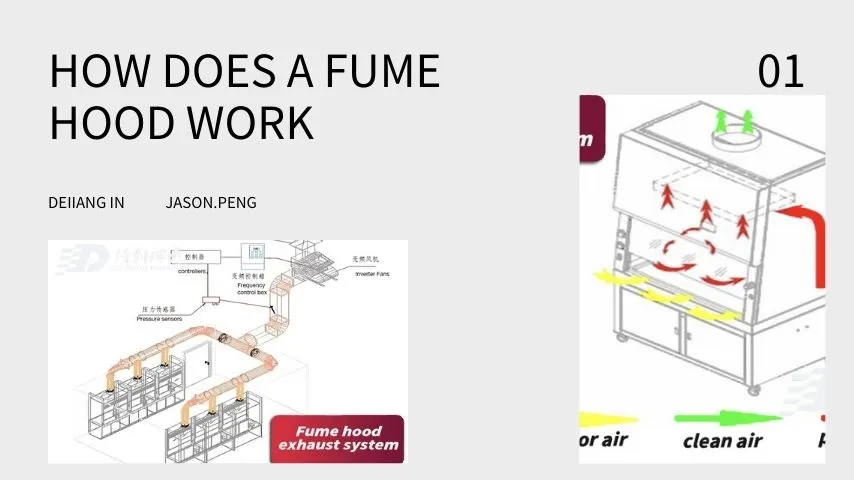
A fume hood, also known as a laboratory fume cupboard, is an essential safety device used in laboratories to prevent the inhalation of hazardous fumes, vapors, and dust. These contaminants could be toxic, flammable, or potentially harmful to human health. The fume hood works by capturing and containing these dangerous substances, providing protection for laboratory workers. This article explores the working principles of a fume hood, its components, types, and the importance of proper maintenance.Fume Hood Function and Operating PrinciplesFume hoods operate by drawing air from the laboratory i...
Visits:653 | 2026-06-19
-
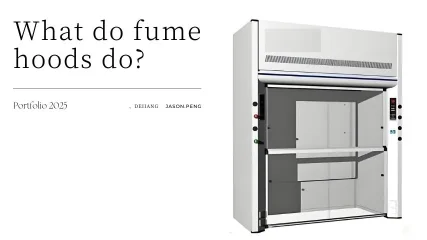
Lab fume hoods are crucial safety devices used in laboratories to protect workers from exposure to hazardous fumes, vapors, and dust. These contaminants could be harmful or toxic and are often generated during experiments involving chemicals, biological agents, or other substances. Fume hoods provide a controlled environment that captures and contains these hazardous materials, preventing them from entering the laboratory space and exposing lab personnel to potential health risks.Laboratory Fume Hood Working PrincipleDeiiang™ fume hood works by drawing contaminated air from the laboratory into...
Visits:822 | 2026-06-19
-
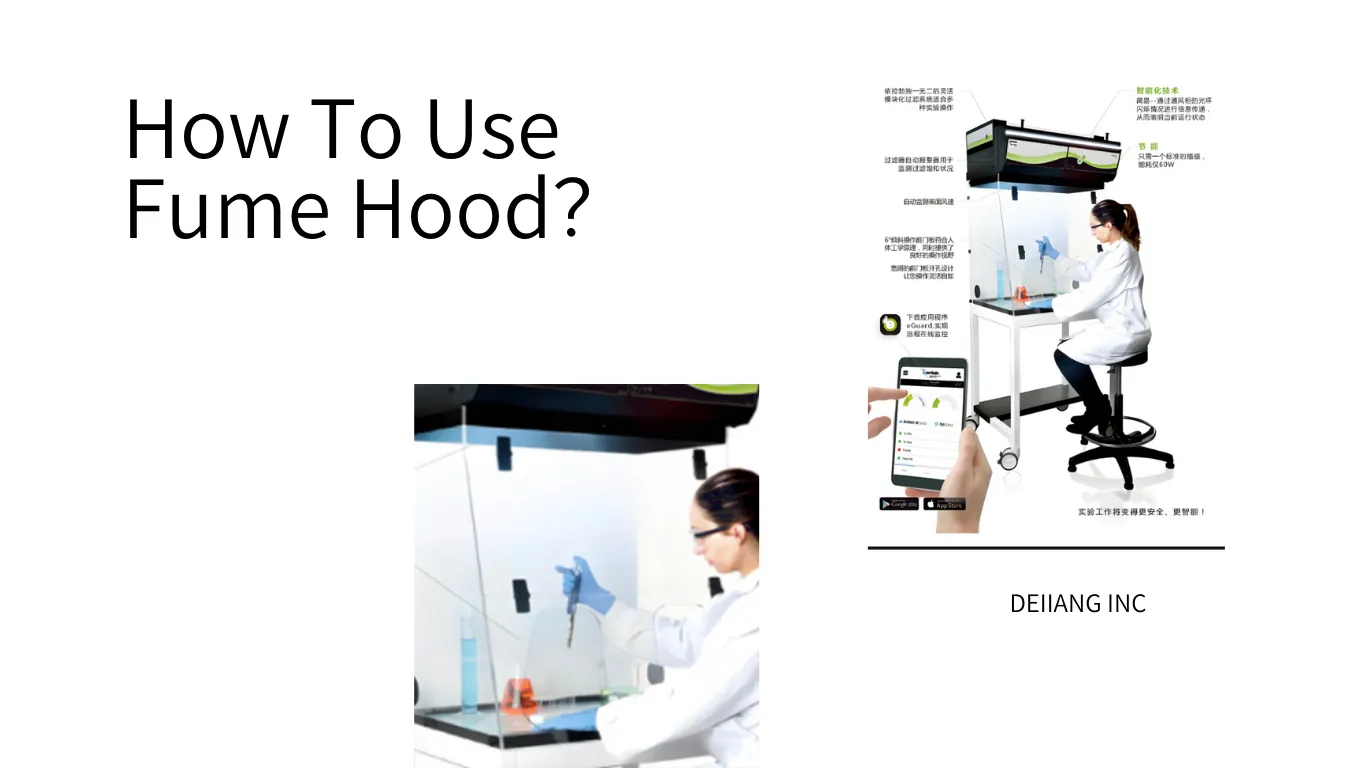
A fume hood is an essential safety device in laboratories, designed to protect workers from exposure to hazardous fumes, vapors, and dust. Proper use of a fume hood is critical for maintaining a safe working environment and ensuring that laboratory processes are conducted with minimal risk. Step-by-Step Guide to Using a Fume Hood 1. Adjust the Sash to the Recommended Height The first step in usin...
Visits:780 | 2026-06-30
-
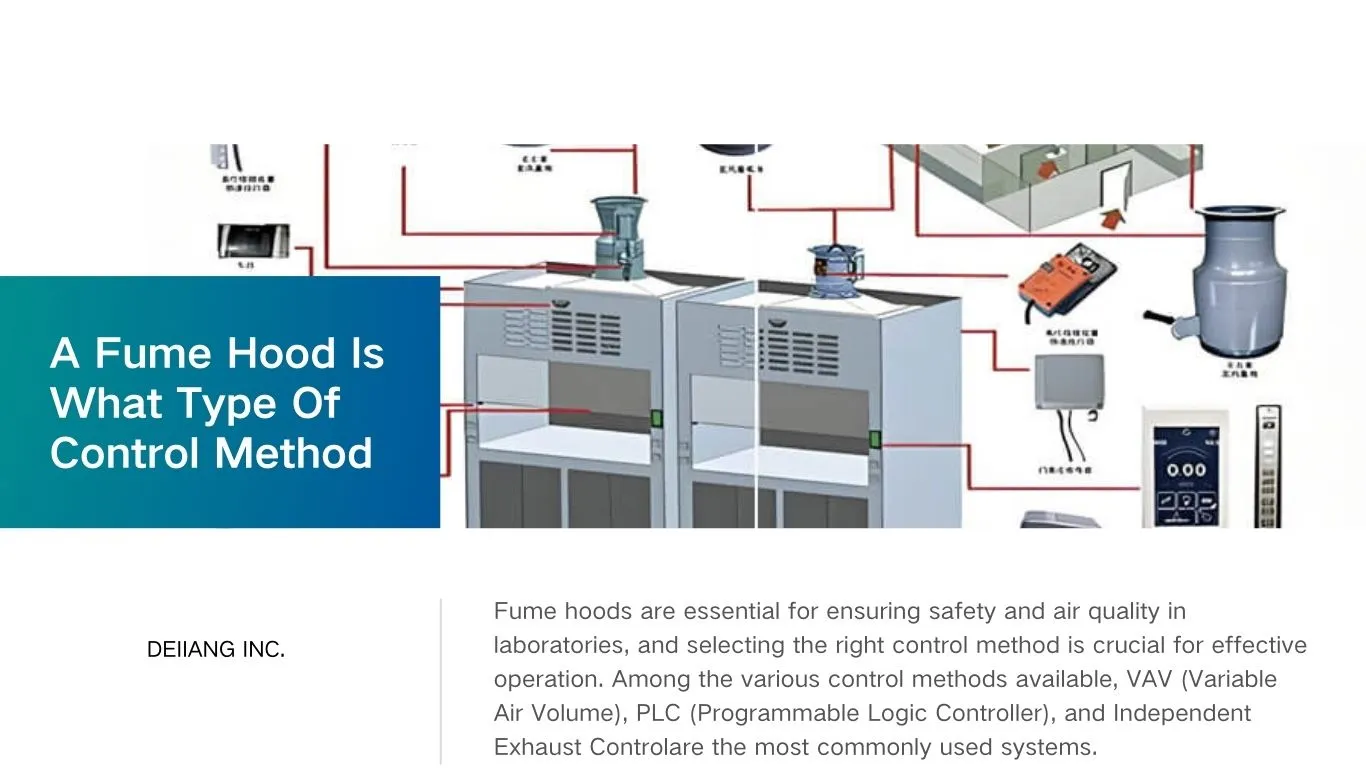
Laboratory Safety EssentialsIn modern laboratories, ensuring safety is paramount, and one of the critical components of this safety is the effective control of hazardous fumes and contaminants. A fume hood serves as an essential control method, protecting laboratory personnel from exposure to toxic chemicals.This article explores the intricacies of fume hood control methods, focusing on the advanced systems enhancing their functionality and efficiency.Fume Hood VAV Control SystemA Fume Hood Variable Air volume (VAV) Control System enhances energy efficiency while maximizing safety. This intell...
Visits:973 | 2026-06-23
-
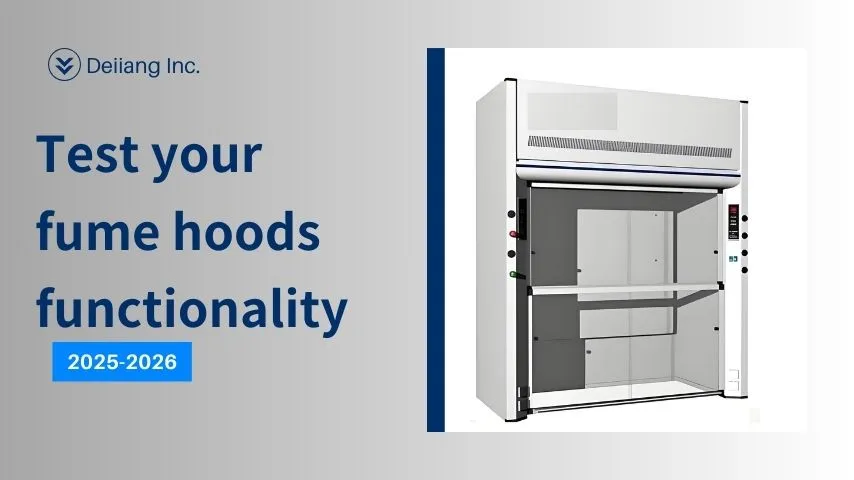
Fume hoods are critical safety equipment in laboratories, helping to remove hazardous fumes, vapors, and airborne contaminants. Regularly testing their functionality ensures they continue to perform efficiently and protect laboratory personnel. In this article, we’ll explore how you can effectively test your fume hood’s performance, adhering to international safety standards and ensuring its reliability.Test Items for Fume Hood FunctionalityWhen testing the functionality of a fume hood, several critical parameters need to be assessed. Airflow velocityContainmentExhaust efficiencyStandards such...
Visits:1050 | 2026-06-19
-
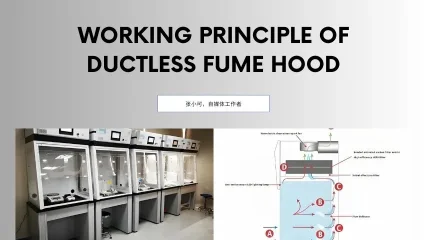
Ductless fume hoods are essential safety devices in laboratories, designed to protect users from hazardous fumes and vapors. Unlike traditional fume hoods, which vent air to the outside, ductless fume hoods filter and recirculate air within the laboratory. This article delves into the working principles of ductless fume hoods, highlighting their design, functionality, and compliance with international standards.Principle of Air RecirculationThe primary working principle of a ductless fume hood is air recirculation. Air is drawn into the hood through the front opening, passing over the work sur...
Visits:854 | 2026-06-19
-
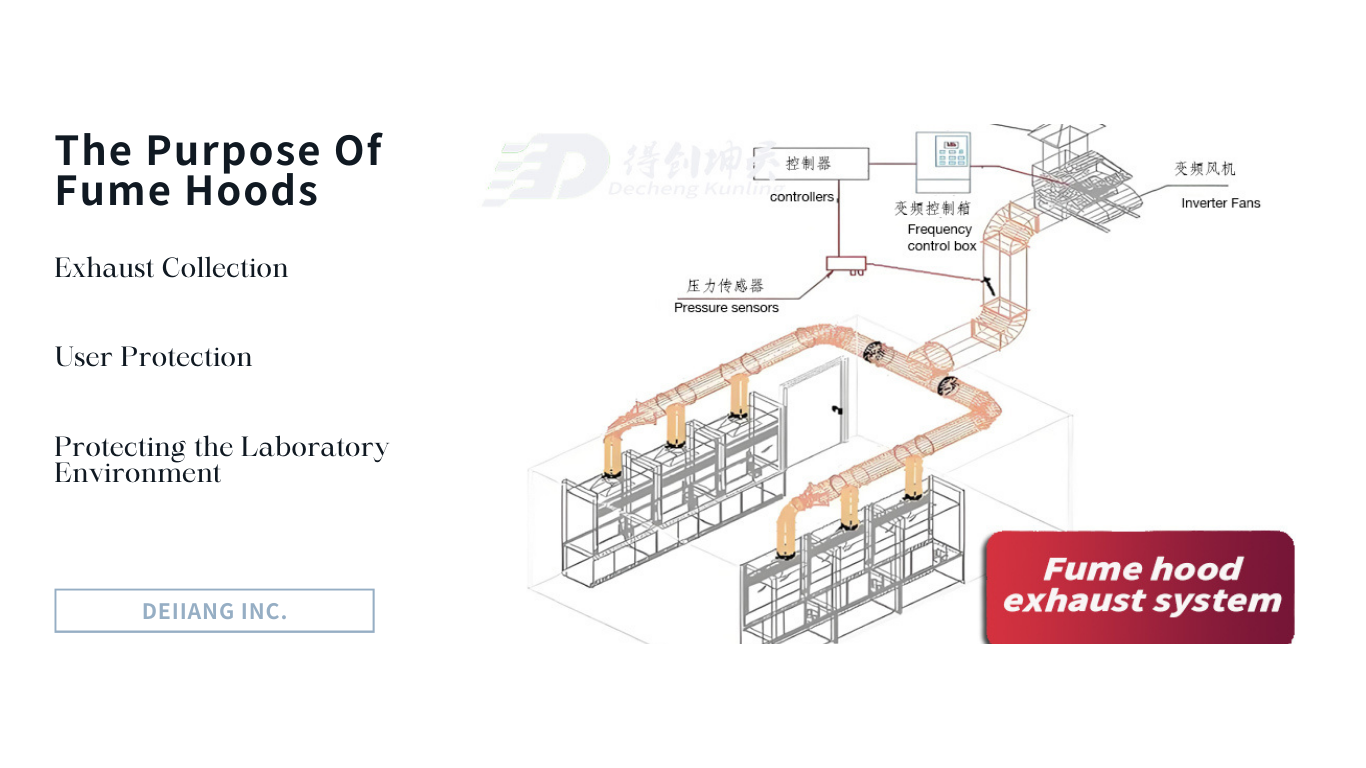
Fume hoods are indispensable safety devices used in laboratories to protect both personnel and the surrounding environment from hazardous fumes, vapors, and particulates. Their purpose extends beyond merely ventilating the workspace; they ensure a controlled atmosphere where harmful substances are effectively captured and neutralized. This article explores the primary functions of fume hoods, including exhaust collection, user protection, and laboratory environment protection.Exhaust Collection: Efficient Removal of Harmful GasesOne of the primary functions of a fume hood is to collect exhaust...
Visits:689 | 2026-06-19
-
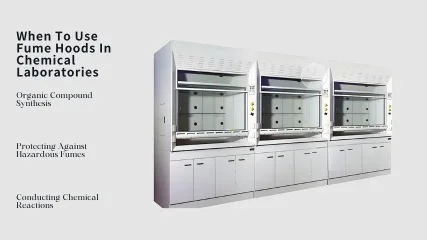
Fume hoods are essential tools in chemical laboratories, designed to protect users from hazardous fumes, vapors, and dust. Their proper use ensures a safe working environment and compliance with international safety standards. This article outlines when to use fume hoods, highlighting their importance in various chemical processes and the relevant guidelines that govern their application.Organic Compound SynthesisThe synthesis of organic compounds often involves the use of reactive and potentially hazardous chemicals. Reagents such as strong acids (e.g. sulfuric acid), bases (e.g. sodium hydro...
Visits:854 | 2026-06-19

 MENU
MENUX