+86 13638632902
 Jason@cleanroomequips.com


 MENU
MENUISO CleanRoom Classifications
The ISO cleanroom classification standard is specified by ISO 14644-1, which aims to classify cleanrooms of different levels according to the concentration of particulate matter in the air.
According to the air cleanliness standard in the cleanroom, cleanrooms are divided into multiple levels, from ISO Class 1 to ISO Class 9. The lower the level number, the lower the concentration of particulate matter allowed in the air and the higher the cleanliness requirement.
ISO 14644 is a series of international standards developed by the International Organization for Standardization (ISO) that outlines the requirements for cleanrooms and controlled environments. The purpose of these standards is to ensure that the cleanliness of air in these environments is controlled to minimize contamination, thus protecting product quality and safety in various industries.
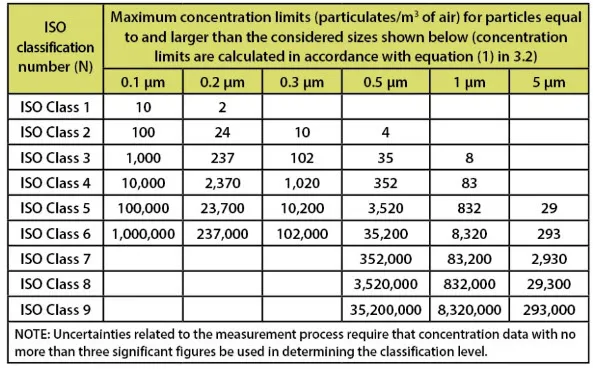
ISO 14644-1 Clean Room Standards
Airborne Particulate Cleanliness Classes | ||||||
| CLASS | Number of Particles per Cubic Meter by Micrometer Size | |||||
| 0.1 micron | 0.2micron | 0.3micron | 0.5micron | 1 micron | 5 microns | |
| IS01 | 10 | 2 | ||||
| ISO2 | 100 | 24 | 10 | 4 | ||
| IS03 | 1,000 | 237 | 102 | 35 | 8 | |
| IS04 | 10,000 | 2,370 | 1,020 | 352 | 83 | |
| IS05 | 100,000 | 23,700 | 10,200 | 3,520 | 832 | 29 |
| IS06 | 1,000,000 | 237,000 | 102,000 | 35,200 | 8,320 | 293 |
| IS07 | 352,000 | 83,200 | 2,930 | |||
| IS08 | 3,520,000 | 832,000 | 29,300 | |||
| IS09 | 35,200,000 | 8,320,000 | 293,000 | |||
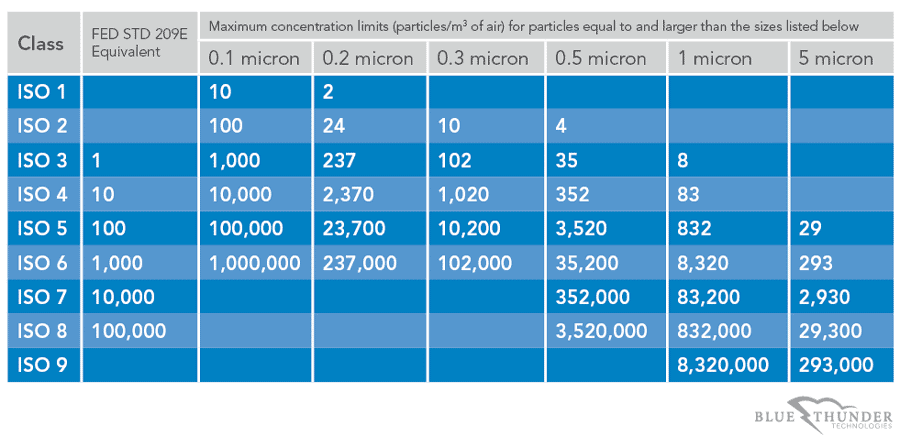
AirborneParticulate Cleanliness Class Comparison | ||
| ISO14644-1 | FEDERALSTANDARD209E | |
| ISO Class | English | Metric |
| ISO 1 | ||
| ISO 2 | ||
| ISO 3 | 1 | M1.5 |
| ISO 4 | 10 | M2.5 |
| ISO 5 | 100 | M3.5 |
| IS0 6 | 1,000 | M4.5 |
| ISO 7 | 10,000 | M5.5 |
| ISO 8 | 100,000 | M6.5 |
| ISO 9 | ||
Energy Efficient Low Operating Cost Cleanroom Airflow Design | ||
| FS Cleanroom Class | ISO Equivalent Class | Air Change Rate |
| 1 | ISO3 | 370-530 |
| 10 | ISO 4 | 300-530 |
| 100 | ISO 5 | 230-480 |
| 1,000 | IS0 6 | 150-230 |
| 10,000 | IS0 7 | 70-90 |
| 100,000 | ISO 8 | 5-48 |
Federal and lSO Airflow Velocity Standards | |||
| Class ISO 146144-1 (FSD 209E) | Average Airflow Velocity m/s(ft/min) | Air Changes Per Hour | Ceiling Coverage |
| ISO8(Class 100,000) | 0.005-0.041(1-8) | 5-48 | 5-15% |
| ISO 7(Class 10,000) | 0.051-0.076(10-15) | 70-90 | 15-20% |
| ISO 6(Class 1,000) | 0.127-0.203(25-30) | 150-230 | 25-30% |
| ISO 5(Class 100) | 0.203-0.306(30-80) | 230-480 | 35-70% |
| ISO 4(Class 10) | 0.254-0.457(50-90) | 300-530 | 50-90% |
| ISO 3(Class 1) | 0.305-0.457(70-90) | 370-530 | 70-100% |
| ISO 2 | 0.305-0.508(70-100) | 370-700 | 80-100% |
FAQ
What is clean room classification?
Classification of clean rooms refers to the process of determining location variations based on the number of particles present in the air. One of the most widely used sets of standards is the ISO 14644-1 standards. The ISO standards categorize clean rooms, which are usually numbered ISO 1 to ISO 9 based on the highest permissible concentration of airborne particles per cubic meter of air. Higher classifications (e.g., ISO 1) indicate cleaner environments with fewer particles.
What are the cleanroom classifications?
All clean room sectors are classified according to the ISO 14644-2 and FS 209E standards as follows: ISO 1, ISO 2, ISO 3, ISO 4, ISO 5, ISO 6, ISO 7, ISO 8, ISO 9 (ISO Classification) and Class 1, Class 10, Class 100, Class 1000, Class 10000 (FS 209E classification).
What is the FDA classification of clean rooms?
Classification of clean rooms according to the conditions set by the Food and Drug Administration (FDA) is based on some vectors of airborne particle factors. It could be noted: Class A clean room - ISO clean area with airborne particles not higher than 5.0 μm; Class B clean room - ISO 5 clean area that has both the presence of airborne particles larger than 0.5 μm and particles larger than 5.0 μm; Class C clean room - ISO 7 clean area that has the airborne particles present under static and dynamic conditions; Class D clean room - ISO 8 clean area having airborne particles present under static conditions only.
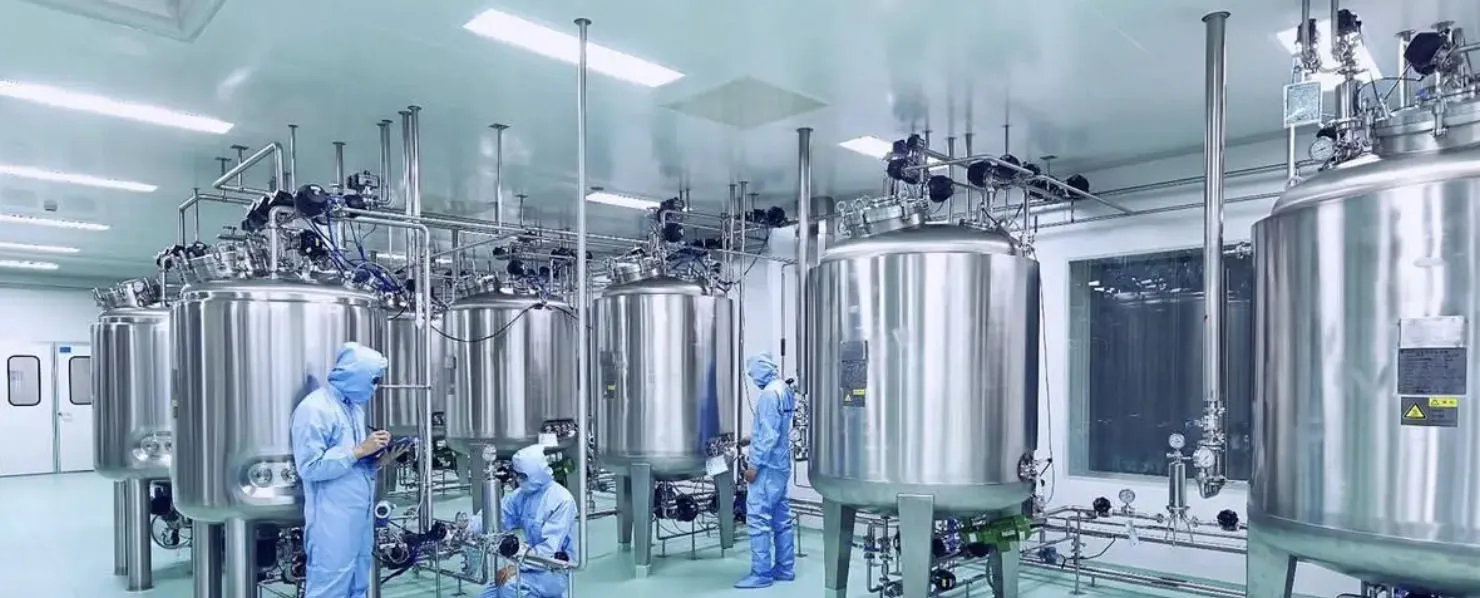
What is a Class 7 or 8 clean room?
ISO Class 7 clean room: Permissible dust particle count (0.5μm): not more than 352,000 particles per cubic meter.
ISO Class 8 clean room: Permissible dust particle count (0.5μm): not more than 3,520,000 particles per cubic meter.
What is class 1000 clean room?
A Class 1000 clean room, as defined by the Federal Standard 209E (FS209E), In a Class 1000 clean room, the environment is controlled to maintain an acceptable level of airborne particles, For particles of size 0.5 micrometers (μm) 1,000 particles per cubic foot (approximately 35,300 particles per cubic meter).
What is a class 10 clean room?
A Class 10 clean room, as defined by the Federal Standard 209E (FS209E), For particles of size 0.5 micrometers (μm). 10 particles per cubic foot (approximately 353 particles per cubic meter).
What are the lSO 6 standards?
Key Specifications for ISO 6 Clean Rooms:
For particles of 0.5 micrometers (μm) in size: 1,000,000 particles per cubic meter (approximately 35,300 particles per cubic foot).
For particles of 5.0 micrometers (μm) in size: 29,300 particles per cubic meter (approximately 1,000 particles per cubic foot).
ISO 6 defines a clean room environment with specific limits on airborne particulate contamination, providing guidance for industries that require controlled environments but do not need the stricter cleanliness levels of ISO 5 or higher classifications.
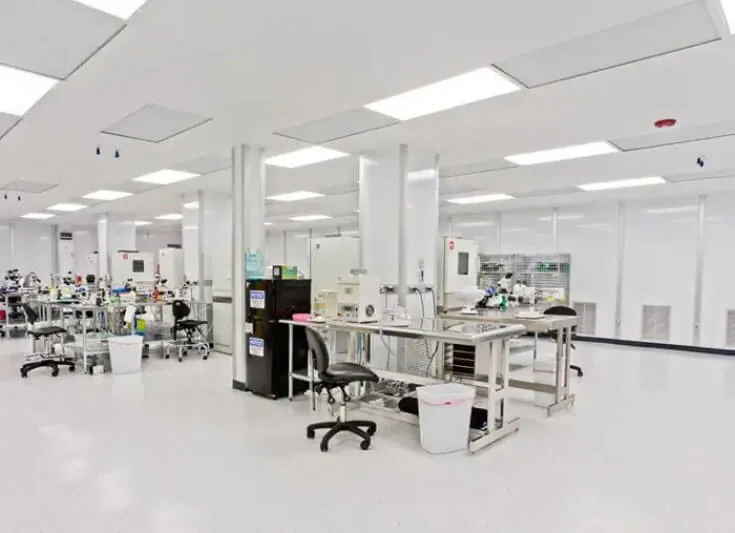
What is lSO 14644 clean room classification?
ISO 14644 is a global standard regulating cleanroom and controlled environment technologies, outlining standards that define the classification of air purity referring to airborne contamination.
The classification ranges from ISO Class 1 (most pure) and till ISO Class 9 (least pure).
What is GMP Class A and B cleanroom environments?
Class A: 3520 suspended particles greater than or equal to 0.5 microns and 20 suspended particles greater than or equal to 5.0 microns per cubic meter in a static environment. The requirements for dynamic environments are the same as for static.
Class B (Class B): per cubic meter, static environment, close to Class A, suspended particles greater than or equal to 0.5 microns are allowed 3520, and suspended particles greater than or equal to 5.0 microns are allowed 29. In a dynamic environment, 352,000 suspended particles greater than or equal to 0.5 microns and 2900 suspended particles greater than or equal to 5.0 microns are allowed.
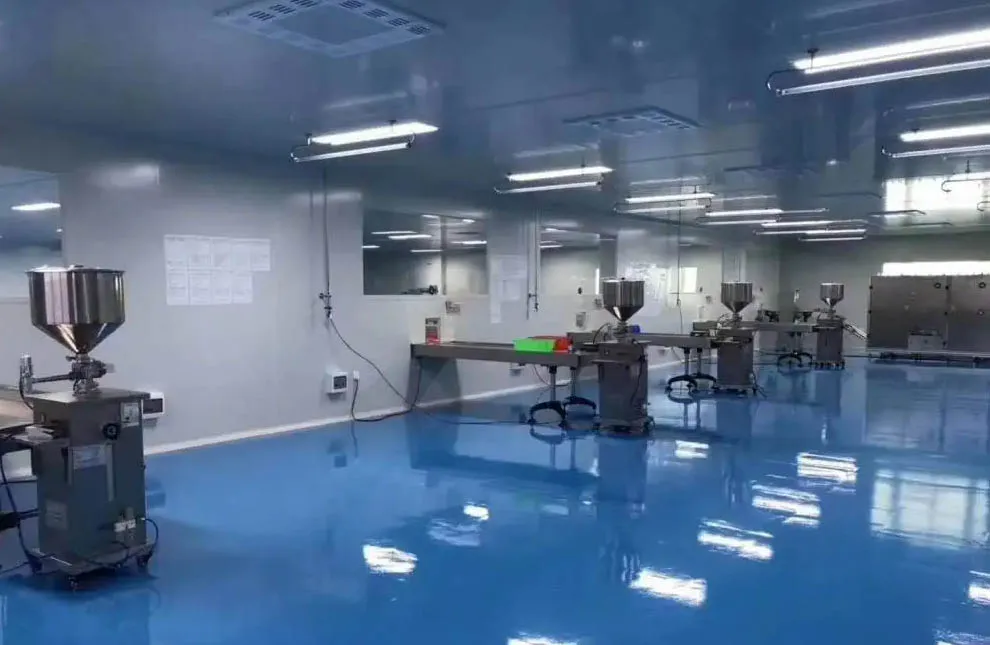
What is lSO 14644 clean room classification?
ISO (International Organization for Standardization) and GMP (Good Manufacturing Practice) are both important frameworks that establish standards for cleanrooms, but they serve different purposes and focus on different aspects of cleanroom management and operation.