+86 13638632902
 Jason@cleanroomequips.com


 MENU
MENUISO 6 Cleanrooms
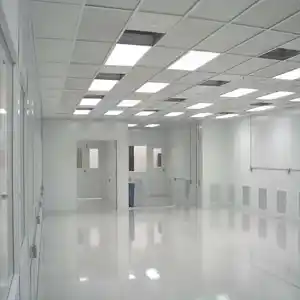
An ISO Class 6 cleanroom is a controlled environment with strict cleanliness standards designed to minimize particulate contamination in the air. It is classified according to the ISO 16px644-1 standard, which sets limits on the number of airborne particles in a given volume of air, as well as other environmental factors like temperature, humidity, and pressure.
1. Particulate Limits
ISO Class 6 allows a maximum of 35,200 particles per cubic meter (or 1,000 particles per cubic foot) for particles 0.5 microns or larger.
An ISO Class 6 cleanroom typically requires 30 to 60 air changes per hour (ACH) to maintain the cleanliness level. Higher ACH rates help dilute and remove contaminants from the air more effectively.
2. Environmental Control
Humidity: Typically controlled between 30% and 60% relative humidity to prevent static buildup and product degradation.
Pressure: The typical pressure differential is about 10-15 Pa (0.04 to 0.06 inches of water column).
ISO Class vs. FED STD 209E Equivalent
| ISO Class | Maximum Particles/m³ | FED STD 209E Equivalent | |||||
|---|---|---|---|---|---|---|---|
| ≥0.1μm | ≥0.2μm | ≥0.3μm | ≥0.5μm | ≥1μm | ≥5μm | ||
| ISO 1 | 10 | 2 | |||||
| ISO 2 | 100 | 24 | 10 | 4 | |||
| ISO 3 | 1,000 | 237 | 102 | 35 | 8 | Class 1 | |
| ISO 4 | 10,000 | 2,370 | 1,020 | 352 | 83 | Class 10 | |
| ISO 5 | 100,000 | 23,700 | 10,200 | 3,520 | 832 | 29 | Class 100 |
| ISO 6 | 1,000,000 | 237,000 | 102,000 | 35,200 | 8,320 | 293 | Class 1,000 |
| ISO 7 | 352,000 | 83,200 | 2,930 | Class 10,000 | |||
| ISO 8 | 3,520,000 | 832,000 | 29,300 | Class 100,000 | |||
| ISO 9 | 35,200,000 | 8,320,000 | 293,000 | Room Air | |||
Comparison Table: GMP / ISO / FED
| Grade | China GMP / Europe GMP | ISO 14644-1 | FED STD 209E | |||||
|---|---|---|---|---|---|---|---|---|
| Static | Dynamic | |||||||
| ≥0.5μm | ≥5μm | ≥0.5μm | ≥5μm | Static | Dynamic | Static | Dynamic | |
| A | 3,520 | 20 | 3,520 | 20 | ISO 5 | ISO 5 | 100 | 100 |
| B | 3,520 | 29 | 352,000 | 2,900 | ISO 5 | ISO 7 | 100 | 10,000 |
| C | 352,000 | 2,900 | 3,520,000 | 29,000 | ISO 7 | ISO 8 | 10,000 | 100,000 |
| D | 3,520,000 | 29,000 | - | ISO 8 | - | 100,000 | - | |
Ventilation Times (ACH)
| ISO Class | ACH (Air Changes Per Hour) |
|---|---|
| ISO 3 | 360 - 540 |
| ISO 4 | 300 - 540 |
| ISO 5 | 240 - 480 |
| ISO 6 | 50 - 60 |
| ISO 7 | 30 - 40 |
| ISO 8 | 15 - 25 |
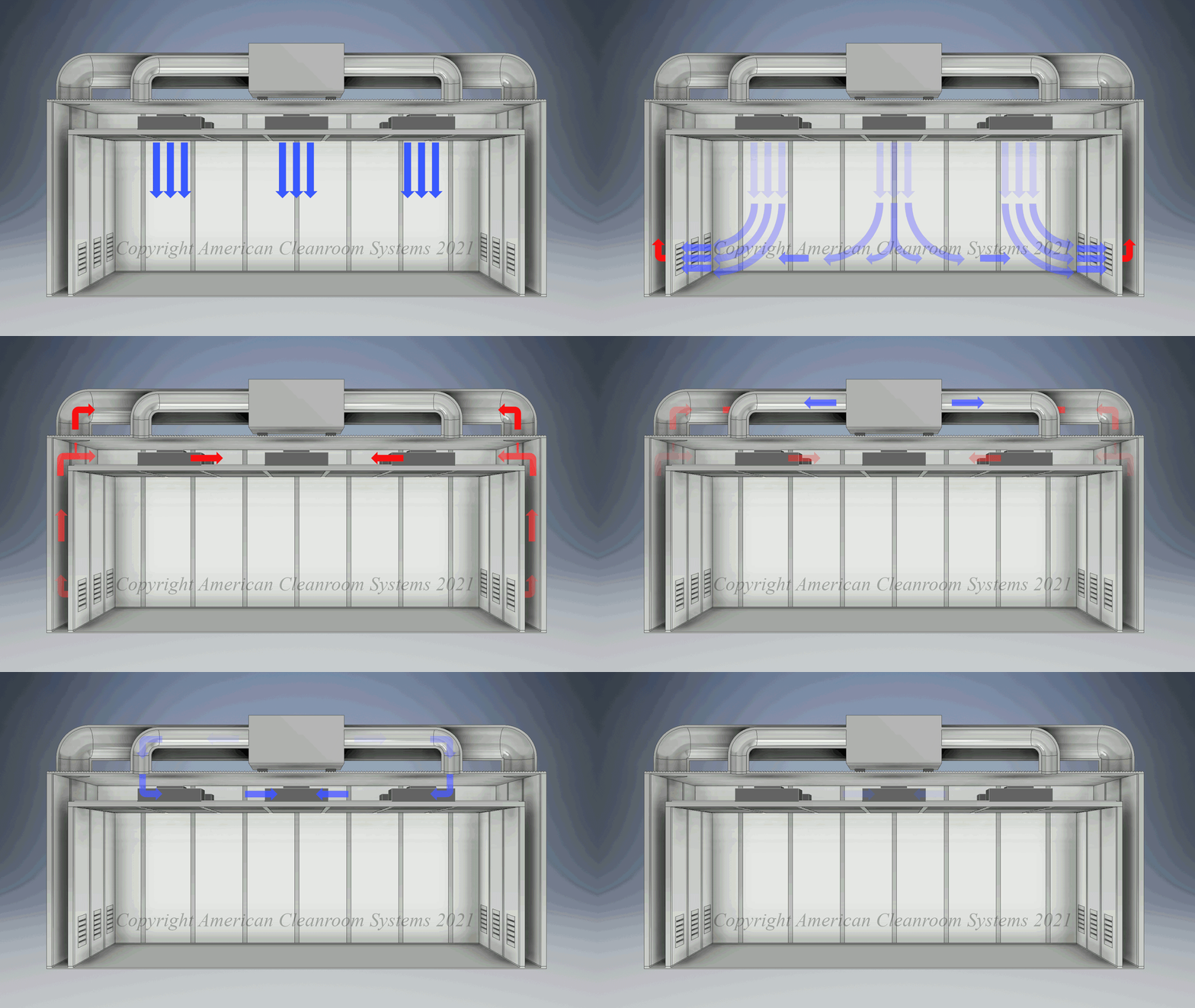
ISO Class 6 Clean Room Airflow
Air supply from air conditioner:
The air treated by the air conditioner is sent to the return air layer
Air filtration:
The air is deeply filtered through HEPA or ULPA filters to ensure that the cleanliness meets the required ISO level.
Air distribution:
Laminar flow (such as unidirectional flow) or mixed flow is usually used to maintain the uniformity and fluidity of indoor air.
Air return:
The clean room air passes through the return air layer, and 15% of the return air returns to the air conditioner for further treatment
|
|
|

| Internal circulation airflow | Vertical unidirectional airflow | Vertical external circulation airflow |
Cleanrooms Wall Panels
Size and appearance
Ensure that the size and shape of the product meet the design requirements and have no obvious defects.
Physical properties
Such as compression, tension, impact resistance and other tests to ensure the strength and durability of the material.
Surface treatment
Confirm that the surface is smooth, the coating is uniform, and there are no bubbles, peeling, etc.
Test report
Fire and corrosion resistance test
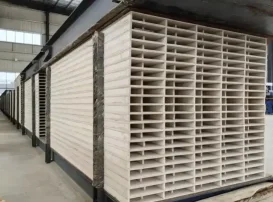 | 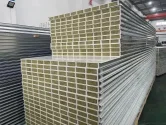 |  |
| MGO Panel | Rock Wool Panel | MGO Rock Wool Panel |
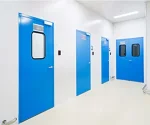
Cleanrooms Doors
Steel standard
Select high-quality steel that meets national and international standards to ensure its corrosion resistance and strength.
Surface treatment
The surface of the door body should be treated with anti-rust treatment (such as spraying, anodizing, etc.) to ensure durability and easy cleaning.
Insulation material
The door core material should have good heat insulation and sound insulation properties, and insulating materials such as polyurethane or rock wool are usually used.
Production process
Production is carried out strictly in accordance with standardized processes, including cutting, forming, welding and painting
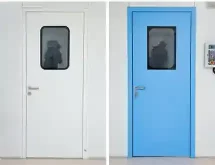 | 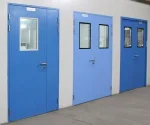 |  |
| single doors | double doors | sliding doors |
Cleanrooms Windows
Steel standard
Select high-quality steel that meets national and international standards to ensure its corrosion resistance and strength.
Surface treatment
The surface of the door body should be treated with anti-rust treatment (such as spraying, anodizing, etc.) to ensure durability and easy cleaning.
Insulation material
The door core material should have good heat insulation and sound insulation properties, usually using insulating materials such as polyurethane or rock wool.
Production process
Strictly follow the standardized process for production, including cutting, forming, welding and painting, to ensure stable quality in each link.
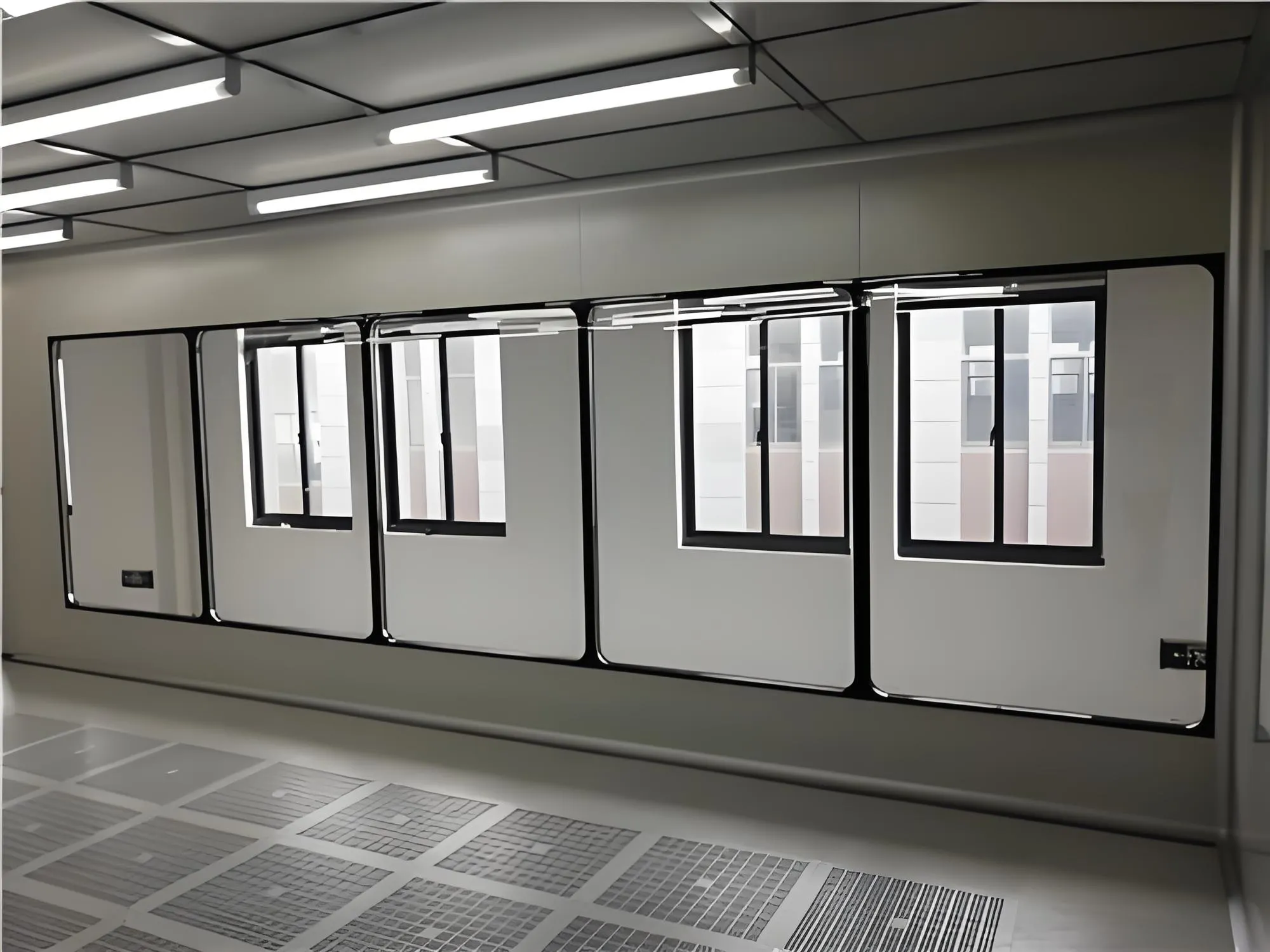 |  |  |
| cleanrooms windows | Double hollow window | double decontamination windows |
ISO Class 6 Clean Room Celling
Specifications: Thickness: 980, 1180
Panel material: 50mm, 75mm, 100mm
Core material: color-coated steel plate, stainless steel plate, rock wool, gypsum, glass magnesium, aluminum honeycomb, etc.
Accessories: Keel: 0.8 galvanized plate
Application scope: food, medicine
Others: Coating: PE (polyester), PVDF (fluorocarbon), HDP (high weather-resistant polyester)
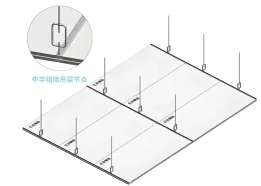 | 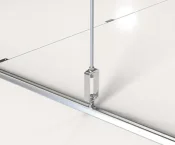 |  | 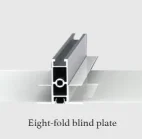 |
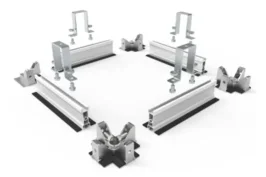
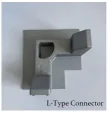
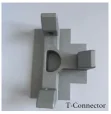
Easy installation: FFU keels are designed according to the characteristics of clean rooms and are easy to disassemble and assemble
Factory prefabrication: The ceiling system is modularly designed, highly malleable, and can be cut on site
Flexible matching: It can be a double-layer ceiling structure or a single-layer ceiling with FFU keels on the lower layer
 |  |  |  |
ISO Class 6 Clean Room Floor
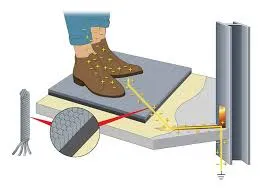
Antistatic performance: Designed for sensitive electronic equipment and laboratory environments, it can effectively prevent static electricity from damaging equipment.
Maintainability: The elevated design makes it easy to maintain and manage pipes and cables under the floor.
Flexibility: The floor height can be adjusted as needed to facilitate the layout and modification of equipment.
Breathability: Certain designs allow air flow to help maintain environmental control in the clean room.
 | 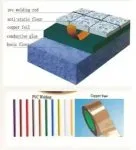 |  |
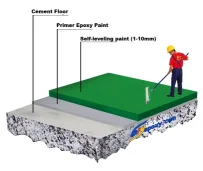
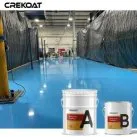
Flexibility: PVC flooring adhesive has good flexibility and impact resistance.
Anti-slip: There is an anti-slip surface treatment to ensure the safety of personnel while working.
Easy to install: Usually provided in roll or tile form, installation is simple and quick.
Diversity: A variety of colors and textures are available for easy visual zoning and aesthetics.
 |  |  |
FAQ
An ISO Class 6 cleanroom is an environment that has strictly controlled levels of particulate matter in the air and other variables in the surrounding environment. Cleanrooms with these characteristics are essential for industries that rely on product safety and quality, as contamination can occur during the process or after the product has been made.
The maximum number of permitted particles per cubic meter is defined as:
≥ 0.1 microns: 1,000,000 particles
≥ 0.2 microns: 237,000 particles
≥ 0.3 microns: 102,000 particles
≥ 0.5 microns: 35,200 particles
≥ 1.0 microns: 8,320 particles
≥ 5.0 microns: 293 particles
Initial Preparation: All personal items must be removed (jewelry and watches) before entering the gowning area.
Hand Washing: Hands must be washed and dried.
Gowning Sequence:
Hair Cover: A hairnet or hood to cover all hair.
Face Mask: A mask to cover the nose and mouth to prevent contamination from respiratory particles.
Beard Cover: If applicable, a beard cover for any facial hair.
Shoe Covers: Shoe covers to prevent contamination from footwear.
Coverall: A full-body coverall made from non-shedding material, such as Tyvek or similar fabric. The coverall should be zipped up completely.
Gloves: Gloves made of nitrile or latex, covering the wrists and fitting snugly over the sleeves of the coverall.
Eye Protection: May be required to prevent contamination from skin flakes or hair.
Don Hood: A hood to cover the head and neck. This ensures no skin or hair is exposed.
Final Check: Check that all gowning items are in place and that there are no gaps where particles can escape.
The ISO (International Organization for Standardization) has detailed guidelines on cleanrooms and controlled environments in the ISO 14644 series. The first standard in this series is ISO 14644-1 which deals with the classification of air cleanliness by defining the limits for concentrations of airborne particles.
The major difference between ISO Class 6 and ISO Class 7 cleanrooms is that ISO Class 6 cleanrooms have a better limitation on the concentration of airborne particles. This affects numerous aspects of the design, operation and use of a cleanroom as well as the applications that can be implemented in the cleanroom.
An ISO 7 cleanroom is a controlled environment classified under the ISO 14644-1 standard where the maximum permissible concentration of airborne particles is specified. This classification of a cleanroom provides a definition of the cleanliness of the air in the cleanroom and is used in a number of industries to assure that processes which are sensitive to contamination are performed in an appropriate environment.
An ISO-6 cleanroom is a classification described in ISO 14644-1, where the amount of particles allowed in the air is strictly limited. There can be no more than 35,200 particles in a cubic meter of air with a size of 0.5 microns, and no more than 8,320 particles in a cubic meter of air with a size of 1.0 microns. Cleanrooms with this classification are used in areas where the air needs to be extremely clean, such as in semiconductor manufacturing, as well as in biotechnology and pharmaceutical industries.
According to the standards of ISO 14644-1, an ISO 6 cleanroom allows no more than 35,200 particles of 0.5 microns or larger, and no more than 8,320 particles of 1.0 microns or larger, in a given cubic meter of air. These cleanrooms are used in semiconductor manufacturing, biotechnology, and pharmaceutical industries, to name a few. Stringent cleanroom standards are necessitated by the need to ensure product quality and minimize the risk of contamination. This in turn requires the use of sophisticated filtration systems, intensive air changes, and strict operational practices, which may include the use of special gowning and cleaning procedures.
An ISO Class 6 cleanroom, according to ISO 14644-1, must control the environment so that the number concentration of airborne particles is limited to 35,200 particles/m3 for particles of 0.5 microns and 8,320 particles/m3 for particles of 1.0 microns. Achieving this requires the use of advanced filtration systems of either HEPA or ULPA, high rates of air changes (150-240 changes/hour), and the strict observance of various procedures. Among these procedures are strict gowning procedures, frequent and thorough cleaning of the room, and various behavioral restrictions on the personnel to prevent contamination.
Gowning for an ISO 6 cleanroom is extremely strict to control contamination from personnel. Personnel must wear coveralls which include a hood, face mask, gloves, and shoe covers made from low-shedding materials. The gowning process is strictly sequenced. The process begins with the individual washing their hands and putting on gloves. Next, the coverall is put on, followed by the hood, face mask, and finally the shoe covers. This process is done in a gowning area to maintain cleanliness. The purpose of all of these procedures is to control the introduction of contaminants from personal clothes and bodily contaminants to maintain the particle limits required for an ISO 6 cleanroom.
Constructing an ISO Class 6 cleanroom allows us to manipulate our working environment to strictly control how many airborne particles are present. This requires specific engineering and construction skills. To achieve this, a cleanroom needs a filtration system made of either HEPA or ULPA filters, which need to maintain a maximum particle count of 35,200 particles per cubic meter for particles ≥0.5 microns. The design focuses on high air change rates, which can be as high as 240 changes per hour. The goal is to remove as many contaminants as possible. The walls, ceilings, and floors of the cleanroom can be made from smooth, non-shedding materials that are easy to clean. The design includes airlocks and gowning areas to control how many people enter the cleanroom and to minimize contamination. Additionally, a cleanroom is maintained under positive pressure to prevent contaminants from entering the cleanroom from other surrounding areas. This is especially important when performing delicate tasks in the pharmaceutical and biotechnology industries, as well as in the semiconductor manufacturing industry.