+86 13638632902
 Jason@cleanroomequips.com


 MENU
MENUcompanies like











How to Work With Us

Submit Requirements
Provide your site dimensions, required ISO class, and industry-specific needs (GMP, ESD, etc.) to our experts.

Custom Technical Proposal
Receive a detailed design proposal within 24 hours, including airflow strategies, material lists, and transparent pricing.

Modular Production
We manufacture your modular panels, HVAC units, and FFUs with strict QC to ensure full compliance with ISO 14644 standards.

Global Shipping & Setup
Fast global logistics followed by onsite installation guidance and performance validation to get you operational quickly.
Sound insulation ≥44db(GBJ121-88)
Superior heat insulation performance, waterproof and moisture-proof
Beautiful appearance.
High density, anti-bending, can be sawed, nailed and glued.
Environmentally friendly
Anti-freezing, anti-cracking.
Weatherproof
Light weight, very easy to insulate and disassemble
Safe, 100% free of asbestos, formaldehyde and benzene
Lifespan >20 years
FAQ
1. What is the best way to store cleanroom wall panels?
The best way to store cleanroom wall panels is in a clean, dry environment where they are protected from moisture, dust, and physical damage. Panels should be stacked flat on a clean surface, with appropriate padding in between to prevent scratches or dents. It is also important to keep the panels upright and avoid exposing them to extreme temperatures or direct sunlight, which could compromise their integrity.
2. How do you measure cleanroom panel performance?
Cleanroom panel performance can be measured through various criteria, including cleanliness level, air permeability, thermal insulation, and fire resistance. Testing for cleanliness typically involves assessing particulate contamination levels in accordance with industry standards, while thermal insulation can be evaluated by determining the R-value. Additionally, fire resistance is measured through standardized fire tests, ensuring panels meet specific safety regulations.
3. Are cleanroom wall panels soundproof?
Cleanroom wall panels are not specifically designed to be soundproof; however, they can provide some degree of sound attenuation depending on the materials used. Panels with added insulation or those constructed from denser materials can help minimize noise levels within the cleanroom environment. For optimal soundproofing, additional sound-dampening solutions may be necessary to complement the panels.
4. What is the R-value of cleanroom wall panels?
The R-value of cleanroom wall panels varies based on the materials and construction methods used. Generally, cleanroom panels can have R-values ranging from R-5 to R-20, with higher values indicating better thermal insulation properties. Selecting panels with appropriate R-values is crucial for maintaining temperature control and energy efficiency in cleanroom applications.
5. Are cleanroom wall panels fire-rated?
Many cleanroom wall panels are fire-rated, meaning they have been tested and classified according to fire resistance standards. Fire-rated panels are designed to slow the spread of flames and reduce smoke production in case of a fire. When selecting cleanroom panels, it is important to verify their fire rating to ensure compliance with safety regulations and industry standards.
6. Can cleanroom panels be used in education facilities?
Yes, cleanroom panels can be used in education facilities, particularly in science labs or research areas requiring controlled environments. These panels provide a clean and safe workspace for experiments, ensuring contamination is minimized. When implementing cleanroom technology in educational settings, it is essential to consider the specific needs of the curriculum and the level of cleanliness required.
7. What is the difference between modular and traditional cleanroom panels?
Modular cleanroom panels are prefabricated components that can be easily assembled and reconfigured, allowing for flexibility in design and layout. In contrast, traditional cleanroom panels are often custom-built on-site, which can be more time-consuming and costly. Modular systems offer advantages in terms of scalability and adaptability, making them suitable for facilities that may need to change over time.
8. What is the cost of MGO cleanroom panels?
The cost of MGO cleanroom panels typically ranges from \$10 to \$25 per square foot, depending on factors such as thickness, finish, and specific features. While MGO panels may have a higher upfront cost compared to some other materials, their durability and performance can result in long-term savings through reduced maintenance and energy efficiency. Consulting with suppliers for precise pricing based on project specifications is advisable.
9. What is the difference between MGO panels and drywall?
MGO panels differ from drywall in several key aspects, including composition, durability, and performance. MGO panels are made from magnesium oxide, which provides superior moisture resistance and fire ratings compared to traditional drywall. Additionally, MGO panels are more durable and less prone to damage, making them a preferred choice in environments requiring high levels of cleanliness and structural integrity.
10. Can MGO panels provide thermal mass?
MGO panels can provide some degree of thermal mass due to their density and material properties. This thermal mass helps regulate temperature fluctuations within a cleanroom environment by absorbing and releasing heat. While they may not offer as much thermal mass as heavier materials like concrete, MGO panels can still contribute to energy efficiency and climate control in cleanroom applications.
11. What is the average lead time for cleanroom panels?
The average lead time for cleanroom panels can vary significantly based on the manufacturer, material, and customization requirements. Typically, lead times range from 4 to 12 weeks, but factors such as order volume and production schedules can influence this timeframe. Planning ahead and placing orders early can help ensure timely delivery for cleanroom projects.
12. How do cleanroom panels impact building design?
Cleanroom panels significantly impact building design by influencing the layout, materials, and airflow systems within the facility. Their modular nature allows for flexible design options, making it easier to adapt spaces for specific cleanroom requirements. Additionally, the integration of cleanroom panels affects HVAC systems, as maintaining appropriate air pressure and filtration becomes critical in ensuring the cleanliness of the environment.
13. What is the weight of cleanroom wall panels?
The weight of cleanroom wall panels varies based on their material composition and thickness. Generally, lightweight panels can weigh around 2 to 4 pounds per square foot, while denser panels, such as those made from metal or with added insulation, may weigh between 5 to 10 pounds per square foot. Understanding the weight is important for structural considerations and installation logistics in cleanroom construction.
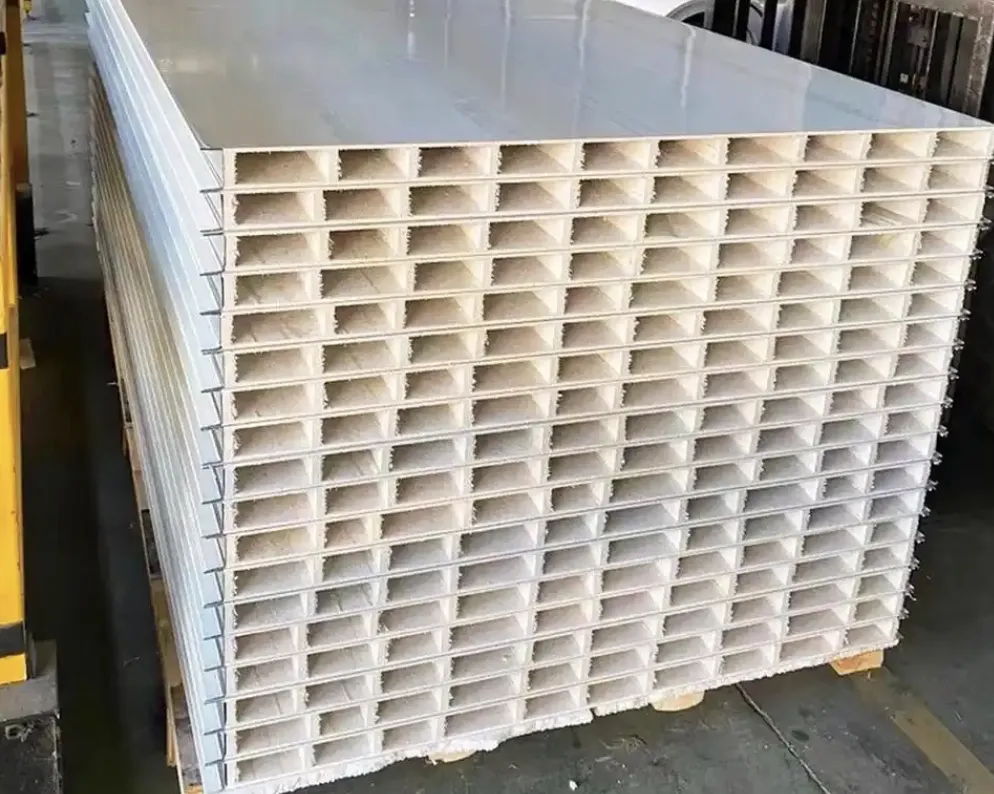
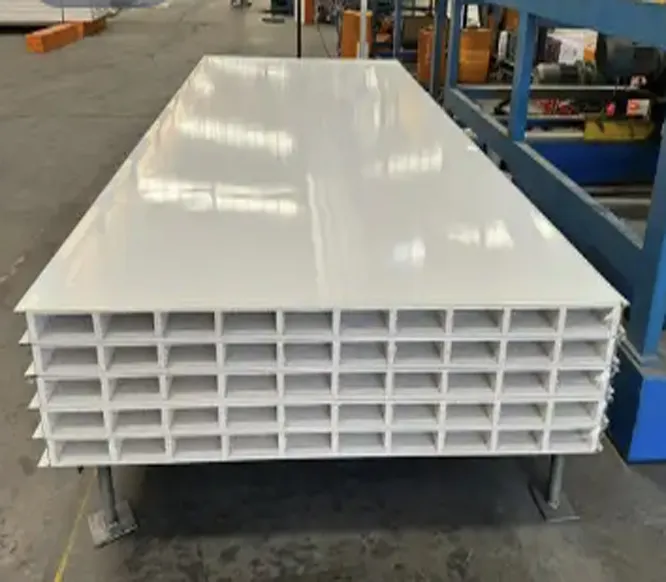
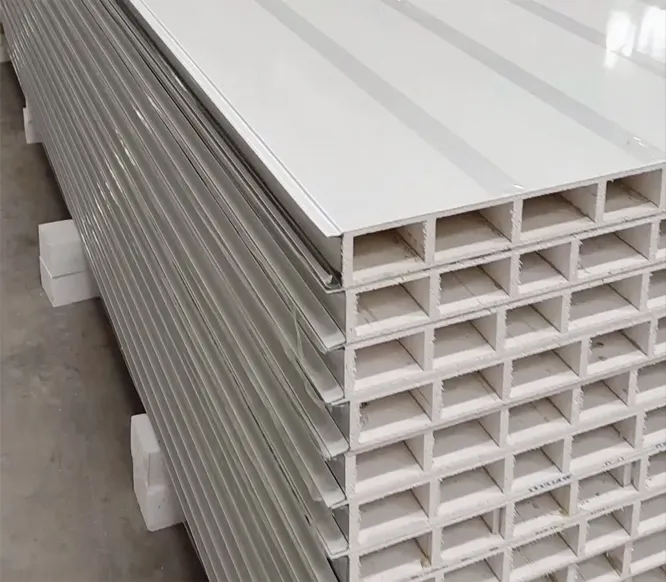
Cleanroom MGO Panel Data
| Parameter | Specification |
|---|---|
| Effective Width | 980 mm |
| Thickness | 50 mm | 100 mm |
| Length | Custom |
| Structure and Application | Splicing of mouthpiece |
| Steel Plate Thickness | 0.376 mm | 0.426 mm | 0.476 mm |
| Steel Plate Material | Painted Steel | SS304 |
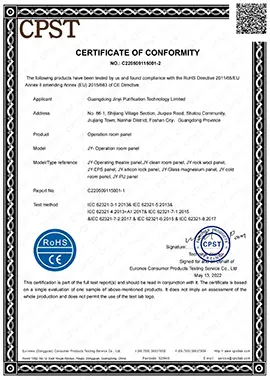
Operation room panel CE
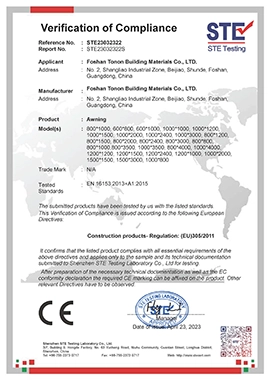
PC Panels CE certification
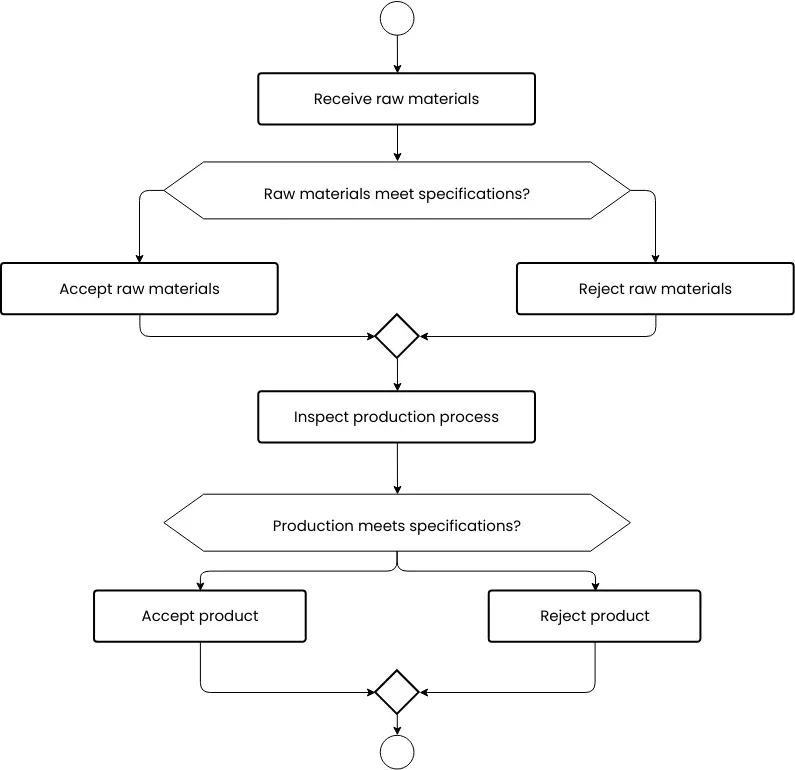
Deiiang MGO Panel Quality Control Flowchart