+86 13638632902
 Jason@cleanroomequips.com
 MENU
MENUX











A Laminar Flow Pass Box is a cleanroom transfer device that maintains cleanliness with ISO‑style unidirectional airflow, using a G4 primary filter plus an H14 liquid‑tank HEPA filter (99.995% @ 0.3 µm). Typical airflow velocity is 0.38–0.57 m/s, with filter differential pressure ranges of 0–500 Pa (HEPA) and 0–250 Pa (primary), measured with ±5 Pa accuracy. The unit integrates fan start/stop control, built‑in electronic door interlocks, independently switched UV sterilization, and a design that allows the HEPA filter to be removed and replaced from the top for easy maintenance, while operating at noise levels below 65 dB.
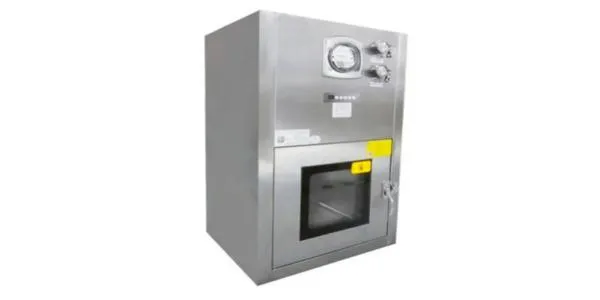
Our expert team engineers laminar flow pass box systems with stable unidirectional airflow and HEPA/ULPA filtration to protect your most critical transfers.
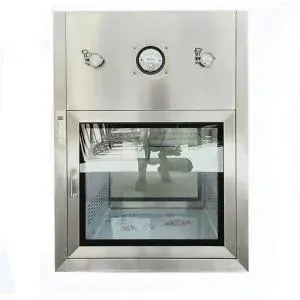
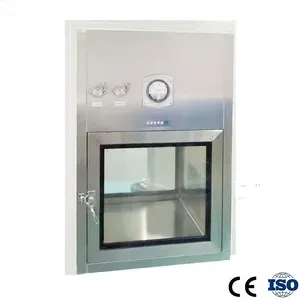
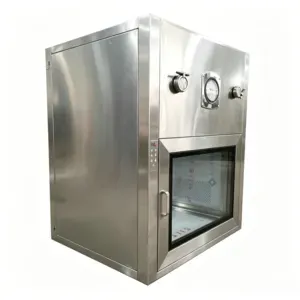
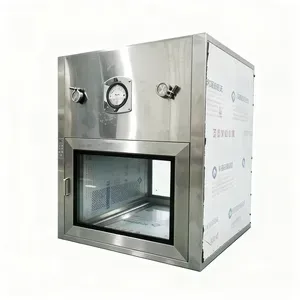
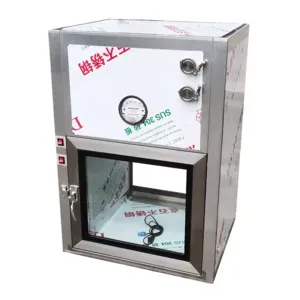
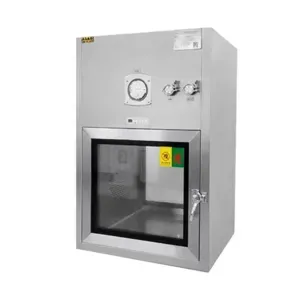
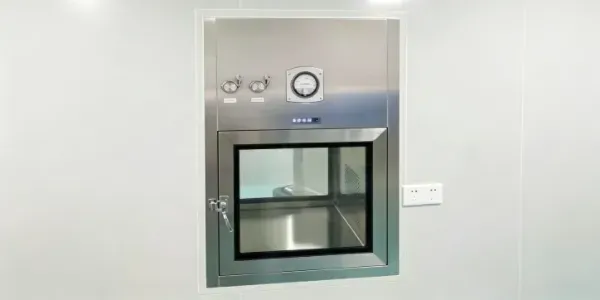
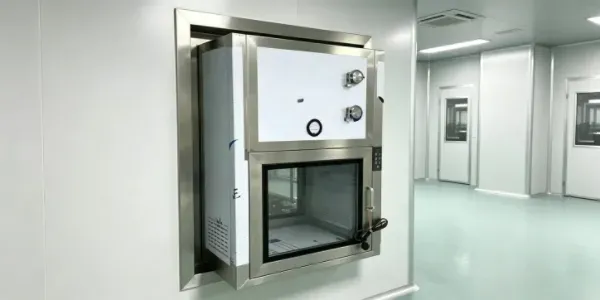
HEPA Laminar Flow Pass Box
Uses HEPA filters (typically 99.97% at 0.3 μm) with uniform laminar flow to give reliable, “workhorse” protection in most cleanroom material transfers.
Ideal for standard GMP pharma, med‑device, and electronics areas where the main goal is to control particles and basic bioburden without over‑engineering the system.
Balances performance and cost: easier to source filters, lower energy demand, and simpler qualification compared with ULPA, while still meeting most regulatory expectations.
Often selected after a risk assessment shows that HEPA‑level control is sufficient to protect products, patients, and yield, without adding unnecessary complexity.
Day‑to‑day maintenance is straightforward: regular HEPA integrity tests, airflow checks, and scheduled filter replacement keep performance stable and traceable.
ULPA Laminar Flow Pass Box
Uses ULPA filters with higher efficiency (up to around 99.9995% at ~0.12 μm), giving ultra‑low particle counts inside the transfer chamber.
Chosen for the toughest applications, such as high‑risk aseptic filling, advanced biotech, and sensitive micro‑electronics where even tiny particles can cause failures.
Offers tighter control but at a higher lifecycle cost: more demanding filters, higher pressure drop, and closer monitoring to keep performance within spec.
Best used when your contamination‑control strategy, process criticality, and audits clearly justify the need for ULPA‑level protection over a good HEPA solution.
Requires disciplined maintenance and documentation so the ULPA system stays validated over time and continues to deliver the extreme cleanliness it was purchased for.
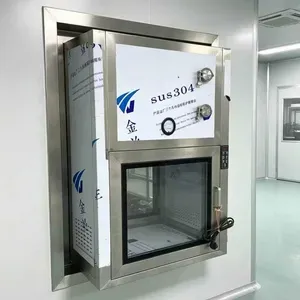
Deiiang Laminar Flow Pass Box helps pharma teams cut cross‑contamination risk, keep batch records clean, and move materials between cleanrooms without breaking strict GMP or FDA expectations.
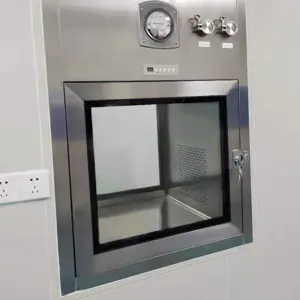
For vaccine and cell‑therapy labs, Deiiang Laminar Flow Pass Box offers controlled, one‑way material transfer, shrinking bio‑risk, false positives and manual disinfection workload for busy teams.
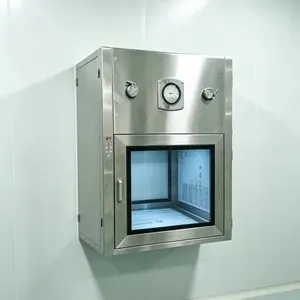
In hospitals, Deiiang Laminar Flow Pass Box smooths instrument and drug transfer, reducing hand‑offs, human error and airborne microbes between OR, ICU and CSSD, supporting infection‑control goals.
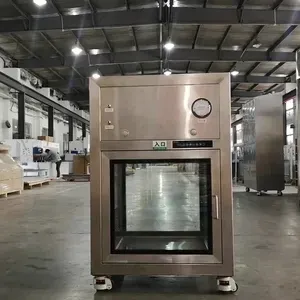
Deiiang Laminar Flow Pass Box keeps wafers, optics and micro‑parts moving between bays with ultra‑low particle load, helping engineers hit yield targets and reduce unplanned downtime in cleanrooms.
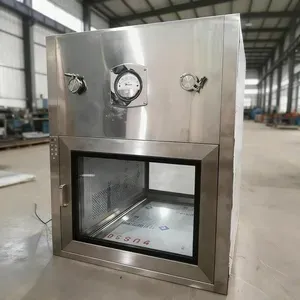
In food plants, Deiiang Laminar Flow Pass Box supports hygienic material transfer, lowering foreign‑matter and micro risks at critical points so QA teams can sleep better and pass audits.
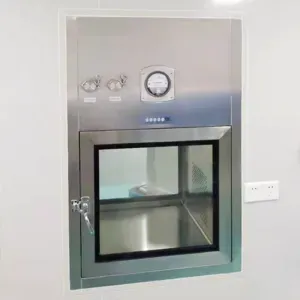
Deiiang Laminar Flow Pass Box helps cosmetic makers protect high‑value formulas when moving powders, bases and bulk, easing worries about micro limits, recalls and brand reputation.
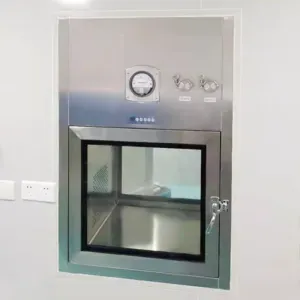
For testing labs juggling many sample types, Deiiang Laminar Flow Pass Box offers clean, traceable, low‑touch transfer, cutting mix‑up risk and supporting more consistent, defensible test results.
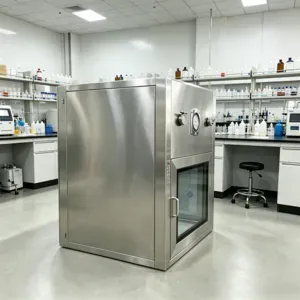
In research labs, Deiiang Laminar Flow Pass Box gives teams a simple way to protect sensitive experiments, move samples efficiently and meet evolving biosafety or cleanroom guidelines with less stress.

To start, simply select a manufacturing process and upload a 3D CAD file.

Within a few hours we'll send you design for manufacturability (DFM) analysis and real-time pricing.

Once you review your quote and place your order, we'll start the manufacturing process. We also offer finishing options.

Our digital manufacturing process allows us to produce parts in as fast as 1 day.
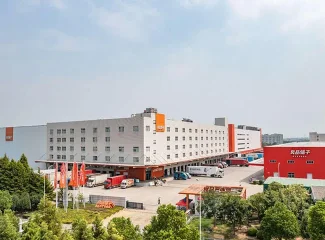
Deiiang is a professional supplier and manufacturer of cleanroom construction materials and equipments, providing you with comprehensive, one-stop solutions for cleanroom construction.
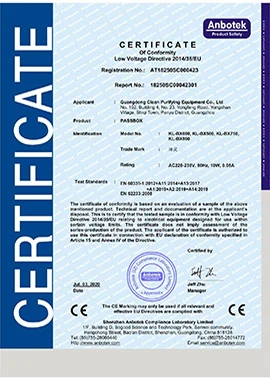
passbox CE Certification
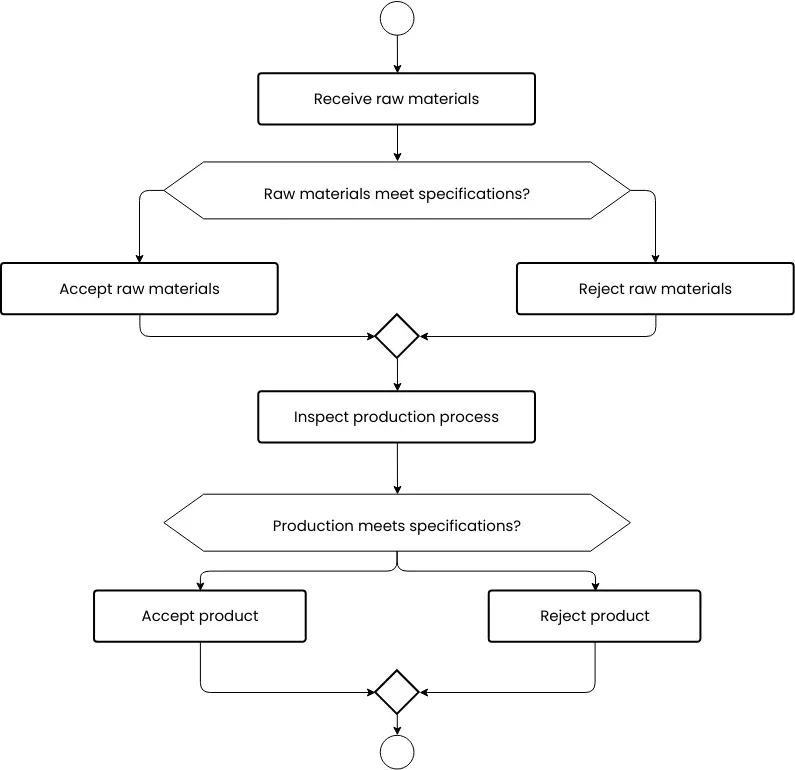
Deiiang Laminar Flow Pass Box Quality Control Flowchart
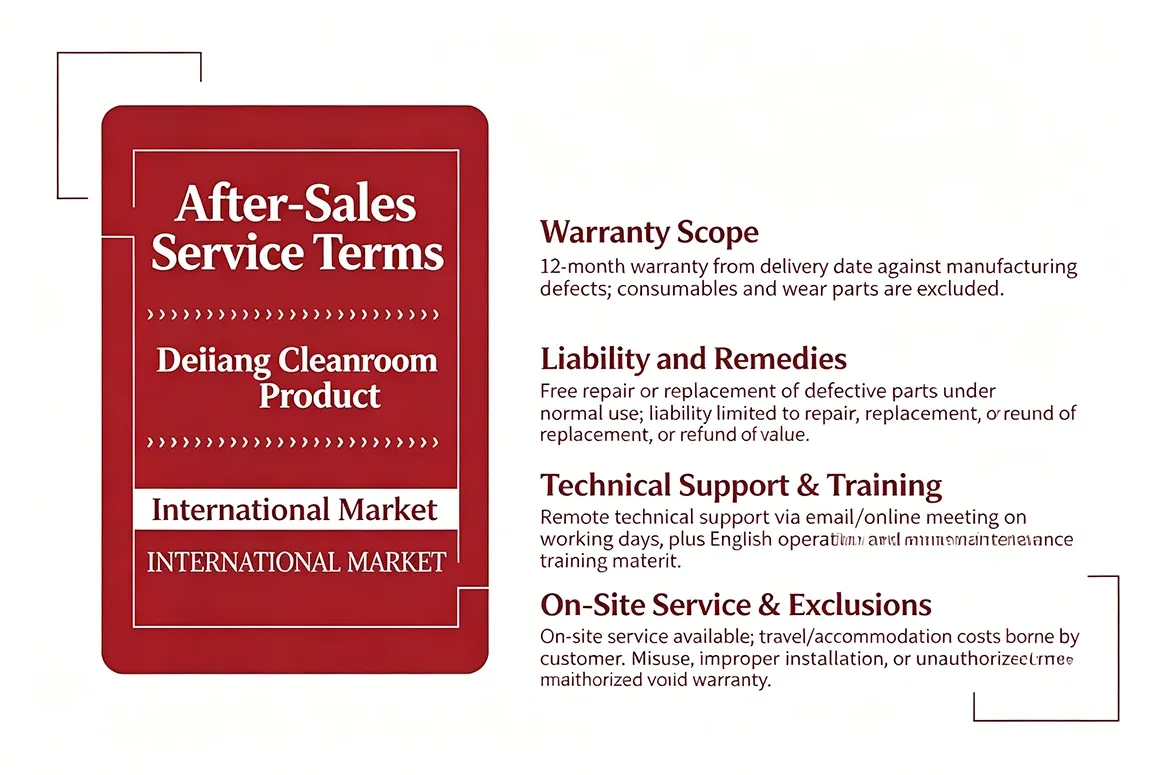
The Laminar Flow Pass Box is a device specifically designed for cleanroom environments. Its function is to allow items to be transferred between different environments without disrupting the cleanliness balance. It uses a laminar airflow system, where the filtered air flows in one direction, carrying away contaminants and particulate matter from the surface of objects, thus creating a sterile environment.
These pass boxes are typically installed between two controlled areas with different cleanliness levels. Once installed, they allow operators to safely and aseptically transfer items without physical contact. It is also equipped with interlocking doors to prevent air convection between the two sides. Pass boxes are crucial in industries such as pharmaceuticals, biotechnology, and electronics, where cleanliness requirements are extremely high.
The Laminar Flow Pass Box works by continuously spraying filtered clean air through nozzles to disinfect and decontaminate items. Once the items are placed inside the box and the door is closed, the high-efficiency filter will purify the air, ensuring that the air is uncontaminated before spraying. Subsequently, a laminar airflow will form inside the box, allowing clean air to flow evenly through all corners and remove all potential contaminants from the surface of the items.
After disinfection is complete, the operator on the other side can safely open the door to retrieve the transferred item. This design minimizes the risk of contamination, which is especially important in environments with extremely high cleanliness requirements.
Pollution control: Minimize the pollution caused to the environment during material transfer processes.
Sterile environment: High-efficiency filters are used to maintain a clean environment inside the pass box.
Enhanced security: The interlocking design at entrances and exits ensures that only one door can be opened at a time, thus preventing air convection from both sides from causing pollution.
Improve efficiency: Simplify the cumbersome process of transferring items and reduce the time operators spend transferring items.
Wide range of applications: Suitable for many industries including pharmaceuticals, biotechnology and electronics.
User-friendly design: simple to operate and intuitive to observe.
Airflow design: The Laminar Flow Pass Box uses unidirectional clean airflow to maintain a sterile environment, while the regular pass box does not have a dedicated airflow system, resulting in a higher risk of contamination.
Contamination Control: The Laminar Flow Pass Box is a transfer device specifically designed to reduce contamination of the transferred materials, ensuring cleanliness. Regular pass boxes offer only basic transfer functionality and lack advanced contamination control features.
Filtration: The Laminar Flow Pass Box is equipped with HEPA or even ULPA filters to ensure high air cleanliness. Regular pass boxes often lack an effective filtration system, which can lead to contamination.
Applications: The Laminar Flow Pass Box is suitable for installation in environments with high cleanliness requirements or inconsistent cleanliness levels. The regular pass box is only suitable for environments with low contamination control requirements or consistent cleanliness levels.
Cost and complexity: The Laminar Flow Pass Box is more expensive due to its more advanced features and technology, while the regular pass box is simple in design, has only basic functions, and is less expensive.
With this comparison, you'll understand that regular pass boxes typically lack advanced airflow systems and filtration functions, resulting in poorer pollution control. While it still allows for easy transfer of materials between different rooms, it does not provide the same level of protection as the Laminar Flow Pass Box. Therefore, the Laminar Flow Pass Box is a better choice for environments with higher cleanliness requirements.
Before cleaning the pass box, you must ensure that the equipment is turned off. Then, wipe the inside and outside surfaces with a suitable disinfectant, paying special attention to cleaning the areas that will come into contact with the items being passed. Please be sure to follow the usage guidelines for the cleaning agent to avoid damaging any parts. Regular product maintenance helps maintain a clean environment.
Key features of the Laminar Flow Pass Box include unidirectional airflow, high-efficiency filtration, interlocking design, compact structure, and intuitive operation...
The frequency of filter replacement in a Laminar Flow Pass Box typically depends on a variety of factors, including usage frequency, operating environment, and so on. Under normal circumstances, it is recommended to replace the filter every 6 to 12 months. However, in environments with high concentrations of air pollutants or high usage frequency, you will need to replace the filter more frequently.
In addition, monitoring airflow performance is also crucial. If the flow rate drops significantly or the panel indicates that the filter is clogged, the filter should be replaced immediately, regardless of whether it is within the scheduled maintenance period. Maintenance logs are also kept at the end, which helps you replace filters in a timely and effective manner.