+86 13638632902
 Jason@cleanroomequips.com


 MENU
MENUcompanies like











How to Work With Us

Submit Requirements
Provide your site dimensions, required ISO class, and industry-specific needs (GMP, ESD, etc.) to our experts.

Custom Technical Proposal
Receive a detailed design proposal within 24 hours, including airflow strategies, material lists, and transparent pricing.

Modular Production
We manufacture your modular panels, HVAC units, and FFUs with strict QC to ensure full compliance with ISO 14644 standards.

Global Shipping & Setup
Fast global logistics followed by onsite installation guidance and performance validation to get you operational quickly.
Specifications and Models
Core components

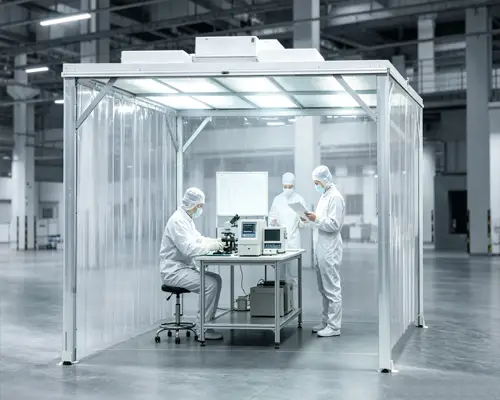
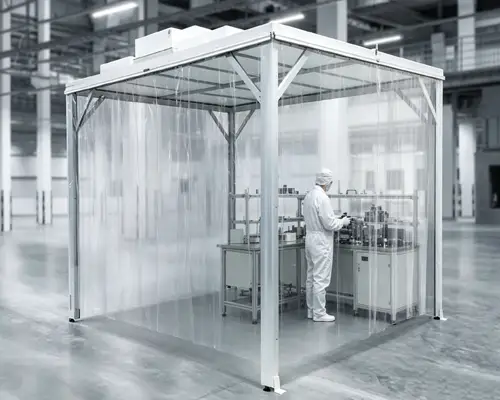
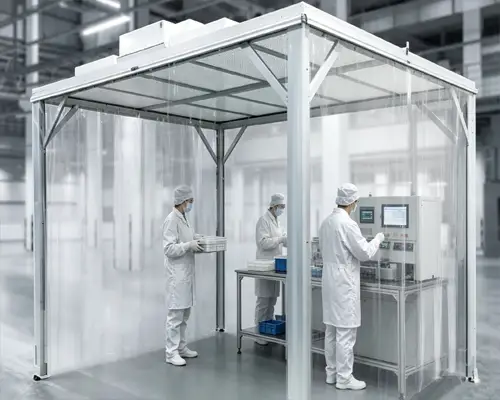
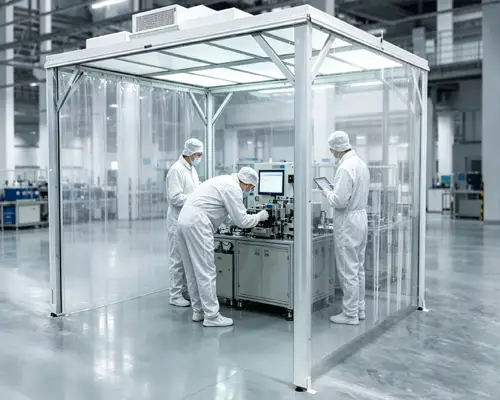
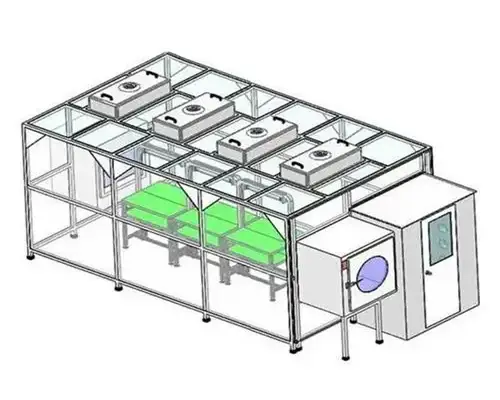
Constructed from industrial-grade 6063-T5 aluminum alloy or SUS304 stainless steel. The prefabricated bolt-on design ensures structural stability for ISO 8 environments and allows for rapid, tool-less assembly and future relocation.

Deiiang-brand AC or EC motor Fan Filter Units (FFUs) provide the 20–60 ACH (Air Changes per Hour) necessary for Class 100,000 compliance. The modular top-load design allows for maintenance without compromising the clean zone.

Equipped with high-efficiency H13 HEPA filters (≥99.95% at 0.3μm). These filters are specifically optimized for ISO 8 standards, balancing superior air purity with lower resistance to maximize energy efficiency.

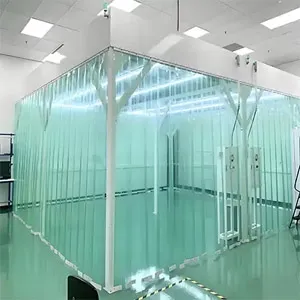
Premium 2.0mm clear PVC curtains with permanent anti-static properties (10⁶-10⁹ Ω). They prevent dust attraction and protect sensitive electronics from ESD while maintaining high visibility for operators.

IP65-rated, tear-drop or flat-panel cleanroom LEDs provide ≥300 Lux illumination. The sealed design prevents particle accumulation and minimizes turbulence in the mixed-airflow pattern of ISO 8 rooms.

A centralized control panel enables stepless speed adjustment for FFU groups. It monitors system status in real-time to maintain the required positive pressure (5–15 Pa) and optimize energy consumption.

The heavy-duty aluminum T-grid ceiling is designed to securely house FFUs and lighting modules. Integrated gaskets ensure an airtight seal, preventing untreated air from bypassing the filtration system.

Equipped with high-load capacity leveling feet or optional industrial casters. This allows the ISO 8 softwall booth to be moved or adjusted to accommodate floor unevenness on any workshop surface.
Application scenarios
Consumer Electronics & PCB Assembly
Pain Point: Visibility of Dust Causes Defective PCB Assembly and Packaging of Consumer Electronics with High Rejection Rates
Solution: Our Deiiang ISO 8 softwall cleanrooms offer an affordable Class 100,000 option for general consumer electronics assembly. We eliminate common assembly defects caused by airborne contamination by using HEPA filtration and anti-static PVC curtains.
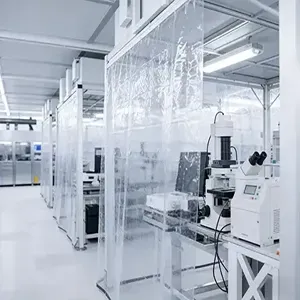
Packaging of Medical Equipment Components
Pain Point: Meeting regulatory bioburden requirements for non/low-risk medical device components while maintaining facility flexibility for various product groups
Solution: Our ISO 8 booths offer just the right combination of cleanliness and flexibility. These are excellent for medical device component assembly and packaging and fit within the GMP parameters while allowing the structure to be relocated or expanded to accommodate increasing production requirements.
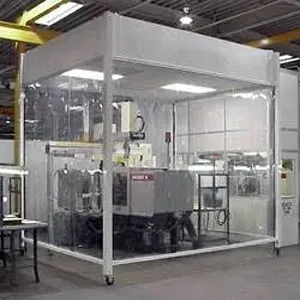
Mechanical and Equipment Assembly
Pain Point: Dust particles during assembly resulting in premature failure of mechanical equipment and increased friction due to contaminated bearings and/or hydraulics.
Solution: ISO 8 cleanrooms built by Deiiang are readily adaptable to standard workshop floor sizes. We utilize a positive pressurization system which prevents assembly contamination by dust. This ensures that equipment and machinery are built to meet strict customer requirements for operational reliability.
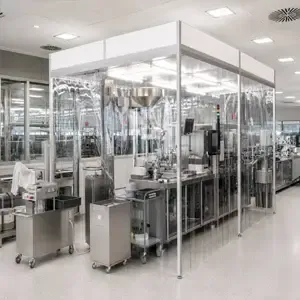
Precision Coating & Optical Inspection
Pain Point: The coating and spraying processes leave surface defects, and dust particles and flying debris hinder inspection of the lenses.
Solution: We incorporate high-clarity panels and control airflow into our ISO 8 softwall structures to shield lenses prior to coating and spraying applications. Our spray booths easily incorporate exhaust systems to maintain a clean work area, eliminate dust and contamination from high-gloss finishes.
Insider Tip
An ISO 8 Softwall Cleanroom can maintain control over contamination under the right circumstances. Before you install a soft wall cleanroom, place people, materials, equipment, and product transfer points in a place that is easy to access. Harmonious design of the cleanroom layout will reduce excess movement.
Keep the cleanroom entrance and workstations organized in a controlled, logical, orderly manner with an unobstructed flow of supplies. Avoid obstructing HEPA air outlets with large items, racks, or tall equipment. Obstructed airflow can lead to particle buildup. Preserve clear space around the filtration and air return systems to simplify service and inspection.
The practice of personnel will also impact the cleanroom maintenance. Less movement and minimizing the opening of access curtains will help maintain an orderly cleanroom. Airflow stem curtains should be closed to preserve the airflow pattern throughout the cleanroom. Loose and heavily used curtains need to be replaced.
Cleaning filters and performing routine cleaning will help maintain cleanroom performance. When cleaning, always clean from top to bottom and use the appropriate disinfectants for the surface to the cleanroom. Seals and HEPA filters should be routinely checked for integrity and performance.
Environmental monitoring data provides insights on performance of cleanrooms. Routine tests of cleaning performance gather data on levels of airborne particles, temperatures, humidities, pressure differentials, and the operation of filters and fans. The performance and results of cleanroom tests need to be recorded. This includes cleaning logs, alarms, and actions taken. Analyzing the recorded data enables identification of any potential issues that may impact production.
Suggestions: Maintain the ISO 8 Softwall Cleanroom unobstructed; minimize personnel and material movement; protect the HEPA airflow path; and stick to a documented cleaning and maintenance routine. These uncomplicated methods support the cleanroom environment and extend the useful life of the system.
FAQ
The ISO 5 Softwall Cleanroom from Deiiang is used by several of our customers for aseptic filling of pharmaceuticals, medical device packaging and for compounding pharmacy. Like the hardwall rooms the ISO 5 Softwall Cleanroom is able to deliver the same air cleanliness in terms of particles, airflow and pressure differential. But that's where the similarity ends and in fact the Softwall Cleanroom has several advantages above the hardwall versions. Chief among these advantages is flexibility – softwall versions are generally easy to move around to accommodate other pieces of equipment. Because we design these rooms to be validated in terms of particle counts, airflow, pressure differentials etc., as with any other classified space, they can be used for GMP (Good Manufacturing Practice) pharmaceutical/medical device work and USP (United States Pharmacopeia) type applications.
In terms of our clients are surprised at how fast they can be up and running in an ISO 5 Softwall Cleanroom. Typically, a small team of people can have a standard ISO 5 Softwall Cleanroom set up in a day or two, or even in under 8 hours. This is because the Softwall Cleanroom is a modular softwall system that can be bolted together in an empty room to form a clean zone. The frames are made of aluminum and the anti-static PVC curtains are then hung from the frame. The Fan Filter Units (FFU's) can then be integrated into the Softwall Cleanroom.
Of course there is Static generation. We can use anti-static PVC. We have tested this material for Surface resistivity. Typical readings for our curtain material are between 10⁶ and 10⁸ ohms/square (it safely dissipates static electricity, rather than storing it and thus attracting dirt & dust). The static from people is also dissipated by grounding during installation. We can give step-by-step instructions for how to do this.
As mentioned previously, airflow is directed downward through FFUs from the ceiling of the clean room, providing a unidirectional flow of HEPA-filtered air, which pushes all particles in the room toward the floor and out of the room. In softwall clean rooms, the walls are not a hermetically sealed enclosure, but rather a means of containing a positive air pressure within the clean zone. This pressure can be greater than the surrounding area by as much as 2.5 Pascal. Even with slight leaks through the seams of the curtain, the air leaking out of the clean room through the walls will be clean air, not contaminated air entering the clean room through the leaks. As a result, the containment provided by the softwall will be effective as long as the design provides adequate air velocity and adequate pressure.
This is not a temporary solution for a short period of time. Many of our customers use softwall cleanrooms for years, some even up to 7 years for aseptic filling, others for packaging of medical devices, or for preparations in a pharmacy. The aluminum frame is robust and made for long term use. Also the curtains used for the softwall are very durable and can be replaced, if needed. Because a softwall cleanroom is made of modules, it is easy to change the configuration, to move it to another location or to upgrade the filtration. For many users a softwall cleanroom is a permanent part of their lab or production site.
First of all, softwall cleanrooms can be significantly cheaper than hardwall cleanrooms. The cost savings of an ISO 5 Softwall Cleanroom can stem from two areas: 1) lower material cost, and 2) lower labor cost for construction. High quality PVC softwall cleanroom curtains are generally much less expensive than solid acrylic or sandwich panels used in hardwall cleanrooms. But the bigger cost savings is the reduction in construction time and associated labor costs. A typical ISO 5 Softwall Cleanroom can be completely installed and operational in a matter of hours as opposed to weeks for a hardwall cleanroom. And once installed, a Softwall Cleanroom can be easily disassembled and relocated to another part of the facility or to a different facility if needed. This makes a Softwall Cleanroom a very cost effective solution for companies with limited space or that need to move frequently from place to place.
Ventilation Times (ACH)
| ISO Class | ACH (Air Changes Per Hour) |
|---|---|
| ISO 3 | 360 - 540 |
| ISO 4 | 300 - 540 |
| ISO 5 | 240 - 480 |
| ISO 6 | 50 - 60 |
| ISO 7 | 30 - 40 |
| ISO 8 | 15 - 25 |
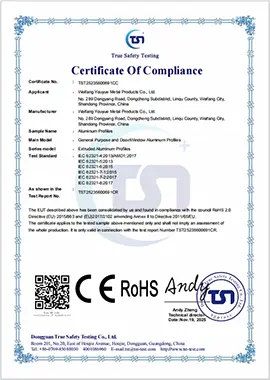
Aluminum Profiles CE
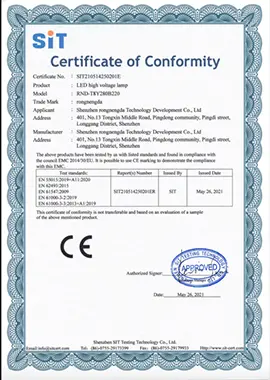
LED high voltage lamp CE
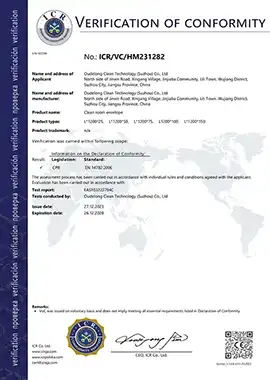
Cleanroom envelope CE
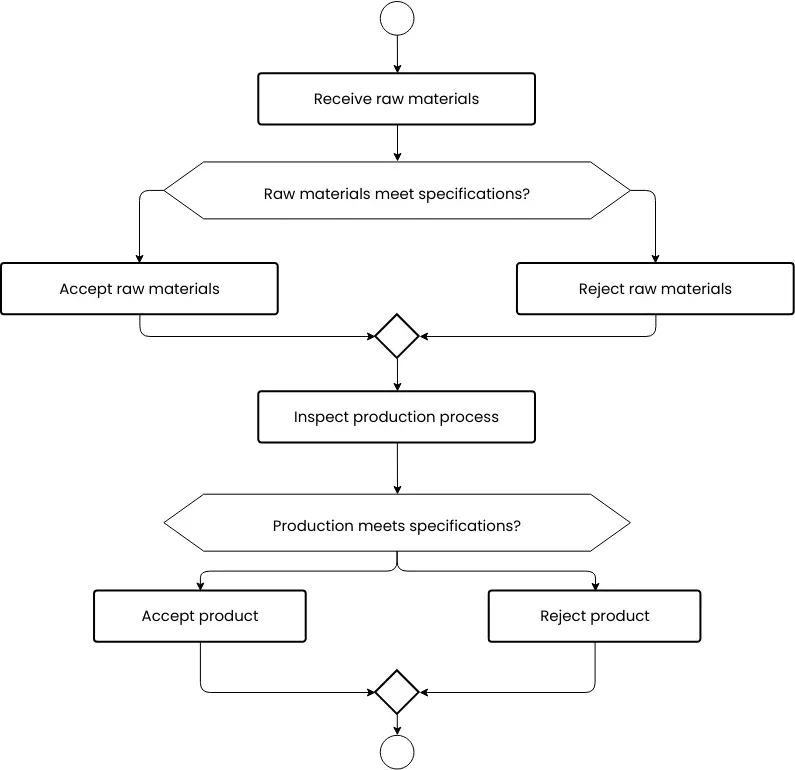
Deiiang Softwall Cleanrooms Quality Control Flowchart