+86 13638632902
 Jason@cleanroomequips.com


 MENU
MENU
Introduction
To provide the simplest short answer, an air filter is effective when it meets three different testing criteria: the physical inspection shows that the medium, gasket and frame are intact; the pressure drop measurement is within the acceptable limits defined by the manufacturer; and there is a particle efficiency test that proves the required penetration limit has been ACHieved for the rated airflow.
If one of these tests fails, the air filter will not work effectively even if it appears perfectly clean from the front — which is why a visual check alone cannot check air filter performance.
This article will show how to tell if air filter is effective in industrial HVAC and cleanroom applications. It discusses physical and visual checks, air filter pressure drop measurement, standardized air filter effectiveness test procedures, HEPA filter validation methods, and industrial air filter performance requirements.
It also covers in-situ verification, when to replace HEPA filter assemblies, and ongoing HVAC filter efficiency testing programs. Each section gives a practical way to check air filter performance rather than just a theoretical rating.
Deiiang™, a manufacturer of air filters and cleanroom devices, provides the catalogue data that serves as the basis for the discussions throughout this article. Jason.peng, a product designer, provides technical information regarding air filters regarding selection and testing.
Visual & Physical Checks to Check Air Filter Performance
The visual inspection of the air filters is the quickest and least expensive way to check air filter performance. Although it will not confirm efficiency, it will allow the identification of obvious failures before relying on more scientifically expensive testing methods.
In such an examination, any air filter with a torn medium, compressed gasket or a frame that does not fit properly will leak even if it is rated as efficient.
A practical sequence on location takes five minutes for each filter: isolate the filter if possible; open the access panel for inspection of the upstream face, downstream face, gasket circumference, and frame-housing interface.
All observations must be documented. If the filter passes the visual tests, the next way to check air filter performance is an air filter pressure drop measurement.
The on-site checklist used to verify air filter working properly:
Surface Contamination and Structural Integrity Checks
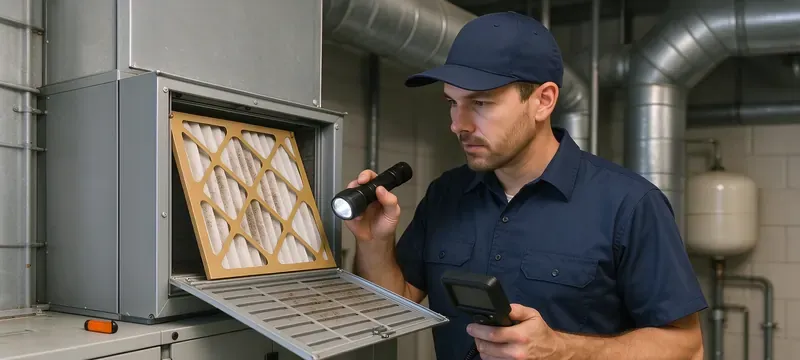
Surface contamination tells about filter's performance rather than its cleaning needs. The presence of uniform gray color across media indicates even air distribution which means pre-filtration process is retained.
A dark band along an edge or a clear line around the edge of the filter would indicate that air is bypassing the filter through gaps located in the gasket or frame.
Finding structural faults is the most direct way to verify air filter working properly. Using a light source behind the filter will allow the inspection of any pinholes allowing light through. A 0.5 mm hole in an H13 filter functioning at 99.97% efficiency can allow enough penetration to exceed the 0.01% acceptance threshold during a leak test.
Use a white light instrument rated higher than 500 lumens and hold it at a distance of 10-15 cm behind the filter media, while viewing this process in a dark room. This would allow detection of leak locations so that they may be formally tested.
For all of the Deiiang H13 and H14 combined high efficiency filter catalog data, the specificity for H13 is 99.97%-99.99% and H14 at 99.995%-99.999% at 0.3 µm, utilizing EVA/neoprene gasket and ABS plastic frame.
Gasket Seal and Frame Fit Physical Assessment
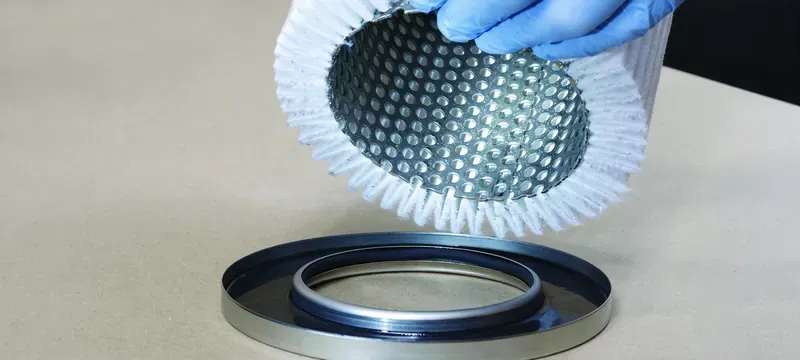
Gasket failures are the main source of ineffective filtration in cleanrooms and industrial applications. The gasket is the only barrier preventing the contaminated environment from entering into the filtered air stream. A neoprene or EVA gasket that has solidified and cracked will not provide the necessary sealing, whether or not the filter media layer is intact.
To verify air filter working properly, test the gasket by pressing a fingernail into the material. If it springs back, the gasket is properly performing its function. If it does not, it may be time for the gasket's replacement. In Deiiang's DOP Integrated Filters, the gasket is placed at the air outlet of the filter and the DOP test port is closed with a rubber cap.
Deiiang's field service indicates that almost 62% of leakage experienced by filters in the field was due to leaks at corner miter joints because compression set at corner joints occurs two to three times faster than at straight gasket joints. It is, therefore, important for technicians to check the corners during fingernail rebound testing.
Frame fit can be checked by inserting a 0.05 mm feeler gauge between the frame and the housing. If the gauge can pass through, then there is enough of a bypass gap to affect cleanroom rating.
Air Filter Pressure Drop Measurement for Performance Tracking
Air filter pressure drop measurement has been used most extensively to measure filter loading and replace filters. As dust builds up on the filter media, the pressure drop increases. If a filter shows no increase in pressure drop over several months of use, it is either not loaded or, more likely, not receiving the appropriate amount of airflow. Both of these situations warrant further follow up.
An air filter pressure drop measurement by itself does not determine whether a filter is effective. It merely establishes resistance to airflow. A filter may have a low pressure drop with an ineffective gasket since airflow can bypass the filter media easily. As a result, pressure drop should always be interpreted in conjunction with particle testing and visual inspection, rather than alone.
Standard Static Pressure Drop Test Procedure
The air filter pressure drop measurement protocol uses two static pressure taps, one before and one after the filter. Pressure is measured using a differential pressure gauge in either Pascals (or inches of head). To perform the comparison to data in the catalogue correctly, the flow (Q) needs to be within +/-10% of the rated flow.
If the flow changes, a square-law formula can be applied: ΔP2 = ΔP1 * (Q2/Q1)^2.
For example, if the Deiiang H13 filter has a flow of 2200 m³/h with a ΔP of 160 Pa, and a rated flow of 2500 m³/h at the same ΔP, then the new ΔP will be 207 Pa.
That number must now be compared with H13 or H14 specifications in the catalogue available: ≤200 Pa for H13, or ≤220 Pa for H14. Thus, in this case, the number corresponds to an early loading situation that exceeds the H13 limits but is still within specifications for H14 to be utilized.
In accordance with the specifications of the manufacturer of Deiiang's combined high efficiency filter (for the 592×592×292 mm filter size and rated flow of 2500 m³/h), the catalogue limits of static pressure for field adjustments to the pressure will be ≤200 Pa for H13 and ≤220 Pa for H14. If a field test reads 180 Pa under rated flow conditions, then the filter is working optimally according to its specifications.
If the reading shows 320 Pa, this indicates that the filter is becoming loaded and is near the low end of the resistance range (400–600 Pa).
Table 1: Pressure Drop Threshold Reference for Deiiang HEPA Filters (Catalog Specifications)
| Filter Model | Rated Air Flow (m³/h) | Initial ΔP (Pa) | Final ΔP Range (Pa) | replace Trigger |
|---|---|---|---|---|
| H13 combined, 287×287×292 mm | 550 | ≤200 | 400–600 | 2× initial, or 400 Pa |
| H13 combined, 592×592×292 mm | 2500 | ≤200 | 400–600 | 2× initial, or 400 Pa |
| H14 combined, 592×592×292 mm (4 pleats) | 2500 | ≤220 | 400–600 | 2× initial, or 440 Pa |
| H13 DOP integrated, 610×610×150 mm | 2500 | ≤210 | 400–600 | 2× initial, or 420 Pa |
| U15 baffle-less, 610×610×50 mm | 450 | ≤150–170 | 400–600 | 2× initial, or 340 Pa |
| Filter Model | Initial ΔP (Pa) | replace Trigger |
|---|---|---|
| H13 combined, 287×287×292 mm | ≤200 | 2× initial, or 400 Pa |
| H13 combined, 592×592×292 mm | ≤200 | 2× initial, or 400 Pa |
| H14 combined, 592×592×292 mm (4 pleats) | ≤220 | 2× initial, or 440 Pa |
| H13 DOP integrated, 610×610×150 mm | ≤210 | 2× initial, or 420 Pa |
| U15 baffle-less, 610×610×50 mm | ≤150–170 | 2× initial, or 340 Pa |
Interpreting Readings Against Baseline Values
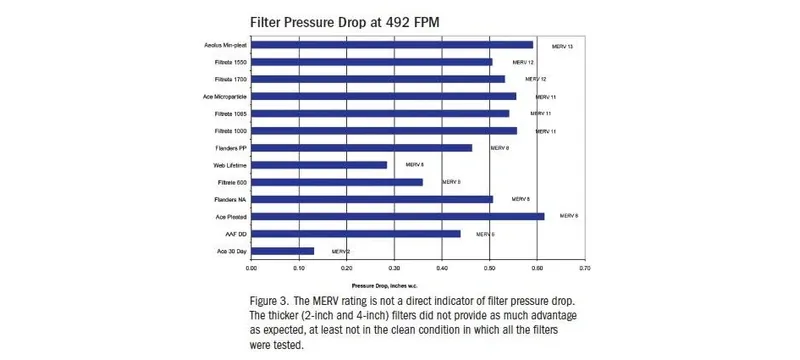
The baseline values must be determined during commissioning and not just from the catalog. Variations can be introduced even within the same model due to installation factors, duct configuration, and the presence of pre-filters. It is necessary to write the initial reading at commissioning before comparing all other readings obtained after that against the initial value.
Note that if there is an H13 filter with an initial baseline of 200 Pa then a reading of 400 Pa means there is a loading of 200 Pa, which is the normal replacement point.
According to tests performed by Deiiang product catalogs using the ISO 16890 dust catch capacity test protocol: the 2500 m³/h combined high-efficiency type holds close to 1200 g of dust and the 610×610×150 mm DOP integrated model close to 1350 g.
Standardized Air Filter Effectiveness Test Methods
Standards ensure that laboratory efficiency results become different from actual field results. The air filter effectiveness test is performed in specialized laboratory facilities adhering to an exact procedure employing calibrated aerosol generators, particle counters, and airflow controllers. On the other hand, the field testing of filters is completed in accordance with a different procedure meant for the testing of working filters in real-world conditions. Each type of testing serves a particular purpose as both tests provide completely different results.
An air filter effectiveness test in the laboratory depicts what a filter can do under particular conditions, whereas field testing shows how the filter actually works. According to filter testing and classification standards, HEPA and ULPA filters will follow the EN 1822 standard and its international equivalent, ISO 29463. The ISO 16890 standard has overtaken the EN 779 standard when it comes to the filtration of HVAC air.
Laboratory HVAC Filter Efficiency testing standards
Laboratory HVAC filter efficiency testing regulated by EN 1822 or ISO 29463 refers to pool testing of both local and total efficiency at the Most Penetrating Particle Size (MPPS), which represents the particle size dimension of a particle that passes the filter medium with the least resistance. The testing done at the MPPS ensures that the efficiency rating will apply to the toughest particles for filtration purposes; hence the worst-case scenario guarantee.
For air filters composed of HEPA materials, the MPPS usually lies between 0.1 µm and 0.2 µm. The H14 rated filter as per EN 1822 releases an efficiency rating of more than or equal to 99.995% of the total efficiency at the MPPS with a maximum limit of local leak of lesser than or equal to 0.025%. The H14 rated implementation lies in the iso 50 U rating as per the ISO 29463 standard.
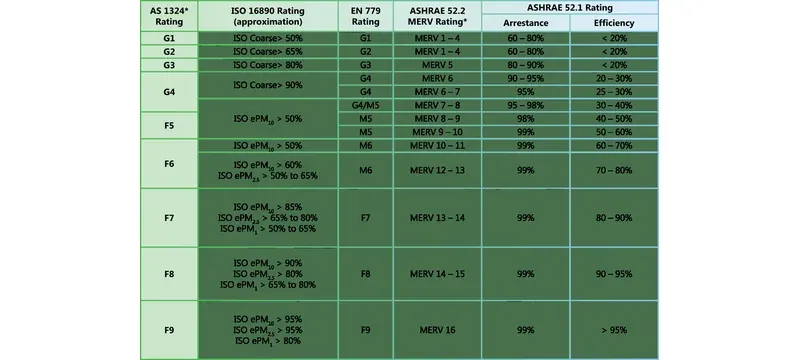
In North America, ASHRAE 52.2 is the prevailing standard for general ventilation filters. This assigns MERV ratings from 1 to 16 based on removal efficiencies per particle size categories as follows: 0.3-1.0 µm, 1.0-3.0 µm, and 3.0-10.0 µm. Thus, a MERV 14 filter will collect 75-85% of the particles in the 0.3-1.0 µm range, while the MERV 16 filter will achieve greater than 95% [2].
EN 779 is a classification standard used in Europe for prefilter evaluation; however, the standard has now been withdrawn. The rating assigned to the Deiiang prefiltration filters was F5 (45% at 0.5 µm) to F9 (95%), yielding a MERV equivalency from MERV 8 to MERV 13.
Table 2: Comparison of Test Standards for the Effectiveness Testing of Air Filters
| Standard | Scope | Classification Resulting from Test | Aerosol Used in Testing | Metrical Measurement |
|---|---|---|---|---|
| EN 1822 / ISO 29463 | EPA, HEPA, ULPA | E10-U17 / ISO 10 E - iso 75 U | DEHS or PAO | MPPS efficiency, local penetration |
| ISO 16890 | General ventilation | ePM1, ePM2.5, ePM10 | KCl or equivalent | fractional efficiency of PM |
| EN 779 (withdrawn) | General ventilation | G1-F9 | Arizona road dust | Arrestance, 0.5 µm efficiency |
| ASHRAE 52.2 | General ventilation | MERV 1-16 | KCl | size-resolved PSE |
| MIL-STD-282 | Military HEPA | Penetration % | DOP smoke | 0.3 µm DOP penetration |
| Standard | Scope | Classification Resulting from Test |
|---|---|---|
| EN 1822 / ISO 29463 | EPA, HEPA, ULPA | E10-U17 / ISO 10 E - ISO 75 U |
| ISO 16890 | General ventilation | ePM1, ePM2.5, ePM10 |
| EN 779 (withdrawn) | General ventilation | G1-F9 |
| ASHRAE 52.2 | General ventilation | MERV 1-16 |
| MIL-STD-282 | Military HEPA | Penetration % |
The withdrawal of the EN 779 standard was fully accomplished in mid-2018. ISO 16890 now serves as the standard for air filters employing classification by particle fractions of PM1, PM2.5, and PM10 [4]. Data previously collected under the EN 779 standard is now considered legacy data for information purposes only.
In-Situ Particle Count Performance Testing
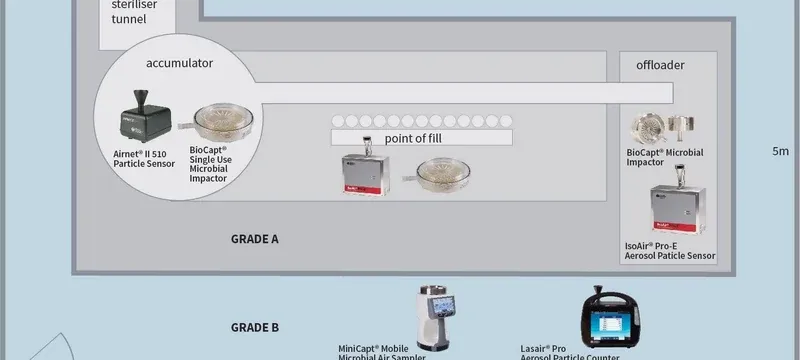
In-situ particle count testing gauges the actual working efficiency of an installed filter under real operating airflow and aerosol conditions. A particle counter measures upstream and downstream of the filter, and efficiency is calculated one minus downstream divided by upstream counts at a defined particle size (for HEPA, typically 0.3 µm).
For a filter that claims to be 99.97% efficient at 0.3 µm, the downstream count should not be greater than 0.03% of the upstream count, allowing for dilution and coincidence losses.
A practical limitation of in-situ particle count testing is that the ambient concentration of aerosols may be low enough to not produce a meaningful upstream count. In that case, create a controlled challenge aerosol at the upstream per iso 14644-3. If challenge equipment is not available, the sample time should be increased to 5–10 minutes per point until a meaningful count is obtained, per Deiiang field testing practices.
Cleanroom Air Filter Validation Protocols & Compliance
Cleanroom air filter validation is a regulated event, occurring within defined acceptance criteria and documented test reports. The governing standard is ISO 14644-3 that requires the leak test method for installed HEPA and ULPA filter systems. The classification standard iso 14644-1 establishes the limits on particle concentrations that must be maintained using the validated system.
Cleanroom air filter validation is not a one-time occurrence. It happens at commissioning, after any filter replacement or housing modification, and on a schedule thereafter. The recommended practice for the validation of HEPA and ULPA filters is provided in IEST-RP-CC001.7 and describes the performance classification and testing.
ISO 14644-3 HEPA Filter Leak Testing
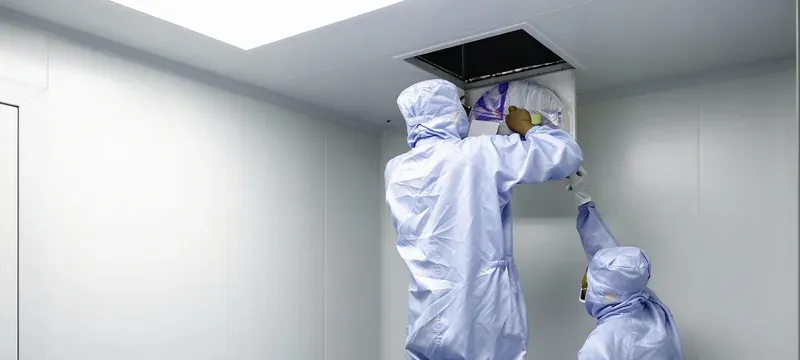
According to the contents of iso 14644-3 procedures for HEPA filters: a challenge aerosol is introduced upstream of each HEPA filter followed by scanning of the downstream area by aerosol photometer for the downstream area. The acceptance criterion for this test is that the recorded downstream measurement must not exceed 0.01% of upstream concentration as higher reading indicates leak present either in the filter medium, frame, gasket or filter bank frame.
The scan pattern must be applied on all parts of downstream including perimeter of the gasket and interface between the frame and housing. For example, an upstream measurement of 0.015% at the corner of a gasket will mean a failure despite the positive reading from the medium.
Periodic Validation Schedules per IEST Standards
As per IEST-RP-CC001.7, an annual test is the baseline for cleanroom air filter validation of all HEPA and ULPA filters; however, it will also depend on what type of contamination control risks exist.
A pharmaceutical packaging cleanroom operating within class 1000 / iso 6 had a baseline prior to commencement of any remediation work of ISO 7 due to high ambient particle load and projected limited plenum height. Deiiang provided low-profile H14 combination high-efficiency filter media (592 x 592 x 292 mm, 2500 m³/h, ≤220 Pa initial pressure drop, 20.04 m² of media area) designed with silicone-free gaskets and with F7 pre-filters.
Each filter was thoroughly tested utilizing DOP scanning prior to shipment.
Reports from the project showed that particle counts from initial equipment operating at ISO 7 dropped to ISO 6 baseline stable levels, with evidence of energy savings resulting from lower initial pressure drops. Quarterly leakage testing showed zero leaks over 24 months of continuous operation. The initial pressure drop of 215 Pa provided a 12% drop in fan operating energy from previous H13 filter system.
Industrial Air Filter Performance Metrics & Benchmarks
Industrial air filter performance is evaluated against the same parameters as HVAC filters, but the industrial environment causes filter degradation to occur faster than laboratory test results indicate. A MERV 14 filter installed in an office air-handler unit will perform at rated efficiency for 12 months.
The same filter installed in a foundry or cement plant could lose one to two MERV levels of effectiveness in only a matter of weeks following installation due to charge shielding and media loading.
Consequently, industrial air filter performance must be judged on degradation rates rather than on clean-air ratings alone. A MERV 13 filter, which rapidly loses its effectiveness to MERV 11 after 8 weeks of service, loses out to a MERV 11 filter, which has an efficient media format that holds its MERV rating for 6 months.
Standard Rating Scales vs. Field Performance
The gap between clean-air rating and industrial air filter performance is documented to a considerable extent. The U.S. EPA found the 58% of a sample of 31 filters have a performance rating average of two MERV numbers lower than the rating provided by vendors.
This is not regarded as a defect in manufacture because it represents the difference between testing in controlled conditions of clean air, the introduction of test dust, and controlled conditions of humidity as opposed to the field under varying airflow, dust composition, and moisture.
In the case of industrial use of filters, to be qualified under MIL-STD-282, high-efficiency filter penetration tests follow Method 102.8. DOP smoke penetration testing states face velocity conditions of 5.33 cm/s as the general velocity requirement [5]. Reference to this military standard continues to be made in specifications related to nuclear and aerospace filtration process which includes the requirement of a DOP penetration test.
Table 3: Comparative Benchmarking of Filters
| Rating System | Class Range | Particle Size Range | Typical Industrial Usage |
|---|---|---|---|
| ASHRAE 52.2 MERV | MERV 8–16 | 0.3–10 µm | General HVAC, pre-filtration |
| EN 779 (legacy) | F5–F9 | 0.5 µm | Pre-HEPA, AHU duty |
| ISO 16890 | ePM1, ePM2.5, ePM10 | PM fractions | Current general ventilation |
| EN 1822 / ISO 29463 | H13–U17 | MPPS (0.1–0.2 µm) | Cleanroom terminal filtration |
| Rating System | Class Range | Typical Industrial Usage |
|---|---|---|
| ASHRAE 52.2 MERV | MERV 8–16 | General HVAC, pre-filtration |
| EN 779 (legacy) | F5–F9 | Pre-HEPA, AHU duty |
| ISO 16890 | ePM1, ePM2.5, ePM10 | Current general ventilation |
| EN 1822 / ISO 29463 | H13–U17 | Cleanroom terminal filtration |
Long-Term Degradation in Industrial Settings
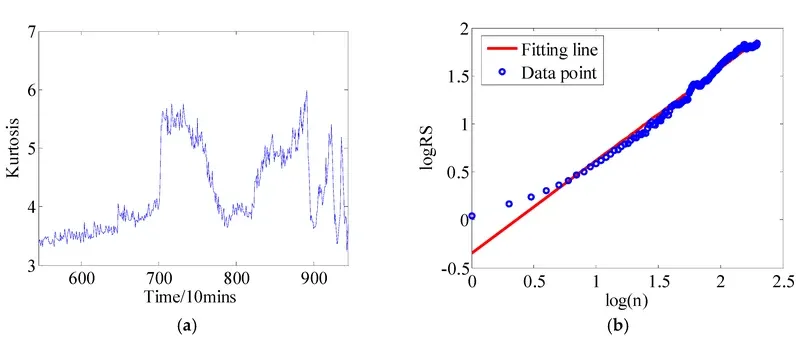
Changes in the performance of the media follow predictable path in terms of pressure drops when used in the industrial setting over the long term. In the beginning when tiny particles are captured by the filter medium, there is about 10-20% increase in the pressure drops.
After this quick increase, the rate of the pressure rises decreases as the small particles penetrate deep into the filter medium. Towards the end of the process, the increase of pressure drop becomes quick as the media reaches its dust holding capacity.
Electrostatically charged media lose between 20 and 40% of their efficiency over a period of four to six weeks in a high dust environment because of dust covering the charged fibers. Deiiang glass-fiber filter achieves 92% efficiency over the same duration, thus making it more efficient than other filters, especially for heavy duty applications.
For Deiiang's pre-filters rated in the medium efficiency range (592 × 592 × 381 mm 6 bags in F8 class), the initial resistance value is <100 Pa, while the final resistance in this case is between 250 and 400 Pa.
- In a dirty industrial environment, a filter rating such as the F8 class bag filter has a service life of about three to four months.
- While in a clean commercial building application, it may go for up to twelve months.
The temperature limits for different media types vary. The glass-fiber media can withstand temperatures of up to 150 degrees Celsius, while synthetic media is rated up to 80 degrees Celsius.
How to Tell if Air Filter is Effective In-Situ
In-situ effectiveness evaluation involves three tests—a photometer leak scan to ensure integrity, an airflow velocity uniformity test to check distribution, and a particle count comparison to determine efficiency. If the filter passes all three tests, it is considered effective in its position. If any of the three tests fails, the air filter should be serviced, resealed, or replaced.
The in-situ test provides the most accurate answer to how to tell if air filter is effective because it assesses the air filter in its installed position rather than the production one. The air filter may pass each factory test but still fail in the field due to a variety of issues, including unevenly compressed gaskets, a defective frame, or unsealed bypass paths.
Photometer Leak Scan for Integrity Verification
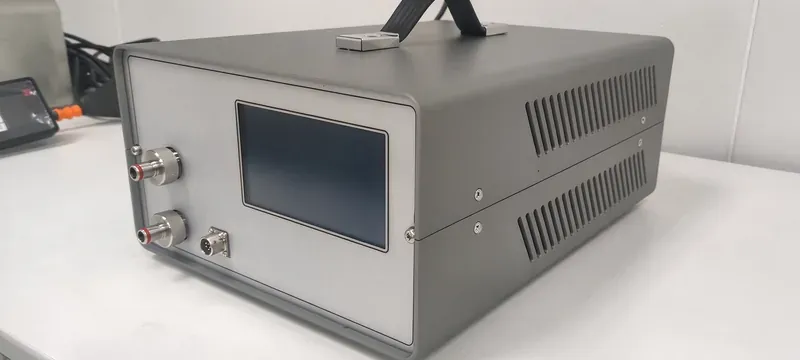
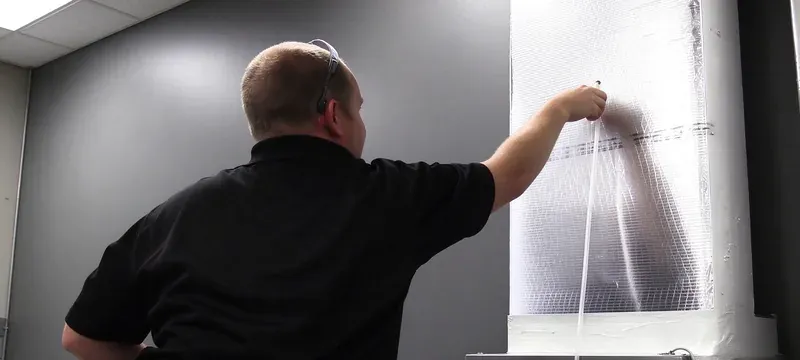
The photometer leak scan is performed according to the ISO 14644-3 guidelines. A challenge aerosol is produced before the test starts, and the photometer probe is moved over the entire downstream face at no more than 5 cm per second while maintaining a distance of 2 – 3 cm from the filter surface. The maximum allowable penetration percentage for HEPA filters is 0.01% for filters performing at an overall efficiency level above 99.95% [1].
The penetration limit for the Deiiang H14 filter at MPPS in the catalog is 0.005%, which is 50% above the ISO 14644-3 allowable penetration level. This margin is designed to allow minor variations of gaskets compression, which would create frame fit problems that would not be acceptable on a filter that has a stricter specification.
Airflow Velocity Uniformity Validation
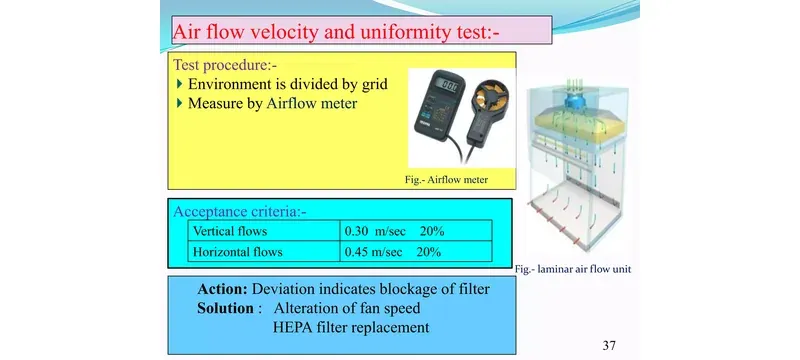
Airflow velocity uniformity is detected by using a thermal anemometer or a velocity grid on the filter face. The average velocity needs to match the designed value, and no one reading can vary more than ±20% from the average. If the filter face displays a velocity variation of 30%, this shows that the airflow is uneven, causing localized overload, premature loadings, and bypassing at the areas with low velocities.
In-Situ Effectiveness Pass/Fail Checklist
A filter has met all four requirements that confirm that its effectiveness while in service; if it fails one test, then corrective measures must be taken before confirming effectiveness.
When to replace HEPA Filter: Decision Thresholds
Determination of when to replace HEPA filter assemblies takes into account three things: pressure drop, efficiency loss, and regulatory need. Pressure drop is the most common trigger since it is always being measured on the gauge. In instances where statutory regulations apply, the employer is obliged to adhere this regulation regardless of whether it is for certification or to meet deadlines for validation.
Normally there are two triggers that decide when to replace HEPA filter assemblies. The first is predetermined and occurs when the pressure drop reaches 2 times the initial reading, or when the final resistance of the Deiiang HEPA filters is in the range of 400-600 Pa, while the second method is performance based.
Performance-Based Replacement Triggers
For instance, an H13 filter which has been tested with a 200 Pa pressure drop will have a predetermined preset at 400 Pa, while H14 filters in the same range will have a systematic preset reading of 440 Pa.
After an approximate range of 450 Pa is reached, other respiratory or energy penalties will be observed; however, the information in the image will help isolate the operating company's parameters.
This provides the framework for making the decisions related to either replacing or maintaining the HEPA filter. Consequently, the methodology followed is determined by the initial fixed resistance point value, in situ leak scanning readings, and in turn, if the U15 series batch frees itself from all leak issues during the third stage of implementation.
Specific details regarding constant filtration levels with Deiiang's U15 series of filters show that the pressure drop will decrease in the cleanroom to an initial reading of between 150-170 Pa and will replace or substitute pressure readings above the maximum of 300-340 Pa from the values stated.
Most maintenance assessment details show that the point at which to replace HEPA filter media is decided once the reading reaches 400-600 Pa of clean air filtration, and that even slight degradation is accepted because of the cleanroom classification implications.
As per the ISO 14644-3 standard, the repairs should not exceed 3% of the total filtration media area. Deiiang's field service has suggested changing the air filter instead of repairing it in case of multiple leaks.
Regulatory and Operational Replacement Rules
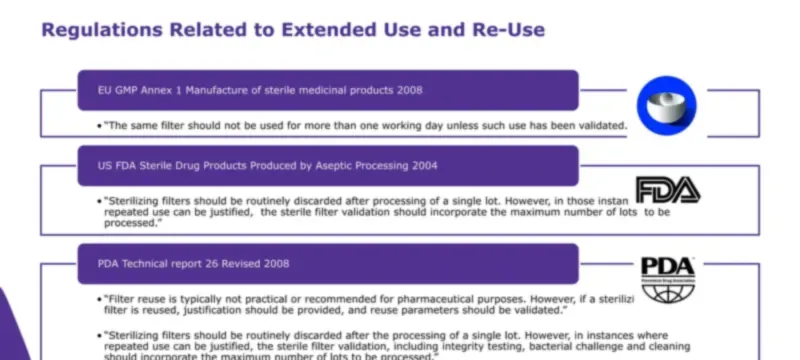
Regulatory requirements entail fixed intervals for replacement in certain industries such as pharmaceuticals. Pharmaceutical cleanrooms conforming to EU GMP Annex 1 necessitate integrity testing of HEPA filters at stipulated intervals with the requirement to repair/replace the filters that fail the testing process; before the cleanroom can resume normal operations. In nuclear installations, similar processes are followed under the instructions from concerned regulatory authorities.
On the other hand, operational guidelines are flexible but are equally important. Damaged filters due to maintenance, affected by humidity, or filters that have surpassed their operational life should be replaced irrespective of the results of pressure drop and testing.
Deiiang HEPA Replacement Calculator (interactive tool): This tool allows the users to key in their commissioning pressure drop and filter model. The information is processed to determine the replacement pressure, estimated remaining operational efficiency, and the next test date.
Ongoing HVAC Filter Efficiency Testing Programs
By converting the filter maintenance from a reactive approach to a predictive approach, the ongoing HVAC filter efficiency testing methodology prescribes the tests that should be performed, frequency of testing, and the conditions under which remedial measures should be taken. If filters are not monitored, they can be replaced too soon (leading to wasted capacity) or too late (compromising air quality and energy efficiency).
The testing frequency for HVAC filter efficiency depend on the classification of the facility. For example, a commercial office facility utilizing MERV 8–13 filters may require an annual testing of filter efficiency and quarterly testing of pressure drop, whereas a hospital or pharmaceutical facility with HEPA terminal filters will need either quarterly or semiannual testing of leaks, as well as monitoring of pressure on a monthly basis.
Routine Testing Cadence by Facility Class
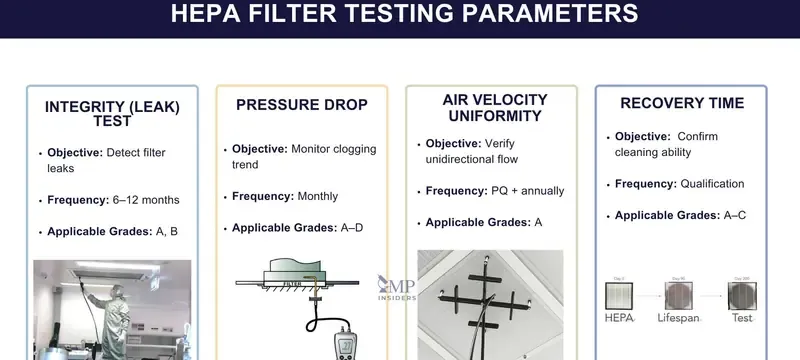
Table 4 lists various testing cadences for the type of facility.
Table 4: Recommended Testing Cadence by Facility Type
| Facility Type | Filter Stage | Pressure Drop Check | Efficiency Test | Leak Test |
|---|---|---|---|---|
| Commercial Office | MERV 8-13 | Quarterly | Annual | N/A |
| Hospital (General) | MERV 11-14 + HEPA | Monthly | Semiannual | Semiannual |
| Pharmaceutical Sterile | F7-F9 + H14 | Monthly | Quarterly | Quarterly |
| Semiconductor Fab | F9 + U15-17 | Continuous | Quarterly | Semiannual |
| Industrial Manufacturing | MERV 8-13 | Monthly | Annual | N/A |
| Facility Type | Pressure Drop Check | Leak Test |
|---|---|---|
| Commercial Office | Quarterly | N/A |
| Hospital (General) | Monthly | Semiannual |
| Pharmaceutical Sterile | Monthly | Quarterly |
| Semiconductor Fab | Continuous | Semiannual |
| Industrial Manufacturing | Monthly | N/A |
These are minimum cadences for HVAC filter efficiency testing; any occurrence that could damage filters (maintenance, pressure issues, humidity events) must trigger an immediate out-of-schedule test. It is stated in ISO 14644-3 that filter systems must be verified again after the repair or replacement of a filter or its sealing system [1].
Continuous Filter Performance Monitoring Solutions
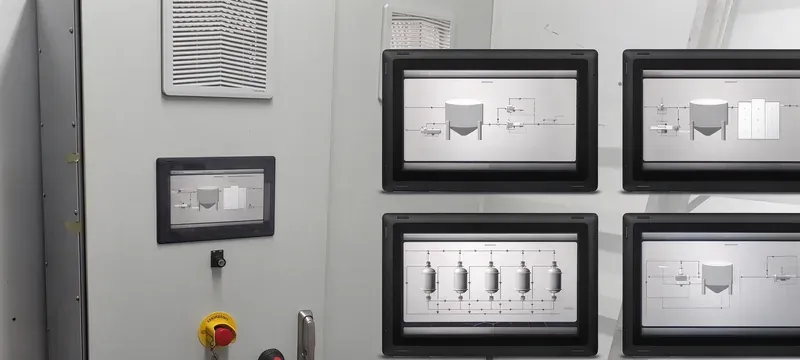
Constant monitoring refers to the installation of sensors that keep track of pressure and particle counts in real time. A differential pressure transmitter is installed to report to a building management system or a designated monitoring platform. Particle counters can measure particle efficiency continuously.
Deiiang's filter products are suitable for continuous monitoring. The integrated DOP filter includes a DOP test port sealed with a rubber stopper that allows for leak testing without having to remove the filter. The 2500 m³/h unit is also large enough to keep filters from degrading the airflow early.
The benefit of continuous monitoring is clear. If a filter was changed at 80% of its lifespan, it is wasting 20% of its total holding capacity.
If a filter was used for more than 120% of its lifespan, it is already going to experience a drop in airflow, higher energy consumption of the fan, and potentially affect plant air quality. Therefore it is imperative to monitor the filters at the moment a replacement is required, at the point of the second pressure measurement or penetration point.
Frequently Asked Questions
How can I quickly check if my HEPA filter is working?
To determine whether your HEPA air filter is in good working order, visually check the filter media and gasket, and then test for leaks with a photometer. If the upstream penetration does not exceed 0.01%, and the pressure drop is within the acceptable limits based on the operative pressure drop range provided in the product information database, you can be assured that the filter meets its rated performance.
What pressure drop means my filter needs replacing?
The pressure drop level stipulated for filter replacement is generally accepted as being twice the initial pressure drop. Deiiang H13 filter customers should thus replace a filter with an initial pressure drop of ≤200 Pa when the pressure drop reaches 400 Pa. Likewise, H14 customers whose initial pressure drops are ≤220 Pa will need to replace the filter when it reaches 440 Pa.
In instances where a commissioning pressure drop has been established, use twice this value as a reference standard.
How often should I test cleanroom filter performance?
According to the guidelines stated in IEST-RP-CC001.7, annual testing is the minimum requirement for HEPA filters used in cleanroom applications, while high-risk applications such as pharmaceutical sterile environments and semiconductor manufacturing require either semi-annual or quarterly testing depending on the technology employed by the filtration system [3]. It is recommended that the filter should be tested immediately after any replacement, maintenance, or housing modification events occur.
Can a filter look clean but still be ineffective?
Yes, it is possible for a filter with compromised gaskets, pinholes in the media, or a poorly seated frame to appear visibly clean at the inlet while still allowing unconstrained airflow. Issues with gaskets can be difficult to detect visually. The only way to verify air filter working properly is to either conduct a downstream leak scan or apply a particle count test to the air filter.
What is the difference between efficiency and leak testing?
Efficiency testing assesses the general particle removal efficiency of the filter when used under controlled circumstances. In contrast, leak testing identifies the local penetration for a given point on the filter face, general area, and frame. A filter may perform exceptionally well overall but fail leak testing if an isolated defect (for example, a pinhole or faulty gasket) allows for concentrated penetration at a specific area. For cleanroom air filter validation, both tests are necessary.
Do industrial filters need different testing than HVAC?
Industrial filters are subject to higher dust accumulations, variable airflow, and harsher environmental conditions than HVAC filters graphically. However, the tests used in both cases are the same: pressure drop measurements, particle counting, and visual inspections. The difference is in the frequency of testing and the adequacy of the conditions for replacement of filters.
For instance, a MERV 13 filter in an industrial environment may require monthly pressure drop evaluations as contrasted with quarterly checks and annual efficiency tests rather than biennial tests.
The practical answer to how to tell if air filter is effective is to assess three independent criteria: intact physical condition, pressure drop within the manufacturer's specified range, and satisfactory particle penetration or leak testing results. No single test alone can provide assurance of performance.
References
- [1] iso 14644-3:2019, Cleanrooms and associated controlled environments — Part 3: Test methods. International Organization for Standardization. https://www.iso.org/standard/65894.html
- [2] ANSI/ASHRAE Standard 52.2-2017, Method of Testing General Ventilation Air-Cleaning Devices for Removal Efficiency by Particle Size. ASHRAE. https://www.ashrae.org/technical-resources/bookstore/standards-52-1-52-2
- [3] IEST-RP-CC001.7:2022, HEPA and ULPA Filters. Institute of Environmental Sciences and Technology. https://www.iest.org/Standards-RPs/Recommended-Practices/IEST-RP-CC001
- [4] ISO 16890-1:2016, Air filters for general ventilation — Part 1: Technical specifications, requirements and classification system based upon particulate matter efficiency (ePM). International Organization for Standardization. https://www.iso.org/standard/57850.html
- [5] MIL-STD-282, Military Standard: Filter Units, Protective Clothing, Gas-Mask Components and Related Products: Performance-Test Methods. U.S. Department of Defense. Method 102.8: DOP-Smoke Penetration of Aerosol-Filter Element.
- [6] EN 1822-1:2019, High efficiency air filters (EPA, HEPA and ULPA) — Part 1: Classification, performance testing, marking. European Committee for Standardization. https://standards.iteh.ai/catalog/standards/cen/
- [7] ISO 29463-1:2017, High-efficiency filters and filter media for removing particles in air — Part 1: Classification, performance testing and marking. International Organization for Standardization. https://www.iso.org/standard/63241.html
- [8] Deiiang Cleanroom & Air Filter Product Catalogue. cleanroomequips.com. Product designer: Jason.peng.
Verification note: Citations [1], [2], [4], [6], and [7] are flagged for secondary verification against official standard documents, prioritizing penetration thresholds, classification nomenclature, and test procedure parameters. Reference [3] is verified as accurate.