+86 13638632902
 Jason@cleanroomequips.com


 MENU
MENU
According to statistics compiled for 2026 pricing trends, it can be determined that approximately three HEPA filter types exist to determine pricing. Residential and light commercial HEPA filter replacement cartridges are generally priced at around $20 to $150; cleanroom HEPA filters (types H13 and H14) with standard dimensions are in the range of $150 to $350; whilst filtration systems for industrial applications and specially designed HEPA filters may cost more than $500 and can even exceed $5000.
Introduction
The above figures are indicative pricing per HEPA filter product type and must only be viewed as general price reference ranges. In general terms, a residential replacement HEPA filter cartridge is not going to be comparable to a HEPA cleanroom terminal module. Since the production costs for the respective HEPA filters, together with their testing procedures and documentation would vary quite a bit.
Prices for HEPA filters may also vary according to many factors including region, currency used for purchase, purchase means, the number of units ordered and when the price was established. Customer purchasing of HEPA filters occurs on a retail basis (single unit), and pricing by distributors applies to bulk units ordered.
This article aims to highlight HEPA filter cost factors, HEPA filter cost by size, HEPA filter replacement cost, and specialized HEPA filter use. A properly matched quotation defines a specific application. Below, eACH of the different definitions is laid out in terms of different components to be utilized.
HEPA filter price ranges by application
When buyers ask how much do HEPA filters cost, the answer depends on the application. Table 1 below sets out the main categories, their approximate price ranges, and the basis for each pricing level.
Table 1: Application, price level range, type of filter, and basis of pricing:
| Application | Price range (USD) | Filter type | Pricing basis |
|---|---|---|---|
| Residential purifier replacement | $20–$80 | H13 cartridge or panel | Retail, single unit |
| Light commercial HVAC | $50–$150 | H13 panel or bag | Distributor, small quantity |
| Cleanroom terminal module | $150–$350 | H13/H14 600×600 mm | Distributor or wholesale |
| Industrial process filtration | $500–$5,000+ | H13/H14/U15 custom | Project quotation |
| Semiconductor / ULPA | $300–$800+ | U15–U17 module | Project quotation |
| HEPA fan filter unit (ffu) | $400–$3,500 | Integrated FFU | Project quotation |
| Application | Price range (USD) | Filter type |
|---|---|---|
| Residential purifier | $20–$80 | H13 cartridge |
| Light commercial HVAC | $50–$150 | H13 panel/bag |
| Cleanroom module | $150–$350 | H13/H14 600×600 mm |
| Industrial filtration | $500–$5,000+ | H13/H14/U15 |
| Semiconductor / ULPA | $300–$800+ | U15–U17 |
| FFU | $400–$3,500 | Integrated FFU |
Table 1: Application, price level range, type of filter, and basis of pricing.
The definitions in the semiconductor and FFU rows are for information purposes only and are not separate HEPA filter prices in the exact same way that price for the first three rows has been defined.
What price ranges apply to residential, commercial, and industrial filters?
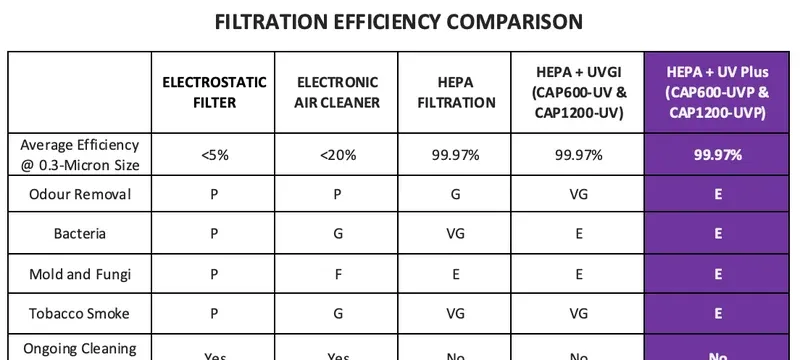
Filters for residential purposes are the least costly group available. An example of a typical HEPA cartridge for a residential air filter is priced at $20 to $80 based on mass production.
Cost of light commercial air filtration products ranges from $50 to $150 in wholesale pricing. The majority of products in this class are either panel or bag filters of standard sizes that may or may not be certified.
HEPA filters for industrial applications begin at $500 and can cost upwards of $5,000 each. Filter products classified under this designation have been manufactured for specific airflow, pressure drop, and environmental conditions along with the appropriate paperwork and documentation altogether. This industrial HEPA filter cost range reflects the engineering and testing burden.
How do cleanroom and custom filter prices compare with standard replacements?
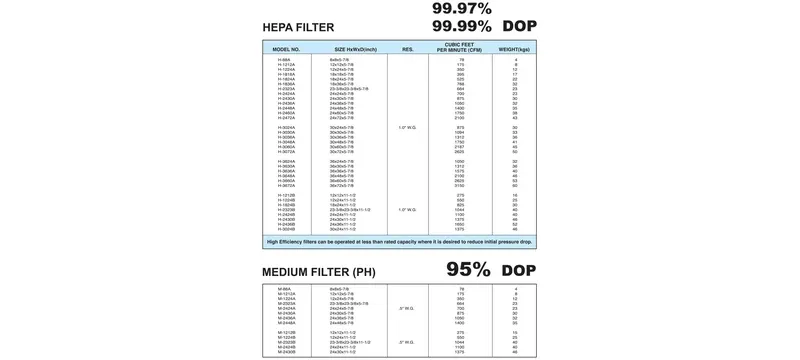
The cleanroom HEPA filter cost is higher compared to that of domestic or light commercial filters largely due to the testing and documentation needs arising from their use. Commercial HEPA filters of standard H13/H14 classification available in 600 mm × 600 mm sizes will typically vary between $150 and $350 per filter when ordered in wholesale quantities.
The cost of custom HEPA filters depends on the specific project in question due to factors such as tooling, setup, and production runs that are relatively small in scale. Certain published materials will indicate a significant markup over the cost of standard sized filters, but the exact amount of markup will vary significantly on a project-by-project basis and cannot be generalized.
The markup associated with custom sizes can be validated when the standard sizes available do not meet the installation needs in place, but they cannot be validated simply because a custom filter is available for use. The custom HEPA filter pricing must therefore be compared against the alternative of modifying the housing or fan.
How filter size and design affect cost
The HEPA filter price varies with size because of differences in media surface area, frame dimensions and depth. Larger HEPA filters will typically require more media and frame resources. The standard filtration sizes are produced in series and will be less expensive than custom size products.
Design factors will also contribute to the final cost of the HEPA filter products. Whether the design involves frame material, the type of seal used, or separator use, these decisions can ultimately add to the production costs associated with the HEPA filter item. The design selections should always be based on the application and not made solely based on cost.
How does filter size change the purchase price?
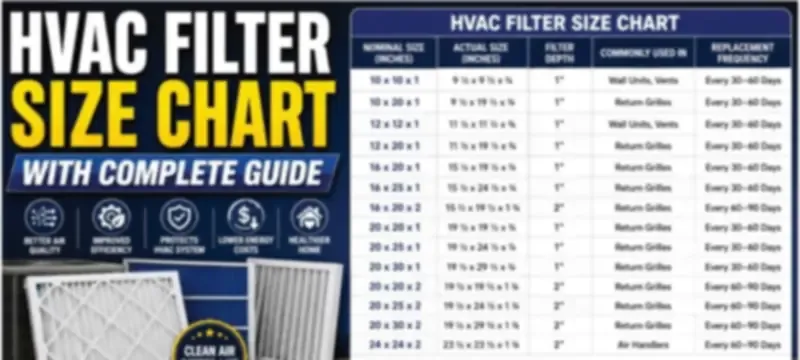
Standard sized filters will always be less expensive per filter piece because they are produced in larger volumes. A 592 mm × 592 mm × 292 mm HEPA filter is commonly utilized in cleanroom installations. The HEPA filter cost by size therefore depends on whether the size is a standard series production or a one-off build.
The respective dimensions highlighted in the article are only nominal unless stated otherwise. Further, in all instances, the end-user should check to ensure that measurements for the clear openings, seating depth, gasket positioning, and direction of installation have been taken since prices cannot be derived from the outside dimensions alone.
Custom dimensions will entail cutting, frame preparation, and assembly set up specifically for that job. Because of that, the cost per unit will go up, particularly for smaller jobs. This means that the custom price will vary based on each project, not on a set percentage.
Which construction options add to a HEPA filter's cost?
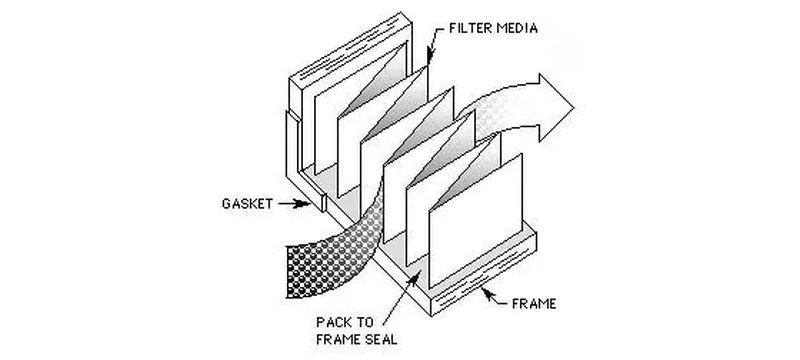
Certain options of construction may impact price. Each option involves trade-offs and is not strictly a cheaper or more expensive choice.
- Frame material: Metal, plastic, and composite materials all have different costs, weights, and corrosion properties.
- Gasket or gel seal: The gel seal has a way of sealing differently than a mechanical gasket or seal. Cost will vary based on compatibility with the housing.
- Separator vs separator-free: It is possible that the separator-free may provide a lower weight; however, the cost will differ from manufacturer to manufacturer.
- Media type: Ultrafine glass fiber media, synthetic media, and PTFE media all have different costs and compatibility characteristics.
- Compatibility with chemicals and temperatures: Materials that are rated for aggressive environments are likely to be higher in cost.
In the end, a lower price should not be considered an equivalent option if the filter has a different sealing interface or is unable to install without bypass leakage. Buyers will want to look at their total installed cost vs the unit price.
Efficiency grades, standards, and testing costs
Efficiency grade is one of the largest HEPA filter price drivers. Higher grades usually mean more media is utilized, higher tolerances of manufacturing, and more testing to meet standards. Each model will have its own price differential.
Testing and documentation will also affect the HEPA filter price. It is expected that the price on filters that have per unit testing will be more expensive than those with batch only documentation. In a regulated cleanroom, the documentation will be necessary according to the specification for the project.
How do HEPA efficiency grades affect filter pricing?
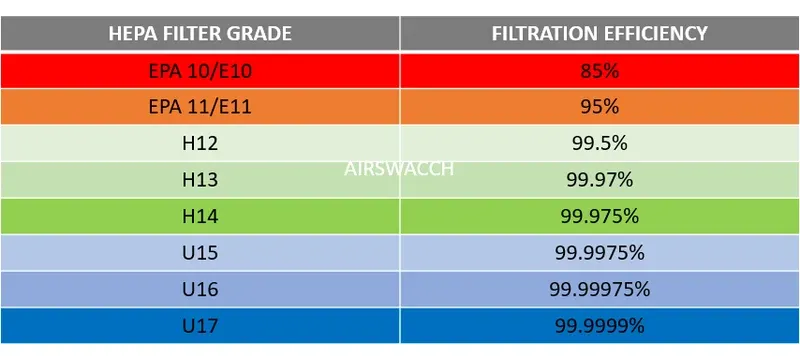
Filters with higher efficiency grades are more costly than those with lower efficiency grades, but published prices in the marketplace vary substantially from one producer to another. For example, some reports set the price for H13 filters at $60–$100, the price of H14 filters at $80–$150, and the price of U15–U17 filters from $150 to $800 or more.
These price listings are not directly comparable to the range quoted in Table 1 for cleanroom modules because they are for filters with differing sizes, airflow ratings, order quantities and sales channels. Thus, they should be deemed separate market references rather than as one universal pricing standard for HEPA filters.
Customers ought to ask for a personalized price quote to be able to price filters instead of relying upon published prices.
Which standards and test documents should buyers request?
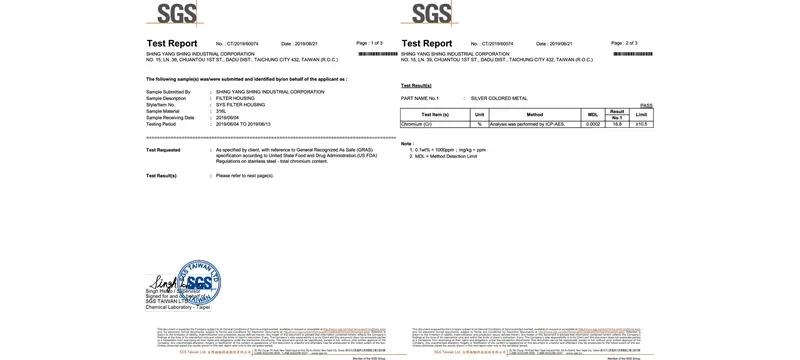
The standards test documents required will depend on the project type and location.
- EN 1822: This is a European standard that defines HEPA and ULPA classifications.
- ISO 29463: This is an international standard applicable to HEPA and ULPA filters.
- IEST-RP-CC001: This represents the US recommended practice.
- ASHRAE 52.2: This is the HVAC filter test method applicable to general ventilation applications.
- EN 779: This is an obsolete filtering classification standard.
- MIL-STD-282: This is a set of criteria that provides general information concerning HEPA testing specifications.
- iso 14644-1: This is a cleanroom classification standard used to measure particle concentration; it provides no information concerning the efficiency rating of filters.
Customers need to ascertain if there is a testing requirement included in the cost, what method and acceptance criteria is applicable and under consideration, whether or not tests will be conducted on a batch or individual basis, and whether reports can be assigned to models or serial numbers.
Table 2: Standards, class or grade, relevance to price
| Standard | Classification/grade | Relationship to price |
|---|---|---|
| EN 1822 | H13, H14, U15–U17 | Higher class = more media and testing |
| ISO 29463 | HEPA/ULPA classes | Normalization framework; validate edition |
| IEST-RP-CC001 | Recommended practice for HEPA and ULPA | US framework, not certification process |
| ASHRAE 52.2 | MERV 1–16 | Only for general ventilation, not HEPA grade |
| EN 779 | F5–F9 legacy | Only cost of prefilter, now superseded |
| MIL-STD-282 | Historical HEPA | Only for cross-reference purposes |
| Standard | Classification | Price relevance |
|---|---|---|
| EN 1822 | H13, H14, U15–U17 | Higher class = more media and testing |
| ISO 29463 | HEPA/ULPA classes | Normalization framework; validate edition |
| IEST-RP-CC001 | Recommended practice | US framework, not certification |
| ASHRAE 52.2 | MERV 1–16 | General ventilation only |
| EN 779 | F5–F9 legacy | Prefilter cost only; superseded |
| MIL-STD-282 | Historical HEPA | Cross-reference only |
Table 2: Standards, class or grade, relevance to price.
Airflow, pressure drop, and operating cost
While purchase price is one component of total cost, operating cost includes fan power, replacement labor, testing, and disposal. Lower initial resistance filters may have higher initial costs, but they will save energy during their operational life.
The required airflow will dictate the filter dimensions and face velocity. Initial and final pressure drops will determine energy loss through the fan.
How do airflow requirements and pressure drop affect total cost?
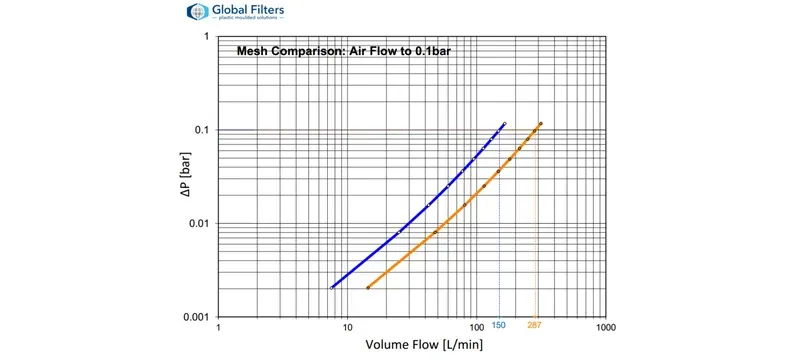
Fan power costs are driven by the airflow rate and pressure drop as well as system efficiency, unit operating hours, and electricity costs. An example of a formula is as follows:
Annual energy cost = (Airflow rate in m³/s × Pressure drop in Pa × Operating hours × Electricity cost) ÷ (Fan efficiency × 1000).
For instance, if the airflow is 0.7 m³/s, and pressure is 200 Pa with 8,760 hours of operation, energy cost will be equal to (0.7 × 200 × 8,760 × 0.12) ÷ (0.65 × 1000) ≈ $227 per year for a filter train.
According to Deiiang catalogue data, a resistance at ≤200 Pa (H13) and ≤220 Pa (H14) has been identified in respect of Combined model size 592 × 592 × 292 mm at rated airflow.
What operating costs should buyers include beyond the filter price?
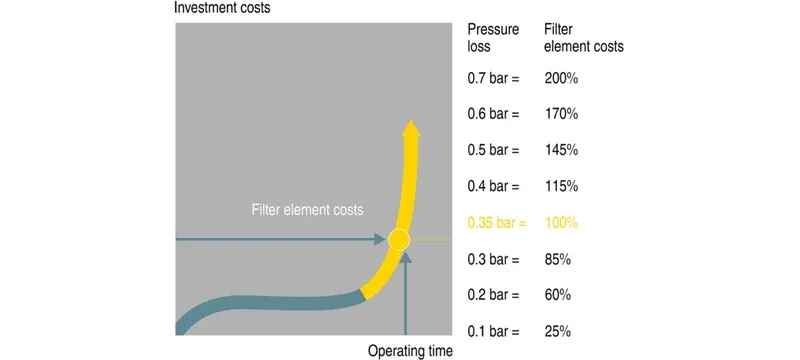
Essentially, all operating costs that need to be factored in above the HEPA filter price are:
- Energy consumed by the fan.
- Labor to replace.
- Access equipment.
- Cost to dispose.
- Testing for cleanroom integrity.
- Downtime.
- Monitoring and recordkeeping.
A life cycle cost analysis should take into account all of these issues, including the HEPA filter replacement cost.
Replacement costs and lifecycle budgeting
The replacement HEPA filter price is only one part of the equation, since labor, access, disposal, and testing must also be factored in. In addition, the cost for testing after replacement should be considered in cleanroom applications.
The actual HEPA filter replacement cost will be different from site to site. Generalities such as "two or three times the price of the filter" may not hold true from location to location and from installation to installation.
What costs are included in a HEPA filter replacement?
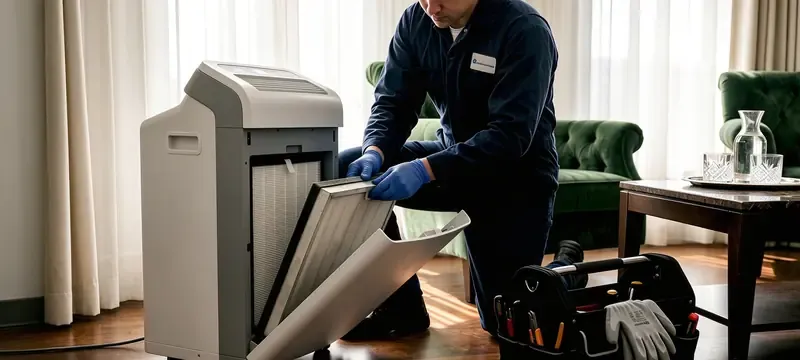
The HEPA filter replacement cost is composed of:
- The cost of the replacement filter.
- The costs involved in labor to remove and install.
- Any equipment costs incurred for access.
- The old filter must be disposed of.
- Testing performed after the filter is replaced (only for cleanroom applications).
- Any downtime incurred while production is stopped.
Each of these factors will fluctuate based on the location. An integrity test in a cleanroom will have a very different price structure than a cartridge replacement done for a home. Instead of using generalized multipliers, estimates should be determined through site-specific information.
How can facilities estimate annual and lifecycle filter costs?
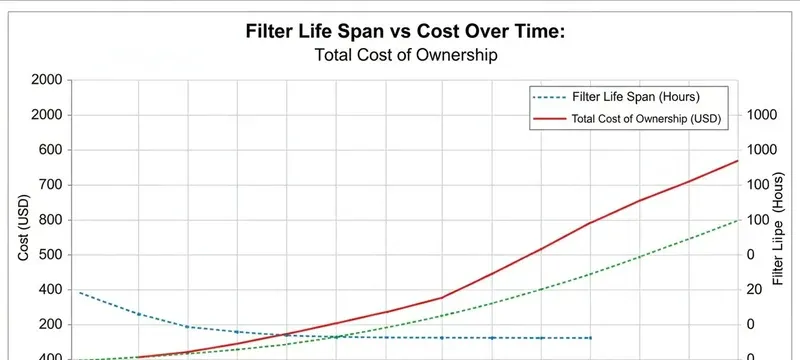
Annual estimates can be calculated by dividing the total cost associated with a filter replacement by the expected lifecycle in years.
Equation: Annual cost = (filter price + labor + testing + disposal) ÷ lifecycle in years.
Final estimates for a ten-year lifecycle should assume all prices remain constant, there is no discounting of costs, and there are no changes in replacement intervals. The estimates must include energy costs, escalation of prices, and replacement intervals.
Example:
- Filter price: $250
- Labor: $200
- Testing: $150
- Disposal: $50
- Total per replacement: $650
- Service life: 3 years
- Annual price: approximately $217 per filter
- Price for ten-year lifecycle (no escalation): $2,170
Customization, compatibility, and project specifications
Custom filters will be needed when the standard sizes will not fit the housing, based on unusual airflow requirements; or special materials are required based on the operating environment. The custom HEPA filter pricing will reflect the associated engineering and manufacturing costs.
When is a custom HEPA filter necessary, and how does it affect price?
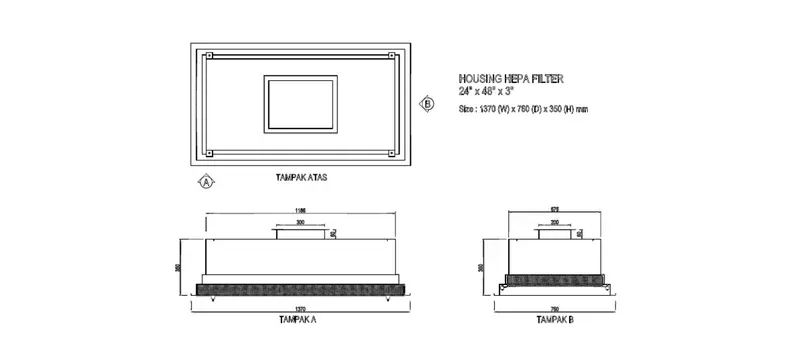
A custom filter may be required if:
- The filter dimensions do not correspond to the existing system.
- The airflow requirement is different from standard system ratings.
- The operating temperature or humidity is above standard range.
- The gasket or sealing interface is not standard.
- A special application requires specific materials.
Pricing for custom HEPA filters is project-specific. Published prices range widely without any basis for generalization. The premium for a custom HEPA filter must be considered against the cost of modifying the system or changing the fan to accept one of the standard filters.
What information should buyers provide to get an accurate quote?
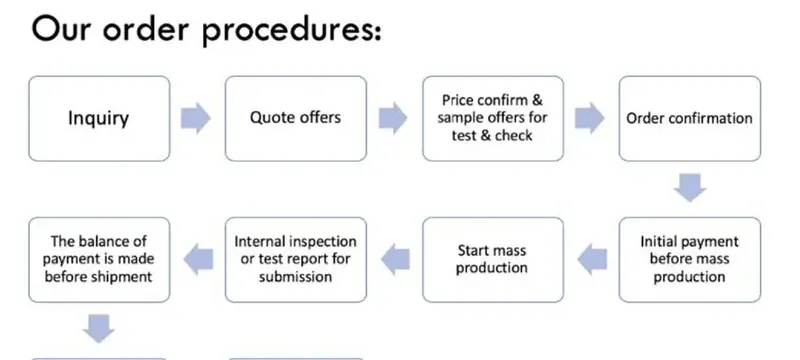
The complete inquiry includes:
- The design airflow in m³/h per filter.
- Type and model of housing.
- Actual clear opening and seating depth.
- Allowable face velocity.
- Required efficiency class and standard level.
- Limiting initial and final resistance.
- Seal types and position.
- Operating temperature, humidity, and chemical exposure.
- Electrical/control requirements if the unit is being purchased in a Fan Filter Unit (FFU).
- The quantity of filters required and delivery schedule.
Supplier quotations and total procurement value
When comparing quotations, it is necessary to ensure the specifications are identical. An H13 HEPA filter quotation cannot be fairly compared to an H14 HEPA filter unless both are suitable for the given application. The lowest HEPA filter price may not yield the greatest value.
How can buyers compare HEPA filter quotations fairly?

Accurate comparison starts when buyers have identical specifications.
Table 3: Checklist of items to ensure proper comparison between quotations
| Item in quotation | Evidence to request | Reason for comparison | Risk of omission |
|---|---|---|---|
| Efficiency class | EN 1822 or ISO 29463 report | Standard format, edition, testing method | Non-compliance |
| Size | Catalogue datasheet | Nominal vs actual, tolerance | Problem with installation |
| Airflow rating | Catalogue datasheet | Rate of airflow, testing conditions | Shortfall in performance |
| Initial resistance | Catalogue datasheet | At rated airflow | Higher cost of energy |
| Final resistance | Catalogue datasheet | Recommended by manufacturer | Premature replacement |
| Seal interface | Catalogue datasheet and housing match | Gasket or gel type | Bypass leakage |
| Test evidence | Per-unit scan report, if required | Batch or individual | Gap in compliance |
| Discounts on quantity | Supplier confirmation | Cost per unit at different rates of supply | Budget overrun |
| Incoterm/delivery point | Supplier terms | Cost of goods delivered | No extra costs |
| Taxes and tariffs | Supplier confirmation | Total cost of goods delivered | Unexpected cost |
| Payment terms | Supplier terms | Cash flow impact | Pressure on capital |
| Lead-times | Supplier confirmation | Delivery date | Project delay |
| Warranty coverage | Supplier terms | Coverage period, exclusions | Potential replacement cost |
| Replacement availability | Supplier confirmation | Supply availability | Risk of obsolescence |
| Item in quotation | Evidence to request | Risk of omission |
|---|---|---|
| Efficiency class | EN 1822 or ISO 29463 report | Non-compliance |
| Size | Catalogue datasheet | Problem with installation |
| Airflow rating | Catalogue datasheet | Shortfall in performance |
| Initial resistance | Catalogue datasheet | Higher cost of energy |
| Final resistance | Catalogue datasheet | Premature replacement |
| Seal interface | Catalogue datasheet and housing match | Bypass leakage |
| Test evidence | Per-unit scan report, if required | Gap in compliance |
| Discounts on quantity | Supplier confirmation | Budget overrun |
| Incoterm/delivery point | Supplier terms | No extra costs |
| Taxes and tariffs | Supplier confirmation | Unexpected cost |
| Payment terms | Supplier terms | Pressure on capital |
| Lead-times | Supplier confirmation | Project delay |
| Warranty coverage | Supplier terms | Potential replacement cost |
| Replacement availability | Supplier confirmation | Risk of obsolescence |
Table 3: Checklist of items to ensure proper comparison between quotations.
Which supplier details can change the final delivered price?
Various factors related to suppliers may affect price such as:
- Order quantity and quantity breaks.
- Lead time and last minute shipping charges.
- Method of shipping.
- Duties and taxes.
- Packaging requirement.
- Payment terms.
- Warranty and support coverage.
Buyers should get quotations on landed costs which include shipping and duties. Only knowing the unit price is not enough information to understand the final HEPA filter price.
Deiiang product data and project case study
Deiiang specializes in the manufacture of air filter products and cleanroom air filtration units. The product specs include H13/H14 combined filters, DOP filters, and ULPA filters. Data in this section was derived from the Deiiang current catalog for the various product lines and models.
Which Deiiang filter models fit common facility requirements?
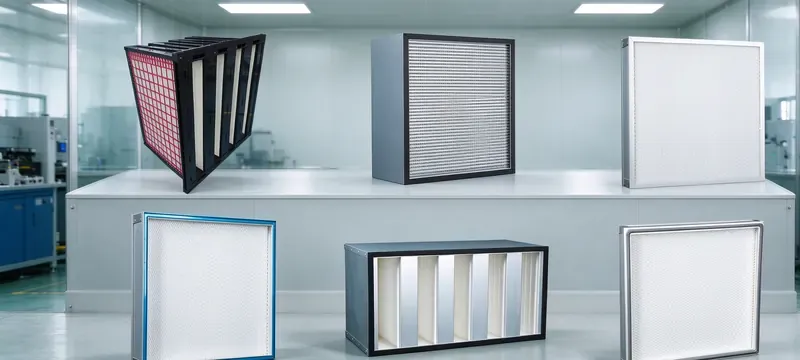
The Deiiang catalog has provided several product models that can be used depending on the airflow requirements.
- Combined 287 mm × 287 mm × 292 mm = 550 m³/h; 4.63 m²
- Combined 592 mm × 592 mm × 292 mm = 1,900 m³/h; 15.03 m²
- Combined 592 mm × 592 mm × 292 mm (4-pleat) = 2,500 m³/h; 20.04 m²
- Combined 592 mm × 490 mm × 292 mm = 2,050 m³/h; 16.44 m²
- Combined 592 mm × 287 mm × 292 mm = 1,150 m³/h; 9.26 m²
The initial resistance should be ≤200 Pa (class H13) or ≤220 Pa (class H14); the final resistance should be in a range of 400–600 Pa. All of these values are taken from catalog data at the specified conditions. It is important to mention that the 592 mm × 592 mm × 292 mm filter model is available with two pleat versions with different airflow quantities and should be clarified by customers.
Deiiang does not indicate any individual product pricing information in its catalog so clients should request a project budget quote.
What does a real Deiiang filter project reveal about cost and selection?
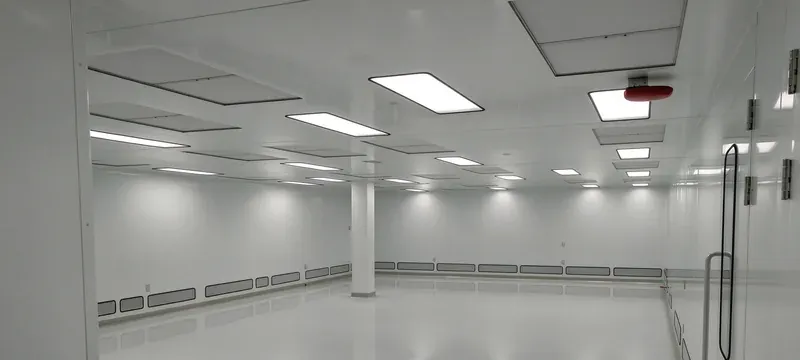
Below you will find an illustrative situation based upon an actual project file that has been anonymized. It is not an approved case study.
A cleanroom designed for pharmaceutical packaging has been established at an iso 6 level in an environment of high ambient particle load and limited plenum space utilizing H14 combined filters that are 592 mm × 592 mm × 292 mm, with a capacity of 2,500 m³/h, with a media area of 20.04 m², and with initial resistance of ≤220 Pa according to available information.
Silicone-free gaskets were supplied with the system along with F7 prefilters, and each component was tested for DOP during manufacture.
Project result: The measured particle levels went from iso 7 to stable ISO 6 levels. Particle count and energy consumption noted on this page must be obtained at the source.
Frequently Asked Questions
How much do HEPA filters cost?
The ranges for HEPA filters in 2026 USD are $20–$150 for residential and light commercial units, $150–$350 for standard cleanroom units, and $500–$5,000 or greater for industrial and custom units. These amounts are estimates and not quotes. Actual pricing will depend on specifications, quantity, and other factors.
What factors affect the price of a HEPA filter?
The primary HEPA filter cost factors include the classification of efficiency, overall size specifications, media area, materials, seal type, and number of orders. Custom-sized filters and those with the highest classifications generally cost more. Each filter requires DOP testing, which adds cost depending on the specifications for the particular project.
Do cleanroom HEPA filters cost more than standard filters?
Yes, cleanroom HEPA filters cost more than the typical residential, light commercial, or other standard types because of the extensive testing and documentation available for cleanroom facilities. Typically, a standard H13/H14 filter in a 600×600 mm tile size will cost approximately $150 to $350 per unit bought via wholesale.
How much does it cost to replace a HEPA filter?
The HEPA filter replacement cost involves filter price plus labor, testing, and disposal. Each of these factors varies according to location. The cost of replacing a cartridge filter for residential applications versus a cleanroom module filter is vastly different. As such, it is necessary for buyers to prepare a cost estimate specific to a site.
How often should HEPA filters be replaced?
Replacement is based on condition and is not tied to calendar time. Replacement is dependent on pressure drop, airflow, or integrity testing results. According to the Deiiang catalog, the calculated resistance at which to replace the Combined H13/H14 filter is 400–600 Pa. Normally, this number is determined by the performance of a specific site's fans and will vary according to the site.
How can I get an accurate quote for a HEPA filter?
A buyer should specify design airflow, available housing dimensions, filter efficiency class and standard, resistance limits, operating conditions, gasket requirements, and testing requirements. The Deiiang team can then provide the correct model and price quote for the project.
References
- [1] ASHRAE Standard 52.2 — Method of Testing General Ventilation Air Cleaning Devices for Removal Efficiency by Particle Size. ASHRAE.
- [2] EN 1822-1:2019 — High efficiency air filters (EPA, HEPA and ULPA) — Part 1: Classification, performance testing, marking. European Committee for Standardization.
- [3] ISO 29463-1:2024 — High efficiency filters and filter media for removing particles from air — Part 1: Classification, performance, testing and marking. International Organization for Standardization.
- [4] iso 14644-1:2015 — cleanrooms and associated controlled environments — Part 1: Classification of air cleanliness by particle concentration. International Organization for Standardization.
- [5] IEST-RP-CC001 — HEPA and ULPA Filters. Institute of Environmental Sciences and Technology. Verify title and current edition.
- [6] US MIL-STD-282 — Method of Test for Filter Units, Protective Clothing, Gas-Mask Components and Related Products. United States Department of Defense. Historical specification.
- [7] EN 779:2012 — Particulate filters for general ventilation — Determination of filtration performance. European Committee for Standardization. Legacy classification, superseded by ISO 16890 for general ventilation.
- [8] iso 14644-3:2019 — Cleanrooms and associated controlled environments — Part 3: Test methods. International Organization for Standardization.
- [9] Deiiang Combined High Efficiency Filter catalogue, DOP Integrated Filter catalogue, Super High Efficiency Baffle-Free Filter catalogue and F5–F9 Pre-filter catalogue. Product data supplied by Deiiang.