+86 13638632902
 Jason@cleanroomequips.com


 MENU
MENU
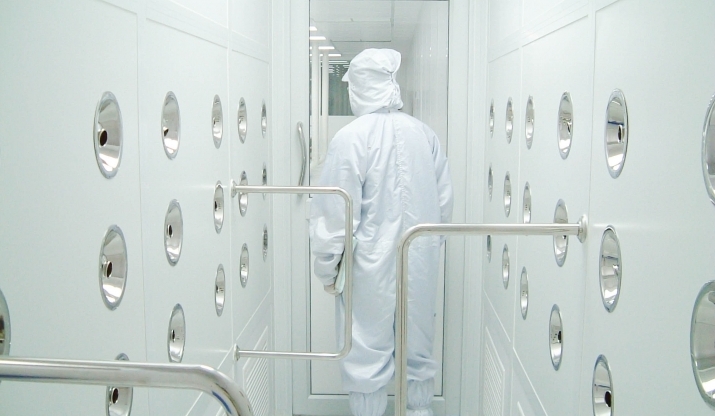
Before entering a cleanroom, it is necessary to properly use an air shower. First, follow the gowning procedure specified by the facility and make sure of the allowed number of people, keeping the door shut, and running the air cycle. Next, in compliance with the instructions contained in the relevant procedure, hold your arms away from your body and move only when the clean side door opens. air showers are thought to get rid of dust and dirt from surfaces; however, they do not kill germs and do not replace the use of proper gowning methods.

How do you properly use an air shower before entering a cleanroom?
Using an air shower correctly is crucial for maintaining the cleanliness of a controlled environment. Before entering a cleanroom, individuals must follow specific steps to ensure contaminants are effectively removed from their clothing and bodies.
Preparation for Air Shower
Before entering the air shower, ensure that you are wearing appropriate cleanroom attire, such as a lab coat or disposable gown. Remove any personal items like jewelry, watches, or loose clothing that may harbor contaminants.
Steps to Use an Air Shower
1. Enter the Air Shower: Step into the air shower and close the door securely to prevent any outside air from entering.
2. Activate the Shower: Activate the air shower system, which will initiate high-velocity air jets directed toward your body.
3. Stay Still: Remain still and allow the air jets to operate for the recommended duration, usually between 10 to 30 seconds. This duration ensures thorough removal of particles.
Post-Air Shower Procedure
After completing the air shower cycle, check that all Doors are closed before proceeding to enter the cleanroom. This step is crucial to maintain the integrity of the cleanroom environment.
Direction of air flow in a clean room
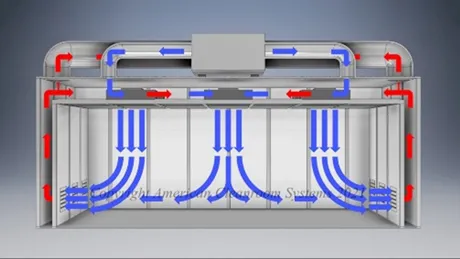
The directional airflow in a cleanroom is a fundamental aspect of maintaining air quality and cleanliness. Proper airflow helps to minimize contamination from personnel and equipment.
1. Positive Pressure Flow
cleanrooms typically operate under positive pressure, meaning that air flows from clean areas to less clean areas. This design prevents outside contaminants from entering the cleanroom.
2. Laminar Flow Systems
In many cleanrooms, laminar flow systems are used, where air moves in a unidirectional manner. This configuration ensures that clean air sweeps across the work area, carrying away particles and contaminants.
3. Air Exchange Rates
Cleanrooms are designed with specific air exchange rates, which dictate how often the air is replaced. Adequate exchange rates are essential for maintaining the required cleanliness standards.
4. Monitoring Airflow
Regular monitoring and adjustment of airflow patterns are necessary to ensure compliance with cleanliness standards and to maintain the effectiveness of the cleanroom environment.
Why it is necessary to put on special clean room suits before going into clean rooms?
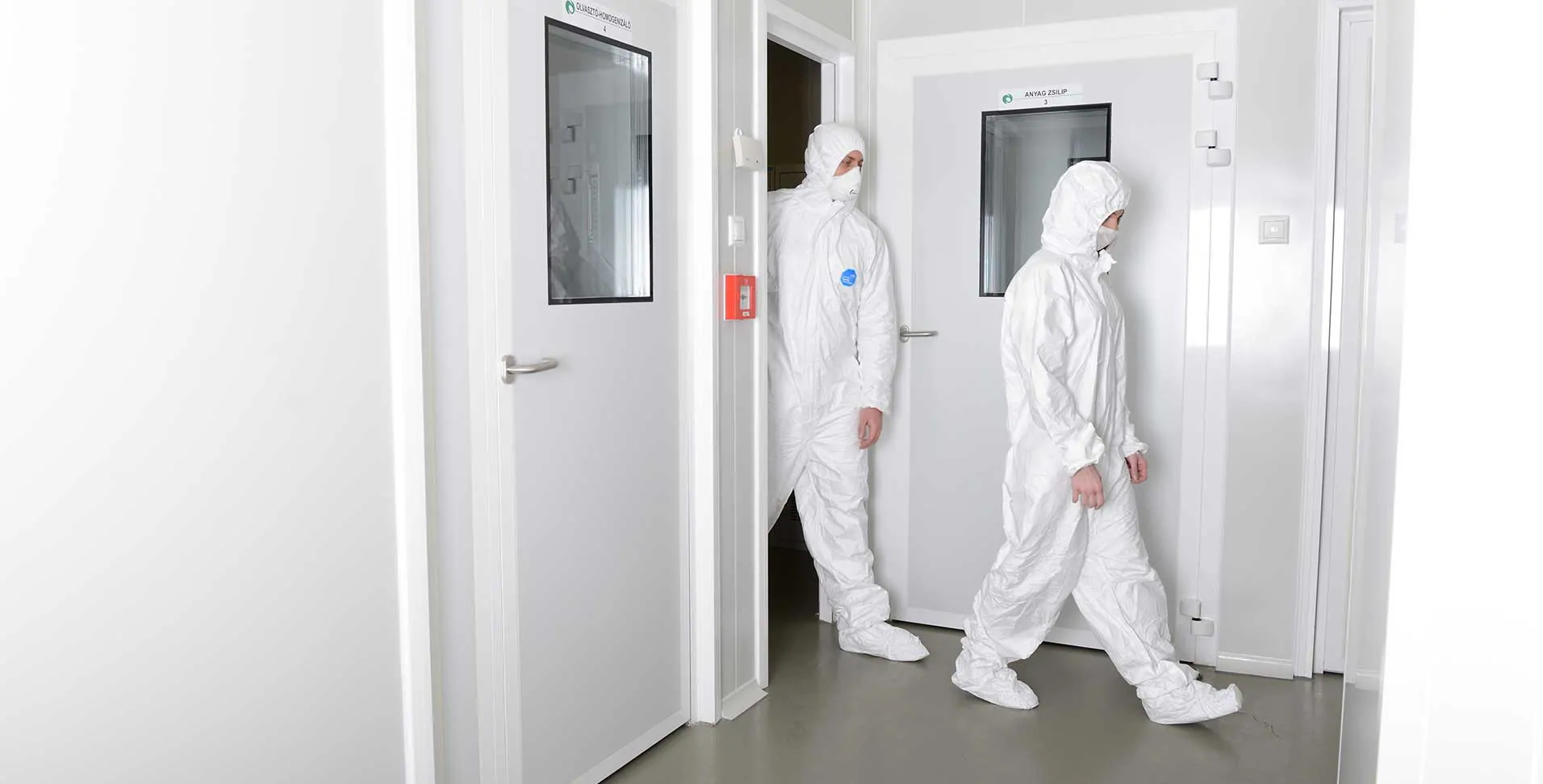
Wearing special cleanroom suits is essential for minimizing contamination and ensuring a controlled environment.
Contamination Prevention
Cleanroom suits are designed to prevent the shedding of particles, such as skin flakes and hair, which could contaminate sensitive areas.
These suits are typically made from non-woven, lint-free materials that do not release fibers or particles into the air. This characteristic is crucial for maintaining air quality in cleanrooms.
Suit Design
The design of cleanroom suits often includes features like hoods, booties, and gloves to cover the entire body. This comprehensive coverage prevents contaminants from personal clothing and skin from entering the cleanroom environment.
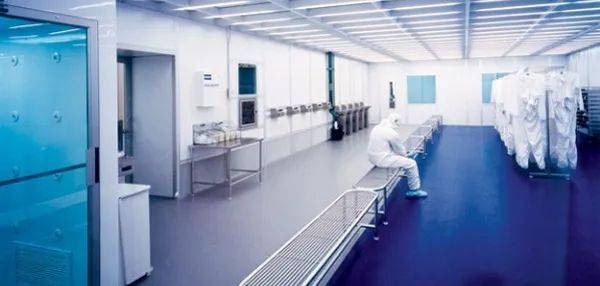
The order of gowning in prior to entering the cleanroom
Footwear
Begin by putting on cleanroom-approved shoe covers or dedicated cleanroom shoes to prevent dirt from outside.
Coveralls
Next, don a cleanroom coverall or gown, ensuring it covers your entire body and is securely fastened.
Hood
Wear a hood to cover your hair and prevent hair particles from contaminating the cleanroom.
Face Mask
Put on a face mask to minimize the risk of respiratory contaminants entering the cleanroom environment.
Gloves
Finally, wear cleanroom gloves to protect your hands and prevent direct contact with cleanroom surfaces.
Check for Contamination
Before entering the cleanroom, conduct a final check to ensure that your gowning is complete and that no contaminants are present on your attire.
cleanroom air shower FAQ
What steps to take before entering a clean room air shower?
Complete any facility specific entrance procedures relating to gowning and hand hygiene. Ensure all garments are properly closed and hair containment is adequate. Remove all items not permitted in the clean room and check to confirm the air shower is ready for use before entering.
How should you stand in an air shower?
Standing correctly in an air shower involves occupying the position designed for the air shower and ensuring all air nozzles are not obstructed. Avoid obstructing air nozzles. Raise your arms so the air nozzles have access to the outside of your garments. Adjust your arms slowly so you aren’t obstructing air nozzles.
What is the appropriate length for an air shower cycle?
Use the duration defined in the facility’s air shower cycle procedure and the air shower settings. Every clean room has a different duration for an appropriate length of time. This duration should come from a qualification assessment considering the intended use of the clean room. Do not discontinue or reduce the cycle.
Can multiple people use an air shower at the same time?
Air showers with an occupancy limit designed for multiple people can accommodate multiple people. Exceeding the air shower occupancy limit can disrupt the air flow and reduce the air shower efficiency. Obey the occupancy limit and stand in the designated positions.
Can an air shower fully sanitize clothing or kill germs?
No. An air shower relies on high‑speed, filtered air to blow off adhered particles. It may remove some particles that carry germs, but air showers cannot kill germs or fully sanitize clothing or skin. Other means of contamination control such as proper gowning and hygiene and other cleaning and contamination control measures are still required.
What should you do when the air shower cycle is done?
You should wait for the completion signal and for the clean‑side door to open. Once the door is opened, you may exit the air shower and move into the next area. Once in the next area, do not touch things that are not necessary and proceed to the next step. Do not force open the doors, bypass locks, or open the clean side door unless the procedure allows you to do that.
What should you do when an air shower is not working how it should?
You should discontinue the entry procedure and tell the supervisor or maintenance personnel of the problem as it is happening. You should not bypass the air shower or any of its interlocks to continue entering. Entry should only continue once an alternative procedure that is approved has been established. If you are stuck in the air shower and it is an immediate problem that you cannot wait to react to, use the emergency release according to the safety instructions given for the air shower.
Are air showers required for iso 8 or GMP grade d cleanroom?
No. Either the iso 8 classification or the gmp d designation of the EU do not require an air shower by themselves at all times. An air shower should be included in the facility's contamination‑control strategy. An air shower should not be included in a facility's contamination‑control strategy without consideration of the location's process risks. An air shower placed in a cleanroom should be included in the room's airlock, and by itself should not be considered discernment of meeting cleanroom requirements or the GMP directive's compliance.