+86 13638632902
 Jason@cleanroomequips.com


 MENU
MENU
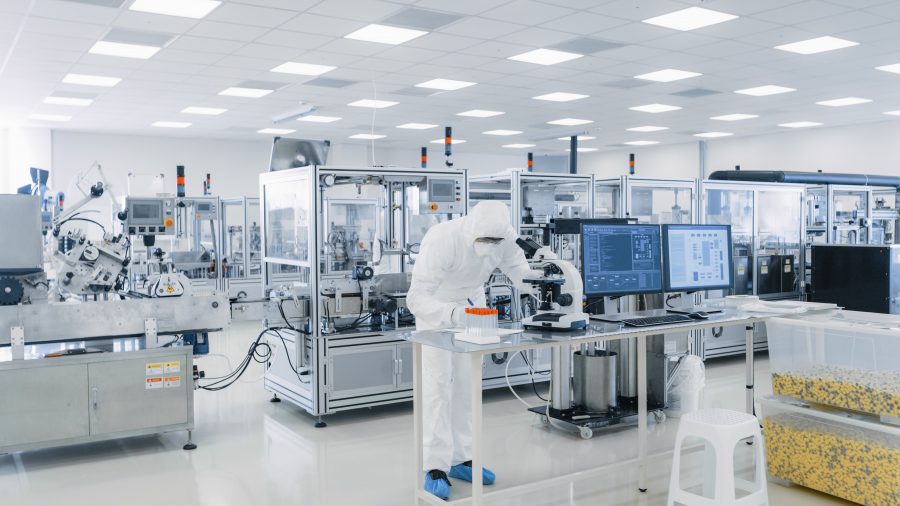
pharmaceutical cleanrooms are critICal environments designed to maintain high levels of sterility and contamination control necessary for drug production and research. These facilities must adhere to stringent international standards to ensure the safety and efficacy of Pharmaceutical products.
Pharmaceutical cleanroom design
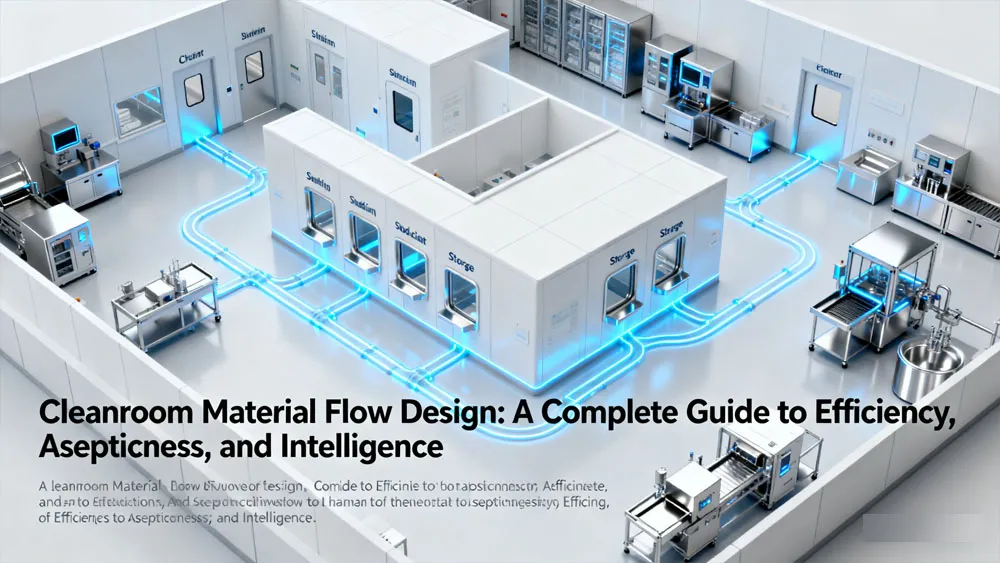
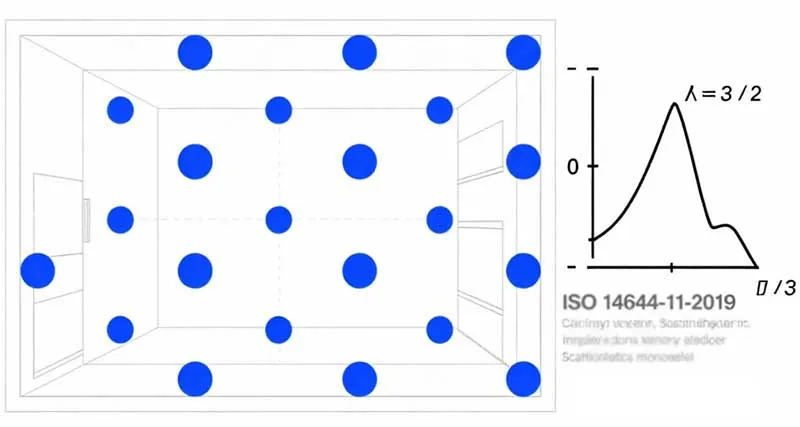
The design of Pharmaceutical cleanrooms incorporates several crucial elements aimed at minimizing contamination risks. Utilizing state-of-the-art technology and adhering to iso 14644 standards, cleanroom designs ensure efficient workflows while maintaining environmental control...
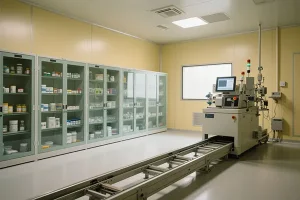
Environmental Parameters
Maintaining precise environmental parameters within cleanrooms is pivotal for operational efficiency and product integrity. Key parameters include temperature, humidity, and air cleanliness. Strict control over these factors prevents microbial growth and ensures stable conditions for Pharmaceutical Production.
- Temperature and Humidity: These parameters must be maintained within specific ranges to prevent degradation of products and reduce static electricity.
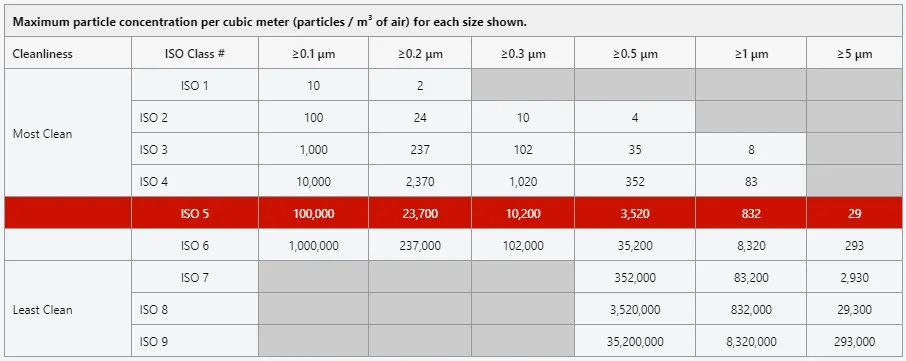
- Air Cleanliness: cleanrooms must comply with defined particulate levels, ensuring classified standards like iso class 5 or Class 7 are met.
Pharmaceutical Cleanroom Air Purification and Ventilation
Air purification and ventilation systems are the backbone of contamination control within cleanrooms. These systems regulate the intake, flow, and exhaust of air, maintaining an environment free from particulates and microorganisms...
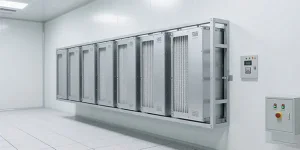
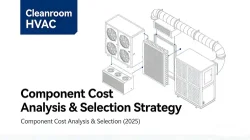
Pharmaceutical Cleanroom HVAC
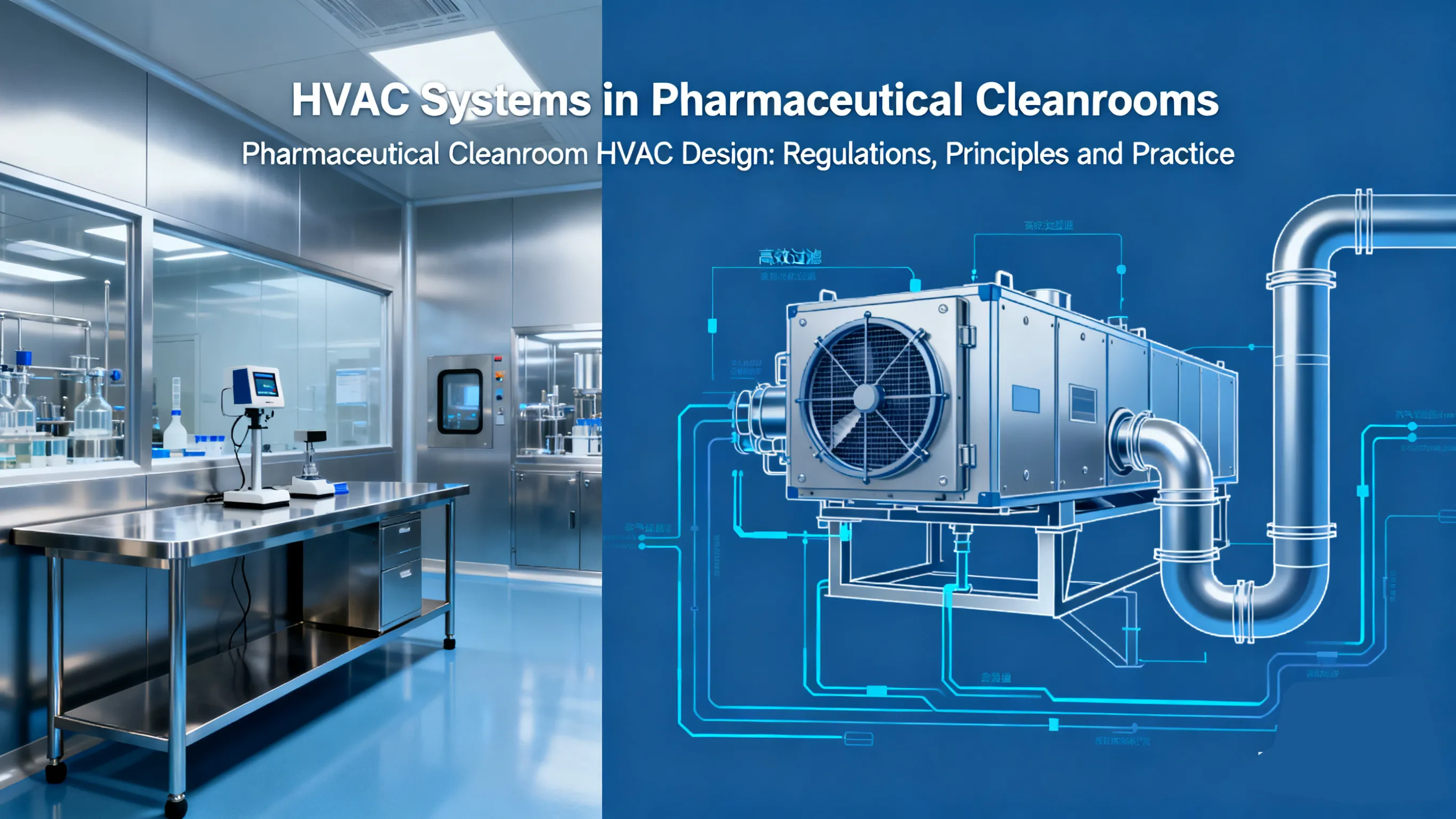
HVAC systems are integral for controlling the environment within cleanrooms. They regulate temperature, humidity, and air pressure, ensuring a stable environment conducive to pharmaceutical processes.
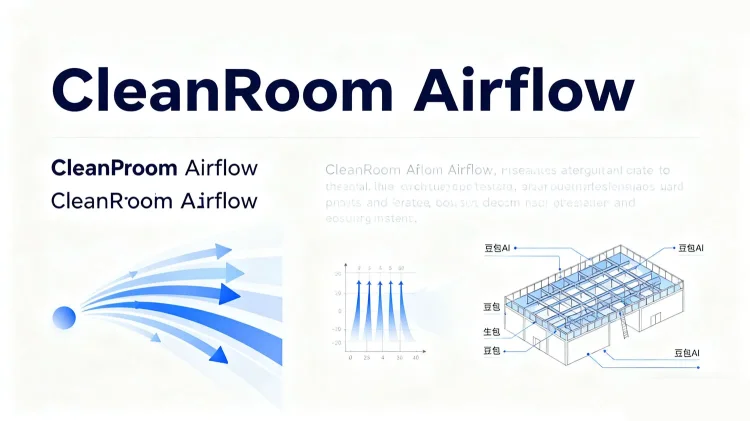
- Airflow Control: Maintains correct pressure levels and air exchange rates.
- Temperature and Humidity Management: Critical for product safety and efficacy.
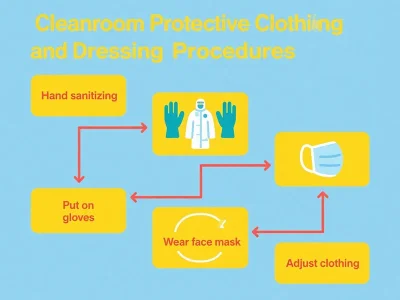
Protective Clothing and Passageways
Personnel in cleanrooms must wear protective clothing to prevent contamination. The design of gowning areas and passageways is vital to ensure compliance with hygiene protocols...
cleanroom floors
The flooring in pharmaceutical cleanrooms should be seamless, non-porous, and resistant to chemicals used for cleaning and disinfection. Common materials include vinyl and epoxy, which offer durability and easy maintenance. Proper flooring not only aids in maintaining cleanliness but also supports heavy equipment and the movement of materials.
cleanroom walls
Walls within a cleanroom must also be designed to support decontamination processes. Non-porous finishes and materials that withstand frequent cleaning are essential. Walls should be smooth to prevent microbial growth and must facilitate effective decontamination practices. Deiiang excels in providing wall solutions that align with ISO standards, utilizing innovative materials that enhance longevity and reliability.
USP 797/800 Cleanrooms
Compliance with USP 797 and USP 800 is crucial. These standards outline the guidelines for sterile compounding and hazardous drug handling, respectively. Cleanrooms must be designed and operated to meet these detailed requirements, ensuring both product and personnel safety.
| Standard | Focus Area |
|---|---|
| USP 797 | Focuses on the quality of compounded sterile products. |
| USP 800 | Ensures safety in handling hazardous drugs. |
The expertise of Deiiang in crafting facilities that comply with these regulations ensures highest safety and quality standards are maintained within pharmaceutical cleanrooms.
By understanding and implementing these elements, pharmaceutical cleanrooms can ensure compliance with industry regulations and guarantee the safety and efficacy of products manufactured within these controlled environments.