+86 13638632902
 Jason@cleanroomequips.com

 MENU
MENUPharmaceutical Cleanroom HVAC Design: Regulations, Principle
In my 15 years as a lead engineer at Deiiang™, I have seen that proper Pharmaceu

Author:Jason Peng
Cleanroom Engineering Technology Manager of Deiiang Company.
Product R&D Manager of GDC Inc. Cleanroom Equipment Manufacturing Company.
Executive Director of Guangdong Cleanroom Industry Association of China.
Engaged in R&D of related products for 15 years, with rich relevant technical experience
In 2023, FDA warning letters revealed over 200 cleanroom violations, highlighting serious consequences for pharmaceutical manufacturers that fail to adhere to stringent guidelines. Cleanrooms play an integral role in the production of sterile injectables, highly potent active pharmaceutical ingredients (HPAPIs), and cutting-edge cell and gene therapies. These environments ensure drug safety by minimizing contamination risks, which could lead to devastating patient outcomes such as endotoxin shock.
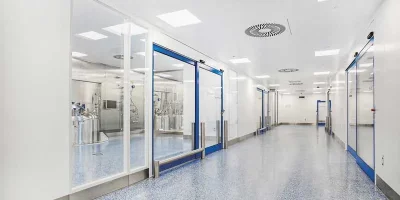
Cleanrooms are pivotal across various pharmaceutical applications. The table below summarizes different product types, their respective ISO classifications, and key contamination risks:
| Product Type | ISO Class | Key Risks |
| Monoclonal Antibodies | B | Bioburden control |
| Oral Solid Dosage | D | Cross-contamination |
| Oncological Products | C/B | HAPI exposure |
Oncology drug manufacturing requires stringent containment strategies, emphasizing the critical nature of cleanroom environments for HPAPI handling.
In the construction and maintenance of pharmaceutical cleanrooms, the selection of structural materials plays a critical role in ensuring contamination control and compliance with GMP standards. Here’s an overview:
Material Typically, walls are made from non-porous, smooth materials such as stainless steel or specialized cleanroom panels.
Properties Easy to clean, resistant to chemicals, and capable of preventing microbial growth.
Material Epoxy coatings or vinyl flooring are commonly used due to their seamless nature.
PropertiesDurable, resistant to cracking, and easy to maintain. These properties help in preventing particle accumulation and facilitate effective cleaning protocols.
Material Similar to wall panels, often constructed from non-fibrous materials like coated steel or composite panels.
Properties Must support the integration of HEPA filters and lighting fixtures without compromising air tightness.
Material High-grade stainless steel or other non-corrosive metals for doors; shatterproof, flush-mount glass panels for windows.
Properties Hermetically sealed with smooth surfaces to minimize contamination risk and maintain pressure differentials.
Materials Stainless steel is often used for benches, carts, and other fixtures.
Properties Smooth and non-reactive, making them ideal for maintaining sanitary conditions.
Ductwork Material Galvanized steel with non-porous, insulated coatings.
PropertiesEnsures that airflow remains consistent, clean, and free from contaminants.
SeamlessnessJoints and seams should be minimized to reduce microbial growth sites.
CompatibilityAll materials must be compatible with cleaning agents and disinfectants used in the facility.
Regulatory ComplianceMaterials should meet the requirements specified by FDA and EU GMP regulations.
Using the right structural materials is crucial for maintaining the integrity and compliance of pharmaceutical cleanrooms, ensuring they effectively control contamination and protect product quality.
HEPA/ULPA filters are crucial, capturing particles as small as 0.3μm. Air change rates are pivotal, with EU GMP Annex 1 mandating ≥20 air changes per hour for Grade D zones. Computational Fluid Dynamics (CFD) modeling aids in visualizing and optimizing airflow patterns, preventing particle accumulation in critical zones.
PurposeCondition and circulate air throughout the cleanroom.
Features Equipped with high-efficiency particulate air (HEPA) filters or ultra-low penetration air (ULPA) filters to remove airborne particles.
Function Capture particles as small as 0.3 microns (HEPA) or 0.12 microns (ULPA), crucial for maintaining ISO class cleanliness levels.
Location Installed in ceilings or within AHUs to ensure uniform and clean airflow.
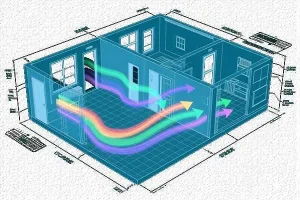
A comprehensive understanding of regional standards ensures compliance and harmonization:
| Region | Standard | Key Change |
| USA | FDA cGMP | Continuous monitoring |
| EU | Annex 1 (2022) | Contamination Control Strategy |
ISO 14644-1 delineates particle limits critical for maintaining air quality, with graphical visualization aiding stakeholders in maintaining compliance.
Data Integrity: ALCOA+ principles are critical within Environmental Monitoring Systems (EMS), ensuring reliable and traceable data management.
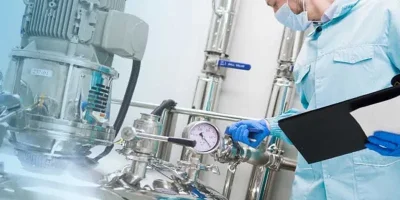
A cleanroom requalification led to a 34% yield increase and significant regulatory cost savings by reducing FDA 483 observations. Aligning operational strategies with compliance requirements mitigates financial risks and enhances product quality.
The pharmaceutical industry is moving toward Continuous Manufacturing (CM), facilitated by modular cleanroom pods. Artificial Intelligence (AI) enhances predictive particle monitoring, offering real-time insights into environmental conditions. A convergence of biosafety levels, such as BSL-3 with iso 5 requirements, underscores the evolving landscape of cleanroom technology.
The necessity for continuous innovation in cleanrooms is driven by the ever-evolving landscape of pharmaceutical technology and regulation. As the industry progresses, several key trends are set to shape the future:
As pharmaceutical cleanrooms become more technologically advanced and regulatory requirements evolve, the commitment to maintaining GMP compliance and adhering to global standards remains paramount. By adopting best practices in cleanroom design, engineering, and operations, stakeholders can ensure safe and efficient drug manufacturing processes.
Through rigorous training, real-time monitoring capabilities, and continuous improvement processes, the pharmaceutical industry can confidently navigate the challenges of cleanroom management while safeguarding public health and ensuring patient safety.
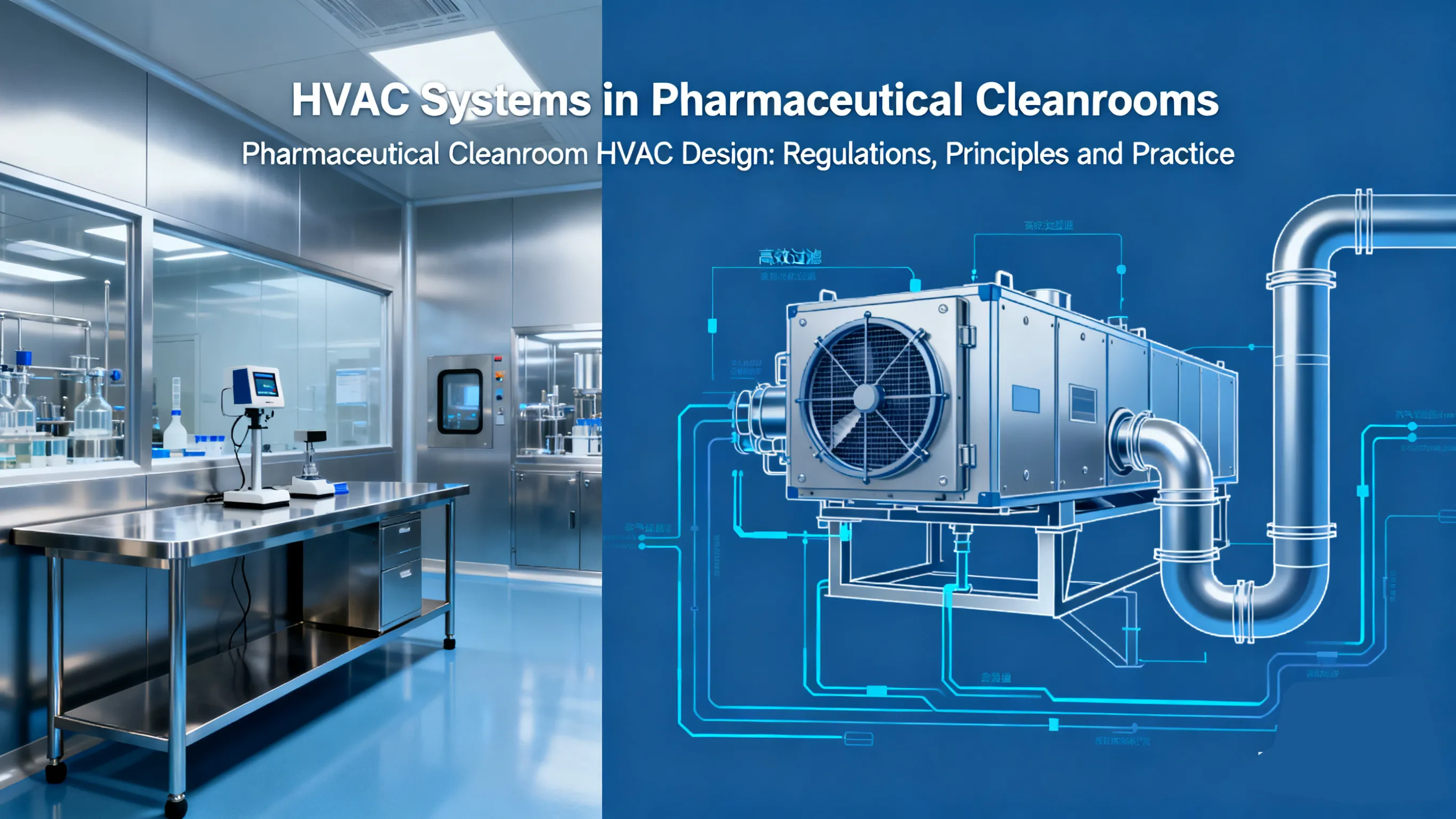
In my 15 years as a lead engineer at Deiiang™, I have seen that proper Pharmaceu
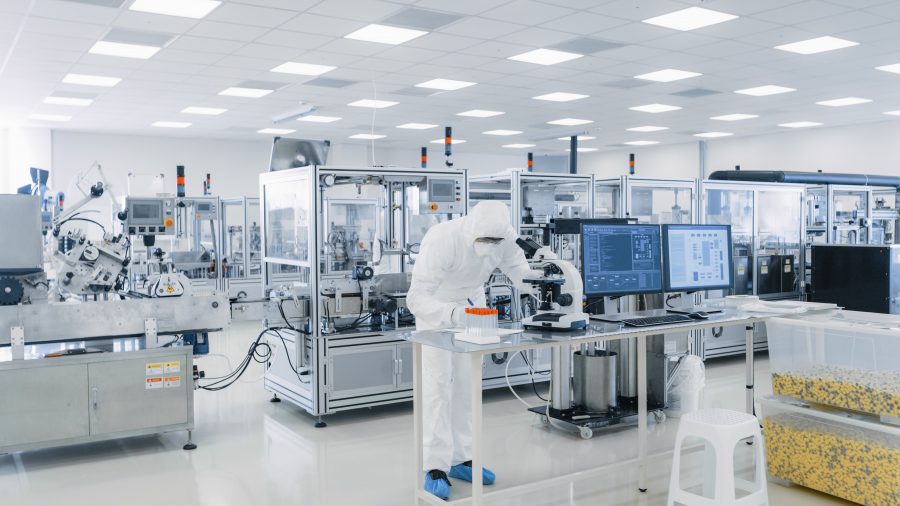
1. PurposeEstablish regulations for personnel control and management in clean ar
Pharmaceutical cleanrooms are critical environments designed to maintain high levels of sterility and contamination control necessary for drug production and re...
In the pharmaceutical industry, cleanrooms are pivotal in ensuring the production of safe and effective products. Designing a cleanroom that meets Good Manufact...
In 2023, FDA warning letters revealed over 200 cleanroom violations, highlightin
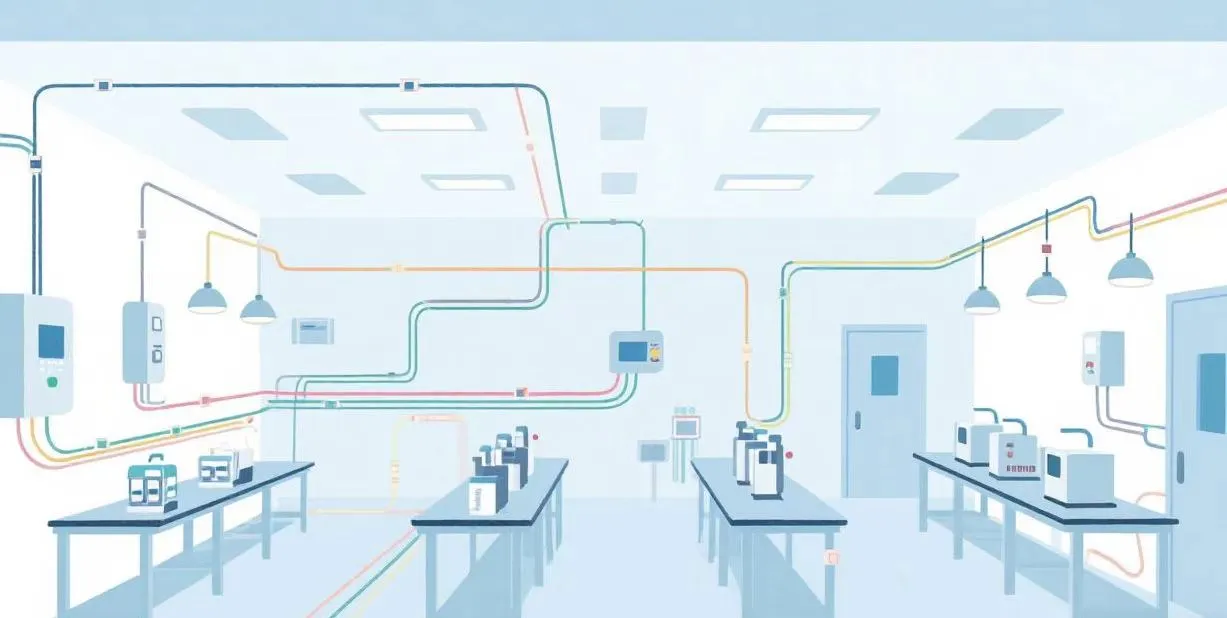
Designing a pharmaceutical cleanroom requires balancing strict regulatory compli
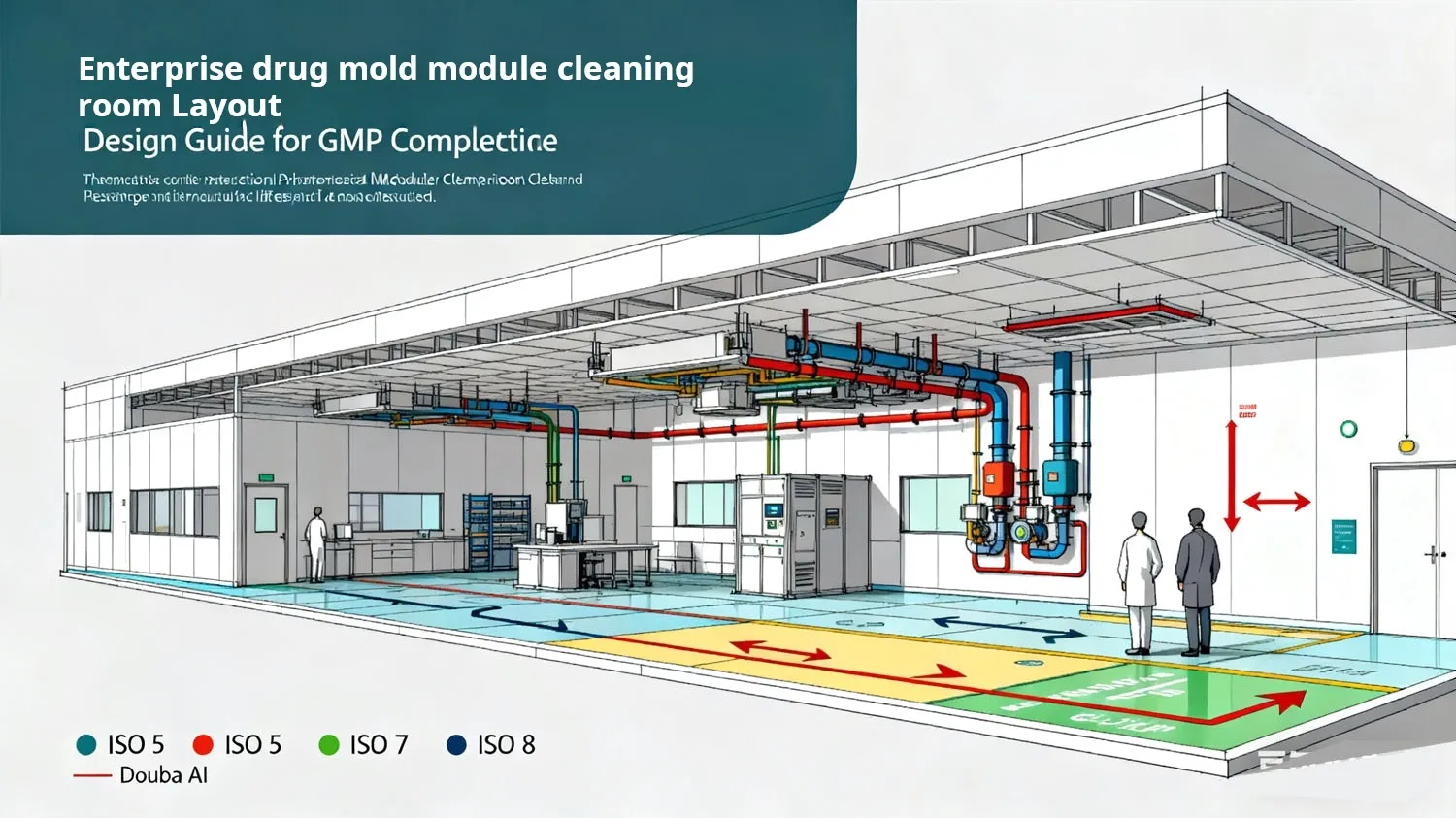
Beyond Standard ContainmentIn pharmaceutical manufacturing, a cleanroom is not j
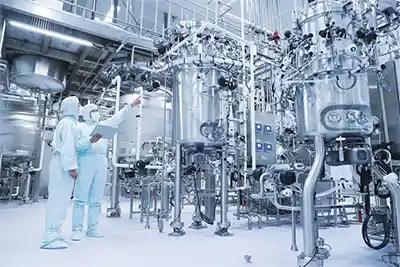
Why Cleanrooms Are Non-Negotiable in Biopharmaceutical ManufacturingCleanrooms p