+86 13638632902
 Jason@cleanroomequips.com


 MENU
MENU
What is a semiconductor cleanroom?
A semiconductor cleanroom is a controlled environment designed to reduce the concentration of airborne particles and pollutants during the production of semiconductor devices. These rooms are used to manufacture sensitive components, such as microchips and integrated circuits, where even the smallest contamination could result in defects.
semiconductor cleanrooms are critical for maintaining the integrity of the production process by providing a stable environment with stringent control over contamination, temperature, and humidity.
Core Elements of Semiconductor cleanroom design
The design of a semiconductor cleanroom requires a comprehensive approACH, focusing on several core areas:
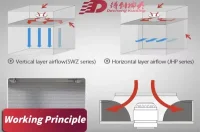
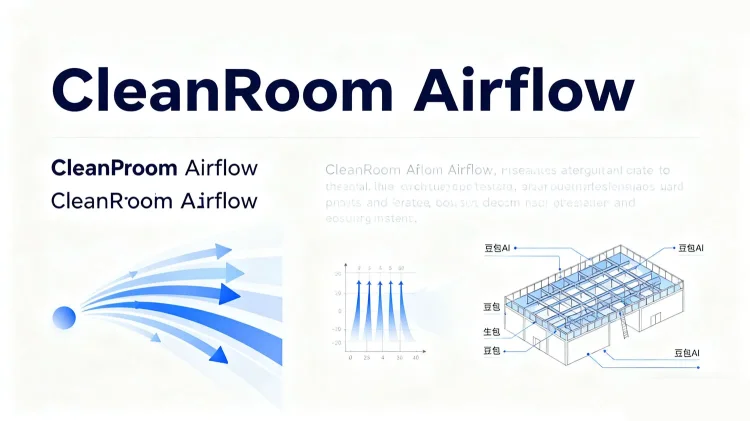
Airflow Management: unidirectional airflow and high air changes per hour (ACH).
Temperature and Humidity Control: Precise temperature maintenance (±0.1°C) and humidity control (40%-45% RH).
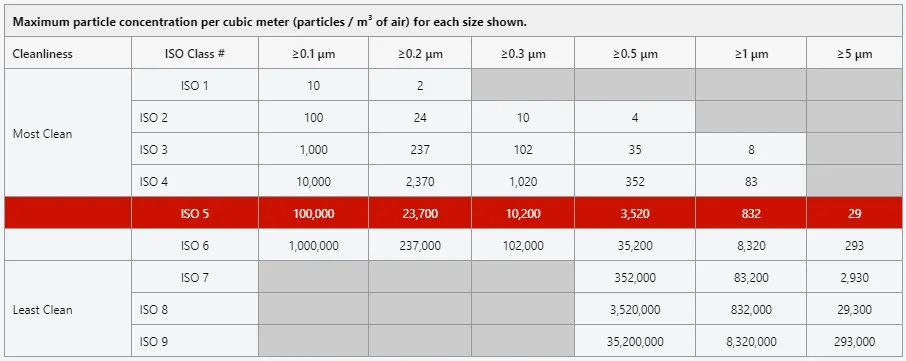
cleanroom classification: Adherence to iso 14644-1 cleanliness standards (iso class 1 to iso class 5).
These design elements ensure that the cleanroom environment meets the strict requirements of semiconductor manufacturing, minimizing contamination and maximizing productivity.
Cleanliness Requirements for Semiconductor Cleanrooms
A semiconductor cleanroom's primary function is to maintain ultra-low levels of contamination. The design of the room must include several components to help achieve these cleanliness standards:
| Cleanroom Class | Particle Count (≥0.5 µm) per Cubic Meter | Typical Usage |
|---|---|---|
| ISO Class 1 | ≤ 10 | Highly specialized applications, such as photolithography or advanced semiconductor device production. |
| ISO Class 2 | ≤ 100 | Used in processes requiring extremely low contamination, such as critical device packaging. |
| iso class 3 | ≤ 1,000 | Common in high-precision semiconductor fabrication. |
| iso class 4 | ≤ 10,000 | Used for less sensitive processes |
| ISO Class 5 | ≤ 100,000 | Used for general semiconductor assembly and non-critical tasks. |
These features help ensure that the cleanroom complies with international standards like ISO 14644-1, providing a contaminant-free environment essential for semiconductor production.
Building Materials for Semiconductor Cleanrooms
Choosing the right materials for constructing a semiconductor cleanroom is critical to its performance. The following materials are commonly used in cleanroom design:
1. Double-layer Return Air Wall Panels
Prevent air contamination and help maintain pressure balance.
2. Interlayer Ceilings
Provide smooth surfaces for airflow management and particle reduction.
3. Raised Alloy Flooring
Ensures durability and cleanliness while preventing particle accumulation.
4. Cleanroom Steel Doors
Provide airtight seals to maintain room cleanliness.
5. Double-layer Hollow Windows
Minimize external contamination while allowing visibility.
These materials are specifically chosen for their ability to withstand harsh cleaning processes and contribute to maintaining the cleanroom's operational integrity.
Semiconductor Cleanroom Installation Process
Installing a semiconductor cleanroom involves several detailed steps to ensure it meets the required standards:
1
Design Review and Approval
Ensure the design meets all required specifications.
2
Site Preparation
Prepare the location for installation, including structural supports and HVAC infrastructure.
3
Cleanroom Structure Construction
Install walls, ceilings, floors, and doors using the specified materials.
4
HVAC and Filtration Systems
Install HEPA/ULPA filters, air ducts, and ventilation systems to ensure proper airflow and contamination control.
5
System Testing and Calibration
Verify that all systems (temperature, humidity, airflow) are working as designed.
6
Final Inspection and Certification
Ensure compliance with international standards such as ISO 14644-1 before the cleanroom is operational.
These steps ensure that the cleanroom meets the precise requirements needed for semiconductor manufacturing and maintains compliance with industry regulations.
Conclusion
In conclusion, designing and constructing a semiconductor cleanroom requires a detailed understanding of the cleanliness standards, materials, and airflow management systems necessary to create an optimal manufacturing environment. By adhering to international standards like ISO 14644-1, and utilizing the expertise of companies like Deiiang™, led by product designer Deiiang Jason.peng, semiconductor manufacturers can ensure the production of high-quality, contamination-free products. It is crucial that every aspect of the cleanroom design, from materials to airflow, is carefully selected and implemented to meet these rigorous standards.
Related International Standards
ISO 14644-1: cleanroom classification based on particle concentration.
iso 14644-2: Monitoring and controlling cleanroom conditions.
iso 14644-3: Testing methods for cleanrooms.
GMP (Good Manufacturing Practice): Regulatory standards for pharmaceutical cleanrooms.
JIS B 9920: Japanese standard for cleanroom design.
By following these guidelines, companies can ensure the quality and consistency required in semiconductor manufacturing environments, supporting innovation and precision in the industry.