+86 13638632902
 Jason@cleanroomequips.com


 MENU
MENU
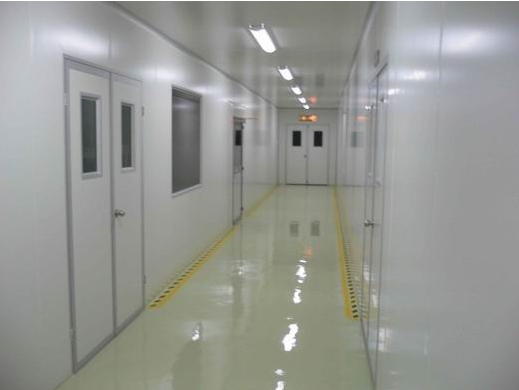
In the meticulous world of cleanrooms, controlling environmental parameters like humidity is crucial for maintaining the quality and safety of products, especially in an iso 8 setting.
Understanding the importance of humidity levels can significantly enhance the operations of industries ranging from pharmaceuticals to electronics.
This article provides a comprehensive overview of iso 8 cleanrooms, focusing on how humidity impacts various applications, with insights from Deiiang™, a leader in cleanroom solutions.
What is an ISO 8 Cleanroom?
An ISO 8 cleanroom is a controlled environment that limits airborne particulate contamination to a maximum of 3,520,000 particles per cubic meter for particles larger than 0.5 micrometers.
This classification, defined by iso 14644-1, is commonly employed in industries that require consistent but moderate levels of cleanliness.
Deiiang™ specializes in constructing these environments, ensuring compliance with global standards and leveraging the expertise of product designer Deiiang Jason.peng to optimize operational efficiency.
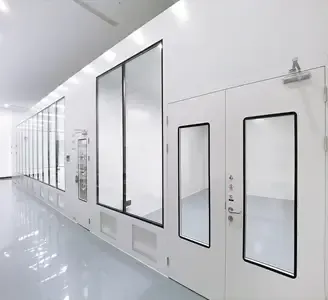
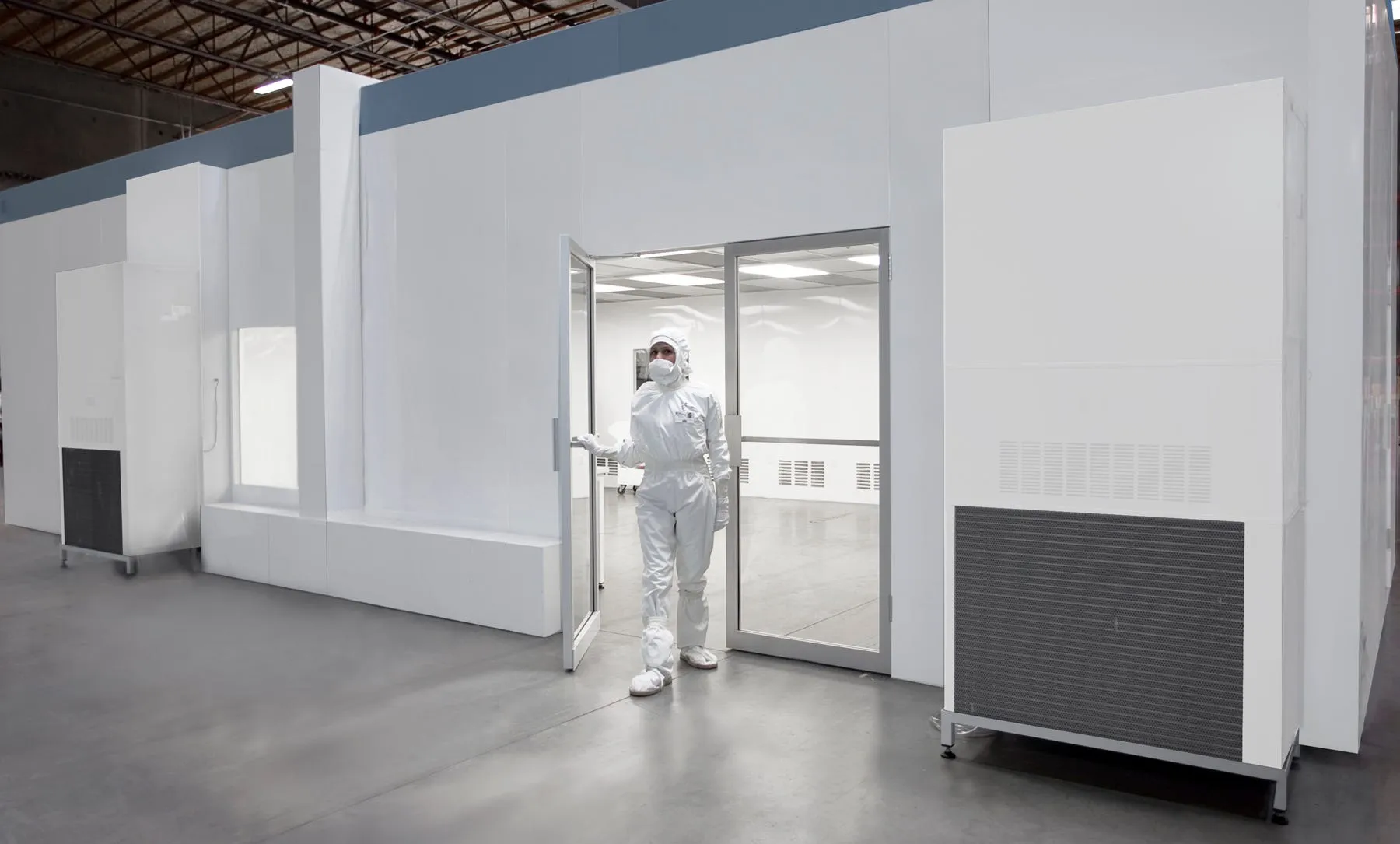
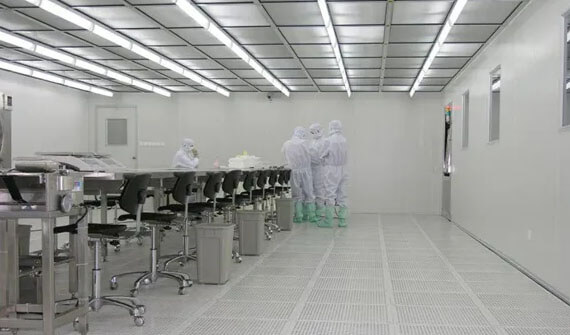
Representation of an ISO 8 cleanroom environment
Applications of iso 8 cleanrooms
ISO 8 cleanrooms have diverse applications across several industries. They are prevalent in pharmaceutical settings for non-sterile manufacturing processes, as well as in the assembly and packaging of medical devices. Moreover, they play a vital role in the electronics industry, where even minor levels of dust can impact product functionality. GCC®️ and Deii®️ technologies incorporate advanced design features to suit these varied applications and maintain the necessary cleanliness levels.
The Impact of Humidity on Cleanrooms
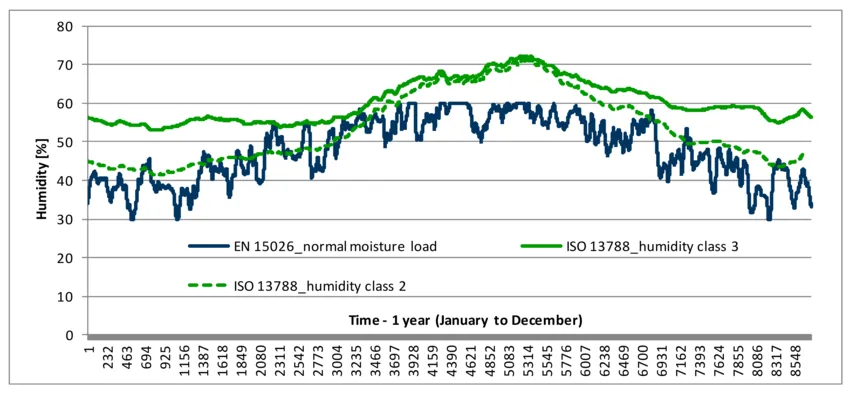
Humidity control in cleanrooms is essential, as fluctuations can lead to product degradation, microbial growth, and static electricity, particularly in sensitive manufacturing processes.
Maintaining optimal humidity levels prevents these issues, ensuring product stability and safety.
Product Degradation: Moisture can cause materials to swell, warp, or decompose
Microbial Growth: High humidity provides an ideal environment for bacteria and mold
Static Electricity: Low humidity increases the risk of static discharge, damaging sensitive components
Process Inconsistencies: Fluctuating humidity can affect manufacturing processes
Humidity Requirements for Different Industries
pharmaceutical cleanrooms
In pharmaceutical applications, humidity control is vital to prevent moisture-sensitive materials from degradation. Typically, ISO 8 Pharmaceutical cleanrooms maintain a relative humidity (RH) level between 30% and 50%.
This range helps safeguard the integrity of hygroscopic drugs and powders, protecting sensitive ingredients from moisture-induced reactions.
medical device cleanrooms
For medical devices, too much humidity can lead to material swelling or microbial contamination.
An RH level of 30% to 60% is generally advised, though the specifics may vary depending on the material and manufacturing process used.
Controlling humidity is essential to prevent non-conformities, ensuring products meet stringent regulatory standards before deployment.
Cosmetics Cleanrooms
In cosmetic manufacturing, humidity control is crucial to avoid impacts on product consistency, particularly in preservatives and fragrances.
ISO 8 cosmetics cleanrooms usually maintain RH levels within 40% to 60%.
This helps maintain product integrity and prolong shelf life, adapted to specific product needs.
Electronics Cleanrooms
For electronics manufacturing, static discharge, often exacerbated by low humidity, can be detrimental. Thus, humidity is typically controlled to be no lower than 40% RH in ISO 8 electronics cleanrooms.
Maintaining this balance between 40% and 60% prevents static-related issues and keeps delicate electronic components safe from humidity-related damage.
Methods for Humidity Control
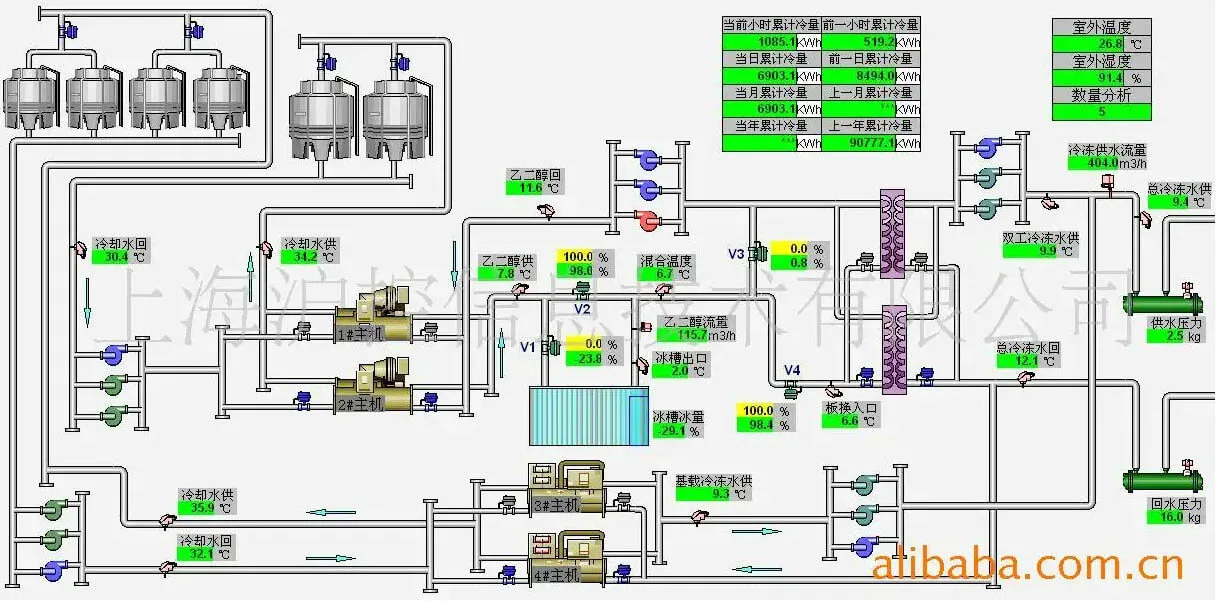
Effective humidity control involves using dehumidifiers, humidifiers, and HVAC systems tailored to the specific requirements of a cleanroom. Real-time sensors and automated controllers ensure the environment remains within specified parameters, responding dynamically to any changes.
Desiccant Dehumidifiers
Desiccant dehumidifiers play a crucial role in environments requiring ultra-low humidity levels, absorbing moisture from the air efficiently. These systems are particularly effective in sectors such as electronics and pharmaceuticals, where maintaining low humidity is critical.
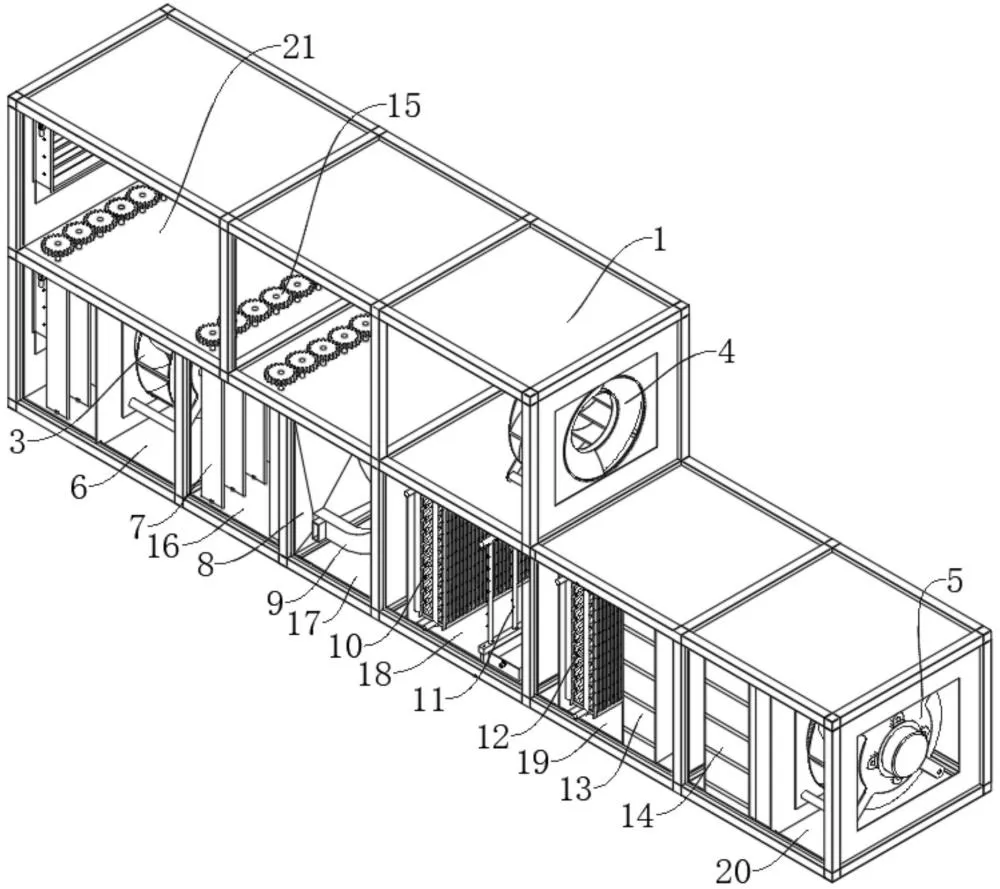
Modern Humidity Control System in a Cleanroom
Conclusion
Maintaining appropriate humidity levels in an ISO 8 cleanroom is essential for protecting products and ensuring compliance with industry standards.
From pharmaceuticals to electronics, eACH application has specific requirements, and Deiiang™ provides solutions that incorporate the latest technology and expert insights.
By understanding and implementing precise humidity controls, industries can significantly enhance their manufacturing processes, benefiting from the elevated standards of quality and safety that come with such meticulous environmental management.
faq(Frequently Asked Questions)
What is the required humidity standard for iso class 8 cleanroom?
There are no humidity criteria set by ISO 14644-1 for iso class 8 cleanrooms. Humidity levels should be determined according to product sensitivity, industry standards, and the production technology used in that particular cleanroom.
What is the standard humidity level for ISO class 8 cleanroom?
The humidity level can range from 40 to 60% RH commonly used as a general design goal in practice. However, this cannot be called the humidity criterion for iso class 8 cleanroom. Depending on the type of materials and technological processes utilized, the specific humidity level may differ.
Why is humidity regulation important in ISO Class 8 cleanrooms?
Humidity controlling can minimize the risk of electrostatic discharge, prevent damage to the goods related to humidity, and ensure stable operating conditions. High humidity can lead to condensation and excessive humidity that can promote the atmosphere growth.
Does low humidity influence ISO Class 8 cleanrooms?
Low humidity level can provoke the growth of static electricity, which can damage the electronic equipment and attract particles to surfaces. It can also affect moisture-sensitive material and make people feel uncomfortable. Humidity regulation should be applied in addition to static electricity equipment.
How can humidity be controlled in the ISO Class 8 cleanroom?
Humidity may be controlled with the help of HVAC systems that have dehumidifiers and humidifiers. The readings from the sensors provide necessary feedback so that the humidity level would be within the required range.
How frequently should cleanroom humidity be controlled?
The frequency of humidity regulation depends on the possible risks in the process and quality regulations used in practice. Continuous control with alarms can be advisable if humidity variation can affect the end product. ISO Class 8 certification does not obligate to regulate humidity, though.
Is humidity control important for ISO Class 8 certification?
The ISO Class 8 certification is based on airborne particles concentration, but not humidity levels. The room can have required particle limit according to cleanroom standards but may have humidity levels that are not in compliance with the required criteria. In this case, the room will not be suitable for its intended process, although its humidity parameter will not correspond to the standards.
What have to be done with the cleanroom if humidity exceeds its limit?
All cleanroom contamination management procedures should be followed, starting from the check of the readings and finding the reason for the humidity increase. The system used for regulation should be repaired and the records made. In some cases, operations have to be stopped until the problem is solved.