+86 13638632902
 Jason@cleanroomequips.com


 MENU
MENU
Introduction
The finest air filter for allergy sufferers — the best air filter for allergies overall — is the HEPA filter with EN 1822 rating of H13 or, preferably, one of higher rating (H14).
When used in combination with a MERV 13 pre filter in an HVAC system, it can assure the highest efficiency since H13 HEPA filter is capable of capturing 99.95% of the most penetrating particles that vary in size from that of mold and fungi spores to dust and smoke.
H14 HEPA filter can assure even higher efficiency (99.995%). In cases of ducted systems where application of HEPA filters might be impractical, a MERV 13 air filter remains a best solution for allergic and asthmatic patients, and it is widely regarded as the best HVAC filter for asthma and allergies in residential settings.
The following paragraphs of this article will clarify the reasons of success of two grades, the way allergenic particle size should determine air filter choice and situations when clean rooms filtration becomes a must.
Deiiang, a cleanroom and air filter manufacturer with 15+ years of filtration design experience, builds products for residential HVAC and iso 6 pharmaceutical cleanrooms. Insights here draw on catalogue data and field testing from Deiiang lead product designer Jason.peng.
Allergen Profiles and Filtration Performance Requirements
Choosing the right air filter for allergies starts with matching capture efficiency to allergen particle sizes. It is important to start by saying that it is necessary to choose appropriate air filters for allergies based on allergenic particle sizes so that correct filtration efficiency is met.
The period of pollen in the air ranges from 20 to 60 microns therefore for all filters there is no problem here. The only challenge remains how to filter the other very small particles.
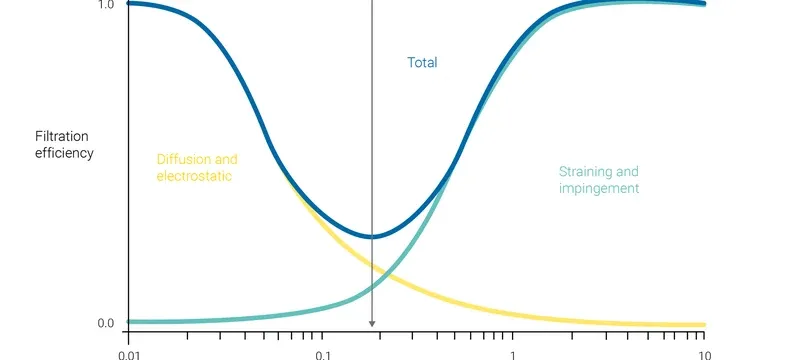
The chart plots HEPA capture efficiency against particle diameter on a logarithmic scale. Efficiency is lowest near 0.3 μm, the most penetrating particle size, and climbs towards 100% for the 1–5 μm pet dander and the 10–60 μm pollen and mite pellets that drive most allergic reactions.
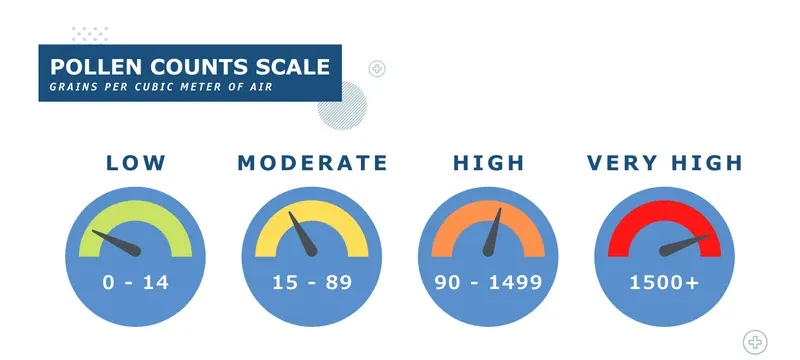
Exposure thresholds are just as important as particle size. Through data collected and research conducted on airborne allergens, the level of IgE sensitization can occur at an average of less than 1 ng/m³. It has been shown that an allergen concentration of 10–100 allergenic particles can produce a reaction.
With respect to latex aeroallergen, there is a recognized threshold of 0.6 ng/m³, which is the critical landmark for sensitized healthcare personnel. These values help formulate the objective: to reduce airborne allergen levels to fractions of nanograms per cubic meter.
Common Allergens Targeted by Residential and Commercial Filtration
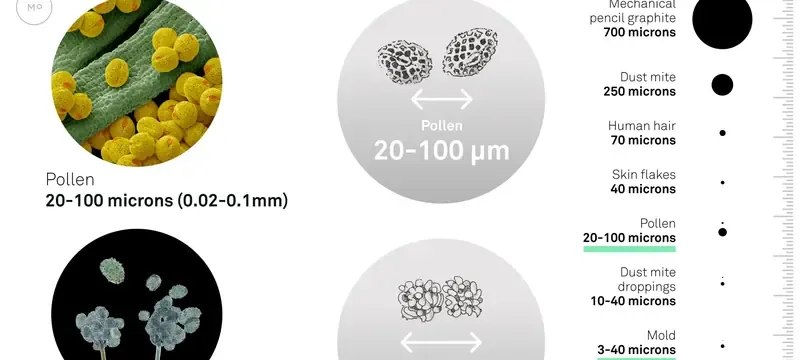
Residential filtration addresses five key allergens:
- Pollen: 20–60 μm in size, peaks seasonally, and brought inside on clothes.
- Dust mites: 10–40 μm identified as fecal pellets that contain proteins like Der p 1 or Der f 1.
- Pet dander: 1–5 μm consisting of skin flakes, which contain the proteins Can f 1 or Fel d 1.
- Mold spores: 2–10 μm released when humidity goes beyond 60% relative humidity.
- CockroACH debris: 1–10 μm particles common in urban environment homes.
Commercial HVAC filters for allergy attacks must deal with the same allergen but in a larger volume of air passing through. An example is a hospital waiting room that averages between 5000–10,000 m³/h. In providing optimal filtration solutions, Deiiang has commercialized residential and business air filtration devices designed with this information taken into account.
According to Jason.peng, an engineer with Deiiang, one of the biggest mistakes is the oversizing of filters relative to airflows when it comes to commercial applications. This results in a decrease in the face velocity under 2.0 meters per second, which affects the efficiency of the filter with respect to particulate matter.
In addition, the filter sizing tools developed by Deiiang are calibrated at optimal levels of air velocity of around 2.0 to 2.5 meters per second to ensure proper allergen capture, whether the unit is an HVAC filter for allergy relief or a ducted commercial air handler.
Allergen Sensitivity Thresholds for Controlled Environments
The process of filtration in cleanrooms occurs under different rules of exposure. The iso 14644-1 standard specifies the margin of particles in specific cubic units in relation to allergen mass. According to ISO 6, not more than 35200 particles that are larger than 0.5 μm can enter into a cubic meter. For iso 5, this number drops to 3520 particles.
In relation to situations involving allergy sufferers within their homes, no universal standard has applied that one can rely to achieve maximum efficiency with the filters. The best practices in most cases suggest that a decrease in indoor allergen levels of somewhere between 50-90% will be achieved.
On a practical level, if the HEPA filter for allergies is used within the bedroom, studies point out that within eight hours one can achieve 60-80% decrease of allergens, particularly feline allergens, within the air.
Table 1: ISO 14644-1 particle concentration limits relevant for allergy-sensitive situations.
| iso class | Particles ≥ 0.5 μm/m³ | Particles ≥ 5 μm/m³ | Applications |
|---|---|---|---|
| ISO 5 | 3520 | 29 | Pharmaceutical aseptic filling |
| ISO 6 | 35200 | 293 | Allergy medications |
| iso 7 | 352000 | 2930 | General pharmaceutical packaging |
| iso 8 | 3520000 | 29300 | Industrial clean zones |
| ISO Class | Particles ≥ 0.5 μm/m³ | Applications |
|---|---|---|
| ISO 5 | 3520 | Pharmaceutical aseptic filling |
| ISO 6 | 35200 | Allergy medications |
| ISO 7 | 352000 | General pharmaceutical packaging |
| ISO 8 | 3520000 | Industrial clean zones |
Source: iso 14644-1:2015. The allergy-sensitive applications include pharmaceutical packaging of allergy medications and hypersensitive patient treatment.
HEPA Filter Efficiency for Allergy and Asthma Relief
A HEPA filter for allergies provides the highest level of fine particle filtration applied in residences and light commercial settings. This high-level performance is achieved through the following methods of particle capture: interception, impaction, and diffusion.
Particles greater than 0.3 microns are collected by interception and impaction as they navigate the airflow around the fibres. Particles below that size are collected through the process of Brownian diffusion.
The diagram separates the four capture mechanisms by the particle band each one handles, which is why a graded filter train outperforms a single stage across the whole allergen size spectrum.
The apparatus functions with the use of the “U” shaped efficiency curve, having a point of minimum efficiency within the range of 0.1-0.3 microns, as classified by standard EN 1822, with reference to the Most Penetrating Particle Size. H13 requires a minimum efficiency of ≥99.95%, while H14 requires a minimum of ≥99.995%. The same minimum efficiencies are established under the ISO 29463 labeling of ISO 35 H and ISO 45 H.
Mechanisms of Micron-Scale Allergen Capture by HEPA Filters
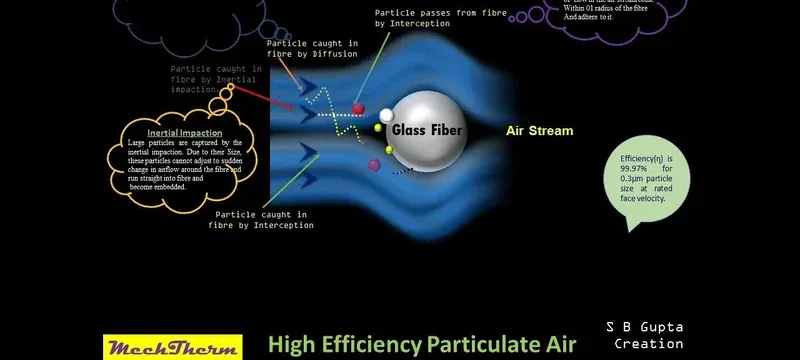
At micron size of 0.3 micron, the force of diffusion applies to the smaller particles, while larger particles are largely caught by the force of interception, while particles, such as those of 0.5 micron, are caught by the two methods relatively equal.
In Deiiang’s HEPA media, ultrafine glass filter media is used, with a separator-less design whereby the thermoplastic EVA hot-melt spacers are identical, thus preventing media compression and maintaining uniform airflow throughout the entire filter face.
The fact that the separator-less design used by Deiiang is proprietary is of great value in engineering, according to the designers of the product (Jason.peng).
Deiiang HEPA Filter Technical Specifications for Allergen Control
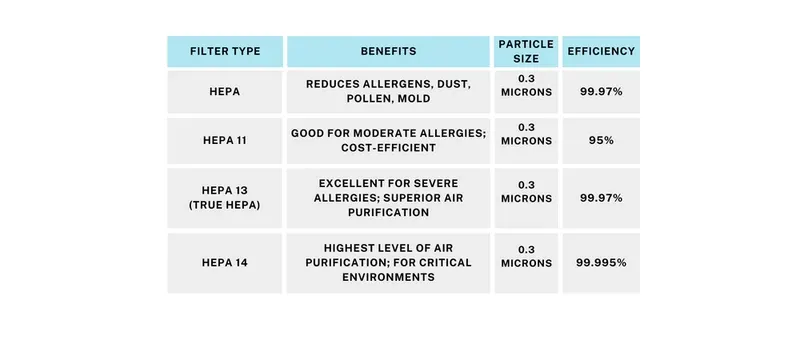
The Deiiang range of combined (H13/H14, EN 1822) high efficacious filters is meant for terminal filters of an air conditioning and air purifying unit having high air volumes. Each unit is tested before dispatch. The table mentioned below gives the specifications of major models of Deiiang 2026 product catalogue.
Table 2: Specifications of the Deiiang Combined High Efficiency Filter.
| Dimension (mm) | Air Flow (m³/h) | Media Area (m²) | Initial Resistance H13/H14 (Pa) | Final Resistance (Pa) | Amount of Dust in Filter |
|---|---|---|---|---|---|
| 287×287×292 | 550 | 4.63 | ≤ 200 / ≤ 220 | 400–600 | -- |
| 592×592×292 | 1900 | 15.03 | ≤ 200 / ≤ 220 | 400–600 | -- |
| 592×592×292 (4 pleats) | 2500 | 20.04 | ≤ 200 / ≤ 220 | 400–600 | ~1200 g |
| 592×490×292 | 2050 | 16.44 | ≤ 200 / ≤ 220 | 400–600 | -- |
| 592×287×292 | 1150 | 9.26 | ≤ 200 / ≤ 220 | 400–600 | -- |
| Dimension (mm) | Air Flow (m³/h) | Initial Resistance (Pa) |
|---|---|---|
| 287×287×292 | 550 | ≤ 200 / ≤ 220 |
| 592×592×292 | 1900 | ≤ 200 / ≤ 220 |
| 592×592×292 (4 pleats) | 2500 | ≤ 200 / ≤ 220 |
| 592×490×292 | 2050 | ≤ 200 / ≤ 220 |
| 592×287×292 | 1150 | ≤ 200 / ≤ 220 |
Source: Data taken from Deiiang 2026 product catalogue. Information regarding dust capacity is available for 4-pleats high-capacity models; normal models have standard dust loading profiles in accordance with EN 1822 specifications.
In conditions where space provided for the plenum is small, Deiiang's DOP Integrated Filter (H13/H14) has a box type filter with a 250–350 mm built in inlet pipe and DOP test port. The 610×610×150 mm model can handle an air flow of 2500 m³/h and has media area of 22.14 m² with approximately 1350 g of dust capacity.
MERV 13 Air Filter Performance in HVAC Systems
A MERV 13 air filter has been found to achieve a balance of performance efficiency for filtration and compatibility for HVAC. According to ASHRAE 52.2 specifications, it must manage to capture >85% for matters falling within 1–3 micron range, and >90% for range of 3–10 microns [6].
Allergen samples in the 0.3-1 micron size range are also relevant in determining the effectiveness of MERV rated filters in removing airborne allergens. As the ratings comparison shows, there are no minimum efficiency standards required of MERV rated air filters for the 0.3-1 micron size segment; however, larger particulate matter must be removed at a higher efficiency rating for MERV rated filters.
In general, MERV 13 air filter systems have been found to remove approximately 60-75% of allergenic particulate matter measuring 0.3-1 micron size. As such MERV 13 systems are close to achieving HEPA filter systems for most allergy sensitivities.
Allergen Removal Efficiency of MERV 13 HVAC Filters
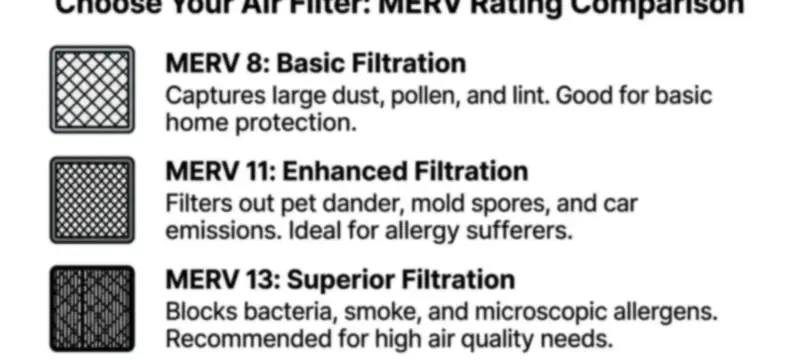
MERV 13 rated air filters can effectively remove a large percentage of allergenic materials in residential air circulation. Air filters manufactured by AprilAire within this MERV classification, cited by ASHRAE 52.2 testing, indicate that these filters have the ability to remove 97% of most common allergy-causing agents [6].
On the other hand, F9 bag filters manufactured by Deiiang (equivalent to MERV 13) allows for 92-96% removal of allergenic materials that measure between 1-3 microns as verified by Deiiang internal lab testing. For many homes this makes the MERV 13 air filter a strong, practical HVAC filter for allergy relief.
In conclusion, MERV 8 air filters serve to capture larger particles in the air such as pollen and lint; however, MERV 8 filtration does not remove finer particles such as pet dander and very fine dusts from the air. MERV 11 air filters begin the process of efficiently capturing pet dander allergens; and MERV 13 air filters effectively remove very fine particles including allergens like pollen and dust.
A practical case study which illustrates that upgrading from MERV 8 to MERV 13 in a residential filter with an airflow of 2,000 m³/h creates greater pressure drop ranging from 25 Pa to 75 Pa while lowering the percentage of 1 to 3 micron particulate matter allowed through the filter from about 60% to below 15%.
MERV ratings are defined according to ASHRAE Standard 52.2 which defines the efficiency of a particular filter based on size ranges of particles. Both EN 779 and ISO 16890 ePM1, ePM2.5 and ePM10 classifications have been given the formal status of being expired and no longer used in the HVAC industry and therefore Deiiang relies on the EN 779 classification only for compatibility with the older HVAC systems in use in the industry.
HVAC System Compatibility and Airflow Impact of MERV 13
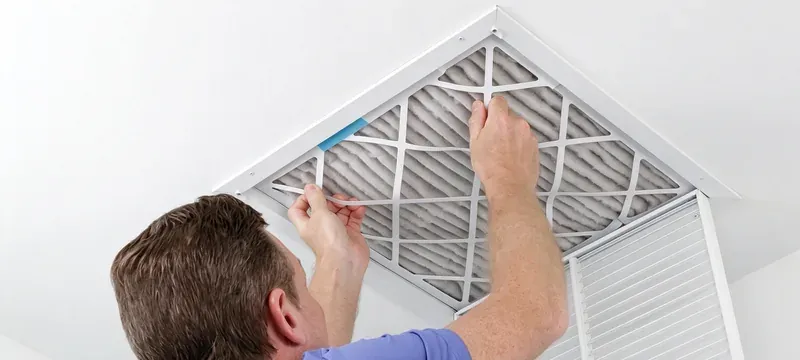
Denser filter media results in increased pressure drop across the filter. A MERV 13 air filter adds a resistance of 25-75 Pa as compared to MERV 8 filters for the same airflow. Modern HVAC systems have been designed to take care of added resistance without problems. Older systems using incorrectly sized blowers or furnaces may find it more difficult to cope.
The signs that your system is not working well are plentiful, including weak airflow through registers, longer running times, and hotter than normal blower motors being used. If the system is equipped with maximum static pressure ratings, check the static pressure on the MERV 13 filter at designed airflow, ensuring that the operating margins are large enough to avoid excessive wear or more serious issues.
If the margin is little more than the margin of tolerance given, an MERV 11 is a good filter choice.
HVAC Filtration Solutions for Asthma and Allergy Management
The best HVAC filter system available for asthma and allergies requires MERV 13 filtration at the very minimum, as well as adequate airflow and good seal on filter.
Although 90% of particulate matter may be collected by a filter during usage, if the filter leaks 30% of the air back into the environment, then only 63% of the collective particle load will have been collected by that filter during time of usage.
Illustration 4: The installation diagram for ducted HVAC filters depicts filter arrangement in return air plenums, areas for sealing gaskets, and airflow direction to prevent cold air leaking through.
Research evidence demonstrating effective air filtration in health facilities shows a randomized trial of the use of HEPA air filters in classrooms resulted in a reduction of coarse particulate matter by 31 percent and of dog allergens by 36 percent when compared to placebo filters [8]. This study also found a reduction of 49 percent in airborne allergens produced by mice.
Clinical Impacts of High-Efficiency HVAC Filtration
HEPA air filtration also seems to reduce the amount of airborne Can f 1 in homes occupied by dog owners. The airborne level of Fel d 1 allergen fell from a mean airborne level of 5.04 ng/m³ to 0.88 ng/m³ after eight hours of filtering [7]. However, the impact of HEPA air filtration on the disease state is not as clear.
The takeaway message provided by Deiiang is that filtration represents a means for reducing exposure and does not eliminate the need for proper source control. For maximum efficacy, it is best to implement HEPA filtration and maintain a pet-free policy in bedrooms as well as to use allergen-proof bedding.
Deiiang Office Building HVAC Allergy Filtration Case Study
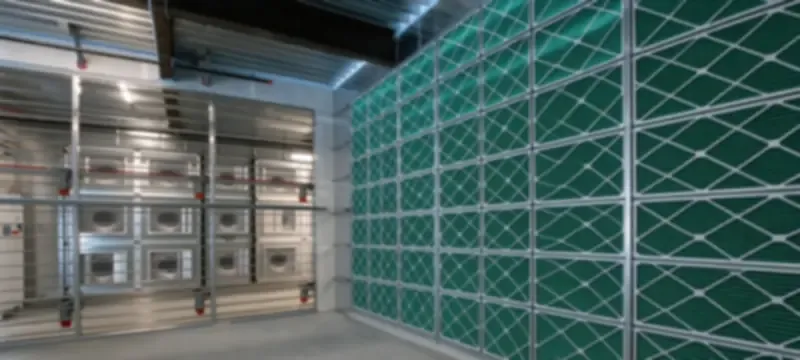
For this purpose, a case study involving a 2025 Deiiang air filtration strategy is mentioned next, which highlights the utility of multi-stage filtration for other commercial applications as the same principles apply to commercial areas.
To achieve this goal, the client focused on class 1000 (approximately ISO 6) air quality, which was characterized by a high ambient particle loading but a limited plenum height and strict pressure drop limitations for laminar flow. Therefore, Deiiang provided low-profile, high-efficiency filter modules that operated with low-pressure drops. These filters were combined high-efficiency filters with an H14 category (592 mm × 592 mm × 292 mm, 2,500 m³/h, ≤220 Pa initial resistance, 20.04 m² media area).
In addition, silicone-free seals were utilized as well as F7 pre-filters to complete the filter train. The system was tested for DOP efficiency on the per unit basis prior to shipping. As a case study, data for the Deiiang 2025 client project is presented.
Air Purifier Filters for Seasonal Pollen Allergen Control
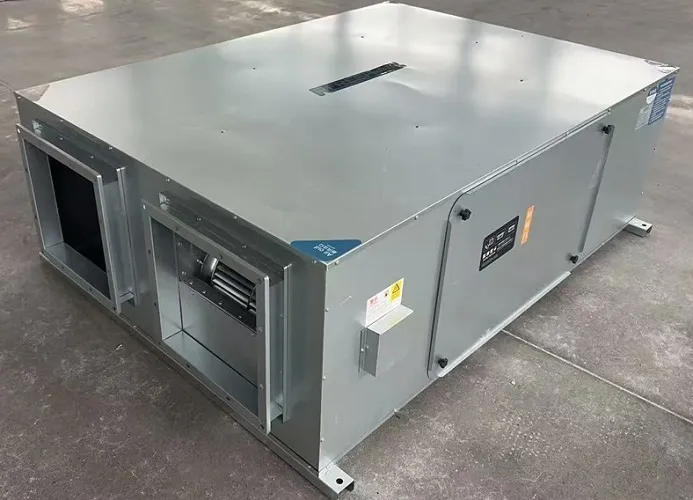
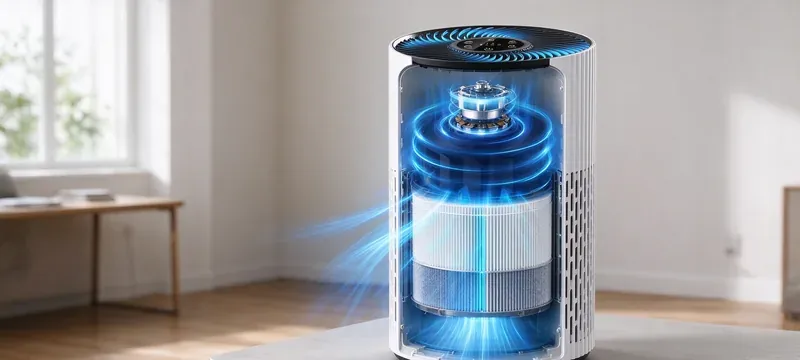
Air purifier filters designed for pollen control operate based on the same principles as ducted HEPA filters, but they are operated differently. While portable air purifiers offer local coverage of an area of about 20–50 square meters, ducted systems cover the entire building envelope.
The ideal configuration is to use a portable HEPA air purifier in the bedroom together with high-efficiency, MERV 13 filtration on the central air conditioning system. An air purifier filter for pollen is therefore best thought of as a supplement to, not a replacement for, whole-home HVAC filtration.
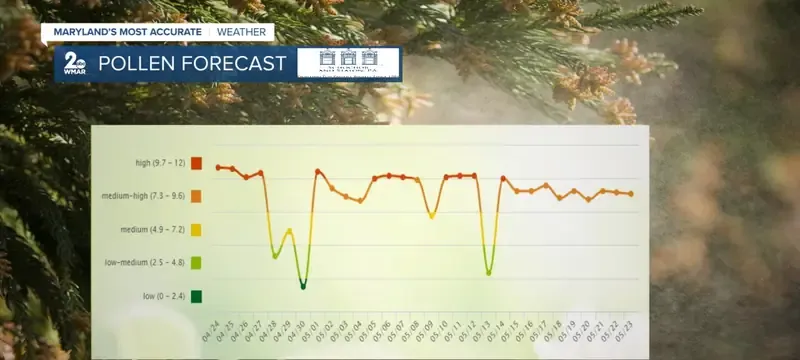
The chart here displays the performance curve for pollen capture over a 12-week season with and without continuous operation of an air purifier during that period, while also providing the airborne pollen concentration in grains per cubic meter.
Pollen Removal Efficiency of Portable Air Purifier Filters
The performance, of the portable air purifier filter for pollen removal depends on three parameters:
- Media grade: HEPA H13 or HEPA H14 filter can capture more than 99.95 % of pollen.
- Sealing: Any air passing the filter can carry pollen back to the space.
- Airflow matching: Low CADR in comparison to the volume of the space means that enough air changes cannot be achieved.
CADR values for pollen in air purifiers vary in the range of 167-777 m³/h depending on the size and speed of the fan [10]. For instance, a CADR equal to 300 m³/h in a room whose size is 30 m³ means that the air changes will be 10 times/hour leading to a reduction in pollen up to 80 % in half an hour.
Jason.peng has reported another consumer error when people buy “HEPA type” filters that do not have any certification. Those types of filters usually have frames that do not seal together very well thus returning 10-20 % of small pollen particles back to the space.
Seasonal Maintenance Protocols for Pollen Filtration Systems
The pollen seasons may last from 6 to 12 weeks depending on where people live and what plants grow there. The HEPA filter needs to be inspected at least once every month. When the filter has pressure resistance of 400-600 Pa in comparison to the initial one equal to 200-220 Pa, you need to replace it immediately since it has reached its end of life.
Pre-filters take away all large particles of pollen thus prolonging the HEPA filter’s lifespan. Such filters can be found in ducted filtration systems including Deiiang’s F5-F9 bag filters. The use of a washable pre-filter with regard to portable air purification systems provides the possibility of using the HEPA filter for 1 year instead of replacing it every six months.
Multi-Stage Filters for Dust and Pet Dander Allergen Removal
Purging the air of dust and pet dander allergens must consider particle sizes stretching from the largest to the smallest because the size of pet dander ranges between 1-5 microns, dust mite waste is 10-40 microns, and ultra fine particles that carry allergens have a size of under 0.5 microns. It is impossible to beat this size range.
Choosing an air filter for dust and pet dander therefore means accepting that no single stage can handle every particle size at once.
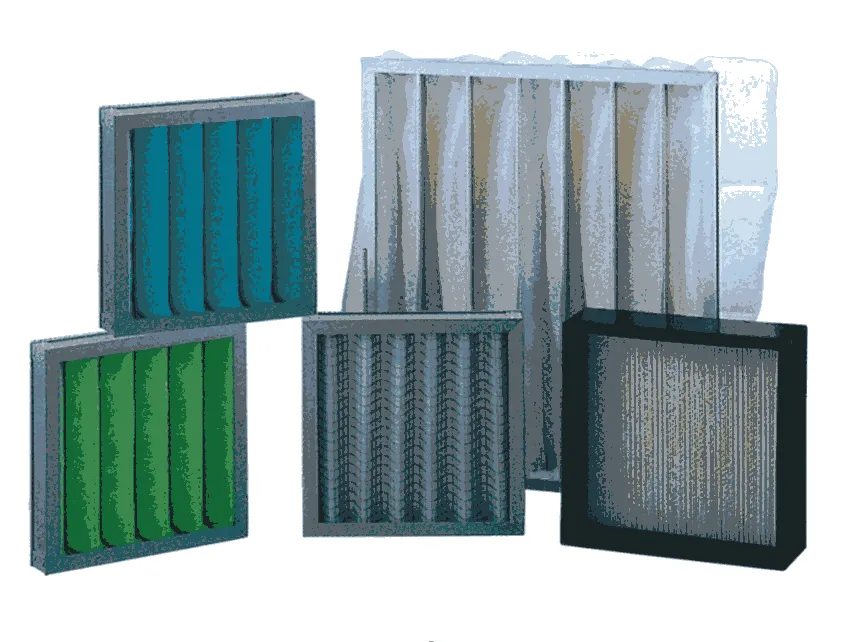
The figures illustrate the differences between a typical single cycle HEPA filter model and a multi-cycled pre-filter/HEPA filters in a span of 90 days.
Using a multi-stage filter process involves a pre-filter to remove the more substantial matter and medium efficiency filtration to remove particles of intermediary sizes and using HEPA filtration for fine particles removing smaller particles.
Combined Filtration Stages for Heavy Dust and Pet Dander
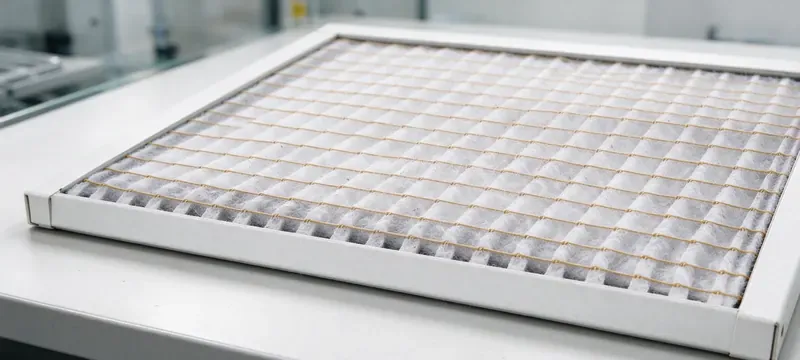
The best choice in three-stage filter configuration to be used for high levels of pet dander is; (a) pre-filter=G4 or F5 to remove pet hair and larger particles; (b) medium efficiency bag filter=F7 to F9 removal up to 95% of particles that are about 0.5 microns; and (c) HEPA level H13 or H14 removes about 99.995% of left-over particles.
The Deiiang 6-bag model can intake 2050 m³/h with less than 100 Pa initial resistance; the H13 size 592 by 592 by 292 can take in 1900 m³/h with 15.03 m² total media.
Filter Service Life in High Pet Dander Environments
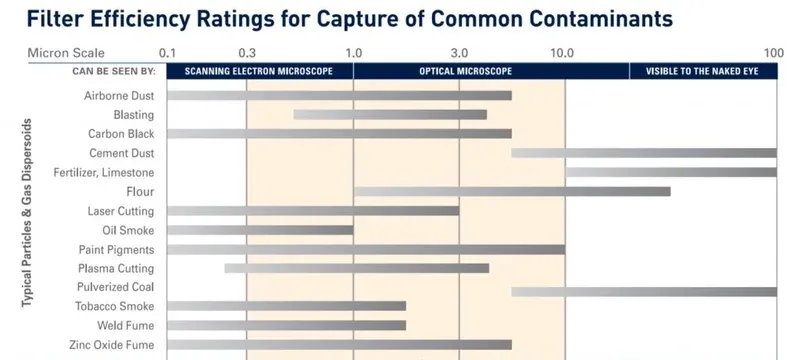
Load due to the pet dander on the filter will decrease its life in comparison to the load on the filter due to exposure by pollen alone.
According to tests conducted internally by Deiiang, its H13 filter for 2,500 m³/h (1,200 g dust capacity) reached its maximum resistance after only 5.2 months of usage in a two-dog home when compared to the 11.8 months in a low-dust residence where only pollen was present in the home.
Maintenance is based on readings from the pressure indicator or differential pressure reading at the lower damper and is not a matter of calendar time. Simply monitor the pressure at the filter bank and replace the filter according to the indicated final resistance figure supplied by Deiiang, the manufacturer. It is important to realize that the larger the filter the longer the replacement schedule by 30 to 50 percent, especially under high load conditions.
Cleanroom Air Filtration Standards for Hypersensitive Environments
Cleanroom air filtration defines the upper limit of what filtration technology achieves for allergen control. According to the iso 14644-1 standard, Class 5 permits no more than 3,520 particles ≥0.5 μm/m³, while Class 6 allows a maximum number of 35,200 particles/m³.
There is about a 100-1,000 times difference between the above numbers and those for indoor air filtration systems used at home.
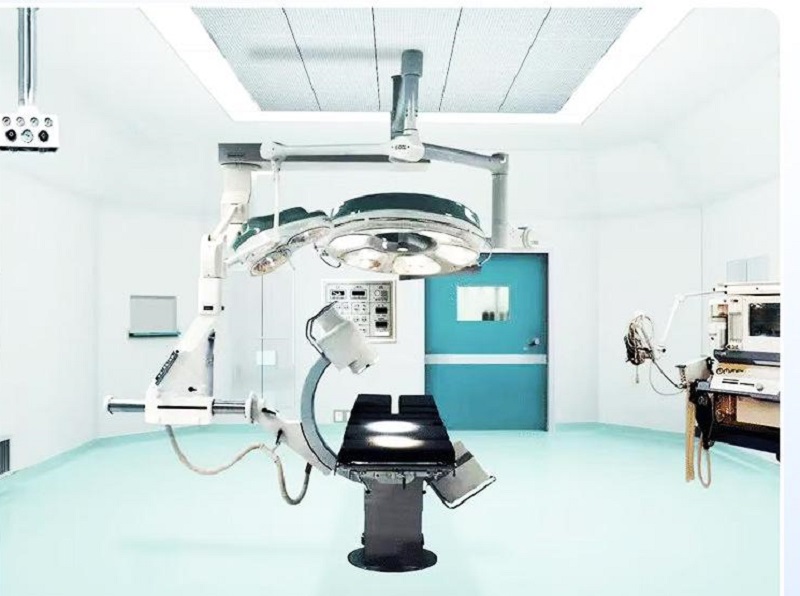
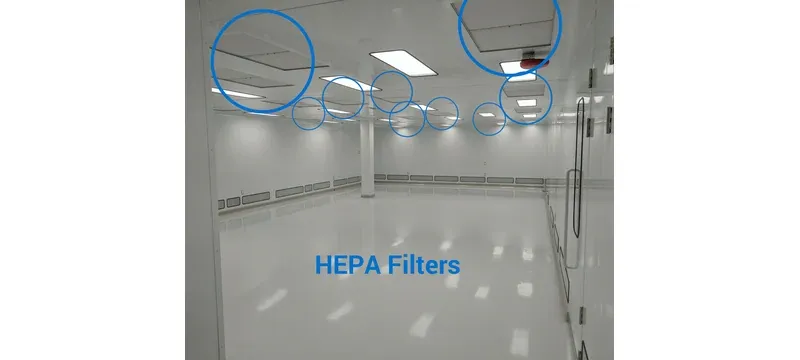
The image here provides an illustration of the cleanroom installation.
The IEST-RP-CC001 standards for HEPA filter construction explain how they must be used, and MIL-STD-282 outlines the tests for checking those systems.
Cleanroom-Grade Filtration for Extreme Allergen Sensitivity
The U15 filter has an efficiency rating of 99.999%–99.9995% at a size of 0.12 μm, while the U17 filter's efficiency rating is 99.9999%–99.999995% according to Deiiang's product catalogue for 2026.
These filters use US HV ultrafine glass fibre paper with thermoplastic spacers and anodised outer frame material for their production. For less critical applications, Deiiang's DOP Integrated Filter (H13/H14) provides a compact box design that is equipped with a built-in DOP test port that can be utilized within cleanrooms with a reduced building height.
Global Regulatory Standards for Allergen-Free Cleanroom Air
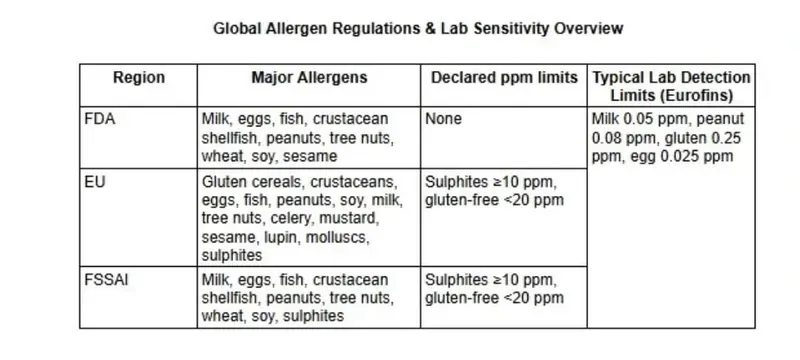
There are three standards of regulation for cleanroom air filtration:
- EN 1822: The specification for the classification of HEPA/ULPA filters with regard to the minimum particulate size captured by them; H13 filter with an efficiency higher than 99.95% and H14 filters with an efficiency higher than 99.995% as per European union standardisation rules [5].
- ISO 29463: This is an international equivalent for EN 1822; this uses the ISO 35 H to ISO 75 U.
- ISO 14644-1: This is the cleanroom classification system based on the particle count in that room [3].
For general ventilation filters, we can no longer use EN 779 (classifications F5–F9) due to revisions in this standard, which has been replaced by ISO 16890. For residential allergy applications, the EN 1822 H13/H14 performance standards remain the ones against which air filter systems are most widely recognized and independently developed upon.
Selection and Maintenance of the Best Air Filter for Allergies
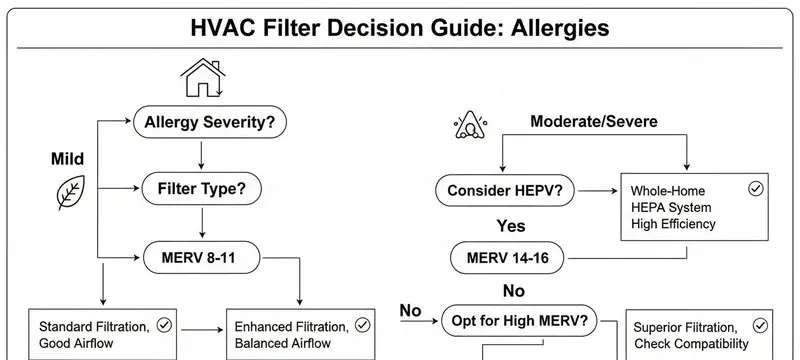
Choosing the right air filter for allergies depends on matching the appropriate filtration grades with the desired application, flow rate of the HVAC system, and what actual allergens are present. The following decision tree outlines how selections can be made based on allergen type and what type of HVAC system is used.
The decision tree for allergy air filter selection assists customers in selecting the suitable filter grade depending on their main type of allergen and HVAC system type.
Table 3: Air filters for allergies selection comparison.
| Filter type | Efficiency | Pressure drop | Best for | Deiiang model |
|---|---|---|---|---|
| MERV 8 / F5 | 45% @ 0.5 μm | <50 Pa | General HVAC, large debris | Medium-efficiency bag filter |
| MERV 11 / F7 | 85% @ 0.5 μm | <80 Pa | Pet dander, fine dust | Medium-efficiency bag filter |
| MERV 13 / F9 | 95% @ 0.5 μm | <100 Pa | Best HVAC filter for asthma and allergies | Medium-efficiency bag filter |
| HEPA H13 | 99.97%–99.99% @ 0.3 μm | ≤200 Pa | Room purifiers, terminal filtration | Combined High Efficiency Filter |
| HEPA H14 | 99.995%–99.999% @ 0.3 μm | ≤220 Pa | Cleanrooms, severe allergies | DOP Integrated Filter |
| ULPA U15–U17 | 99.999%–99.999995% @ 0.12 μm | ≤150–170 Pa | Semiconductors, super clean labs | Super High Efficiency Filter |
| Filter type | Efficiency | Best for |
|---|---|---|
| MERV 8 / F5 | 45% @ 0.5 μm | General HVAC, large debris |
| MERV 11 / F7 | 85% @ 0.5 μm | Pet dander, fine dust |
| MERV 13 / F9 | 95% @ 0.5 μm | Best HVAC filter for asthma and allergies |
| HEPA H13 | 99.97%–99.99% @ 0.3 μm | Room purifiers, terminal filtration |
| HEPA H14 | 99.995%–99.999% @ 0.3 μm | Cleanrooms, severe allergies |
| ULPA U15–U17 | 99.999%–99.999995% @ 0.12 μm | Semiconductors, super clean labs |
Source: Deiiang 2026 product catalogue.
Step-by-Step Selection Guide for Allergy Air Filters
Start with the allergen. For pollen allergy, MERV 13 works well in ducted systems and portable HEPA in bedrooms. Pet dander requires HEPA H13 or higher because its particles are small. Dust mite allergen is somewhere in between these two allergens and is manageable by MERV 13 combined with source control.
Then check the system. Verify the HVAC blower’s maximum static pressure rating. If it has an additional resistance of 25–75 Pa, MERV 13 is acceptable. If not, MERV 11 should be considered.
Finally, size the filter according to the airflow. The filter's air outlet speed remains in the range from 2.0 to 2.5 m/s, which keeps the air filters in good condition and proper cleaning ability by maintaining the air filter's air speed well established.
Determine the principal allergen type for the user (pollen, animal hair, dust mites, mold).
Measure the maximum static pressure rating of the installed circulating unit.
Set the size of the filter corresponding to the airflow at the speed of 2.0–2.5 m/s.
Using the MERV franchise range, select your highest available model that is compatible with the existing system.
Optimal Maintenance Practices for Sustained Allergen Control
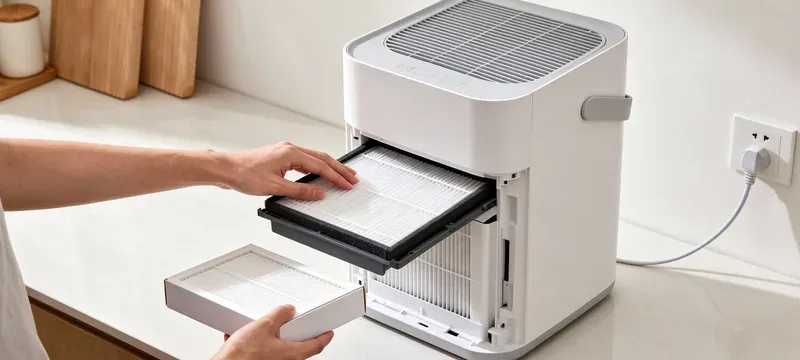
Maintenance schedule relies on the general loading of the air filter rather than the days on the calendar.
- Pre-filters can be inspected on monthly basis, and cleaned or replaced once every 1 to 3 months.
- For medium efficiency bag filters, they are usually replaced after 250–400 Pa value that is normally the period between 6 and 12 months.
- HEPA air filters are changed after reaching a static pressure of 400 to 600 Pa. Under a clean condition, the service life of two or three years can be expected, or 4 to 6 months if pets are kept indoors or if there are many allergenic dust mites in the room.
Deiiang highly recommends using a digital differential gauge that can indicate if the filters should be replaced immediately. If the actual pressure rises by 50 Pa as compared to initial measurement, the air filters should be replaced within about 80% of the claim service life.
Frequently Asked Questions
What MERV rating is sufficient for allergy relief?
According to MERV 13, which is the necessary standard in order to provide allergy relief for ducted heating systems without having any major implications, due to how effective this kind of air filter is in stopping almost 90 percent of particles from 1 to 10 microns, which include pollen, pet hair, and mold spores.
If a limited amount of air can be processed through the filter then MERV 11 provides a reasonable alternative option. For most residential ducted systems, MERV 13 is the best air filter for allergies that balances efficiency and HVAC compatibility. Deiiang’s F7–F9 bag filters deliver equivalent MERV 11–13 performance.
Can HEPA filters completely remove pet dander from indoor air?
No one filter can eliminate pet dander completely since dander ultimately covers some surfaces and gets recycled back into the air through activities. A HEPA filter for allergies cuts airborne dog allergen by an approximate 36% and cat allergen by about 34% according to experimental findings [7]. The best reduction possible occurs when you operate continuously and control the source of inflammation.
How frequently should HVAC allergy filters be replaced?
You need to change MERV 13 HVAC filters when the pressure drop reaches 250-400 Pa; normally every 6-12 months under standard home conditions. In case of homes with pets or high dust levels, replacements need to occur more often at around three to six months. Install a differential pressure gage so that you have an idea of how the resistance is doing instead of a calendar reminder.
Is cleanroom air filtration appropriate for residential use?
HEPA and ULPA filters used for cleanrooms are not viable for regular residential HVAC systems since the full pressure drop of these filters will deprive most residential blowers of enough air flow to operate. On the other hand, portable air cleaners that use the HEPA H13 or H14 media do bring cleanroom quality filtration to particular rooms without having to modify the duct system.
Do air purifier filters effectively reduce seasonal pollen allergies?
Yes, as long as they are adequately sized. An air cleaner that delivers 300 m³/h of clean air into a 30 m³ bedroom will create approximately 10 air changes per hour, thus eliminating 80-90% of pollen from air within 30 minutes. Portable machines perform best when they are run continuously during pollen season with closed windows.
What is the best HVAC filter for asthma and allergies together?
A MERV 13 filter serves as the best HVAC air filter for allergy and asthma sufferers in most homes. It eliminates over 90% of the smaller particles responsible for both conditions while adhering to the performance standards of residential blowers.
If asthma is severe, the combination of a portable HEPA H13 air purifier placed in the bedroom will protect the individual sufficiently. The MERV 13 filter is effective in terms of balancing efficiency vs. HVAC compatibility to be used in residential ducted systems for allergy protection. For all other cases, however, the Deiiang F7-F9 bag filter can manage equivalents for the MERV 11-13 capacity in retrofit and new installations.
The best air filter for allergies is a HEPA filter rated H13 or higher, paired with a MERV 13 pre-filter in ducted HVAC systems. For severe asthma, add a portable HEPA H13 air purifier in the bedroom, and consider cleanroom air filtration only for hypersensitive or clinical settings.
References
- [1] Doekes G, et al. Airborne allergen exposure assessment and sensitization thresholds; PubMed search record. Available at: https://pubmed.ncbi.nlm.nih.gov/?term=Doekes+airborne+allergen+exposure.
- [2] Can a threshold limit value for natural rubber latex airborne allergens be defined? Journal of Allergy and Clinical Immunology, 1998;101:24-27.
- [3] ISO 14644-1:2015. Cleanrooms and associated controlled environments — Part 1: Classification of air cleanliness by particle concentration. Available at: https://www.iso.org/standard/53394.html.
- [4] A placebo-controlled trial of HEPA air cleaner for the treatment of cat allergy, 1998; PubMed search record. Available at: https://pubmed.ncbi.nlm.nih.gov/?term=HEPA+air+cleaner+cat+allergy+placebo.
- [5] EN 1822:2019. High-efficiency air filters (EPA, HEPA, ULPA). Full text available via ISO.org. Companion standard: ISO 29463:2017, High-efficiency filters and filter media for removal of particles in air.
- [6] ASHRAE 52.2-2017. Method of Testing General Ventilation Air-Cleaning Devices for Removal Efficiency by Particle Size. Available at: https://www.ashrae.org.
- [7] Airborne, particulate, and settled dust allergen exposure outcomes; PMC8424475 (DOI 10.1289/EHP8462).
- [8] HEPA air cleaner effect on airborne Fel d 1 concentrations in houses containing cats; summary clinical filtration literature, 1998-2020.
- [9] Cochrane Review, 2009; HEPA cleaners in homes of children suffering from asthma and who are sensitized to cat and dog allergens; PubMed search record. Available at: https://pubmed.ncbi.nlm.nih.gov/?term=Cochrane+HEPA+cleaners+asthma+cat+dog.
- [10] IEC 63086-1:2020. Household and similar electrical air cleaning appliances — Methods for measuring performance. International Electrotechnical Commission.
- [11] IEST-RP-CC001.7. HEPA and ULPA filter specifications. Institute of Environmental Sciences and Technology. Available at: https://www.iest.org.