+86 13638632902
 Jason@cleanroomequips.com


 MENU
MENU
Introduction
Yes, air filters that trap viruses exist. A properly rated HEPA filter for viruses removes over 99.97% of particles at the most penetrating size, and H14 units remove more than 99.995%. That is the number to quote when the question is whether a HEPA filter for viruses is a defined product category rather than a marketing label. These are documented, reproducible figures from standardised testing—not marketing claims.
Viruses can be captured by air filters since they trap particles that carry viruses in the air. The standard HEPA filter removes over 99.97% of the particles when the particles are at their most penetrating size. The H14 filters remove more than 99.995% of the particles that are most penetrating in size. These are documented and reproducible figures obtained by testing the filters according to the standards.
In the experience of the manufacturer Deiiang, it has been observed that the major difficulty does not lie with the filters but rather with the way in which they can be utilized effectively in the HVAC and cleanroom systems in facilities. The correct use of the gaskets and housings to ACHieve optimum fan performance and the maintenance of records of filter usage determine how well a virus air filter will function.
This manuscript explains the transition from airborne effects to types of filtering, determination of the air filter efficiency for viruses, the subject of cleanroom air filtration and practical choices required. The data obtained from Deiiang technical manuals is combined with relevant project-based data documenting the medication packaging industry and the way HEPA filter virus removal can be determined.
How Viruses Travel Through Air and What Filters Capture
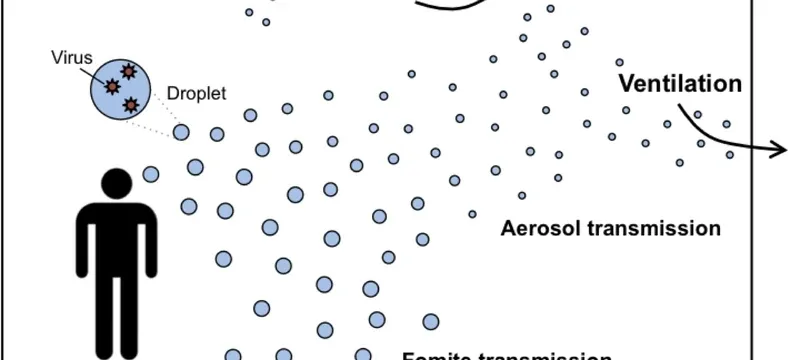
Viruses do not usually float freely in the air. They are carried through the air in droplets or respiratory aerosols, meaning that for an efficient virus air filter to work, the medium carrying the virus has to be trapped rather than the viruses alone.
The duration of time that the two remain airborne together depends on particle size and rate of ventilation. Facility planning has to take into consideration the error created by "bypass air" which skips the filter area and moves around it, resulting in the failure to trap the particles in the medium and making it impossible for the filter to work effectively.
Viruses Usually Travel in Aerosols and Droplets
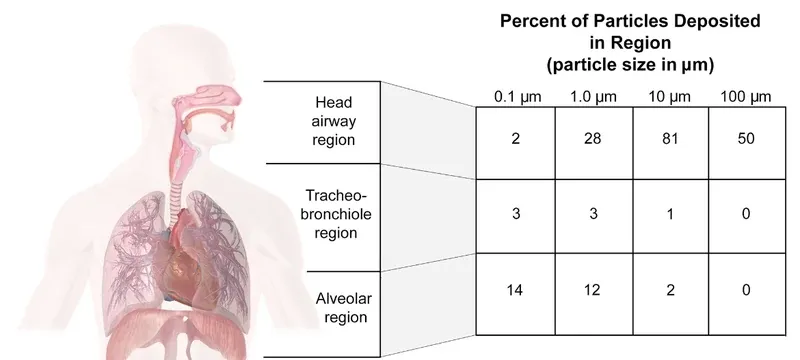
Droplets with a diameter over 5 µm fall to the ground quickly (within the range of 1-2 m from the source), while aerosols smaller than 5 µm can be held in the air for several minutes and move around in the room through the air currents. For example, a particle with a diameter of 1 µm may travel for a distance of several dozen meters in a well-mixed room.
Ventilation and occupancy change the exposure levels directly, meaning that an ideally mixed room will decrease the airborne concentration by 63% in case of 6 air changes per hour (ACH) for ten minutes, while the reduction in this regard will amount to approx. 86% for the same period of time.
Higher occupancy increases the strength of the source, but the fresh air delivery rate is larger to eliminate it faster.
Both filtration and ventilation influence the single pool of airborne air. Not every airborne particle with viruses causes the infection; there are different factors like the dose, probability of infection, duration of exposure and so on that should be taken into consideration. This is why viral aerosol filtration lowers concentration rather than promising elimination.
Filters Capture Particles, Not Just Individual Viruses
Filters have the ability to remove particles in ways described below. Diffusion is the main method through which the smallest particles are collected because they can reach the filter due to Brownian motion. Interception captures medium-sized particles that follow the air flow but touch the filter. Impaction captures larger particles that are unable to bend.
This is the reason that HEPA filter virus removal claims are based on particle capture as opposed to killing the virus, and why any filter virus removal figure should be read together with the test method that produced it.
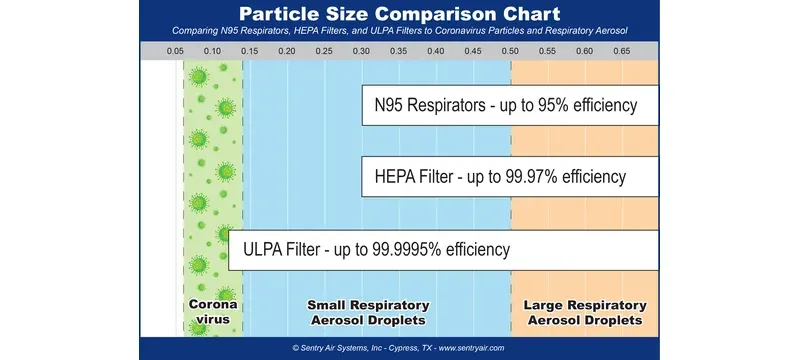
Viruses can have diameters of 0.02–0.3 µm with their respiratory aerosol carriers having diameters of 0.5–10 µm. The particle with which it is being carried is therefore perfectly placed in the filter's capture area since the ideal target particle for HEPA media is roughly 0.1 µm to 0.3 µm in size.
Which Air Filters Can Trap Virus-Carrying Particles?
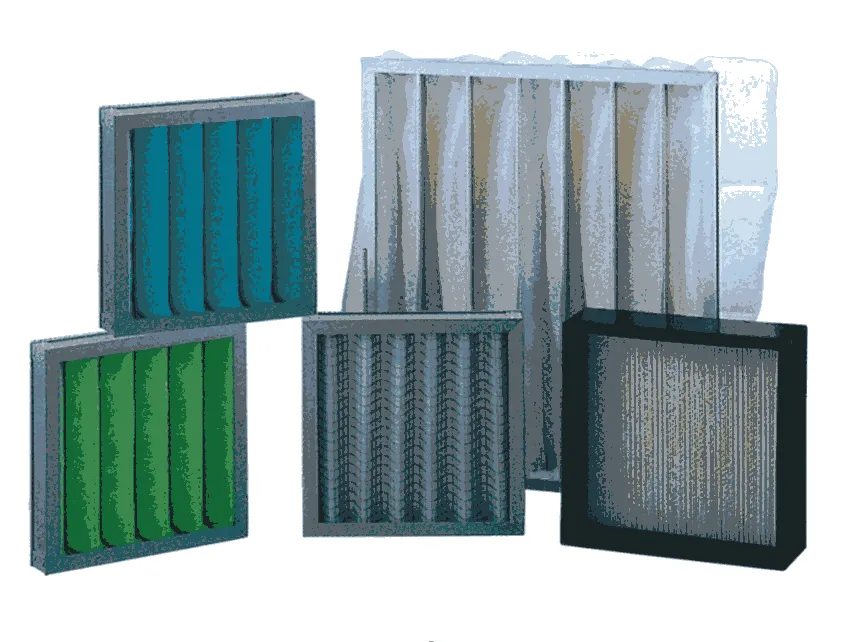
Different filter types are quantified by their rating in countless test methods, systems used and other parameters. General filter and HEPA filter are both air filters, yet only one is suited for virus aerosol filtration in critical applications.
Table 1: Filter class comparison for virus-carrying particle capture.
| Filter type | Rating or standard | Certain applications | Drawback |
|---|---|---|---|
| Medium-efficiency bag filter | EN 779 F5–F9 (old standard); ISO 16890 ePM1/ePM2.5/ePM10 | Pre-filtration in front of HEPA filter or common HVAC | A terminal product that will not filter out viral aerosols |
| Pleated medium-efficiency panel | MERV 8–13, using ASHRAE 52.2 | Commercial HVAC pre-filter in air handling unit | Not very effective on small particles |
| HEPA H13 | EN 1822 / ISO 29463 | Input product that filters in pharmaceutical and cleanroom applications | Requires sealed housing and proper airflow |
| HEPA H14 | EN 1822 / ISO 29463 | Used in isolated environments and cleanrooms at risk | Has a larger pressure drop than a HEPA H13 |
| ULPA U15-U17 | EN 1822 / ISO 29463 | Semiconductor and other clean labs | High expense and need for special installation requirement |
| Filter type | Rating or standard | Application and drawback |
|---|---|---|
| Medium-efficiency bag filter | EN 779 F5–F9; ISO 16890 ePM1/ePM2.5/ePM10 | Pre-filtration ahead of HEPA; terminal product will not filter viral aerosols |
| Pleated medium-efficiency panel | MERV 8–13, ASHRAE 52.2 | Commercial HVAC pre-filter; not very effective on small particles |
| HEPA H13 | EN 1822 / ISO 29463 | Pharmaceutical and cleanroom filtration; needs sealed housing and proper airflow |
| HEPA H14 | EN 1822 / ISO 29463 | Isolated and high-risk cleanrooms; larger pressure drop than H13 |
| ULPA U15-U17 | EN 1822 / ISO 29463 | Semiconductor and ultra-clean labs; high expense, special installation |
HEPA Filters and Virus-Containing Aerosols
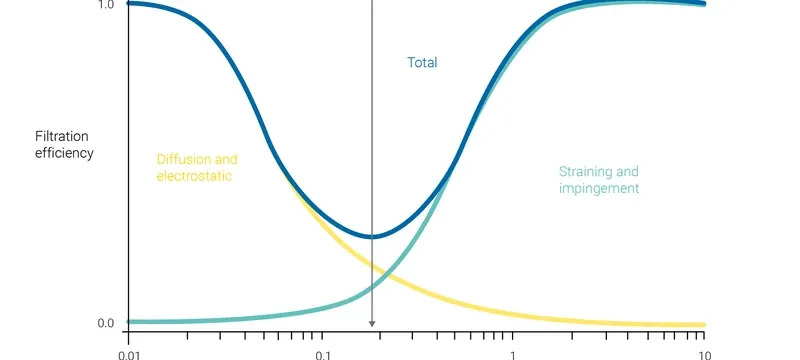
A HEPA filter for viruses is rated under ISO 29463 and EN 1822. The HEPA H13 filter can capture more than 99.97% but less than 99.99% at 0.3 µm, and a HEPA H14 can capture between 99.995% and 99.999% of particles at 0.3 µm [1][2].
Deiiang catalogue data shows the Combined High Efficiency Filter at H13 = 99.97–99.99% and H14 = 99.995–99.999% at 0.3 µm. The 592×592×292 mm model can deliver 2,500 m³/h at 20.04 m² of filter area, and has an initial resistance of not more than 220 Pa. The unit is tested before shipment.
Deiiang's Super High Efficiency Baffle-Free filter reaches ULPA U15 through U17 level of efficiency (99.999–99.9995% at 0.12 µm for U15 and 99.9999–99.999995% for U17) for ultra-clean tasks. The 610 mm x 610 mm x 50 mm model can provide airflow rates of 450 m³/h and uses an area of 7.13 m² with a starting pressure drop of less than 150–170 Pa (according to product catalogue).
HVAC Filters, MERV Ratings, and Their Limits
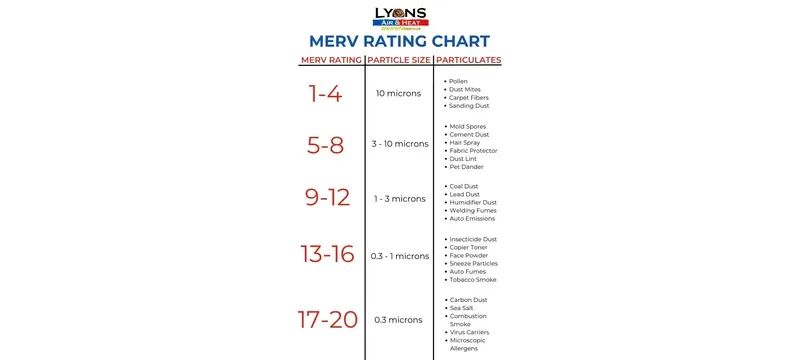
HVAC filters for airborne viruses are given ratings according to standard ASHRAE 52.2 for MERV ratings. Filters rated MERV 13 should remove about 50–85% of particles in the 0.3 to 1.0 µm range, and those with a MERV rating of 14 should remove about 75–85%. Filters with a MERV rating of 16 are expected to remove 95%+ of the particles in the same size range [3].
The EN 779 standard, which is no longer being used, gave ratings of filters from F5–F9 at the removal percentages of 45%, 65%, 85%, 90%, and 95% for 0.5 µm particle removal. The ISO 16890 standard is the current standard for filters used in general ventilation and gives ratings according to ePM1, ePM2.5, and ePM10 [4].
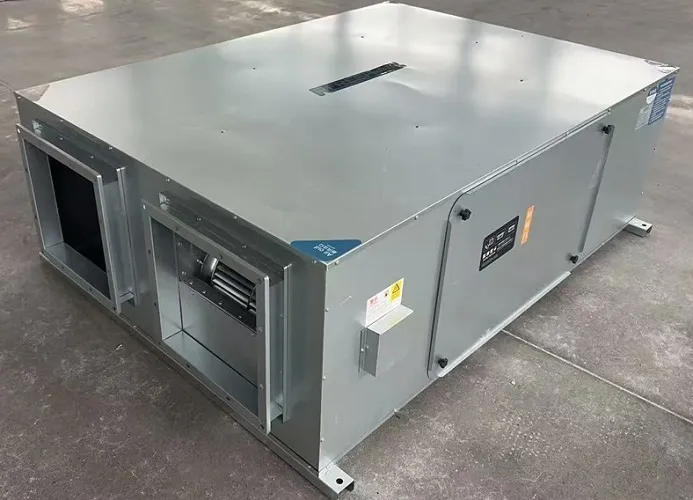
The most important limitation is the compatibility of the system. For HEPA filters, the initial pressure drop usually ranges from 200–250 Pa, while the pressure drop for medium efficiency bag filters is only 50–100 Pa. When you try to apply HEPA filters to a standard air handling unit (AHU) application, the difference in pressure drop can exceed the capacity of the fan and could result in reduced airflow.
Understanding Efficiency and Real-World Virus Removal
Air filter efficiency for viruses is a measure that is done in controlled laboratory conditions. When actually using these filters, their effectiveness depends on a number of factors, including airflow, sealing, bypass and system operation. When keeping these factors separated, it is possible to prevent overpromising to facility owners.
Table 2: The efficiency measure interpretation when applying filters for virus-carrying particles.
| Metric | What it indicates | Experiment context | Meaning |
|---|---|---|---|
| EN 1822 H13 efficiency | 99.97–99.99% at 0.3 µm | particle counting with specified aerosol | Required overall and local efficiency |
| EN 1822 H14 efficiency | 99.995–99.999% at 0.3 µm | The same as H13 | Higher grade for applications of significant importance |
| ASHRAE MERV 13 | 50–85% at 0.3–1.0 µm | Standard dust-loading test | General rating for ventilation, not terminal |
| ISO 16890 ePM1 | Percentage of particles from 0.3–1 µm | Gravimetric test after dust loading | Current standard for ventilation purposes |
| ISO 29463 class | Penetration at MPPS | MPPS particle counting | International standard rating for HEPA/ULPA filter |
| Metric | What it indicates | Meaning |
|---|---|---|
| EN 1822 H13 efficiency | 99.97–99.99% at 0.3 µm | Required overall and local efficiency |
| EN 1822 H14 efficiency | 99.995–99.999% at 0.3 µm | Higher grade for critical applications |
| ASHRAE MERV 13 | 50–85% at 0.3–1.0 µm | General ventilation rating, not terminal |
| ISO 16890 ePM1 | Percentage of particles 0.3–1 µm | Current general ventilation standard |
| ISO 29463 class | Penetration at MPPS | International HEPA/ULPA classification |
How to Interpret Air Filter Efficiency for Viruses
Single-pass efficiency is not equal to the degree of exposure reduction in the room. The filter rated as 99.97% removes 99.97% of the challenge particles in one pass through the media. Room exposure depends on the speed at which the air passes through the filter and its clean air supply rate.
The importance of bypass efficiency cannot be overstated. If 1% of airflow bypasses the gap in the gasket, no more than 99% can be captured by the system. For example, the efficiency rate of an installed H13 filter is limited to approximately 98.97% when it is rated at 99.97% efficiency.
What HEPA Test Standards Establish
EN 1822-1:2019 provides the definition of classification, performance testing, and marking for EPA, HEPA, and ULPA filters [1]. ISO 29463-1:2024 gives the international standard with a class structure similar to the first standard [2]. Both standards require conducting a performance test at the most penetrating particle size.
ISO 29463-4 references a leak detection scan method and ISO 29463-5 provides the filter-element test procedure [5]. The IEST-RP-CC001.7 standard identifies 11 performance grades along with six construction grades that cleanroom filter units are assigned [6]. MIL-STD-282 Method 102.9.1 provides established criteria which define 99.97% retention at 0.3 µm DOP particle size [7].
It must be understood that these standards identify criteria for the filter and not the cleanroom that is exposed to the filter. There is no testing standard that establishes a facility as infection free.
Selecting Filters for Cleanrooms and Facility HVAC
The air filter for the cleanroom must be designed to specifically filter air for the cleanliness class desired and have documented airflow volume, sealing, and qualification. General HVAC filtration must be based upon acceptable pressure drop and fan operating compatibility. In both instances, documented proof and correct installation of the cleanroom air filtration system is paramount.
Table 3: Facility filtration approach by need.
| Facility need | Filtration approach | Design checks | Verification |
|---|---|---|---|
| iso 5–6 cleanroom | HEPA H14 terminal plus F7–F9 pre-filters | Airflow pattern, plenum height, sealing | iso 14644-1 classification, leak scan |
| iso 7–8 cleanroom | HEPA H13 terminal plus F7–F8 pre-filters | Pressure drop, fan capacity | Particle counts, scan test |
| General HVAC upgrade | MERV 13 or ISO 16890 ePM1 50%+ | Fan curve, filter fit, bypass | Pressure-drop monitoring |
| Pharmaceutical packaging | H14 terminal, silicone-free gaskets | Laminar flow maintenance | DOP scan per unit |
| Facility need | Filtration approach | Verification |
|---|---|---|
| ISO 5–6 cleanroom | HEPA H14 terminal plus F7–F9 pre-filters | ISO 14644-1 classification, leak scan |
| ISO 7–8 cleanroom | HEPA H13 terminal plus F7–F8 pre-filters | Particle counts, scan test |
| General HVAC upgrade | MERV 13 or ISO 16890 ePM1 50%+ | Pressure-drop monitoring |
| Pharmaceutical packaging | H14 terminal, silicone-free gaskets | DOP scan per unit |
Cleanroom Requirements and Filter Selection
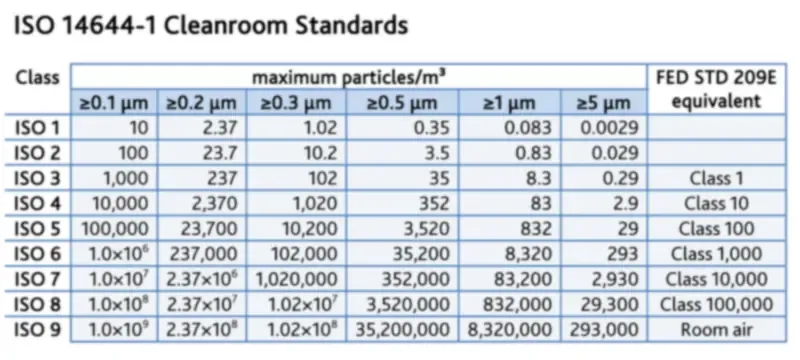
iso 14644-1:2015 specifies air cleanliness by particles per cubic meter, with sizes from 0.1 µm through 5 µm [8]. iso 14644-3:2019 specifies the testing procedures for checking leakage of installed air filters, airflow and filtration recovery [9]. An iso 6 room at rest allows less than 35,200 suspended particles ≥0.5 µm/m³, with ISO 5 allowing less than 3,520.
Terminal filters must be placed where air enters the room, so the housing must be airtight. How the air flows, either unidirectional or in turbulence, dictates not only placement but also coverage area. One should determine the class based upon process risk, in that higher risk processes support use of either H14 or U15, while lower risk processes might be accomplished with H13 filters.
HVAC Retrofit and System Compatibility
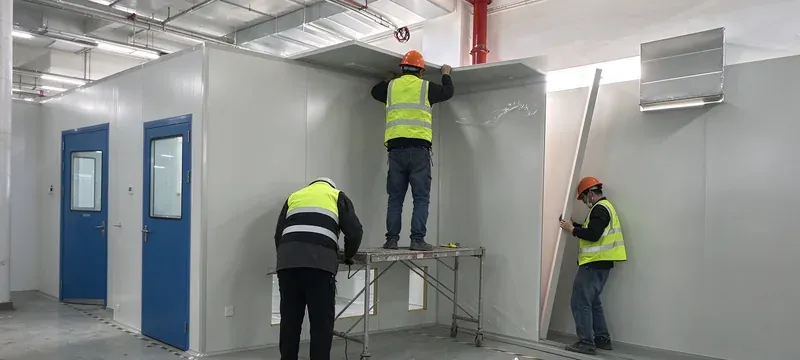
When retrofitting HVAC filters for airborne viruses, the process begins with an evaluation of airflow rate and pressure drop. When filtration efficiency is accomplished by increasing resistance beyond the available fan flow rate, absolute airflow rate will decrease as well, and a reduced number of air changes will occur.
Determine the existing static pressure drop to make sure there will be sufficient airflow before determining the filtered air static pressure drop. It is also prudent to ensure that the fan will fit properly, because a 592×592 mm filter does not always sit properly within a nominal 24-inch square frame. Additionally, it is important to confirm that the filter contains properly functioning gaskets and verify that the proper sealing technique is used before installing filters.
Deiiang catalogue data indicates the size and properties of high efficiency combination filters rated H13 and H14, for filters having dimensions between 287×287×292 mm and 592×592×292 mm; these filters have airflow rates ranging from the minimum of 550 to the maximum of 2,500 m³/h. These provide data for retrofitting calculations when fan resistance does not exceed the fan's rated capacity.
Installation, Maintenance, and Performance Verification
A filter is effective only if installed properly. Compression of the gasket, frame fit, airflow direction and leak testing all affect performance. Maintenance logbooks and pressure drop analysis provide the basis for replacement judgment.
Correct Installation and Leak Control
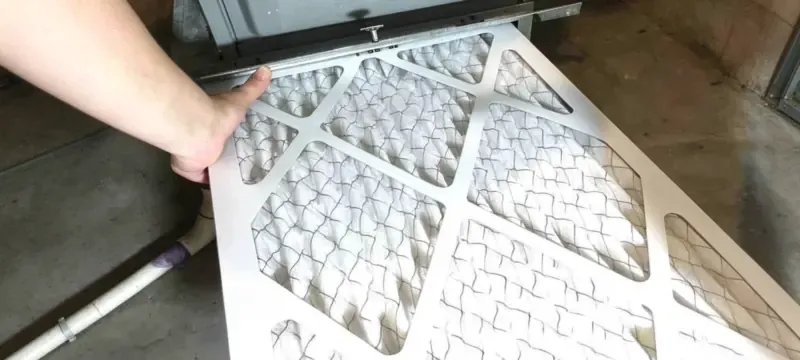
Installation starts with inspecting the housing. The shell has to be clean, undamaged, and compatible in dimensions. The gasket has to compress evenly all over its surface, and the filter has to sit in place without twisting and gaping.
Direction of air flow indicated with arrows should not be reversed, as it can lead to reduced efficiency and damage of the filter elements. Leak tests for critical applications must be done with the help of ISO 29463-4 in order to find local penetration through the filter media, gasket or frame. Keep records of scan results, condition of the gasket and serial numbers.
Replacement Decisions and Pressure-Drop Monitoring
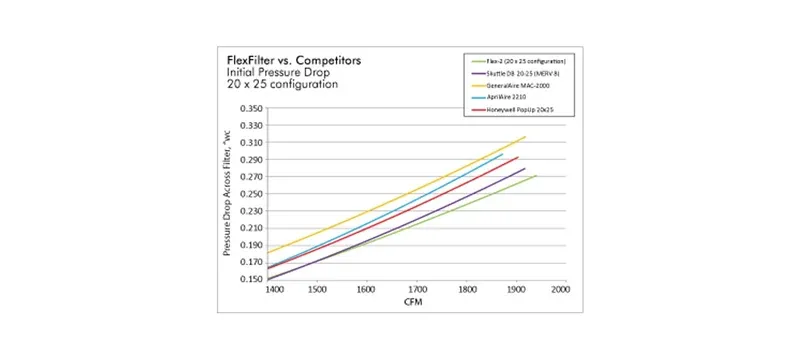
Replacement must be made according to the documented pressure drop limits rather than to a universal time schedule. As per Deiiang catalogue data, the final resistance is 400–600 Pa for H13/H14 filters and 250–400 Pa for the medium efficiency bag type filters.
Filters must be inspected at every maintenance interval for media damage, distortion of frame, hardening of the gasket, and ingress of moisture. If the pressure drop reaches the limit in half the expected time-frame, it may be an indication of heavy loading or malfunction of the system.
Cleanroom Air Filtration in Practice
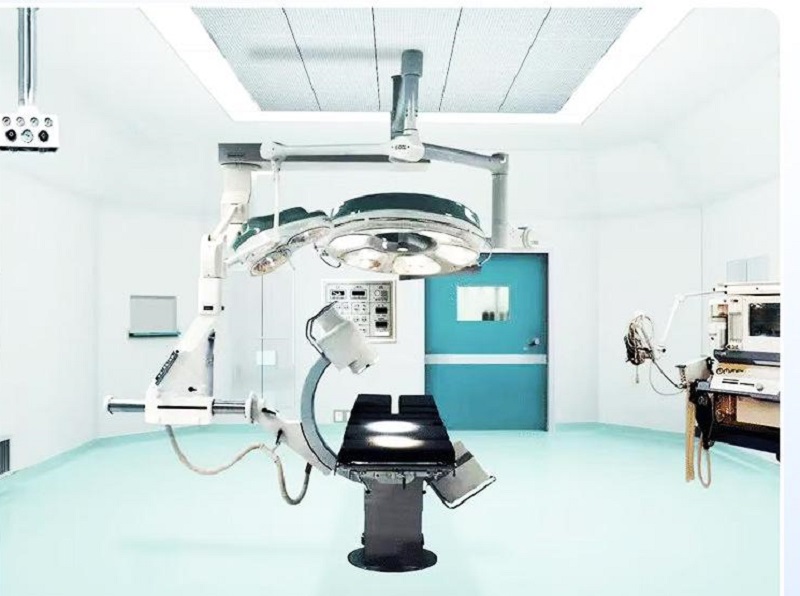
Project experience shows how the application of theory plays out in practice. One example is a pharmaceutical packaging cleanroom where Deiiang low-profile H14 filters combined with F7 pre-filters were used, and where a HEPA filter for viruses argument had to hold up under real operating conditions.
Case Study: Facility Challenge and Design Requirements
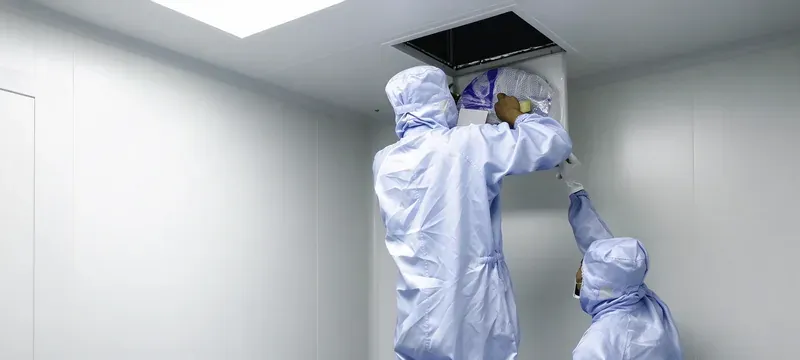
The facility had an ISO 7 compliant cleanroom where pharmaceutical packaging activities took place and needed to upgrade to an ISO 6 cleanliness level. There were high ambient particle loads created from the use of packaging materials, and personnel entering the cleanroom were problematic. The maximum plenum height was limited, and operational pressure gradients had to be maintained to keep the airflow laminar.
ISO 7 counts at rest baseline measurements were made. The available plenum height would not accommodate standard 292 mm filters in some ceiling locations, so the low-profile H14 filter with a resistance rating to fit the existing fan curve was designed.
Deiiang Solution, Commissioning, and Measured Results
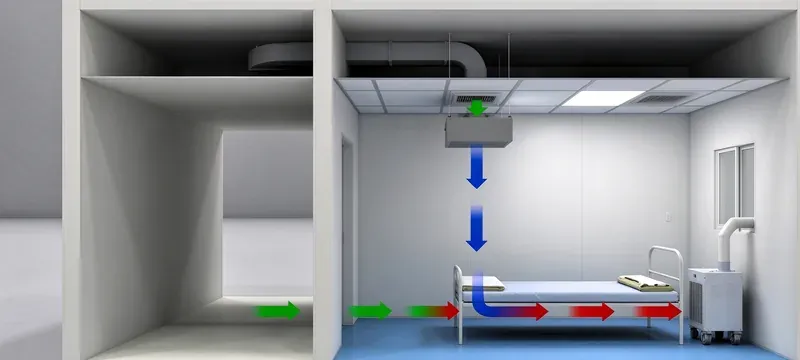
Deiiang provided high-efficiency H14 filters with dimensions of 592 mm by 592 mm by 292 mm rated at 2,500 cubic meters per hour with 20.04 m² of media area and ≤220 Pa resistance. Silicone-free gaskets and F7 pre-filters were also provided along with DOP testing of each HEPA unit.
Once commissioning was complete, project-reported particle counts reduced from ISO 7 baselines and remained stable at ISO 6 levels. The low pressure drop meant that laminar airflow was maintained and allowed for energy savings to be achieved compared with a higher resistance level of filter media.
Common Claims, Limitations, and Complementary Controls
Filtration is undoubtedly powerful; however, it has its limitations. Air is not sterilized by filtration; rather the concentration is reduced but not completely eliminated. By acknowledging these limitations, operators can create systems that are synergistic in composition.
What Air Filters Can and Cannot Do
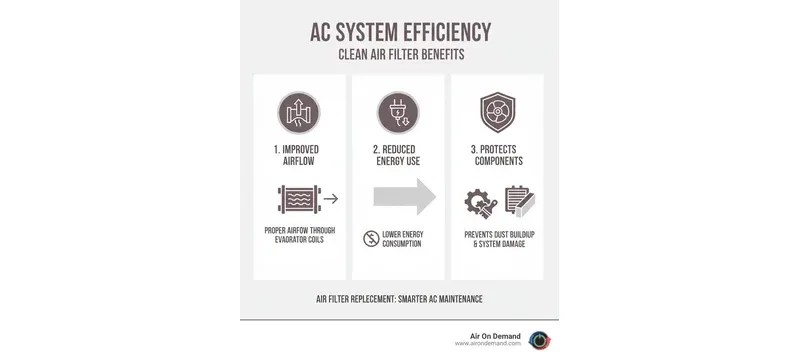
Air filters that trap viruses are designed for removing the particles responsible for carrying the virus. In practice, air filters that trap viruses should be judged on the aerosol size band they were tested against rather than on the headline percentage. A 99.99% rated HEPA filter for virus removal refers to a performance score indicating capture, but does not actually make the claim of disinfection. In other words, viruses remain captured but not killed.
The performance of any filter relies on the operational parameters, as filtration in a stagnant system does not occur. Moreover, a filter which is bypassed will show lower performance than its rating suggests. Filters which reach their final pressure loss can become damaged and leak. Zero infection risk is not an achievable aspiration of air filtration; it is possible to claim that exposure to infections has decreased.
Pairing Filtration With Ventilation and Other Controls
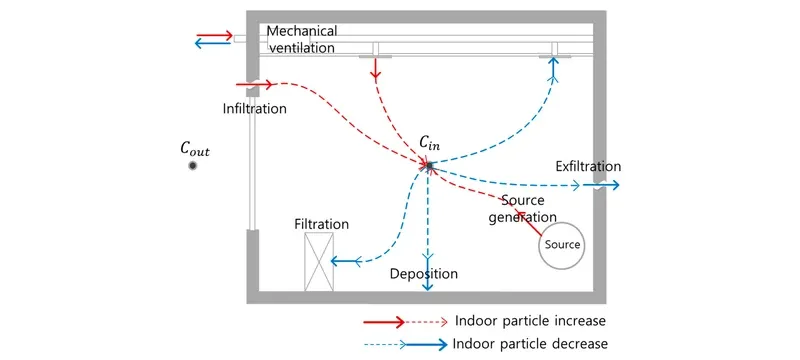
Filtration forms only one aspect of a larger strategy. Ventilation enables a mixture of fresh outdoor air to dilute the pollutants, while source control involves minimizing the chance of emitting viral aerosols. Occupancy management controls the amount of people contributing to the airborne virus pool, while maintenance ensures that viral aerosol filtration will perform according to its intent.
One can achieve a desired result by establishing air exchanges of 6 ACH equipped with MERV rated at 30% and using air filtration. However, each additional layer adds impetus to success, but using filtration only is not satisfactory, as all operational parameters need to be monitored.
Choosing Air Filters for Facilities: A Practical Decision Process
The process of choosing air filters for facilities is systematic, starting from evaluating the need for air filtration. Each stage will produce a document to assist in the specifications, verifications, and ongoing maintenance of the air filter, as well as reducing the risk of an expensive error.
Facility Assessment and Filter Specification
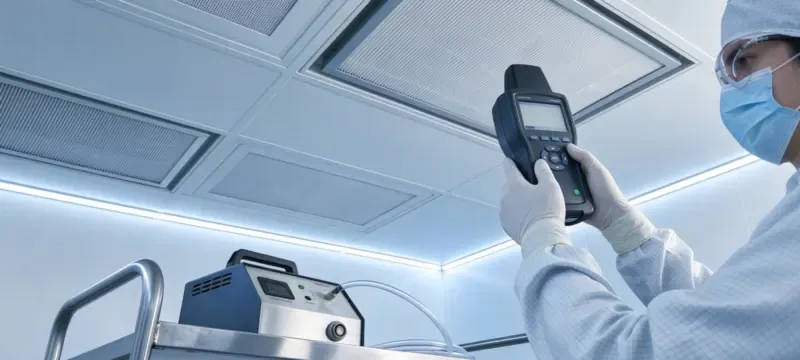
First, determine where the air filtration process must be employed, such as the desired level of cleanliness classification or exposure reduction. Then measure available air flow and the space available if the air handling unit space permits. Specify by standard rather than brand alone, citing EN 1822 or ISO 29463 for HEPA and ISO 16890 for general ventilation.
Include dimensions, airflow, initial and final pressure drop, plus acceptance criteria. For HEPA filters, the target class matters: H13 or H14 depending on process risk, with U15 to U17 reserved for semiconductor and ultra-clean laboratory work.
Supplier Review, Procurement, and Acceptance
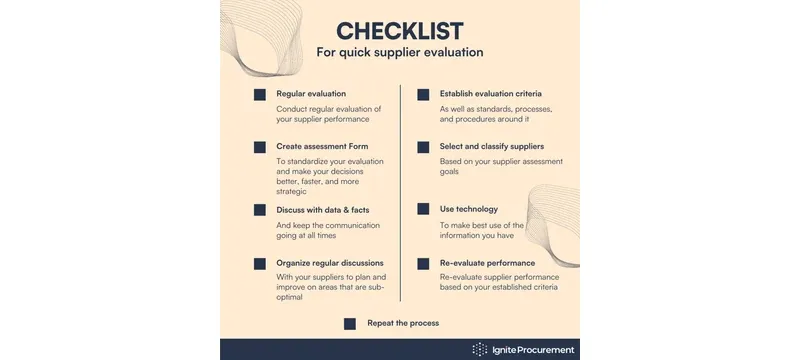
Supplier assessment confirms documentation, not simply price. Request the testing certificate and reference along with the specific efficiency measurement. Confirm the size and gasket material, which should always be silicone-free if working in the pharmaceutical field.
At acceptance, verify all of the specifications against the specifications set at the time of purchase. Deiiang conducts unit testing on its combined filter range for high-efficiency filtration. This testing supports facility qualifications.
Frequently Asked Questions
Are there air filters that trap viruses?
Yes, HEPA filters will filter virus-containing aerosol particles within their stated efficiency rating of greater than 99.97% at 0.3 µm if they are properly installed in sealed filter housings. Medium-efficiency and MERV-rated filters can also filter a small percentage of those aerosols but at a much lower efficiency.
Can a HEPA filter remove viruses that are smaller than its rated test particles?
Yes, this is because the various physical mechanisms used to carry out particle capture can operate on a wide range of particle sizes. Viruses tend to travel in aerosol carriers that are larger than the actual virus particle, and since 0.3 µm is close to the size at which maximum penetration occurs for HEPA filters, it can be assumed that the larger droplet will be captured with a higher efficiency.
Is a HEPA filter for viruses suitable for every HVAC system?
No, HEPA air filters will create significant pressure drop compared to standard HVAC system filters. Before upgrading to a HEPA filter for viruses, you must confirm the fan capacity requirement with respect to the fan curve, and check the physical fit of the filter into the HVAC system in order that there are no gaps between the HEPA filter and the housing that would cause air leakage.
What is the difference between HEPA and MERV filters for airborne viruses?
The MERV rating system measures air filters that have been tested according to ASHRAE 52.2, and it shows that MERV 13–16 filters can capture some of the virus particles within the aerosol particle size but not many of the smaller particles. In contrast, the HEPA filter system measures filtered particles according to EN 1822 and ISO 29463.
How often should filters used for viral aerosol filtration be replaced?
The manufacturer's listed final pressure drop must be followed to determine when to change the filter, along with other factors such as inspecting the filter at every maintenance cycle. For H13 and H14 filters, Deiiang's filter materials show a final resistance of between 400 and 600 Pa, while medium efficiency bag filters have between 250 and 400 Pa of resistance. In general, a definitive time period does not exist for changing filters used for viral filtration.
Do air filters alone prevent airborne infection?
No, filtration will help reduce the concentration of virus carrying particles, but filtration alone is only one element of an effective infection control strategy. Ventilation, source control, occupancy management and maintenance all contribute, and no single control removes airborne infection risk entirely.
The takeaway: air filters that trap viruses do work when they are correctly rated, sealed and maintained. HEPA filter virus removal above 99.97% is achievable, but real protection depends on system integration, bypass control and complementary ventilation.
References
- [1] EN 1822-1:2019, High efficiency air filters (EPA, HEPA and ULPA) — Part 1: Classification, performance testing, marking. CEN.
- [2] ISO 29463-1:2024, High-efficiency filters and filter media for removing particles in air — Part 1: Classification, performance, testing and marking. ISO.
- [3] ANSI/ASHRAE Standard 52.2, Method of Testing General Ventilation Air-Cleaning Devices for Removal Efficiency by Particle Size. ASHRAE.
- [4] ISO 16890-1:2016, Air filters for general ventilation — Part 1: Technical specifications, requirements and classification system based upon particulate matter efficiency. ISO. Supersedes EN 779:2012.
- [5] ISO 29463-4:2018 and ISO 29463-5:2022, High-efficiency filters and filter media for removing particles in air — Part 4: Test method for determining leakage of filter elements (scan method); Part 5: Test method for filter elements. ISO.
- [6] IEST-RP-CC001.7, HEPA and ULPA Filters. Institute of Environmental Sciences and Technology.
- [7] MIL-STD-282, Method 102.9.1, Filter Units, Protective Clothing, Gas-Mask Components and Related Products: Performance-Test Methods. U.S. Government Printing Office, 1956.
- [8] iso 14644-1:2015, Cleanrooms and associated controlled environments — Part 1: Classification of air cleanliness by particle concentration. ISO.
- [9] iso 14644-3:2019, Cleanrooms and associated controlled environments — Part 3: Test methods. ISO.