+86 13638632902
 Jason@cleanroomequips.com


 MENU
MENU
The concept of cleanability of cleanroom panels refers to the performance of cleaning a surface of a panel on a wall, ceiling, or door. The surface must be devoid of particulate, biological, or chemical contamination after a proposed cleaning procedure, without deterioration of the surface condition.
The cleanroom panel cleanability of any specification must meet the requirements of a defined roughness (Ra ≤ 0.8 μm), a sound sealant without voids, and the required chemical resistance.
Cleanroom wall panels should be tested for surface roughness, particle shedding, chemical exposure, and cleanroom panel cleanability under repeated washdown based on the iso 14644-4 and ASTM E84 [4][5] standards, so that they meet the criteria for cleanroom use.
CpjTfUDIKIA
Short answer: select non-porous, sealed panels that comply with the relevant ISO standard specifications, verify the certification number, and clean and inspect them on a regular basis based on an established schedule. In this article, we will take an example of Deiiang™ hygienic wall panels as the reference product line throughout.
Fundamentals of Cleanroom Panel Cleanability
The hygienic design of cleanroom panels is based on three principles that must be adhered to when constructing any panel: material non-porosity, structural integrity, and surface smoothness. These three properties decide whether cleanroom panel cleanability holds after 500 cleaning cycles or fails after 50.
The fundamentals below explain why material choice, coating behaviour, and sterilization exposure all feed into the same result.
- Non-porous, non-shedding surfaces
- Continuous finishes without pits or scratches
- Sealed joints and coved transitions
- Resistance to repeated chemical exposure
Material Properties and Surface Smoothness
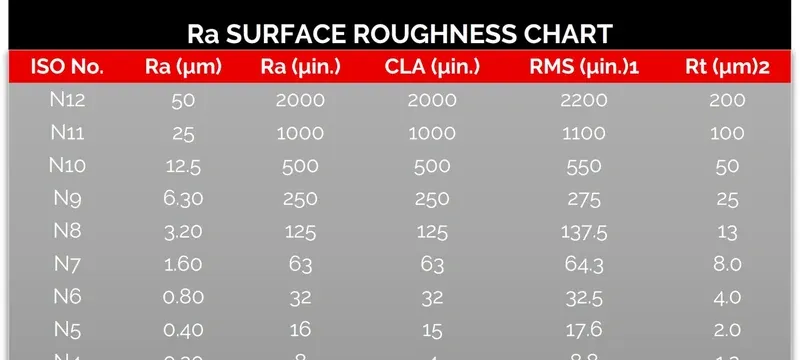
To limit the adhesion of particles, cleanroom-grade panels stipulate an Ra of no more than 0.8 µm. The lower the Ra number, the more quickly particles released in the wiping procedure will free themselves from the surface.
Bioburden buildup is dependent on porosity. For instance, a panel with exposed surface pores may harbor bacteria after standard disinfection.
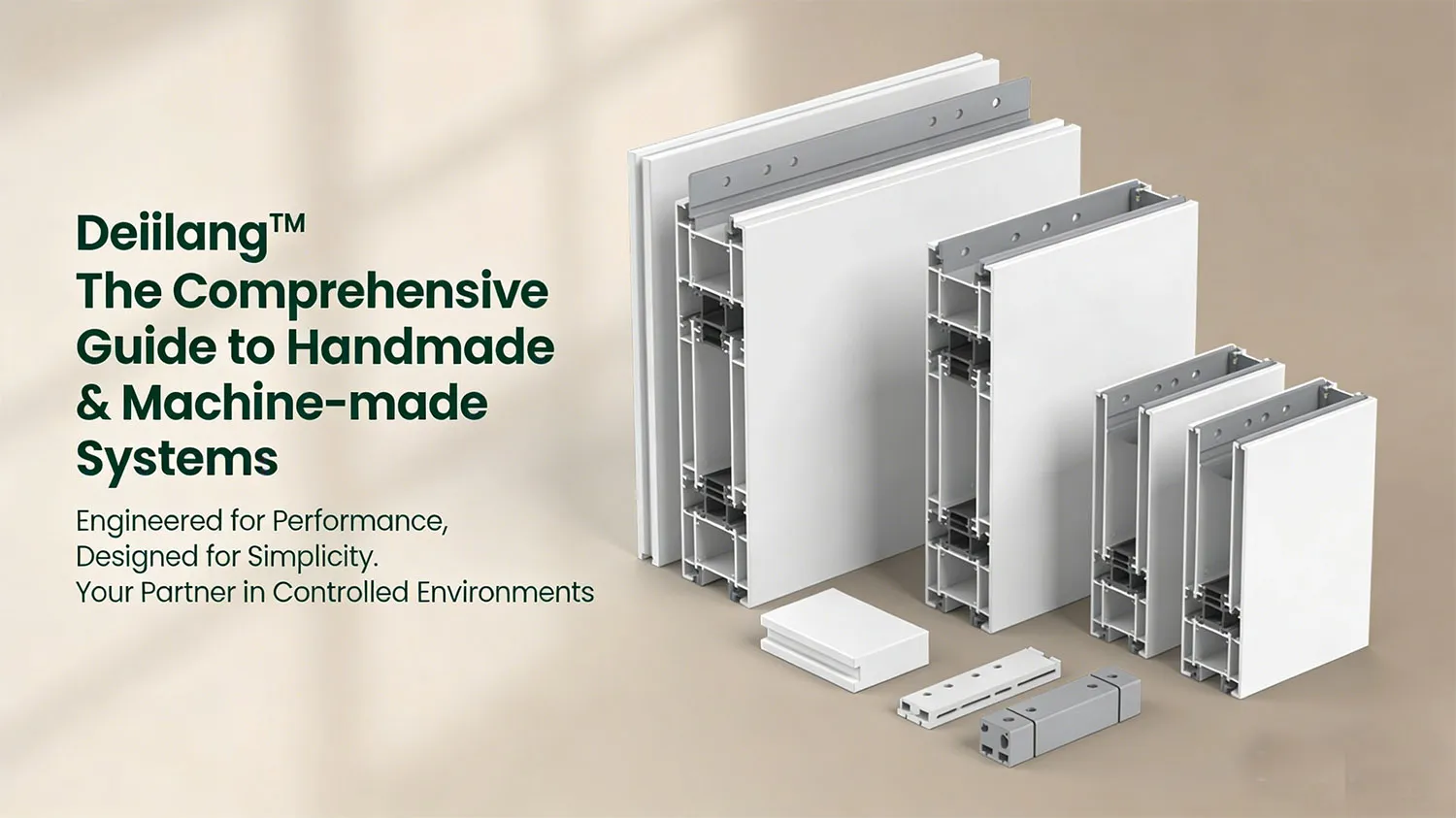
The Deiiang catalogue gives different finishes including PET color-coated steel, galvanized steel, and stainless steel 304/316L finished with a non-porous finish. Catalogue thickness ranges run from 50 mm to 100 mm, with an effective panel width of 1150 mm.
Chemical Resistance and Sterilization Compatibility
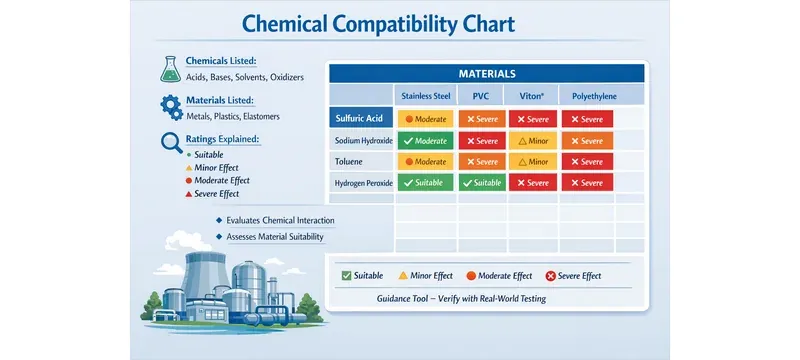
Hydrogen peroxide vapor (VHP) is one of the sterilants used in cleanrooms, but the surface of the material must resist it without blistering, discoloration, or loss of physical integrity. Materials such as galvanized steel and stainless steel 304/316L can resist the effects of VHP.
However, there are coatings that would not be able to withstand VHP. In some cases, standard color coated panels would be ruined after 50 to 100 cycles of VHP, while a properly specified powder coating would last over 500 cycles. That is a significant discrepancy in cleanroom panel maintenance costs.
Table 1: Degradation thresholds of Deiiang coatings upon exposure to VHP (catalogue data, illustrative)
| Coating | Cycles to visible change | Cycles to functional failure |
|---|---|---|
| Standard color-coated steel | 50 | 100 |
| Color-coated PET steel | 150 | 300 |
| Galvanized powder-coated steel | 250 | 500 |
| S304 stainless steel | 300 | 600 and above |
| S316L stainless steel | 400 | 700 and above |
| Coating | Visible change | Failure |
|---|---|---|
| Standard color-coated steel | 50 cycles | 100 cycles |
| Color-coated PET steel | 150 cycles | 300 cycles |
| Galvanized powder-coated steel | 250 cycles | 500 cycles |
| S304 stainless steel | 300 cycles | 600+ |
| S316L stainless steel | 400 cycles | 700+ |
Understanding Cleanroom Panel Standards
The ISO 14644 specification deals with cleanroom panel standards, including testing methods, acceptance criteria and documentation. ISO 14644-1 establishes air cleanliness classifications, the testing methods are contained in iso 14644-3, while design and construction are discussed in ISO 14644-4 [2][4].
Standardized testing is vital since a panel can be compliant to one ISO class but not another. The panel's chemical compatibility, particle shedding ability and outgassing potential depend on its ISO classification. Cleanroom compliance cannot be assumed; it must be proven.
Table 2: Comparison of cleanroom panel standards
| Standard | Scope | Application |
|---|---|---|
| ISO 14644-1 | Air cleanliness classification | Provides ISO class |
| ISO 14644-3 | Test methods | Performs particle counts and airflow analysis |
| ISO 14644-4 | Design and construction | Defines panel surfaces and joints |
| IEST-RP-CC001 | HEPA/ULPA filter testing | Determines filter integrity along with panel data |
| ASTM E84 | Surface burning | Flame spread and smoke index |
| iso 846 | Microbial resistance | Fungal and bacterial growth on panels |
| Standard | Scope | Application |
|---|---|---|
| ISO 14644-1 | Air cleanliness | Provides ISO class |
| ISO 14644-3 | Test methods | Particle counts, airflow |
| ISO 14644-4 | Design and construction | Panel surfaces and joints |
| IEST-RP-CC001 | Filter testing | Filter integrity |
| ASTM E84 | Surface burning | Flame spread, smoke |
| ISO 846 | Microbial resistance | Growth on panels |
ISO 14644 and Regulatory Compliance Requirements
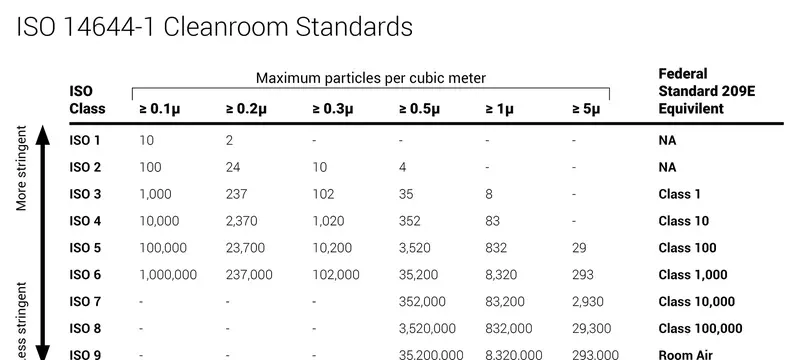
According to ISO 14644-1, panels can come from ISO class 1 (cleanest) to ISO class 9. In many cases, pharmaceutical cleanrooms operate from iso class 5 to class 7, while electronics facilities can look for ISO class levels 4–6. The cleanability criteria for panels become stricter as the class number decreases.
ISO 14644-4 clause 6.1 sets forth requirements for the cleanliness of cleanroom surfaces: they must be smooth and non-porous, allowing for easy cleaning, and should not have any holes leading into other unregulated spaces [4]. Both the FDA guidelines and the EU GMP Annex 1 reflect this cleanroom compliance requirement directly [7].
Panel Testing and Certification Protocols
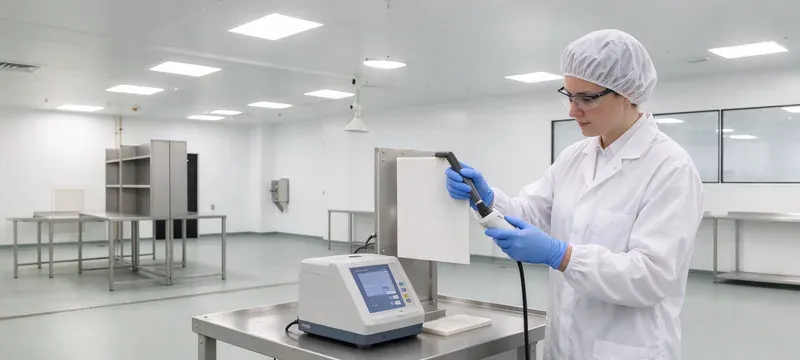
A standard certification process should follow: characterisation of material, surface roughness testing, chemical exposure testing, and measurement of particle shedding. Each step will produce records for the cleanroom compliance audit.
IEST-RP-CC001 only covers filter performance; however, since filters and panels function together to produce high quality air, the data is presented together [1], which keeps the panel evidence inside the cleanroom compliance file. For panels specifically, ASTM D4060 abrasion resistance and ISO 846 microbial resistance will be utilized [5][6].
Strategic Cleanroom Panel Selection
When carrying out cleanroom panel selection, several characteristics must be taken into account: cleanability, structural performance, fire classification, and the life-cycle cost-effectiveness of the operation. Usually, selecting only based on purchase price results in high cleaning and replacement costs within 3–5 years.
According to Deiiang catalogue data, modular cleanrooms can be designed based on standard sizes with dimensions of 2 m × 3 m × 3 m to 10 m × 8 m × 3 m, giving panel areas of 6 m² to 80 m². Core materials consist of MGO (magnesium oxide) or MGO-rockwool cores for iso class 8 or those with similar environmental controls.
Table 3: Core materials decision matrix (catalogue data)
| Criterion | MGO hollow core | MGO + rockwool | Rockwool | Steel-faced PU |
|---|---|---|---|---|
| Fire rating | 60 min | 120 min | 120 min | 60 min |
| Density | 220 kg/m³ | 60–140 kg/m³ | 60–140 kg/m³ | 35–45 kg/m³ |
| Moisture resistance | High | High | Medium | High |
| Load-bearing | High | High | Medium | Medium |
| Relative cost | Medium | Medium-high | High | Low |
| Criterion | MGO / MGO + rockwool | Rockwool / Steel-faced PU |
|---|---|---|
| Fire rating | 60–120 min | 60–120 min |
| Density | 60–220 kg/m³ | 35–140 kg/m³ |
| Moisture resistance | High | Medium to high |
| Load-bearing | High | Medium |
| Relative cost | Medium to medium-high | Low to high |
Assessing Structural Integrity and Core Materials
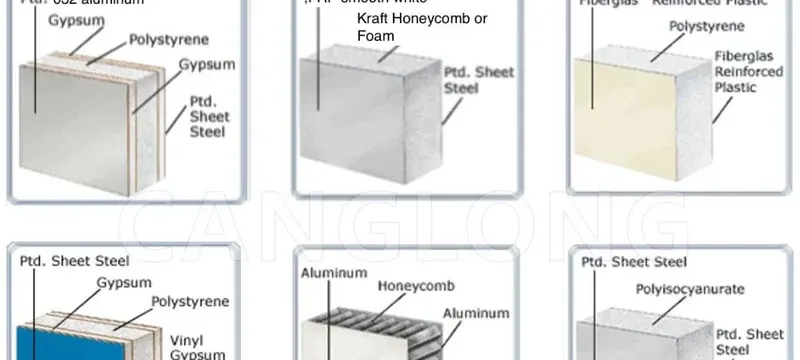
Selection of the core determines load-bearing capacity, the fire rating, and moisture resistance of the material. MGO core provides high compressive strength, and rockwool provides better acoustic performance due to the fire protection of 120 minutes.
The standard thickness for partitions is 50 mm; 75 mm and 100 mm thicknesses are used in case there is a requirement for rigidity or fire rating. The density of rock wool in the Deiiang catalogue varies between 60 to 140 kg/m³. The ceiling is suspended using hangers placed at 1200 mm to avoid sagging.
Customizing for Environmental and HVAC Integration
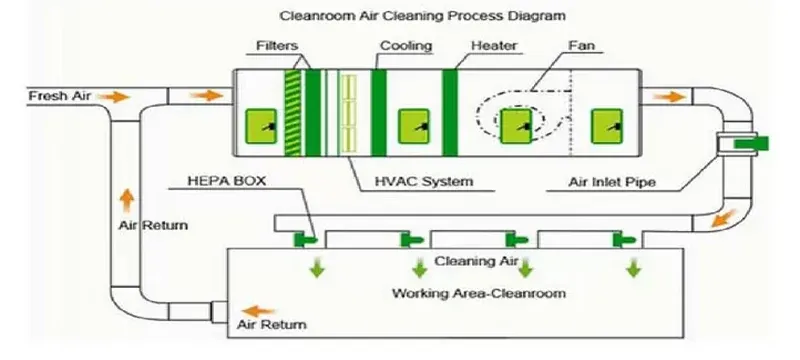
Clean room HVAC integration requires the use of panels that will facilitate air supply, return, and cascade control of the pressure. Joints of the panels should be sealed properly; the typical operating inter-zone differential is about 10–15 Pa.
Deiiang tongued and grooved joints fit into each other to minimize air loss. Lengths of the catalogue can be customized depending on the requirements. Fewer joints lead to less possibility of leaking, and pressure stability increases.
Designing for Efficient Cleanroom Cleaning Requirements
When cleanroom cleaning requirements are devised, design can help decrease cleaning effort by eliminating contamination spots in advance. For example, a well-sealed wall system saves about 30 to 40 percent of cleaning time compared to an unsealed system, which is why cleanroom cleaning requirements belong in the design brief.
Elements that help minimize work include seamless connections, coved edges, and recessed fixtures. Even the smallest ledge means an additional site where particles can collect.
Surface Geometry and Corner Sealing Techniques
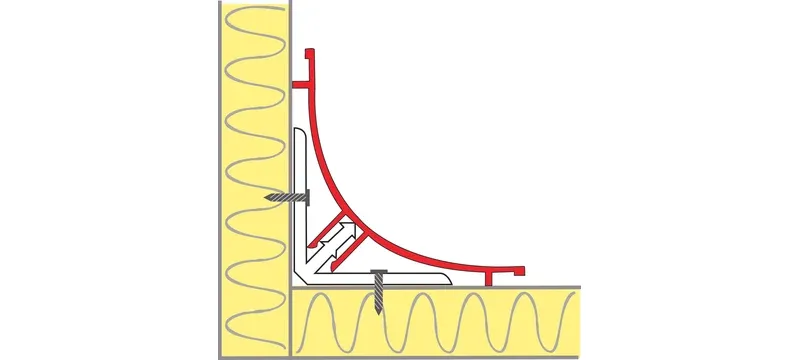
Using a coved corner prevents the 90-degree bends that collect dust and germs. Coved aluminum corners are required in good manufacturing practice clean rooms, whereas L-shaped corners work only in non-classified areas.
Using an internal coved base at the wall-to-floor junction, rather than a right-angle seal, is a better way to seal those corners properly. Deiiang drawings give specifications for the coved base to be 50 mm of aluminum secured with pull rivets every 300 mm and wood screws at the base.
Minimizing Particle Accumulation in Design
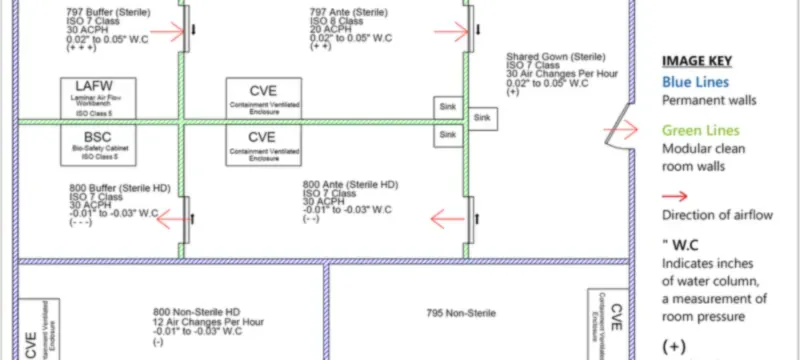
The reduction of the ledges and optimizing surface angles creates lower particle retention during design. Flat and even surfaces, for instance, perform better than textured surfaces in terms of particle release tests.
An example of this comparison shows that smooth surfaces release nearly 95% of the particles applied, compared to slightly textured surfaces releasing only 72% of the particles applied.
Maintaining Long-term Cleanroom Compliance
Cleanroom panel maintenance is a scheduled activity, not a reactive one. Frequency is dependent on ISO class: daily skirt cleaning may be required in iso 5 cleanrooms, while weekly or monthly cleaning may be adequate in ISO 7 and iso 8 cleanrooms [3].
Documentation is necessary for the compliance process in cleanrooms, including maintenance logs, inspection reports, and certificates of material.
Table 4: Maintenance Schedule
| Action | Frequency | Responsible Individual |
|---|---|---|
| Visual inspection of joints | Monthly | Facilities Tech |
| Seal check | Quarterly | Maintenance Engineer |
| Complete wall clean (iso 5 or 6) | Daily to weekly | Cleaner |
| Complete wall clean (ISO 7 or 8) | Weekly to monthly | Cleaner |
| Chemical resistance test | Annually | Quality Assurance Team |
| Documentation review | Quarterly | Compliance Officer |
| Action | Frequency | Owner |
|---|---|---|
| Joint inspection | Monthly | Facilities Tech |
| Seal check | Quarterly | Maintenance Engineer |
| Wall clean (ISO 5–6) | Daily to weekly | Cleaner |
| Wall clean (ISO 7–8) | Weekly to monthly | Cleaner |
| Chemical test | Annually | QA Team |
| Documentation review | Quarterly | Compliance Officer |
Preventative Maintenance Schedules and Inspections
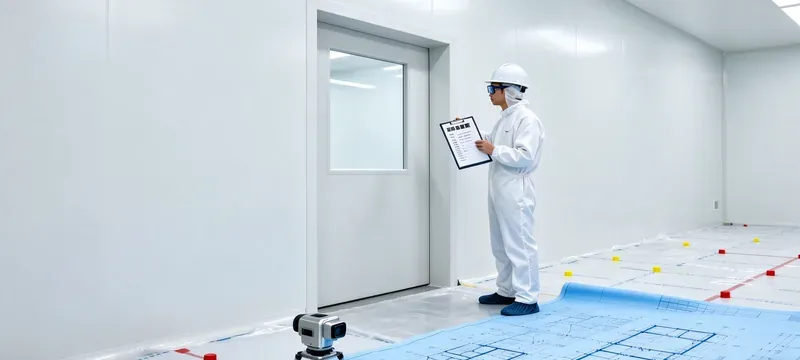
Three things are checked during preventative cleanroom panel maintenance: seal integrity, surface condition, and chemical resistance. Seal failure is common and can be seen by signs of discoloration or cracking.
Suggestions from designer Jason.peng include:
- Wait the full curing time before cleaning, because doing so prematurely causes the water to trap any remaining solvent.
- Make sure the panels are protected during shipping, because a chipped edge will always collect particles.
- Do not cut the coved profile on site if a pre-made corner is available.
- Check the ceiling hangers after the first heating cycle.
Documentation and Audit Readiness
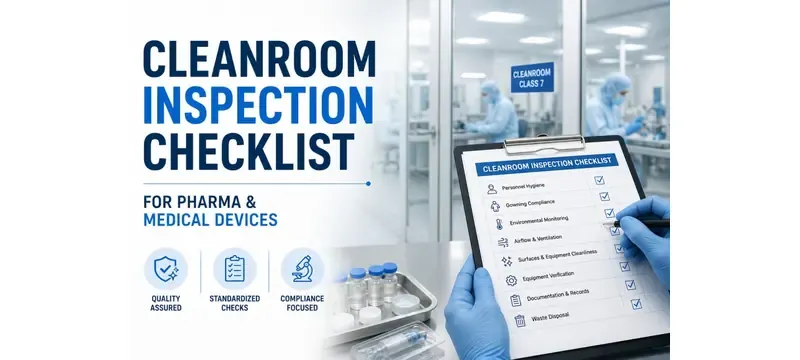
Audit readiness requires three documents: a log of all maintenance, certificates of material, and inspection reports. All three forms of documentation are needed for cleanroom compliance.
Maintenance log with date, action, responsible party, and observed state
Material certification sheets referencing ISO 14644 test data
Chemical resistance records for the cleaning agents in use
Joint seal inspection reports signed by the responsible engineer
Advanced Features of Hygienic Wall Panels
Advanced hygienic wall panels have sophisticated antimicrobial coatings, specialty surface finishes, and increased resistance to wear and tear in high-risk areas. These advanced features provide for longer service life and limit exposure to contamination in pharmaceutical and biotech facilities.
The Deiiang catalogue features choices such as colour-coated PET steel, electrolytic steel for use in operating theatres, and stainless steel finishes. The various finishes represent different levels of chemical resistance, cleanability, and price.
Antimicrobial Coatings and Specialized Finishes
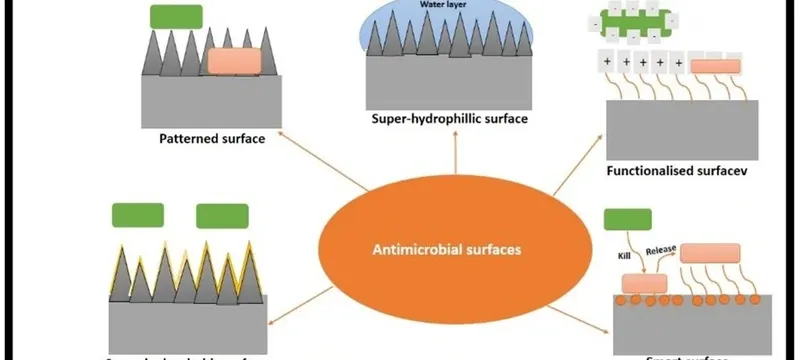
Antimicrobial coatings prevent surface colonies from forming in between cleaning cycles. Silver ion and quaternary ammonium antimicrobial systems are used; the effectiveness of these systems relies on length of time in contact with other surfaces and relative humidity.
Specialized finishes of hygienic wall panels include anti-static powder coating for electronics cleanrooms and wood grain or stone grain laminates used in medical facilities for aesthetic appeal.
Durability Against Harsh Decontamination Agents
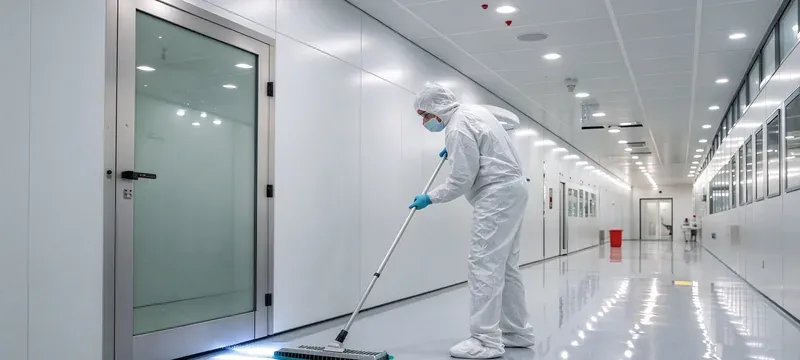
Resistance of finishes to harsh decontaminating agents is expressed in average cycles to failure. Powder-coated galvanised steel lasts between 300 and 500 VHP cycles; 316L stainless steel finishes can endure over 500 cycles under comparable conditions.
The Deiiang catalogue shows that MGO panels have a fire resistance rating of grade A, a bearing compression strength of 22 MPa, and a hydrophobic rate over 97.5%. This information validates the cleanroom panel cleanability of hygienic wall panels in high-risk areas for long-term use.
Optimizing Cleanroom HVAC and Panel Interaction
The cleanroom HVAC and panel systems function together as a cohesive unit. The flow of air and the pressure differences in the cleanroom systems rely upon how tightly the system's different parts are joined together.
Cleanroom panels that leak will make the HVAC system work harder to maintain the cleanroom's airflow patterns and pressure differentials. By ensuring that the cleanroom HVAC system and the panel system are well integrated, it will be possible to reduce energy usage by about 15–20% in the operation of the cleanroom.
Airflow Dynamics and Pressure Differential Control
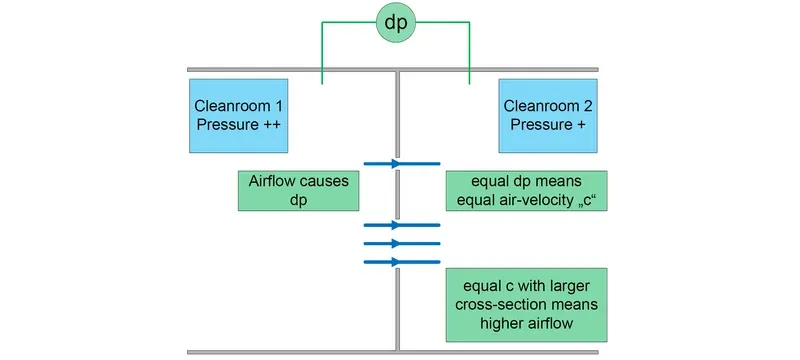
It is important to keep the surfaces of the panels smooth so as not to disrupt the flow of air in the cleanroom. If the surfaces have irregularities, then these will create turbulence, which will disturb the settled particles that are found in the cleanroom, leading to contamination of the cleanroom air.
Cleanrooms usually maintain a pressure differential of 10–15 pascal. Leak rates of more than 0.5% of the total supply air volume will prevent efficient maintenance of the pressure differential and create a need for correction.
Integrating Air Filtration with Panel Systems
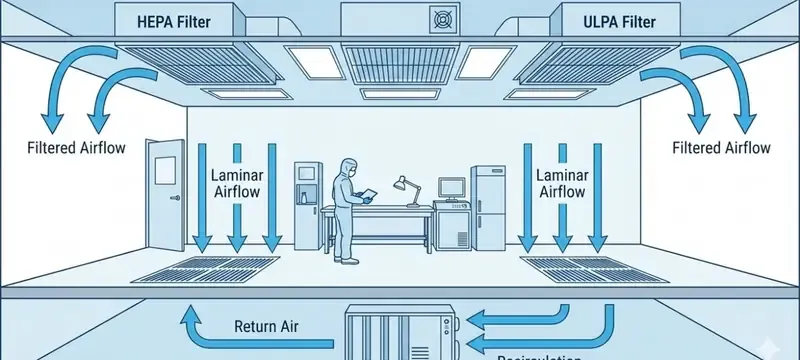
HEPA and ULPA filters are to be mounted in the ceiling of the cleanroom panels using sealed frames. It is critical to have an airtight connection between the filter and the cleanroom panels so as not to allow any bypass of the cleaned air to take place.
The ceiling systems of Deiiang use round steel rods at spacing of about 1200 mm, as well as leveling baskets that may be adjusted with turnbuckles, and T-shape aluminum profiles that may be used with any ffu ceiling system.
Case Studies in Effective Panel Implementation
The established case histories show how important selection of the proper cleanroom wall panels will be for achieving cleanroom compliance.
Table 5: Comparison of Cases
| Project | Industry | Key Panel Issue | Solution |
|---|---|---|---|
| Sterile fill suite | Pharmaceutical | ISO 5, daily VHP exposure | Powder-coated steel with coved corners |
| Fab line update | Microelectronics | ISO 6, ESD control | Anti-static coating and sealed joints |
| Operating suite | Healthcare | GMP compliance and regular cleaning | Electrolytic steel plates with seamless joints |
| Project | Industry | Solution |
|---|---|---|
| Sterile fill suite | Pharmaceutical | Powder-coated steel, coved corners |
| Fab line update | Microelectronics | Anti-static coating, sealed joints |
| Operating suite | Healthcare | Electrolytic steel, seamless joints |
Pharmaceutical Sector Installation Analysis
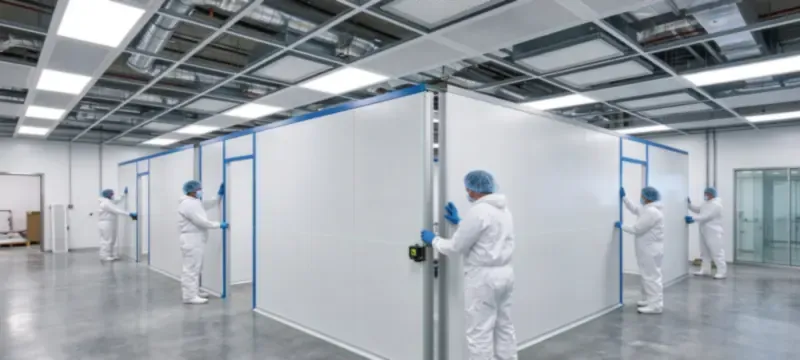
A customer in the pharmaceutical sector requested panels that met ISO 5 standards and could withstand daily applications of VHP heating and cooling cycles. The problem was to maintain integrity of seals throughout repeated exposure while ensuring complete gmp documentation.
The project report indicated the use of MGO-rockwool-core fixed wall panels that are powder-coated on the face of the steel and coved with aluminum. The size of the facility was 6 m × 5 m × 3 m, covering approximately 30 m² of wall.
Microelectronics Facility Upgrade challenges
One of the challenges experienced by a microelectronics client upgrading their plant from ISO 7 status to ISO 6 was that they needed to do so while concurrently maintaining production levels. The issue was that their new clean panels had to be cleanable without exceeding their currently installed HVAC system requirements.
The project involved replacing the cleanroom panels with newly manufactured units that had an anti-static powder-coating finish, and resealing every joint in a phased approach. Adjustment in the airflow was verified by measuring pressure differentials to obtain ±0.02 inches of water column.
Takeaway: cleanroom panel selection, cleanroom compliance, and cleanroom panel maintenance are one continuous decision chain, not three separate purchases. Panels that pass ISO 14644-4 testing, seal tightly, and are logged on a written schedule deliver the lowest lifetime cost.
Frequently Asked Questions
How often should I clean my cleanroom wall panels?
Frequency is based on the classification of the cleanroom under ISO, risk of contamination, and defined protocols for the industry. For cleanrooms classified under ISO 5 to 6, cleaning would usually occur once or twice per week, whereas ISO classes 7 to 8 would require cleaning once weekly or even once a month. It must always be remembered that the validated cleaning method used by any particular facility must form the basis of any cleaning schedule.
What material is best for hygienic wall panels?
The answers would almost always point to either stainless steel 304 or 316L, or powder-coated galvanized steel. Stainless steel offers superior chemical resistance, and powder-coated steel provides some balance between effective cleanability and price. Ultimately, though, the choice is dependent on the cleaning agents used and the ISO classification of the cleanroom.
Do all cleanroom panels meet the same standards?
Not at all. There are various cleanroom panel standards available based on their use and ISO classification. ISO 14644-4 is used to set out surface requirements; however, additional requirements, particularly sector regulations such as EU GMP Annex 1, come into play [4][7]. Hence, certification must be checked based on what applies to an environmental situation.
How does panel design impact cleanroom HVAC efficiency?
Smooth panels will reduce the resistance of airflow and the accumulation of particulates, allowing the cleanroom HVAC system to hold airflow and pressure with less effort. Well-sealed joints will minimize leakage and maintain pressure differences, thus causing around a 15% to 20% reduction in energy consumption.
Can I retrofit existing panels to improve cleanability?
Partial retrofitting is certainly possible, by which new seals or coved profiles can be applied to existing joints. Nevertheless, full replacement of the panels is generally the most successful solution to maintaining compliance with cleanroom panel standards on an ongoing basis, since retrofit solutions fail to remove original design or construction limitations.
What documentation is required for cleanroom compliance audits?
Documentation requirements include maintenance logs, material certifications, and inspection records, as well as any applicable regulations such as ISO 14644-4. These records should show that cleanroom panel maintenance was performed on schedule and that the installed panels still meet their original certification.
References
- [1] IEST-RP-CC001 — HEPA and ULPA Filters. Institute of Environmental Sciences and Technology.
- [2] ISO 14644-1:2015 — Classification of air cleanliness by particle concentration. International Organization for Standardization.
- [3] iso 14644-3:2019 — Test methods. International Organization for Standardization.
- [4] iso 14644-4:2022 — Design, construction and start-up. International Organization for Standardization.
- [5] ASTM E84 — Standard Test Method for Surface Burning Characteristics of Building Materials. ASTM International.
- [6] ISO 846:2019 — Plastics — Evaluation of the action of microorganisms. International Organization for Standardization.
- [7] EU GMP Annex 1 — Manufacture of Sterile Medicinal Products. European Commission.
- [8] ASTM D4060 — Standard Test Method for Abrasion Resistance of Organic Coatings by the Taber Abraser. ASTM International.