+86 13638632902
 Jason@cleanroomequips.com


 MENU
MENU
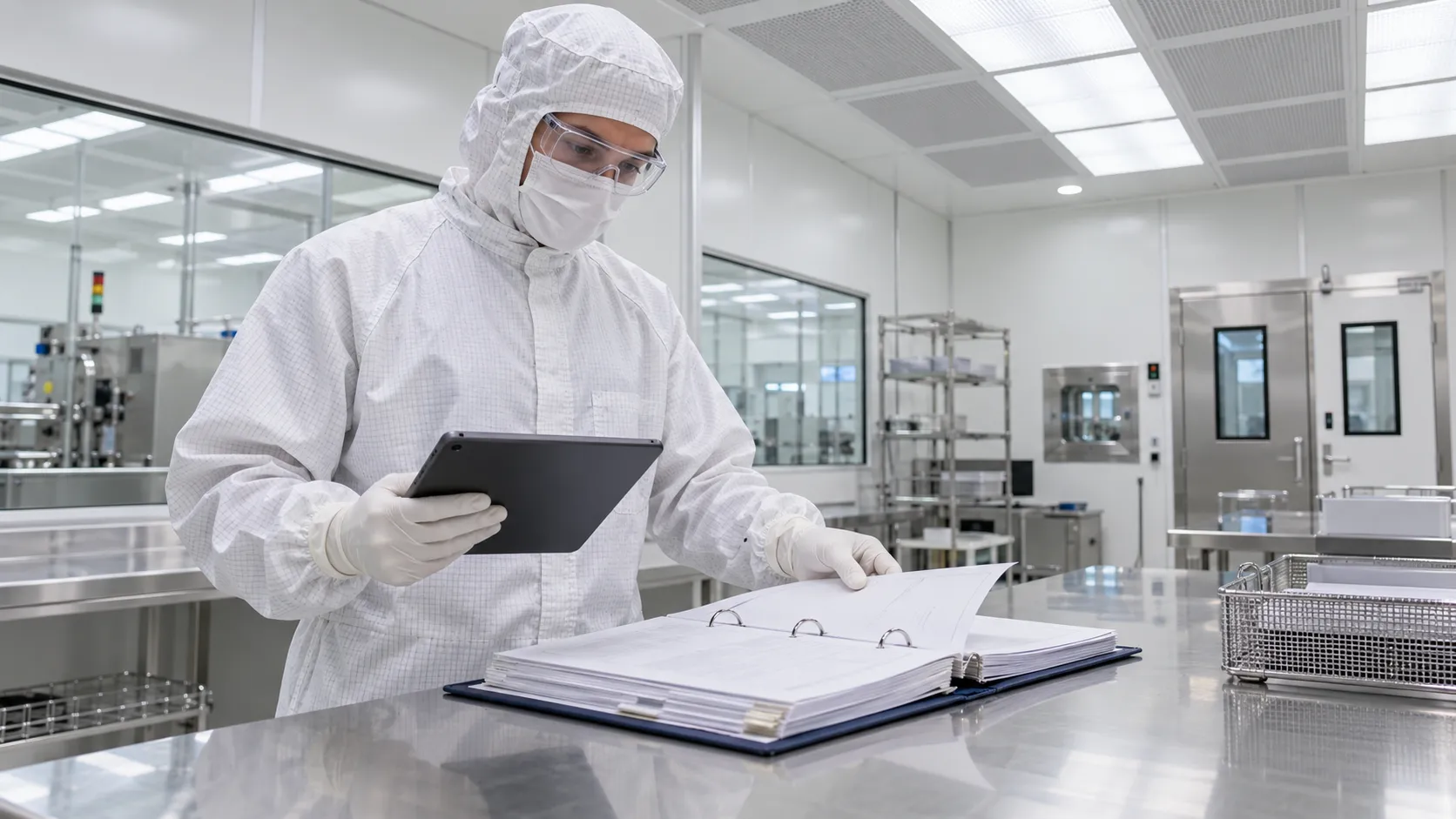
hardwall clean rooms use rigid wall panels and defined interfaces with floors, ceilings, doors, glazing, and penetrations. Maintaining cleanliness is not a single cleaning task. It is an ongoing programme that combines source control, surface cleaning, inspection, monitoring, and air-system maintenance.
This guide explains how to approACH hardwall clean room maintenance using facility-approved, risk-based procedures. Actual methods, frequencies, agents, and verification are determined by the site's approved SOP, product and process risk, and the applicable jurisdiction.
At a Glance
- There is no universal cleaning frequency.
- No single disinfectant is suitable for every cleanroom.
- Determine the sequence through risk assessment and the approved SOP.
- Confirm cleaning-agent compatibility with room materials.
- Match verification to the contamination concern.
What Does Cleanliness Maintenance Mean in a Hardwall Clean Room?
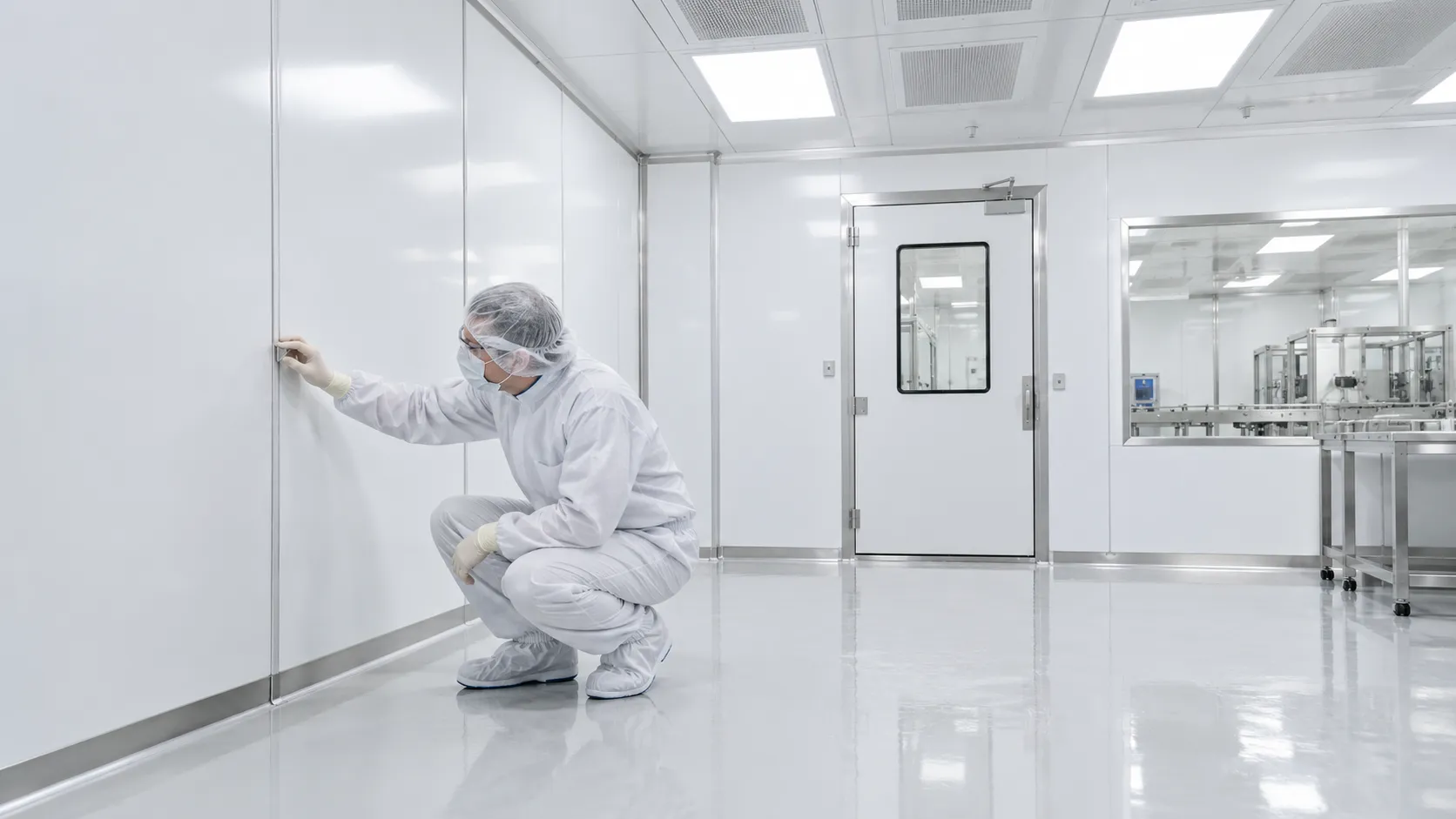
Cleanliness maintenance covers more than wiping surfaces. It includes controlling particle generation, managing personnel and material movement, maintaining airflow and pressure relationships, and keeping surfaces in a condition that supports the room's intended function.
Cleaning is only one part of contamination control. iso 14644-1:2015 classifies air cleanliness by airborne particle concentration only. It does not classify surface cleanliness and does not characterize the chemical or viable nature of airborne particles (https://www.iso.org/standard/53394.html).
Cleaning does not establish or maintain iso classification by itself. Room design, airflow, filtration, and operational controls help establish and control conditions. Classification is demonstrated by appropriate testing. Monitoring provides ongoing evidence and trending where specified, but monitoring does not itself create or maintain the physical cleanroom condition.
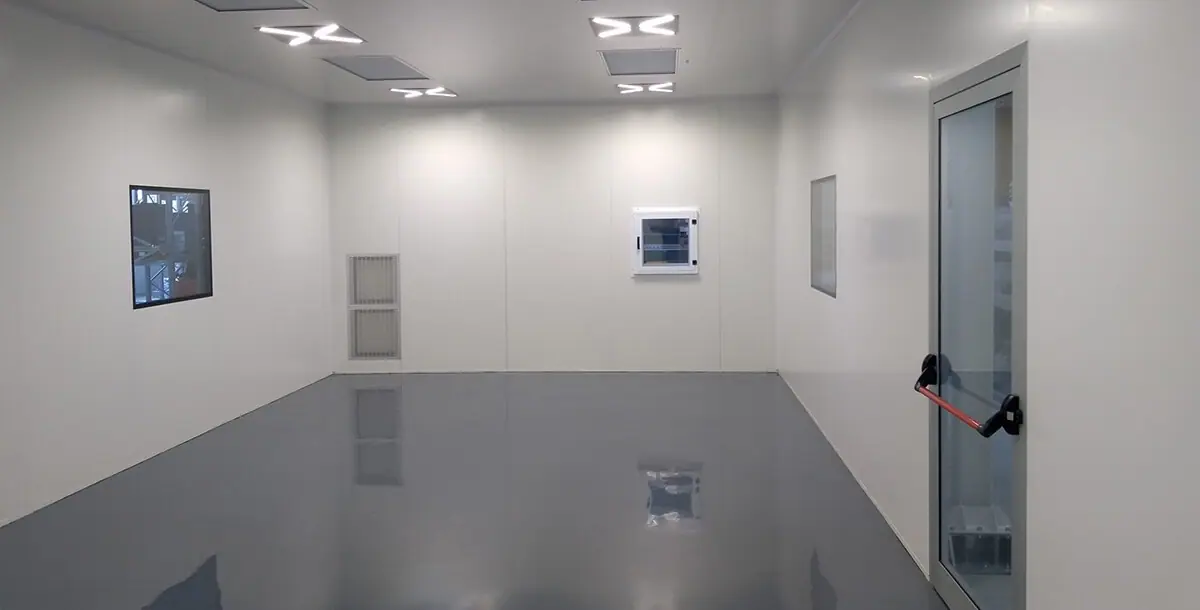
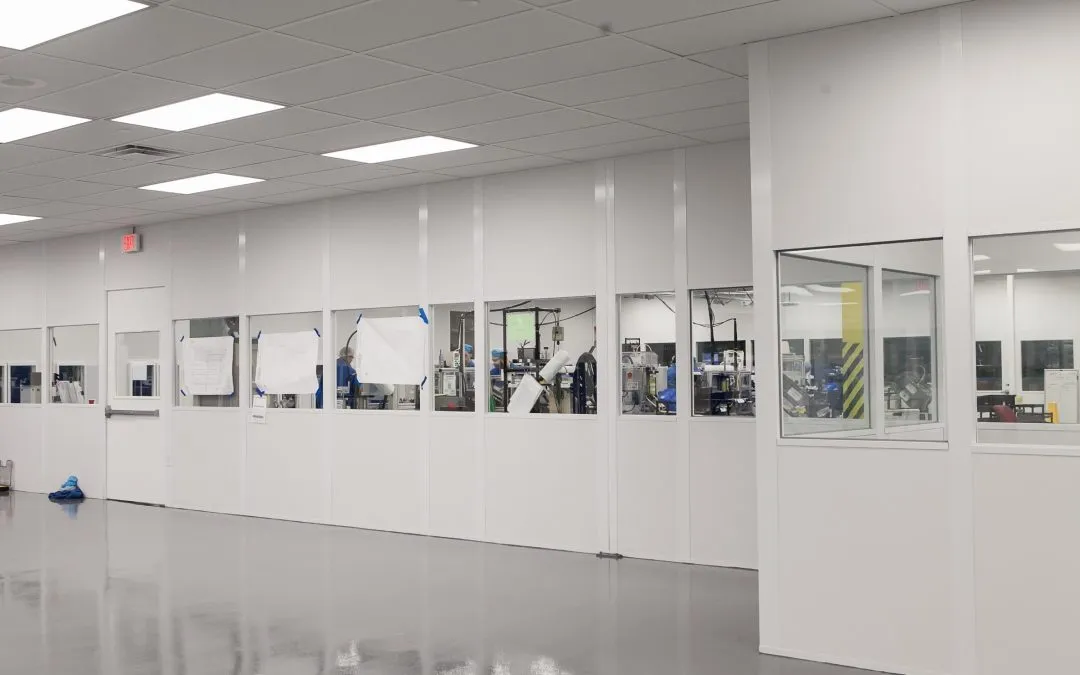
Hardwall surfaces include panels, doors, glazing, coving, floor-wall junctions, and service penetrations. Each has different cleanability characteristics. The programme should identify which surfaces are cleanable, how they are cleaned, and what inspection confirms their condition.
Build a Cleaning Programme Before Cleaning Starts
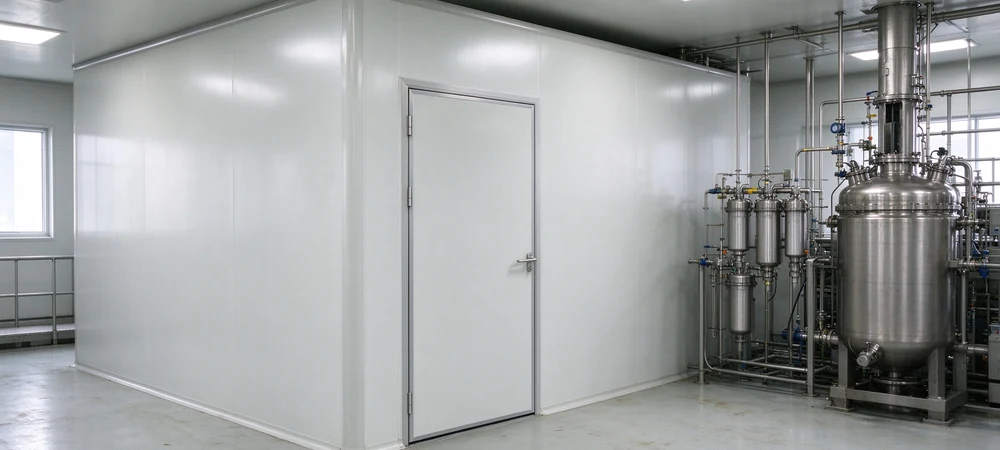
A cleaning programme should be defined before routine cleaning begins. Writing procedures after cleaning has started can leave gaps in responsibility, compatibility, and documentation.
Map contamination risks and cleanable surfaces
Identify where contamination can originate or accumulate. Consider personnel, materials entering the room, equipment, airflow patterns, and the surfaces themselves. Different zones may carry different risk depending on proximity to critical operations or air supply.
Map cleanable surfaces: panels, doors, glazing, floors, coving, penetrations, and equipment exteriors. Note any surface that cannot be safely cleaned or accessed without special measures.
Select cleaning agents and tools by compatibility
Agents and tools must be compatible with the specific materials in the room. Panel coatings, sealants, gaskets, and glazing may react differently to different chemicals.
iso 14644-5:2025 covers an operations control programme addressing personnel, entry and exit of personnel and materials, cleaning, maintenance, monitoring, and cleaning-agent compatibility (https://www.iso.org/standard/88599.html). The facility must still establish compatibility for its own materials and processes through supplier information and facility evaluation.
A practical way to organize compatibility is a simple table:
| Surface or material | Confirm before use |
|---|---|
| Panel finish or coating | Agent compatibility, concentration, contact method |
| Sealants and gaskets | Chemical resistance, no degradation |
| Glazing | No clouding, scratching, or residue |
| Flooring and coving | Slip, finish, and joint compatibility |
| Equipment surfaces | Manufacturer guidance |
Panel finish or coating
Agent compatibility, concentration, contact method
Sealants and gaskets
Chemical resistance, no degradation
Glazing
No clouding, scratching, or residue
Flooring and coving
Slip, finish, and joint compatibility
Equipment surfaces
Manufacturer guidance
Set cleaning frequency from risk, not a generic calendar
There is no universal cleaning frequency. Frequency should be determined by risk assessment, monitoring data, process activity, and facility requirements. IEST-RP-CC018.6:2026 is a Recommended Practice that provides guidance for establishing appropriate housekeeping frequency and monitoring effectiveness, without prescribing a universal schedule (https://www.iest.org/Standards-RPs/Recommended-Practices/IEST-RP-CC018).
Train, document, and review the programme
Personnel performing cleaning should be trained on approved procedures, including correct use of tools and agents, the required sequence, and documentation requirements. Training records should be managed under the facility's quality system.
Documentation should record what was cleaned, when, by whom, and with what materials. The programme should be reviewed periodically and after significant changes to facility, process, or equipment.
Personnel, Materials, and Traffic Control
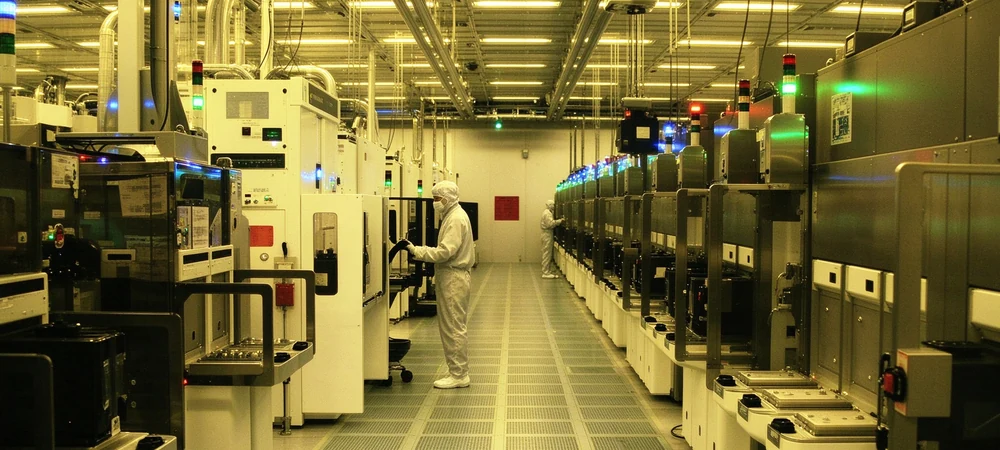
Surface cleaning cannot compensate for uncontrolled sources. Personnel, incoming materials, and traffic are primary contamination sources in any cleanroom, and iso 14644-5:2025 includes personnel management and entry/exit of personnel and materials within the operations control programme.
Personnel and gowning procedures
Gowning requirements should be defined by the site based on the room's classification, process risk, and applicable requirements. No single universal gowning sequence applies. Training and periodic requalification of gowning practice should follow the site's SOP.
Material transfer
Materials should enter through approved routes using defined transfer devices or procedures where applicable. Packaging controls, wipe-down steps, and transfer interlocks should be specified in the SOP rather than improvised.
Traffic and door activity
Unnecessary movement and prolonged open-door events can affect airflow and pressure relationships. The site's operating procedure should define expectations for traffic and door use. This is a control measure, not a cleaning step.
Maintenance and contractor entry
Contractors and maintenance personnel should follow defined entry procedures. Tools, materials, and waste should be controlled. Post-maintenance cleanup should be specified in advance.
Routine Cleaning and Periodic Maintenance: What Is the Difference?
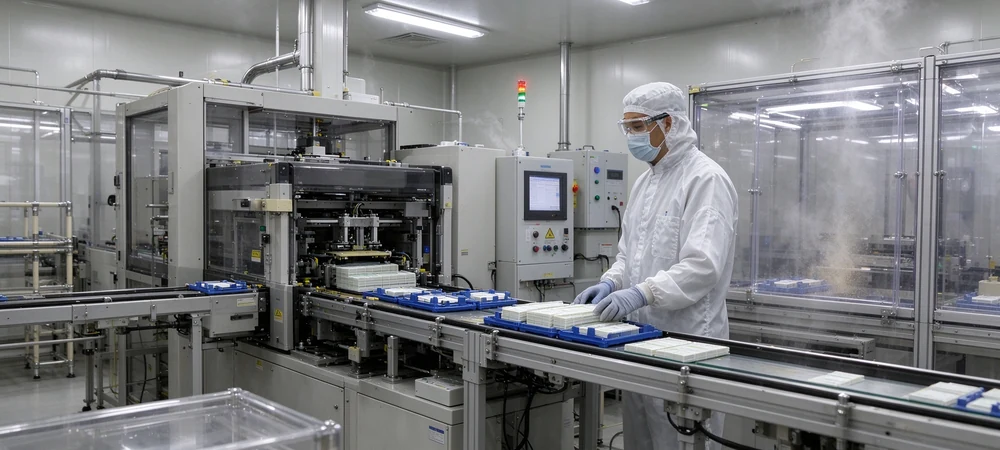
Routine cleaning and periodic maintenance are separate activities with different triggers. They are sometimes merged in practice, which can cause either to be neglected.
| Routine / site-defined cleaning | Periodic / condition-based maintenance |
|---|---|
| Surface cleaning | ffu and fan servicing |
| Floor and joint cleaning | Filter testing or replacement when required |
| Visual condition checks | Door and seal repair |
| Waste removal | Sensor and control servicing |
| Cleaning documentation | Qualification or requalification where applicable |
Routine / site-defined cleaning
Surface cleaning; floor and joint cleaning; visual condition checks; waste removal; cleaning documentation.
Periodic / condition-based maintenance
FFU and fan servicing; filter testing or replacement when required; door and seal repair; sensor and control servicing; qualification or requalification where applicable.
Trigger and frequency: defined by site SOP, condition, risk, manufacturer guidance, or applicable requirement. No universal daily, weekly, or monthly interval applies.
Step-by-Step Hardwall Clean Room Cleaning Procedure
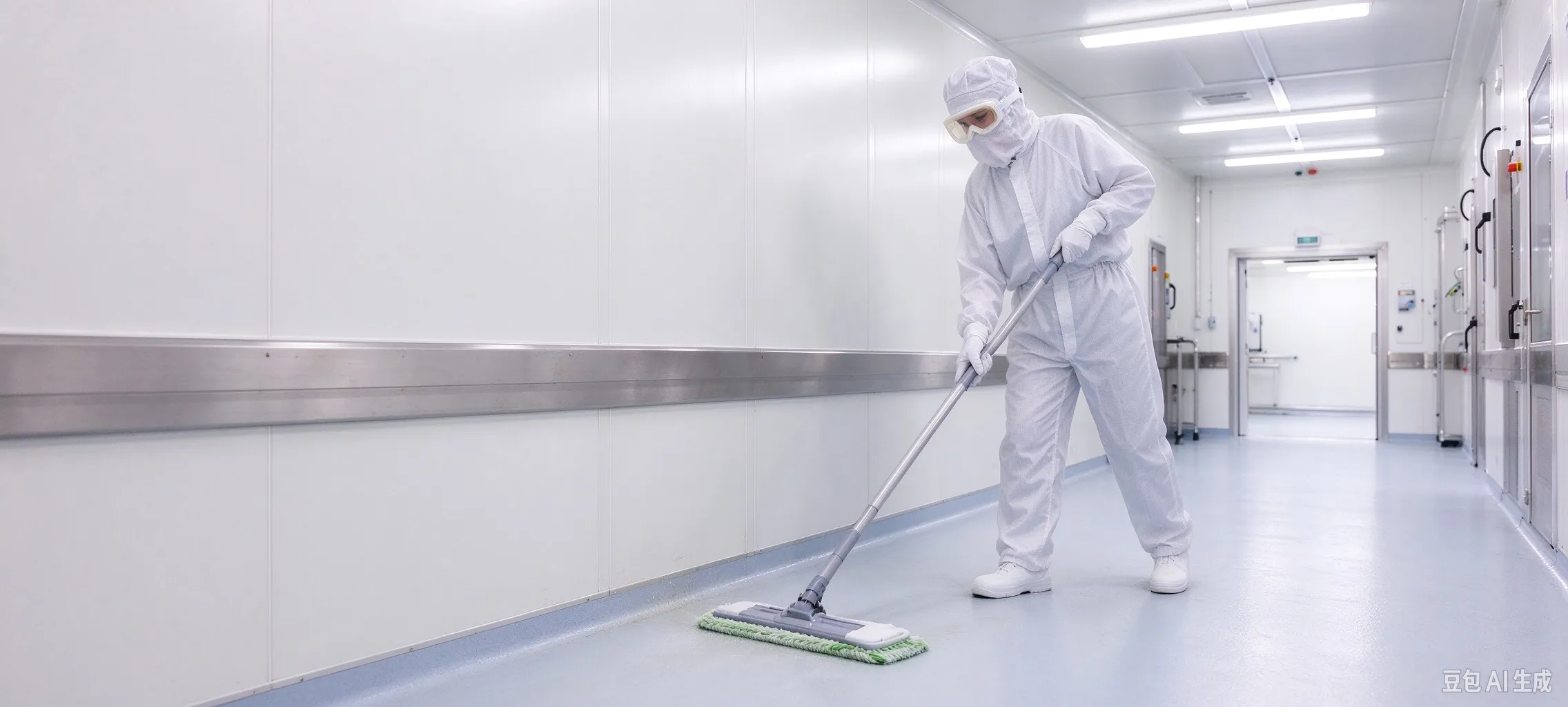
The following is a facility-adaptable SOP framework, not a universal sequence. No single cleaning order applies. The sequence should be determined through risk assessment considering airflow, zoning, contamination sources, surface layout, personnel and material routes, and waste removal.
Pre-cleaning preparation
Confirm the room is available for cleaning and production activities have stopped or are controlled. Verify approved agents are within their use period and tools are clean and appropriate. Transfer materials using the approved entry procedure.
Define the approved cleaning sequence
Determine the sequence from the site's risk assessment and SOP. Directional principles may be used only where justified by the specific room design, airflow, and process.
Clean included upper surfaces where specified
If the approved procedure includes ceiling or upper-interface cleaning, use methods compatible with those materials and air-supply components. Avoid contact with exposed filter media during routine surface cleaning unless a manufacturer-approved or site-approved servicing procedure specifically requires it.
Clean hardwall surfaces and interfaces
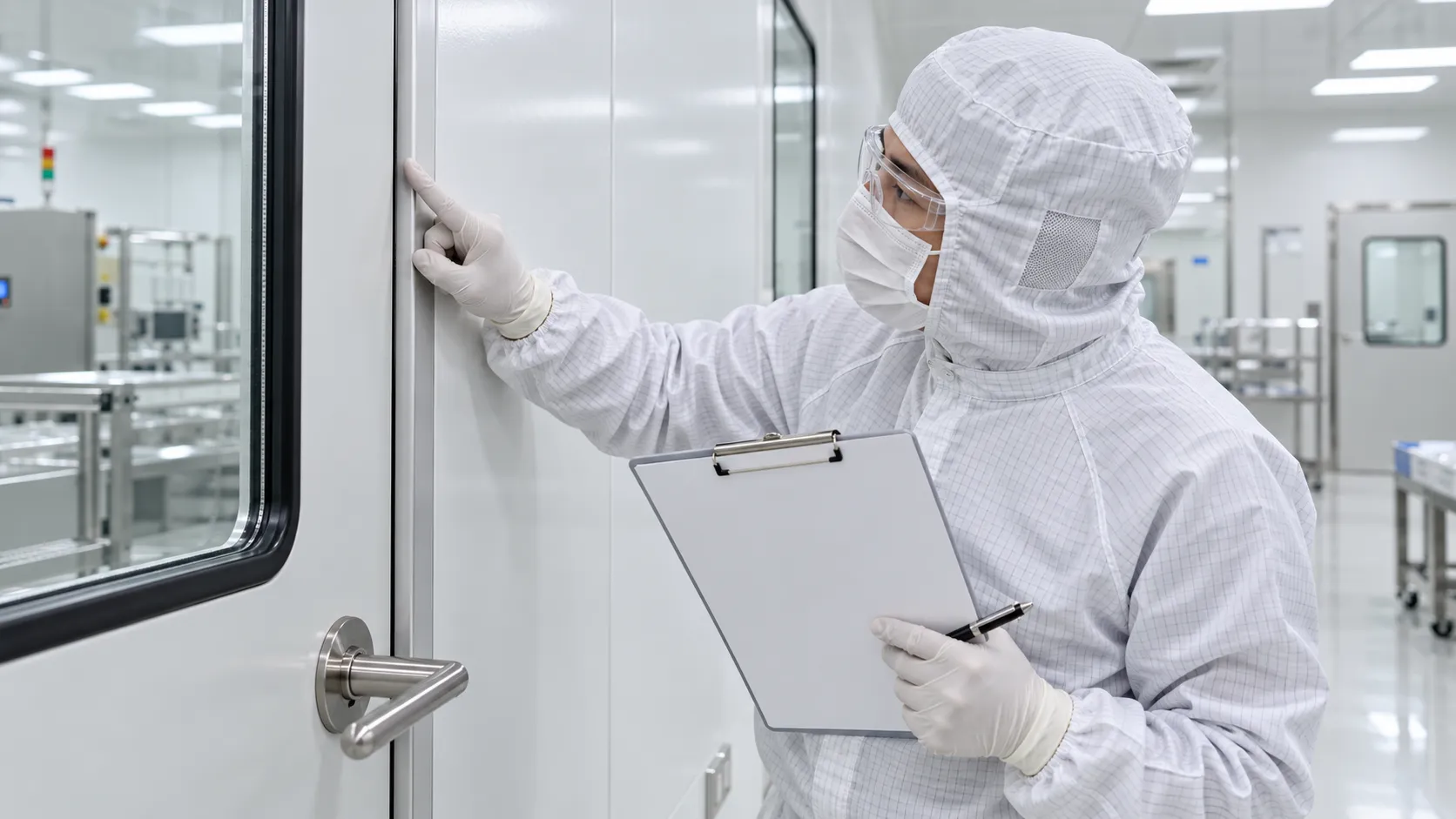
Clean wall panels, doors, glazing, and accessible penetrations according to the SOP. Use tools and agents compatible with the specific materials. Inspect door gaskets and seals but clean them only with compatible methods.
As company-published catalogue data, Deiiang lists cleanroom panel options in MGO or MGO-rockwool, with 11 footprint options ranging from 2 × 3 × 3 m to 10 × 8 × 3 m, and an iso 8 product option. These are catalogue configurations and material options, not installed-room performance claims. Project verification is required for actual exposed finish, sealants, cleaning compatibility, and installed classification testing.
Clean equipment and transfer interfaces under their own procedures
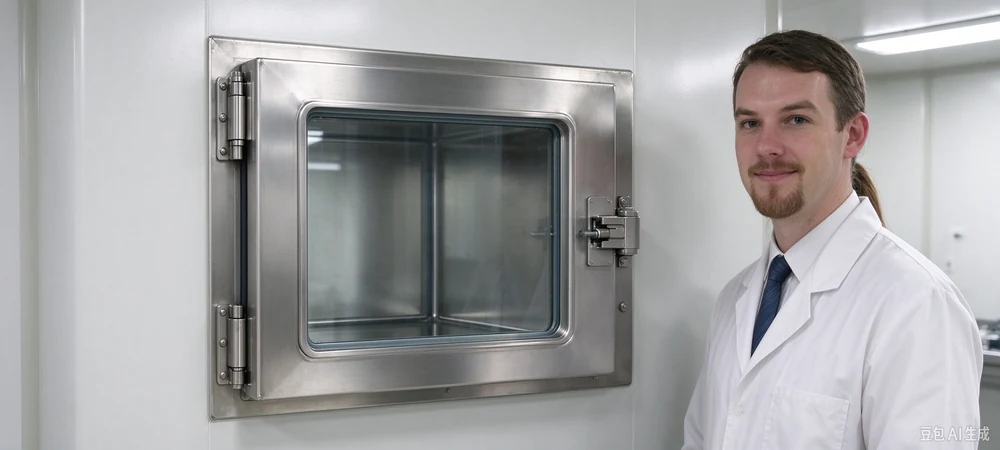
Equipment surfaces, pass-throughs, and transfer interfaces should be cleaned according to their own approved procedures. These may differ from wall or floor methods because of material, function, or contamination risk.
Clean floors according to the approved sequence
Clean floors according to the approved method, working in a direction that avoids spreading contamination to cleaned areas. Include floor-wall junctions and coving where accessible.
Inspect, document, and return to service
Perform the required visual inspection and any specified verification activities. Complete required documentation and return the area to service according to the site's applicable procedure or quality system.
Hardwall-Specific Surfaces and Interfaces to Inspect
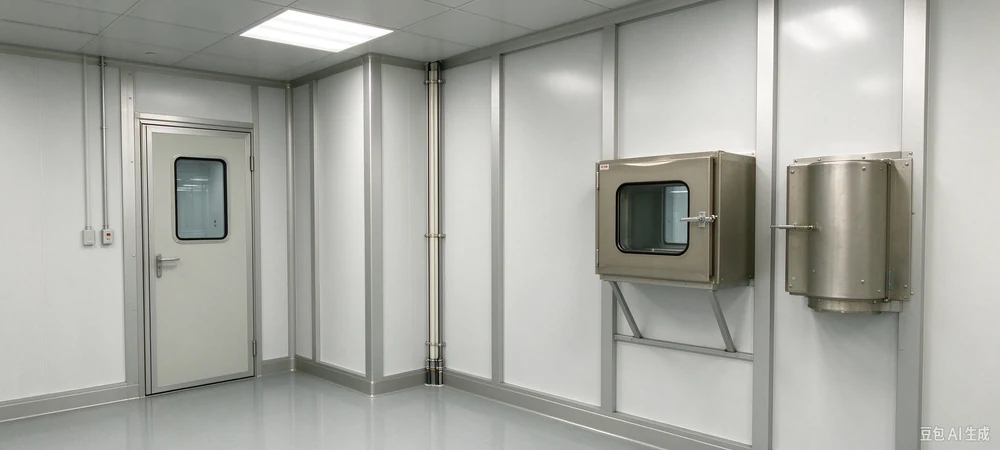
Inspection should cover surfaces and interfaces specific to hardwall construction.
Panels, finishes, and sealed joints. Inspect panel surfaces for damage, coating integrity, and cleanliness. Check sealed joints for gaps, degradation, or accumulation that could retain or accumulate contamination. Clean accessible joints according to the SOP.
Doors, glazing, and transfer openings. Inspect door surfaces, gaskets, and seals. Check glazing for cracks or damage that could affect cleanability. Inspect transfer openings and pass-throughs on both accessible sides.
Penetrations and floor-wall junctions. Inspect service penetrations and utility interfaces for seal integrity and cleanability. Check floor-wall junctions and coving for gaps or damage.
Maintain Airflow, Filtration, and Pressure Without Creating Contamination
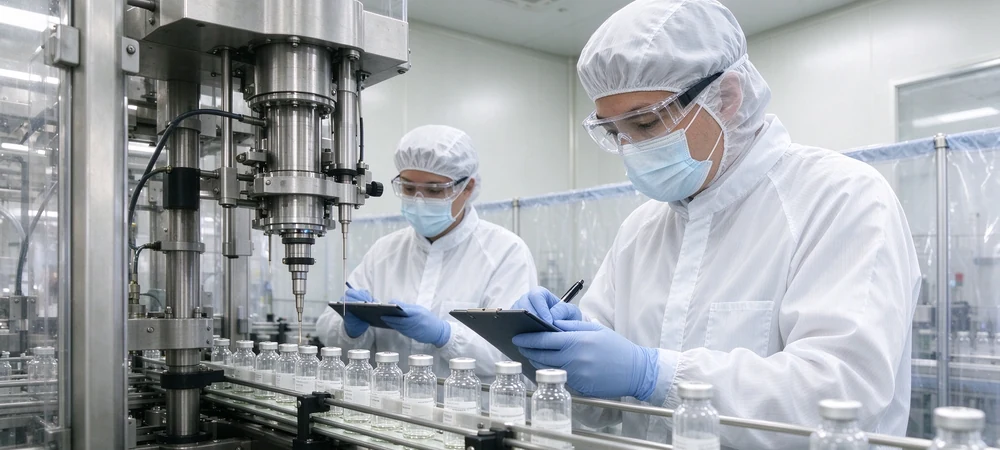
Protect filters and FFUs
Filter media should not be touched during routine surface cleaning unless an approved servicing procedure requires it. Filter servicing should be performed by trained personnel according to the maintenance programme.
As company-published brochure options, Deiiang lists modular FFUs with HEPA filtration and a product-stated outlet velocity of 0.45 m/s ±20%. This value is model-dependent, test-condition-dependent, installation-dependent, and balancing/commissioning-dependent. It is a product specification, not a room acceptance criterion.
Deiiang brochure options also include FFU-3 and FFU-4 controllers, a group-control option, and a communication option. These are company-published brochure options and do not constitute evidence of installed project functionality.
Keep returns and grilles unobstructed
Return air grilles and other airflow openings should be kept clear of obstructions. If cleaning is required, follow an approved procedure that does not disturb the airflow system or introduce contamination.
Pressure is a system property
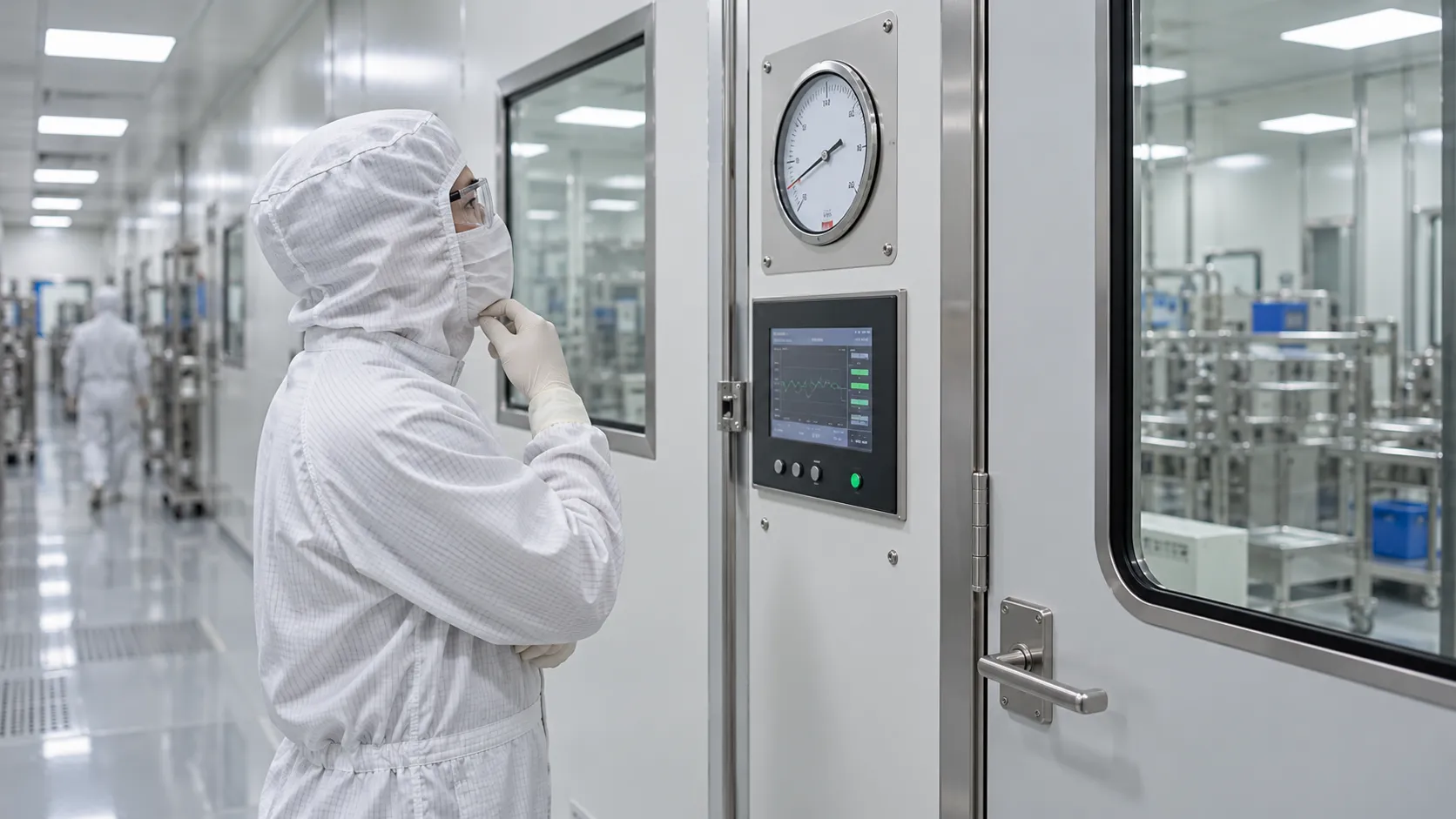
Room pressure relationships are a function of the entire air handling system, not a single component. Cleaning should not interfere with dampers, sensors, or control devices. Any observed change in pressure relationships should be investigated according to facility procedures.
How to Verify Cleanliness After Cleaning and Maintenance
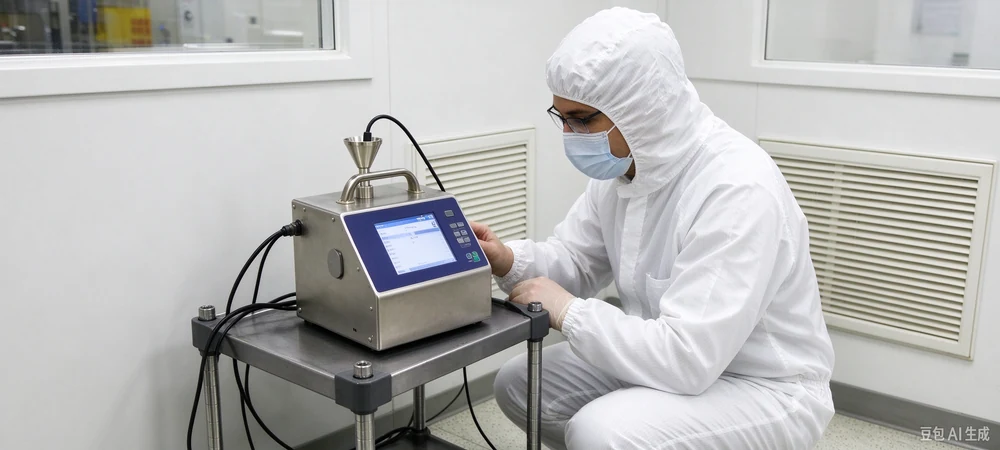
Use monitoring data as evidence
iso 14644-2:2015 specifies requirements for a monitoring plan related to air cleanliness by particle concentration. It does not cover general engineering-system condition monitoring such as vibration or general maintenance (https://www.iso.org/standard/53393.html).
iso 14644-3:2019 provides test methods supporting cleanroom and clean-zone operation, classification, and related controlled conditions (https://www.iso.org/standard/60598.html).
ISO 14644-13:2026 gives cleaning guidance for surface cleanliness in terms of particle and chemical concentration. Microbiological aspects are excluded, and it does not prescribe site-specific SOP content (https://www.iso.org/standard/91614.html).
A useful way to keep evidence categories clear:
| Evidence method | What it addresses | What it does not prove |
|---|---|---|
| Airborne particle classification or monitoring | Airborne particle condition | Surface cleanliness or microbial state |
| Surface particle assessment | Particulate surface condition | Microbial control |
| Surface chemical assessment | Chemical surface cleanliness | Microbial condition |
| Viable monitoring | Microbiological information | Total nonviable particle cleanliness |
Airborne particle classification or monitoring
Addresses airborne particle condition. Does not prove surface cleanliness or microbial state.
Surface particle assessment
Addresses particulate surface condition. Does not prove microbial control.
Surface chemical assessment
Addresses chemical surface cleanliness. Does not prove microbial condition.
Viable monitoring
Addresses microbiological information. Does not prove total nonviable particle cleanliness.
Reassess after significant maintenance or change
Verification requirements after maintenance or repair should be determined through impact and change assessment and the applicable qualification programme. Not every repair requires full requalification.
Troubleshooting When Cleanliness Drifts
| Observation | Areas to investigate | Next action |
|---|---|---|
| Unexpected airborne particle trend | Activity, door status, airflow, recent maintenance, filtration, sampling issue | Verify, investigate, document |
| Recurring residue | Agent preparation, technique, process source, tool condition | Review SOP and compatibility |
| Damaged joint or seal | Mechanical damage, aging, maintenance work | Escalate for repair and impact assessment |
| Pressure alarm or change | Door status, controls, airflow system | Investigate per facility procedure |
Unexpected airborne particle trend
Investigate activity, door status, airflow, recent maintenance, filtration, sampling issue. Verify, investigate, document.
Recurring residue
Investigate agent preparation, technique, process source, tool condition. Review SOP and compatibility.
Damaged joint or seal
Investigate mechanical damage, aging, maintenance work. Escalate for repair and impact assessment.
Pressure alarm or change
Investigate door status, controls, airflow system. Investigate per facility procedure.
Hardwall Clean Room Maintenance Checklist
Routine cleaning activities:
Verify room availability and authorization
Prepare approved agents and tools
Clean surfaces in the approved sequence
Avoid recontamination of cleaned areas
Complete inspection and documentation
Inspection points:
Panel condition and sealed joints
Door gaskets and seals
Glazing and transfer openings
Penetrations and floor-wall junctions
Return grilles and airflow openings
Periodic and condition-based items:
Panel and joint deterioration
Door and gasket condition
Glazing and sealant condition
Controls and sensors where installed
FFU and fan condition
Post-maintenance cleanup
Required testing after relevant changes
Example cleaning record fields (adapt to industry and site requirements):
Date and time
Room or area
Task performed
Agent or product used
Concentration or dilution where applicable
Tool or equipment used
Operator
Abnormal condition observed
Corrective action or deviation reference
Review or approval where required
Relevant Standards and Evidence Boundaries
| Standard | Scope | Evidence boundary |
|---|---|---|
| iso 14644-1:2015 | Classification of air cleanliness by airborne particle concentration | Does not classify surfaces or characterize particle nature |
| ISO 14644-2:2015 | Monitoring plan related to airborne particle concentration | Not general engineering-system condition monitoring |
| iso 14644-3:2019 | Test methods supporting operation, classification, and controlled conditions | Not a cleaning procedure |
| ISO 14644-5:2025 | Operations control: personnel, entry/exit, cleaning, maintenance, monitoring, cleaning-agent compatibility | Facility-specific compatibility still requires confirmation and evaluation |
| ISO 14644-13:2026 | Surface cleanliness by particle and chemical concentration | Excludes microbiological aspects and site SOP content |
ISO 14644-1:2015
Classification of air cleanliness by airborne particle concentration. Does not classify surfaces or characterize particle nature.
ISO 14644-2:2015
Monitoring plan related to airborne particle concentration. Not general engineering-system condition monitoring.
ISO 14644-3:2019
Test methods supporting operation, classification, and controlled conditions. Not a cleaning procedure.
ISO 14644-5:2025
Operations control: personnel, entry/exit, cleaning, maintenance, monitoring, cleaning-agent compatibility. Facility-specific compatibility still requires confirmation and evaluation.
ISO 14644-13:2026
Surface cleanliness by particle and chemical concentration. Excludes microbiological aspects and site SOP content.
Pharmaceutical context — United States. 21 CFR 211.56 requires written sanitation procedures covering buildings and facilities, cleaning schedules, methods, equipment, and materials (https://www.ecfr.gov/current/title-21/chapter-I/subchapter-C/part-211/section-211.56). Section 211.67 covers equipment and utensils only (https://www.ecfr.gov/current/title-21/chapter-I/subchapter-C/part-211/section-211.67). FDA aseptic-processing guidance concerns US sterile drug and biological products made by aseptic processing (https://www.fda.gov/regulatory-information/search-fda-guidance-documents/sterile-drug-products-produced-aseptic-processing-current-good-manufacturing-practice).
Pharmaceutical context — EU sterile manufacturing. EU GMP Annex 1 is primarily intended for sterile medicinal-product manufacture, though selected principles may extend to some non-sterile products where justified and documented. In the EU sterile context, Annex 1 requires a written cleaning and disinfection programme, cleaning before effective disinfection, removal of disinfectant residues, and validation of disinfection for intended use and surface material (https://health.ec.europa.eu/document/download/e05af55b-38e9-42bf-8495-194bbf0b9262_en?filename=20220825_gmp-an1_en_0.pdf).
IEST-RP-CC018.6:2026 is a Recommended Practice providing guidance on cleanroom cleaning and sanitization, including housekeeping frequency and effectiveness monitoring, without prescribing a universal schedule (https://www.iest.org/Standards-RPs/Recommended-Practices/IEST-RP-CC018).
Company catalogue data has a limited role. Product listings describe available options and specifications. They do not establish installed performance, cleaning frequency, compatibility with specific agents, or room classification.
Frequently Asked Questions
How often should a hardwall clean room be cleaned?
There is no universal frequency. Cleaning frequency should be determined by risk assessment, monitoring data, process activity, and facility requirements. IEST-RP-CC018.6:2026 provides guidance for establishing appropriate housekeeping frequency without prescribing a universal schedule.
What should be used to clean hardwall clean room panels?
Agents and tools should be selected based on compatibility with the specific panel material and finish. Compatibility should be confirmed with material suppliers and through facility evaluation. No universal agent applies to all panel types.
Should ceilings, walls, or floors be cleaned first?
No single universal sequence applies. The sequence should be determined through risk assessment and the approved SOP, considering airflow, zoning, contamination sources, surface layout, personnel and material routes, and waste removal. Ceiling-first or floor-last is not universally required.
Does cleaning a hardwall clean room maintain its ISO classification?
Cleaning does not establish or maintain ISO classification by itself. ISO 14644-1:2015 classifies air cleanliness by airborne particle concentration only. Room design, airflow, filtration, and operational controls help establish and control conditions; classification is demonstrated by appropriate testing; monitoring provides ongoing evidence where specified.
What maintenance points are especially important in a hardwall clean room?
Key points include panel and joint integrity, door seals and gaskets, glazing, penetration seals, floor-wall junctions, return air grilles, controls and sensors where installed, and the air handling and filtration system. Filter media should not be touched during routine cleaning unless an approved servicing procedure requires it. Pressure changes should be investigated.
Conclusion
Maintaining cleanliness in a hardwall clean room requires a documented programme integrating source control, cleaning, inspection, monitoring, and air-system maintenance. Cleaning is one part of contamination control, and it does not establish or maintain ISO classification by itself.
The programme should be based on risk assessment and the facility's approved SOP. Agents and tools should be selected for compatibility with specific materials. Frequency should be determined by risk, monitoring data, and facility requirements, not a generic calendar.
Verification methods should match the contamination of concern. Airborne particle monitoring, surface particle assessment, chemical residue evaluation, and viable monitoring are separate evidence categories, and none substitutes for the others. Maintenance activities should be assessed for impact, with verification requirements determined accordingly. Validation and requalification apply only where required by the applicable quality or regulatory system, and manufacturer directions should be followed.
References
ISO 14644-1:2015, Cleanrooms and associated controlled environments — Part 1: Classification of air cleanliness by particle concentration. https://www.iso.org/standard/53394.html
ISO 14644-2:2015, Cleanrooms and associated controlled environments — Part 2: Monitoring to provide evidence of cleanroom performance related to air cleanliness by particle concentration. https://www.iso.org/standard/53393.html
ISO 14644-3:2019, Cleanrooms and associated controlled environments — Part 3: Test methods. https://www.iso.org/standard/60598.html
ISO 14644-5:2025, Cleanrooms and associated controlled environments — Part 5: Operations. https://www.iso.org/standard/88599.html
ISO 14644-13:2026, Cleanrooms and associated controlled environments — Part 13: Cleaning of surfaces to achieve defined levels of cleanliness in terms of particle and chemical concentration. https://www.iso.org/standard/91614.html
21 CFR 211.56, Sanitation. https://www.ecfr.gov/current/title-21/chapter-I/subchapter-C/part-211/section-211.56
21 CFR 211.67, Equipment cleaning and maintenance. https://www.ecfr.gov/current/title-21/chapter-I/subchapter-C/part-211/section-211.67
FDA Guidance for Industry, Sterile Drug Products Produced by Aseptic Processing — Current Good Manufacturing Practice. https://www.fda.gov/regulatory-information/search-fda-guidance-documents/sterile-drug-products-produced-aseptic-processing-current-good-manufacturing-practice
EU GMP Annex 1, Manufacture of Sterile Medicinal Products (EudraLex Volume 4). https://health.ec.europa.eu/document/download/e05af55b-38e9-42bf-8495-194bbf0b9262_en?filename=20220825_gmp-an1_en_0.pdf
IEST-RP-CC018.6:2026, Cleanroom Cleaning and Sanitization: Operating and Monitoring Procedures. https://www.iest.org/Standards-RPs/Recommended-Practices/IEST-RP-CC018